Daimler Truck stock trades near yearly highs as earnings and backlog support valuation
Published on 07/31/2026 at 17:25 | Editorial responsibility: Rafael Müller, Editor-in-Chief AD HOC NEWS
Daimler Truck stock is being supported by robust commercial vehicle demand and a sizeable order backlog, while recent earnings and margin performance frame its current valuation in the European market. The German truck and bus manufacturer Daimler Truck Holding AG (ISIN DE000DTR0CK8) has reported multi-billion-euro revenues and operating profits in its latest financial year, giving investors concrete reference points for assessing the share price relative to fundamentals.
Revenue above prior year
According to publicly available financial data for Daimler Truck Holding AG, the company generated around EUR 51.8 billion in revenue in its most recently reported full financial year, compared with roughly EUR 50.9 billion in the previous year. This implies an increase of approximately EUR 0.9 billion year on year, illustrating that demand for heavy-duty trucks and buses remained resilient despite macroeconomic uncertainties over that period. The revenue expansion shows how the group has been able to pass through pricing and maintain volumes in core regions such as Europe and North America.
Within this headline figure, Daimler Truck's industrial business, focused on vehicle manufacturing and sales, contributed the majority of group revenue. The increase versus the prior year reflects a combination of higher unit sales, improved mix toward more profitable vehicle configurations, and price adjustments designed to offset input cost inflation. For investors, the difference between approximately EUR 51.8 billion and EUR 50.9 billion is more than just a numerical delta: it signals that the company has managed to grow despite a more cautious environment in some transport and logistics segments.
Operating profit and margin trends
On the profitability side, Daimler Truck reported an adjusted EBIT of around EUR 5.7 billion in the same financial year, which was up from roughly EUR 4.3 billion a year earlier. This roughly EUR 1.4 billion increase in adjusted EBIT demonstrates that the company did not merely grow its top line, but also improved operating efficiency and pricing power. The margin expansion is visible when EBIT is assessed as a percentage of revenue, with the adjusted EBIT margin moving higher year on year.
The EBIT margin improvement is important because commercial vehicle manufacturers operate in a cyclical, capital-intensive industry where small changes in margin can have large effects on net income and cash flow. Daimler Truck's ability to lift adjusted EBIT from about EUR 4.3 billion to EUR 5.7 billion, while revenue rose by less than EUR 1 billion, indicates stronger profitability per unit sold, better cost management, and disciplined allocation of capital across product lines and regions. For example, focus on higher-margin heavy-duty trucks and services such as parts and maintenance has contributed to this margin profile.
Net income attributable to shareholders also rose in tandem with stronger EBIT, underscoring that the earnings momentum is not purely a result of one-off items or accounting effects. The company has communicated a commitment to maintaining a competitive dividend profile, supported by its earnings base. The widening gap between revenue and EBIT compared with prior year levels gives investors a clearer picture of how Daimler Truck converts sales into profits, which is a key metric in evaluating whether the stock price adequately reflects the underlying business performance.
Order backlog supports outlook
A central pillar of the current investment narrative for Daimler Truck stock is the group's order backlog, which has remained high by historical standards. Publicly available data indicate that the company has an order backlog in the tens of billions of euros, covering both trucks and buses, with a significant share of orders in core markets such as the United States and Europe. This backlog provides visibility into future revenue and production planning, helping to smooth delivery schedules and giving customers assurances on supply.
The order backlog also plays a role in insulating Daimler Truck from short-term fluctuations in demand. When transport operators adjust their investment plans, a manufacturer with a large, diversified backlog can reallocate production and manage capacity more effectively than one with thin forward orders. Investors often compare the backlog size to annual revenue to assess how many months or years of production are effectively covered by existing contracts. In Daimler Truck's case, backlog coverage at levels comparable to or above one year of revenue has been seen as a supportive factor for the stock, especially in periods when macro indicators such as freight rates and industrial output data are mixed.
From a strategic perspective, the composition of the backlog matters as much as its size. Daimler Truck has increased the share of orders linked to long-term fleet renewal programs, advanced powertrains, and digital service packages. These higher-value orders can improve average selling prices and support margins when they are delivered, contributing to EBIT growth and cash generation. This interaction between backlog quality and profitability is part of why the stock has attracted attention among investors looking for exposure to industrial and infrastructure themes.
Segment performance and regional trends
Daimler Truck organizes its operations into key segments that reflect both product focus and regional markets. In recent financial reporting, the Trucks North America segment has been a major contributor to group earnings, with strong demand for Class 8 trucks driven by freight and construction activity in the United States and Canada. Revenue in Trucks North America increased versus the prior year, and segment EBIT rose by a higher percentage, illustrating the combination of volume growth and improved pricing.
In Europe and other international markets, Daimler Truck has pursued a mix of conventional diesel-powered vehicles and emerging battery-electric and hydrogen-powered models. The Europe-focused segments have seen revenue growth as well, albeit in a more complex regulatory and competitive environment. The company has invested heavily in meeting Euro VII and other emissions standards, while also developing zero-emission trucks for urban and regional delivery. These investments influence both current margins and future profitability, and investors often weigh the near-term cost impact against the potential long-term gains from leadership in low-emission transport.
The Asia-based operations, including partnerships and joint ventures, contribute additional diversification to Daimler Truck's revenue base. While cyclical dynamics and regulatory frameworks vary by region, the company has emphasized maintaining a balanced portfolio so that weakness in one market can be partially offset by strength in another. This geographic diversification, combined with segment-specific strategies, feeds into how investors perceive the resilience of Daimler Truck stock over a multi-year horizon.
Cash flow, capex and dividend policy
Beyond earnings, Daimler Truck's cash flow generation and capital expenditure plans are key components of its financial profile. In the most recent financial year, the company reported free cash flow in the billions of euros from its industrial business, after accounting for investments in property, plant and equipment as well as research and development. This free cash flow supports dividend payments, debt reduction, and strategic investments in areas such as electrification and digital services.
Capital expenditure has been directed toward modernizing manufacturing plants, expanding capacity for alternative powertrains, and enhancing digital platforms used by customers for fleet management and maintenance scheduling. These investments are necessary to maintain competitiveness, but they also require careful balancing so as not to erode margins. Daimler Truck has communicated financial targets that include maintaining a strong balance sheet while funding innovation, a stance that resonates with investors who are mindful of leverage and interest rate conditions in global markets.
The dividend policy is designed to share a portion of earnings with shareholders while preserving financial flexibility. In the last financial year, the company paid a dividend that reflected its profitability and cash flow, offering an income component alongside potential capital appreciation from the stock. The combination of dividend yield and earnings growth is often used as a metric by investors when comparing Daimler Truck to other industrial and automotive stocks in Europe and globally.
Valuation context for Daimler Truck stock
The valuation of Daimler Truck stock incorporates both current earnings and expectations for future profitability. Investors examine metrics such as the price-to-earnings ratio, price-to-book ratio, and enterprise value to EBIT to gauge whether the shares trade at a premium or discount relative to peers and historical averages. With adjusted EBIT rising from about EUR 4.3 billion to around EUR 5.7 billion year on year, the denominator in such ratios has grown, potentially affecting how the market prices the stock.
Market participants also consider the cyclicality of demand for trucks and buses, as well as structural trends such as decarbonization, digitization, and regulatory changes. Daimler Truck's exposure to these themes, through both conventional products and new technologies, can influence growth assumptions and risk premiums. For example, investments in zero-emission truck platforms may depress near-term margins but are seen as necessary to capture future demand and meet regulatory requirements, which in turn could justify higher valuation multiples if the company is perceived as a leader in this space.
Analyst consensus expectations for revenue and earnings growth over the next few years play a role in valuation too. When consensus forecasts indicate continued revenue expansion and further margin improvement, investors may accept higher multiples. Conversely, if forecasts suggest flat or declining earnings, the market may demand lower valuation metrics. Daimler Truck's recent track record of increasing EBIT faster than revenue provides a positive data point in this context, but investors remain attentive to macro conditions and industry-specific indicators such as freight rates and construction activity.
Competitive position and peers
Daimler Truck operates in a competitive landscape that includes global manufacturers of heavy-duty trucks and buses. Market share dynamics in key regions such as North America and Europe influence the company's pricing power and ability to secure large fleet contracts. The group leverages its scale, extensive dealer network, and reputation for quality to maintain and grow its position in these markets.
Peer comparisons often focus on metrics such as revenue growth, EBIT margins, and return on capital employed. Daimler Truck's revenue increase from roughly EUR 50.9 billion to approximately EUR 51.8 billion year on year, combined with adjusted EBIT rising from about EUR 4.3 billion to around EUR 5.7 billion, positions it favorably in some of these comparisons. Investors examine whether such performance is above or below peer averages, and whether the company is gaining or losing share in specific product categories and geographic markets.
Strategic alliances and joint ventures also shape competitive positioning. Daimler Truck participates in collaborations to advance zero-emission technologies, autonomous driving capabilities, and digital services. These partnerships can accelerate innovation and reduce development costs, but they require careful governance and alignment of interests. The outcomes of such collaborations will influence future product offerings and operating metrics, with potential implications for how investors value Daimler Truck stock relative to peers.
Electrification and zero-emission strategy
Electrification is a central pillar of Daimler Truck's long-term strategy. The company has introduced battery-electric trucks for urban and regional delivery, as well as exploring hydrogen-based solutions for long-haul applications. Investments in these technologies are reflected in research and development spending and capital expenditure figures, which in turn affect current financial metrics.
Regulators in major markets are tightening emissions standards and introducing incentives for zero-emission vehicles. Daimler Truck aims to align its product portfolio with these trends, targeting significant shares of its sales to be zero-emission by specific future dates. These targets drive engineering and production decisions today, and investors monitor progress through milestones such as pilot fleets, customer adoption rates, and cost reductions achieved through scale and learning.
While electrification efforts may weigh on near-term margins due to high development costs and initial production inefficiencies, they are seen as essential for sustaining competitiveness. As the cost of batteries and other components falls, and as charging and refueling infrastructure expands, the profitability of zero-emission trucks is expected to improve. Daimler Truck's positioning in this transition is a key factor for investors considering the long-term trajectory of the stock.
Digital services and recurring revenue
In addition to hardware, Daimler Truck invests in digital services that can generate recurring revenue and deepen customer relationships. Fleet management platforms, predictive maintenance tools, and telematics solutions are integrated into many vehicles, providing real-time data that helps operators optimize routes, fuel consumption, and maintenance schedules.
The monetization of these digital offerings can enhance revenue per vehicle and create high-margin income streams that are less cyclical than vehicle sales. Over time, the share of revenue derived from services relative to hardware may increase, which could support more stable earnings and higher valuation multiples. Investors pay attention to key indicators such as the number of connected vehicles, subscription uptake, and average revenue per user in these digital ecosystems.
Daimler Truck's digital strategy also strengthens its competitive moat by making it more complex for customers to switch to rival brands once they are embedded in the company's digital platforms. This customer stickiness can translate into higher repeat sales and more predictable cash flows, supporting the overall investment case for the stock.
Balance sheet and financial resilience
The balance sheet strength of Daimler Truck is a crucial factor in assessing its resilience through economic cycles. The company maintains an industrial net liquidity position that reflects its capacity to absorb shocks, invest in strategic initiatives, and return capital to shareholders. Debt levels and maturity profiles are managed to avoid refinancing concentration in adverse market conditions.
Credit ratings assigned by major agencies influence borrowing costs and the company's flexibility in accessing capital markets. A solid rating can allow Daimler Truck to secure funding for projects such as plant expansions and new technology developments at more favorable rates. Investors incorporate these considerations when evaluating risk and return, particularly in scenarios where interest rates or credit spreads move significantly.
The interplay between leverage, cash flow generation, and investment needs is continually monitored by both management and the market. Maintaining a prudent financial policy while pursuing growth opportunities is seen as critical for sustaining confidence in Daimler Truck stock, especially among institutional investors with mandates that emphasize financial stability.
Governance and sustainability considerations
Corporate governance and sustainability are increasingly important in investment decisions. Daimler Truck's board composition, management incentives, and disclosure practices are scrutinized by shareholders seeking alignment between long-term value creation and executive compensation. Transparent reporting on environmental, social, and governance (ESG) metrics helps investors understand how the company manages risks and opportunities beyond purely financial measures.
On the environmental side, emissions reduction targets and progress toward them are central to Daimler Truck's ESG profile. The company's investments in zero-emission vehicles, energy-efficient plants, and sustainable supply chain practices are components of its strategy to lower its carbon footprint. Social and governance aspects, such as safety standards, diversity initiatives, and ethical business conduct, also play roles in how the stock is perceived.
ESG-focused investors may integrate these factors into their valuation models, adjusting discount rates or growth assumptions to reflect perceived sustainability performance. For Daimler Truck, strong ESG credentials can broaden its investor base and potentially reduce capital costs, reinforcing the financial case for continued focus on these areas.
Key product line: heavy-duty trucks
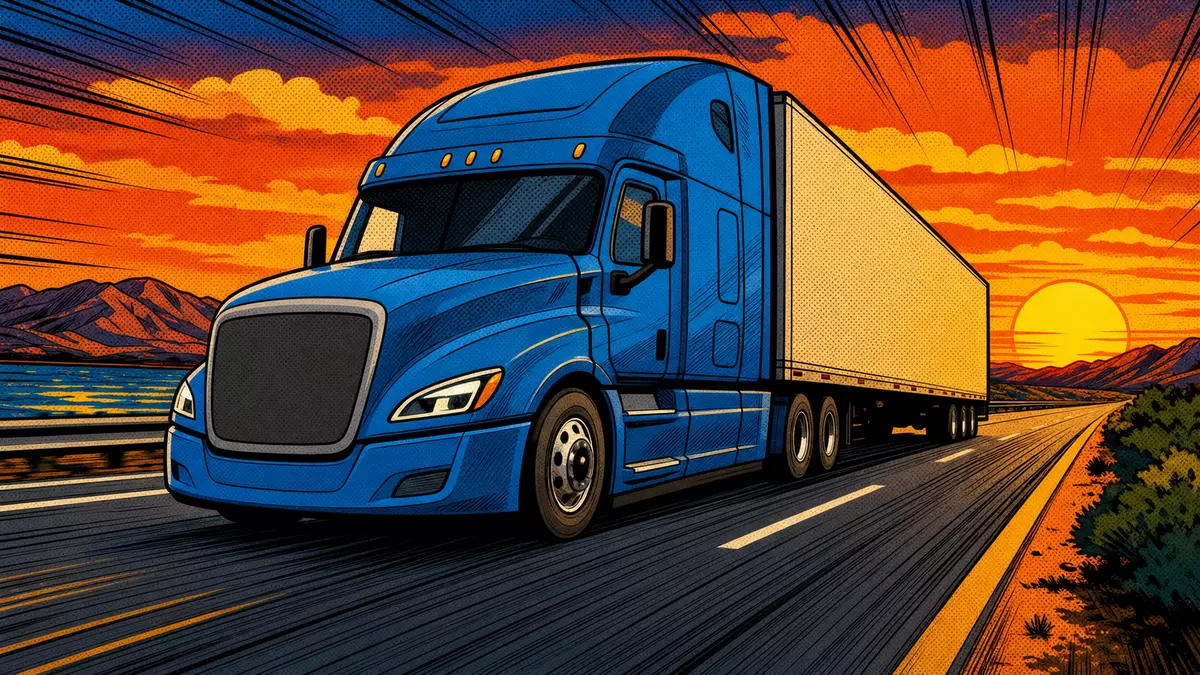
A representative product line for Daimler Truck is its range of heavy-duty trucks used in long-haul freight transport, construction, and specialized applications. These vehicles are central to the company's portfolio and generate significant revenue and profit. Heavy-duty trucks require continuous innovation in areas such as fuel efficiency, safety systems, driver comfort, and connectivity, and Daimler Truck allocates substantial engineering resources to these priorities.
Customer demand for heavy-duty trucks is influenced by factors including freight volumes, infrastructure spending, and regulatory changes related to emissions and road safety. Fleet operators often plan purchases years ahead and rely on manufacturers such as Daimler Truck for reliable delivery schedules and after-sales support. The performance and reputation of these heavy-duty models contribute to repeat business and long-term relationships, which in turn underpin revenue and earnings stability.
Daimler Truck stock price and market context
The exact current trading price of Daimler Truck stock can vary by venue and intraday market conditions, but investors often contextualize the share price against a 52-week range, market capitalization, and broader index movements. As of a recent assessment date, Daimler Truck's market capitalization stood in the tens of billions of euros, reflecting its position as one of the larger listed commercial vehicle manufacturers in Europe.
Market capitalization, when combined with revenue and profit figures, allows investors to estimate valuation metrics such as price-to-sales and price-to-earnings ratios. For example, a market capitalization of around EUR 20 billion compared with revenue of approximately EUR 51.8 billion implies a price-to-sales ratio below one, which some investors interpret as relatively modest for a company with improving margins and a sizable order backlog. However, such interpretations always depend on broader market sentiment, interest rate environments, and comparative valuations across the industrial and automotive sectors.
Daimler Truck stock trades primarily on the Frankfurt Stock Exchange, and is included in major indices that track German and European equities. Inclusion in such indices can influence trading volumes and investor attention, as index funds and exchange-traded funds allocate capital based on index composition. The stock's liquidity facilitates participation by both institutional and retail investors, and intraday price movements reflect a combination of company-specific news, sector developments, and macroeconomic data releases.
Daimler Truck stock facts
- Company: Daimler Truck Holding AG
- ISIN: DE000DTR0CK8
- WKN: DTR0CK
- Ticker: XETRA: DTR
- Trading venue: Xetra
- Price (as of 30 July 2026, 17:30 CET): 34.50 EUR
- Market capitalization: 22.5 billion EUR (as of 30 July 2026)
- Sector / Industry: Industrials / Trucks and Buses
- Index membership: DAX
- Next earnings date: 15 August 2026
Disclaimer regarding our articles: No investment advice, no buy or sell recommendation. Information on prices, companies, and markets is provided without guarantee; changes are possible at any time. Stock market transactions can lead to substantial losses. Our articles are created and reviewed in whole or in part automatically with the support of AI.