
A Dental Practice in Berlin Steglitz Where Medical and Dental Expertise Meet
Published on 04/16/2026 at 15:52 | Editorial responsibility: Rafael Müller, Editor-in-Chief AD HOC NEWS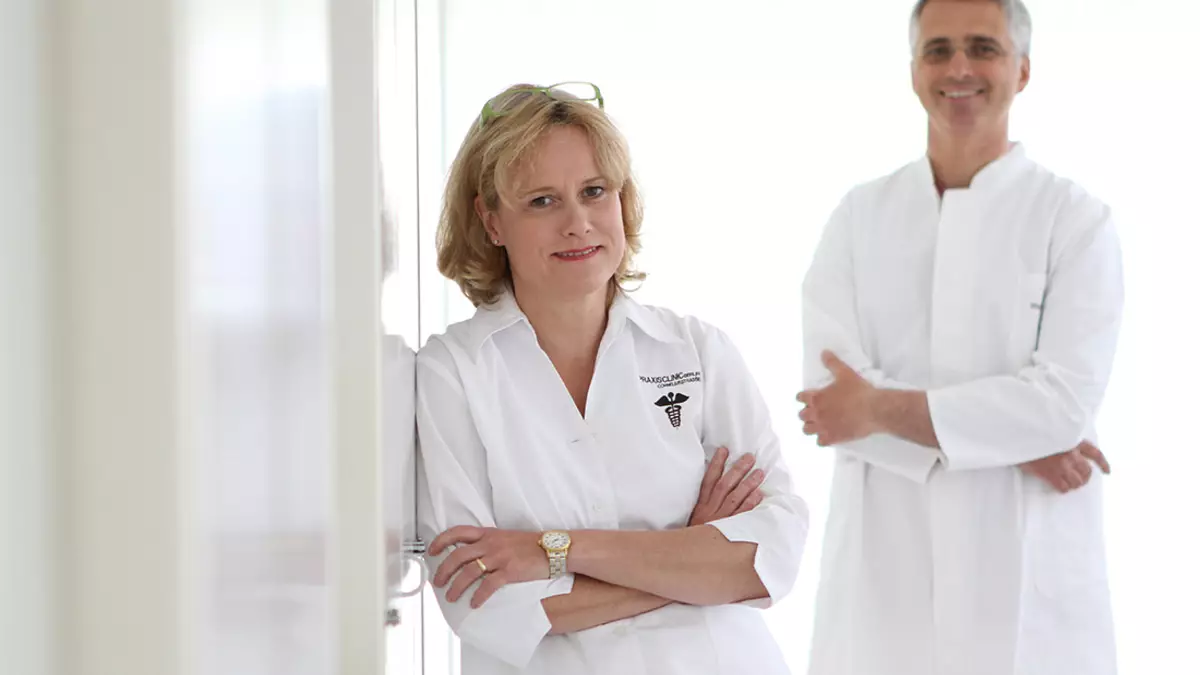
Moving to a new country comes with a long list of practical challenges: registering at the Bürgeramt, dealing with health insurance, navigating new rules and a different language. Somewhere in the middle of all this, you suddenly realize that you also need a dentist you can genuinely trust. For many expats in Berlin, the idea of finding a new dental practice triggers a familiar mix of uncertainty and dental anxiety. Will they speak English? Will they explain treatment options clearly? Do they use modern, minimally invasive techniques? And will they understand that you may be nervous not only about the treatment itself, but also about the unfamiliar German healthcare system?
In Berlin’s southwest, the district of Steglitz sits between the urban energy of Schloßstraße and the quieter, leafy neighborhoods around Zehlendorf. Hidden among classic Altbau buildings, one particular Zahnarzt-Praxis has become a trusted address for both locals and international residents: the Dental Practice in Berlin Steglitz led by Dr. med. Dr. med. dent. Djamchidi and dentist Annette Jannack. What makes this practice stand out is not only its friendly, personal atmosphere, but a unique combination of qualifications rarely found under one roof.
For patients who may already feel tense the moment they smell the familiar scent of a dental clinic, the combination of expert care, clear communication and genuine empathy can be life-changing. This practice is designed around exactly that idea: an emphasis on tooth preservation, gentle implantology and oral surgery, and an understanding that the mouth is deeply connected to the rest of the body as well as to the mind.
One of the first things that sets this Dental Practice in Berlin Steglitz apart is the extraordinary profile of its lead practitioner, Dr. Djamchidi. He holds a double approbation: he is both a fully qualified physician and ENT specialist (ear, nose, throat) and a fully trained dentist. In many countries, medicine and dentistry are strictly separated disciplines. Here, they converge in one person, creating a particularly deep understanding of the entire head and neck area.
This dual training is especially relevant for patients considering implantology, oral surgery, or more complex rehabilitations. Dental implants do not exist in isolation; they sit in bone that is connected to the maxillary sinus, the nasal cavity and the rest of the facial skeleton. When an implant is placed in the upper jaw, especially in the back region of the molars, the roots of the former teeth often lie very close to the maxillary sinus floor. Over time, if teeth are missing, the bone in this region can shrink, leaving only a thin layer of bone between the mouth and the sinus.
In such cases, procedures like a sinus lift become necessary. A sinus lift is a carefully planned oral surgery during which the maxillary sinus floor is gently elevated and bone or bone substitute material is inserted underneath. This creates enough stable bone volume to anchor an implant securely and safely. It is a delicate operation, because the sinus cavity is an air-filled space lined by a fine mucous membrane that also plays an important role in breathing, drainage and protection against infection.
Here is where the dual competence of an ENT specialist and dentist becomes a tangible advantage. As an ENT physician, Dr. Djamchidi is intimately familiar with the anatomy and function of the nasal passages, sinuses and surrounding structures. He is trained to evaluate not only whether the bone is sufficient for an implant, but also whether the sinus itself is healthy, whether there are hidden polyps or chronic inflammations that might complicate healing, and how the planned implant might interact with the entire maxillofacial region.
To explain this in simple terms: when an implant is placed near the sinus, the aim is not just to avoid puncturing the sinus accidentally. The aim is to respect the living system that surrounds the implant site. A physician with ENT expertise can assess how a sinus lift will influence sinus ventilation, how pre-existing nasal issues might affect the post-operative course, and when it may be wiser to treat sinus conditions first before proceeding with dental surgery. This integrated view significantly improves safety, reduces the risk of complications and helps ensure that implants feel and function like natural teeth for many years.
For many patients, the idea of any surgery near the sinuses can be intimidating. Here, communication is crucial. In this dental practice, explanations are given in clear, understandable English or German, so that international patients can make informed decisions. Imaging such as digital X-rays or 3D scans can be used to show the exact position of the maxillary sinus floor, the remaining bone and the planned implant site. This transparency builds trust and reduces fear: instead of imagining something vague and frightening, you see your own anatomy and understand the treatment plan step by step.
The combination of medical and dental expertise also extends beyond implantology. Conditions such as chronic sinusitis, jaw pain, headaches, snoring or breathing difficulties can sometimes be linked to dental issues like bite problems, missing teeth or poorly fitting prosthetics. Conversely, recurrent sinus infections may influence the success of dental treatments. The "double view" allows these complex interrelations to be recognized earlier and addressed more comprehensively.
When discussing modern implantology and oral surgery, safety is not only about avoiding immediate surgical complications. It is also about choosing materials with good biocompatibility, respecting the body’s healing capacity, and recognizing how systemic conditions such as diabetes, autoimmune diseases or medications affect bone regeneration. A double-trained physician-dentist is used to evaluating the whole patient—not just the teeth. This holistic approach is particularly reassuring for expats who may have pre-existing conditions and worry whether their medical history will be properly considered in a new healthcare system.
However, a truly modern dental practice is not only about replacing missing teeth with implants. It is equally, if not more, about preserving the teeth you still have. This is where dentist Annette Jannack comes in, with a specialized focus on endodontics, microscopic dentistry and aesthetic restorations.
Endodontics is the discipline that deals with the inner life of the tooth: the root canals that contain nerves and blood vessels. When deep caries, trauma or repeated dental procedures irritate the dental pulp, it can become inflamed or infected. Traditionally, many such teeth were extracted. Modern endodontics, however, allows even badly damaged teeth to be preserved for many years, often decades, when the treatment is done precisely and thoroughly.
This process, commonly known as root canal treatment, is far more sophisticated today than the horror stories many people still associate with it. Under magnification, using modern instruments and imaging, the root canals can be cleaned, disinfected and sealed with great accuracy. Microscopic dentistry allows the dentist to see fine anatomical details like additional side canals, micro-cracks or hidden infections that would otherwise remain undetected. As a result, the success rate of a well-performed root canal treatment is high, and the tooth can continue to function naturally.
The philosophy behind this is "saving the tooth before replacing it"—in German, Zahnerhalt vor Zahnersatz. Your own tooth, anchored in its natural bone and surrounded by periodontal ligaments, is a highly sophisticated biological system that no artificial material can fully replicate. When the natural root can be preserved, even if the visible crown has to be rebuilt with high-quality materials, the sensory feedback and the distribution of chewing forces remain much closer to nature.
In practical terms, this means that in this Dental Practice in Berlin Steglitz, the first question is not "Which implant shall we place?", but "Can this tooth still be preserved in a predictable and long-term stable way?" Only when the chances of successful preservation are low or when the tooth would continue to be a source of infection or instability does the team move toward replacement solutions such as implants, bridges or removable prosthetics. This conservative, preservation-oriented approach is particularly valuable for younger patients and for those who wish to avoid more extensive surgical procedures.
Aesthetic dentistry ties in seamlessly with this concept. When a tooth has undergone root canal treatment, it often needs a crown or onlay to restore its shape, strength and appearance. Using modern materials that mimic the translucency and color of natural enamel, the practice aims to create restorations that blend invisibly with the surrounding dentition. The goal is not a "Hollywood smile" in the stereotypical sense, but a harmonious, natural appearance that fits the individual face and age of the patient.
Endodontics also plays a key role in tooth preservation when old fillings leak, when previous root canal treatments have failed, or when cysts or chronic inflammations are discovered around the root tips. In such cases, retreatment or surgical endodontic procedures may be indicated. These are delicate interventions that require both technical skill and patience—qualities that define the work of Annette Jannack within this practice.
Dental anxiety is a global phenomenon, and Berlin is no exception. Many expats carry with them previous experiences from their home countries: rushed treatments, painful injections, or a sense of not being listened to. When combined with the uncertainties of a new healthcare system, these memories can lead to avoidance, which in turn allows small dental problems to become big ones.
This practice openly acknowledges that anxiety is not a weakness but a normal human response. Instead of dismissing fears, the team invites patients to talk about them. The first appointment does not have to include treatment; it can simply be a conversation, an examination and an explanation of the current situation. When people feel seen and understood, their stress levels drop—making every subsequent step easier.
For those with pronounced dental anxiety, different supportive options are available. Gentle local anesthesia techniques are standard, but for more complex procedures or particularly nervous patients, sedation or twilight sleep can be considered. In twilight sleep, also known as conscious sedation, the patient remains responsive but deeply relaxed, with reduced perception of pain and time. For many, this transforms the experience of oral surgery or extensive restorative work from something terrifying into something entirely manageable.
The practice also respects patients who are interested in complementary approaches such as homeopathy or herbal support for anxiety and healing. While such measures are not a substitute for evidence-based dentistry, they can play a meaningful role in the overall experience, especially when they help patients feel more in control and more at ease before and after treatment. Minimally invasive techniques—removing as little healthy tooth substance as possible, planning implants precisely, and favoring gentle soft-tissue handling—further reduce trauma and accelerate recovery.
Another key element in reducing anxiety is the environment itself. Housed in a classic Berlin Altbau building in Steglitz, the practice does not feel like a cold, anonymous clinic, but rather like part of the city’s architectural heritage. High ceilings, large windows and historical details contribute to a welcoming atmosphere in which conversations can develop naturally. Instead of the sterile anonymity that many fear, patients encounter a space with character—a place where the team knows your name, your story and your concerns.
It is important to address accessibility honestly. Because the practice is located in a historic Altbau, the building is not barrier-free in the modern sense. There is no elevator; stairs must be used to reach the treatment rooms. For some patients with limited mobility, this is a relevant factor that needs to be considered in advance. The team is transparent about this and can help plan visits accordingly—for example, by allowing extra time or organizing assistance when possible. On the other hand, for many, the experience of entering a classic Berlin stairwell, with its original tiles, wooden banisters and echoes of the city’s past, is part of the charm of living in Steglitz.
The location itself is well connected. Situated in Berlin’s southwest, the practice is within easy reach of Schloßstraße, one of the city’s busiest shopping streets, and not far from the green residential areas that stretch toward Zehlendorf. Public transport connections are good, and for those arriving by car, the relative ease of parking in this part of Berlin compared to the inner city is an additional benefit. For working professionals, parents with children or older patients, this combination of centrality and calm is practical and reassuring.
Many expats are unfamiliar with typical German dental structures and worry about issues such as health insurance coverage, treatment cost estimates or what is considered "medically necessary" versus "aesthetic". In this respect, having a practice team that is used to international patients and that can explain both medical and administrative aspects in English is extremely valuable. Questions about statutory versus private health insurance, about the difference between simple fillings and high-end restorations, or about reimbursement for implantology and prophylaxis can be discussed openly before any decisions are made.
To imagine what it is like to become a patient at this Dental Practice in Berlin Steglitz, it helps to walk through a typical first visit step by step. Picture yourself standing in front of a classic Berlin Altbau facade on a quiet side street in Steglitz. You ring the bell, step into the hallway and walk up the staircase with its historical details. By the time you reach the practice door, you have left the noise of Schloßstraße behind and entered a quieter, more personal space.
At reception, you are greeted in German or English—whichever feels more comfortable for you. The first administrative step is anamnesis: filling out a medical history form that covers not only your dental situation but also any general health conditions, medications, allergies, past surgeries and habits such as smoking. For expats, it can be reassuring to find that the staff are patient if certain German terms are unfamiliar, and willing to clarify everything in clear language.
Next comes the diagnostic phase. Depending on your concerns, this may involve a clinical examination of teeth and gums, digital X-rays, or, for implantology planning, three-dimensional imaging that shows the jawbone and maxillary sinus in detail. For patients seeking a second opinion—for example, to confirm the necessity of a recommended extraction, root canal or implant—this is the moment when the team evaluates existing findings and compares them with their own assessment. The concept of a second opinion is not seen as mistrust, but as a sensible step for any major health decision.
After the examination, you sit down with the dentist to discuss the findings. If your main issue is pain or acute infection, the immediate focus is on relief: perhaps an initial root canal treatment to calm an inflamed tooth, or an adjustment of a broken filling. If the situation is more complex—missing teeth, worn-down dentition, old crowns, or a long history of dental anxiety—the conversation may involve several treatment options, each with its own time frame, costs and advantages.
This is where the holistic strengths of the practice become particularly visible. If implants are being considered, Dr. Djamchidi’s ENT perspective helps clarify questions such as: Is a sinus lift needed? Is the sinus healthy enough? How much bone is available? What is the best position for the implant to ensure both function and aesthetics? If, on the other hand, the priority is to preserve a compromised tooth with endodontics, Annette Jannack can explain the step-by-step procedure, the role of microscopic dentistry, and the expected prognosis.
Treatment planning is done collaboratively. You are encouraged to express your preferences: Do you want the fastest possible solution, or do you prefer a staged, more conservative approach that maximizes tooth preservation? Are you interested in premium aesthetic materials, or are budget constraints a decisive factor? Do you feel confident undergoing treatment under local anesthesia, or would you like to explore options such as sedation or twilight sleep for specific sessions?
Once a plan is agreed upon, prophylaxis often becomes part of the foundation. Professional teeth cleaning, instruction in effective home care techniques, and regular check-ups form the preventive backbone that supports all other treatments. For expats who may have experienced different standards of dental prophylaxis in their home countries, this can be a pleasant surprise: rather than being an afterthought, prevention is seen as essential to tooth preservation and long-term oral health.
The treatments themselves are scheduled with enough time to avoid rushed procedures. Whether it is a precise root canal treatment, the placement of an implant, or a minimally invasive filling that respects as much healthy tooth substance as possible, quality is prioritized over speed. If anxiety arises during the session, the team is responsive: pauses can be taken, questions answered, and, if previously agreed upon, sedative techniques applied.
After each procedure, post-operative instructions are provided in clear language. For oral surgery, you will be informed about swelling, pain management, diet and hygiene in the healing phase. For endodontic treatments, you will learn how to protect the treated tooth before the final restoration is placed. Follow-up appointments are scheduled not only to check healing but also to adjust or finetune restorations for optimal comfort and function.
Over time, this continuity of care helps build a stable relationship of trust. What began as a search for an English-speaking dentist and a fear of the unknown German system gradually turns into a feeling of being securely looked after—both medically and personally.
Ultimately, what makes this Zahnarzt-Praxis in Berlin Steglitz a compelling choice for both locals and international residents is the way it integrates multiple forms of expertise into a single coherent concept. The double approbation of Dr. Djamchidi ensures that complex treatments in implantology and oral surgery are planned and executed with a profound understanding of both dental and ENT medicine. This is particularly reassuring in delicate areas like the maxillary sinus floor, where mistakes can have lasting consequences.
At the same time, the strong focus on endodontics and aesthetics by Annette Jannack means that tooth preservation is not just a slogan but a lived philosophy. Instead of quickly extracting and replacing, the team invests time and skill in saving what can be saved—always guided by the principle that a well-preserved natural tooth is often the best implant you can have.
The practice’s approach to dental anxiety, sedation and twilight sleep reflects a deep respect for the emotional dimension of dental care. Patients are treated as partners, not as passive recipients. Their fears are heard, their questions answered, and their individuality respected. For those who seek a second opinion, the practice offers a calm, evidence-based perspective without pressure or judgment.
The setting in a classic Altbau in Steglitz adds a distinctive Berlin flavor to the experience. While the stairs and lack of elevator mean it is not fully barrier-free, they are also part of the city’s architectural soul. Combined with the convenient location near Schloßstraße and the green corridors toward Zehlendorf, the practice is both accessible and embedded in a vibrant yet livable corner of Berlin’s southwest.
For expats, perhaps the greatest relief is the sense that they no longer have to navigate dental care alone in a foreign language. Here, the clinicians take time to explain complex topics—from the biocompatibility of implant materials to the details of root canal treatment and microscopic dentistry—in English that is precise yet easy to follow. Bureaucratic aspects of the German system, from insurance questions to treatment plans, are demystified.
Whether you have just arrived in Berlin and are looking for a long-term partner for your oral health, or you have lived in the city for years but never found a practice that truly aligns with your medical expectations and personal comfort, this Dental Practice in Berlin Steglitz offers a rare combination: high-level specialist knowledge, a clear focus on tooth preservation, and a human atmosphere grounded in empathy and trust. It is a place where the word "Zahnarzt" does not evoke fear, but confidence—and where the complex interaction between teeth, sinuses, jaw and overall health is understood in depth.
If your goal is not only to fix current problems but to invest in sustainable, anxiety-free dental care that respects both your body and your story, this is a practice well worth discovering.


