A Dental Practice in Berlin Steglitz Where Medicine and Dentistry Meet
Published on 04/14/2026 at 07:01 | Editorial responsibility: Rafael Müller, Editor-in-Chief AD HOC NEWS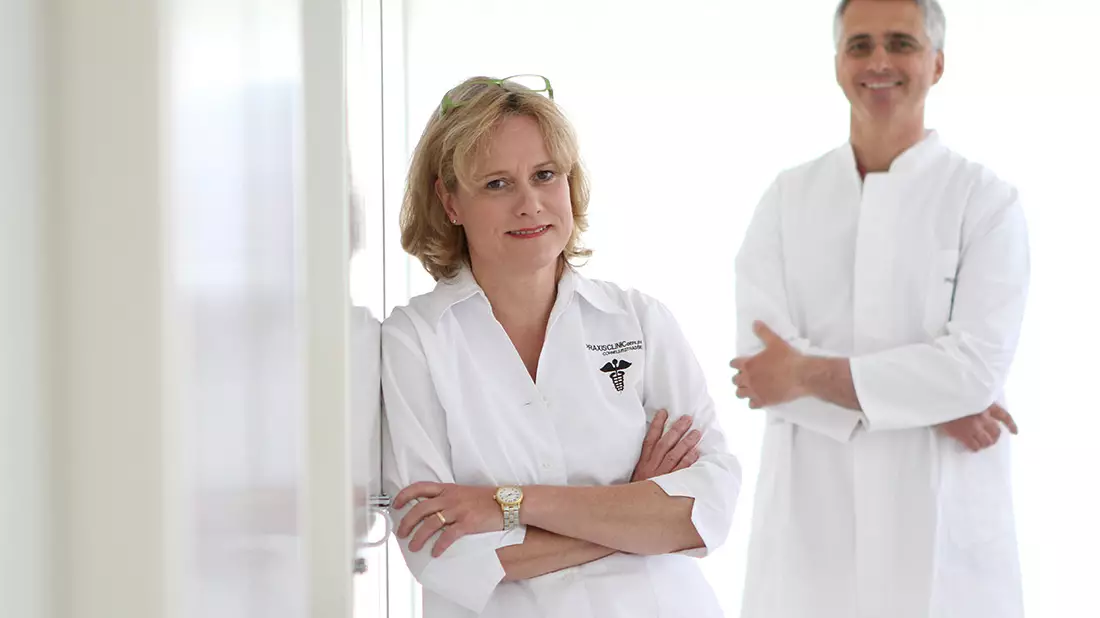
Arriving in a new country is exciting, but it also comes with a long list of practical worries. Finding a dentist you truly trust is often surprisingly high on that list. Many international residents in Berlin quickly discover that the healthcare system works differently, that insurance rules can be confusing, and that not every doctor feels comfortable speaking English in detail about complex treatments. When it comes to your teeth and your smile, these uncertainties can easily amplify existing dental anxiety.
For expats and long-term visitors, the first search for a dental practice in Berlin often starts with a simple question: where can I find an English-speaking dentist who not only understands my language, but also my expectations of quality, safety, and transparency? At the same time, many Berliners who grew up here also look for something more than a standard Zahnarzt visit. They want a personal, holistic approach, and they want to feel that their individual situation is understood in depth.
In Berlin Steglitz, close to the lively Schloßstraße and the leafy streets of Berlin Southwest, Zahnarzt-Praxis Berlin Steglitz (Dr. Djamchidi & A. Jannack) has evolved into precisely this kind of place. It is more than just a dental practice. It is a medical-dental clinic where the boundaries between general medicine, ENT medicine, oral surgery, and modern dentistry are intentionally crossed, all in the interest of safer, more predictable, and more sustainable dental care.
For international patients, one of the central strengths of this dental practice in Berlin Steglitz is clear and empathetic communication. Explanations are given step by step, in understandable English and German, with enough time for questions. The team knows that many expats fear making the wrong decision simply because they misunderstand medical terminology or insurance options. Here, the goal is to make sure you walk out of the consultation feeling informed rather than confused, and reassured rather than pressured.
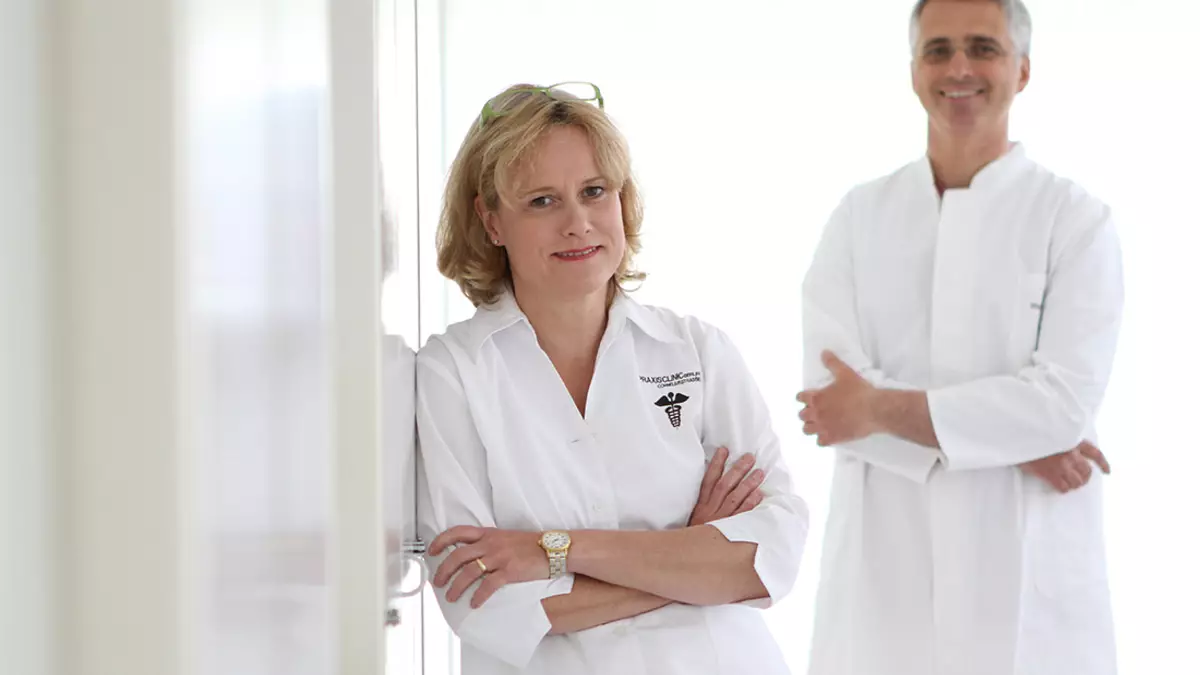
At the heart of this approach are two practitioners whose professional profiles complement each other in a way that is rare even in a large city like Berlin. On one side is Dr. Djamchidi, who holds a double approbation as both a physician and a dentist, with a background in ENT medicine and oral surgery. On the other side is dentist Annette Jannack, whose focus lies firmly on endodontics, tooth preservation, and aesthetic, minimally invasive dentistry. Together, they cover the spectrum from medical diagnosis to surgical intervention to fine, microscopically guided tooth preservation.
For many patients, especially those who have had difficult or painful dental experiences in the past, the key question is not only what will be done, but how it will be done. Will there be pain? Will I feel understood? Will someone really listen when I say I am anxious, or that I had traumatic dental care as a child? In this practice, dental anxiety is addressed not as a side issue, but as a central topic. From the first phone call to the final follow-up, the team aims to create a psychologically safe setting in which you feel in control instead of at the mercy of the treatment.
Whether you are seeking help for a dental emergency, exploring options for dental implants, or simply looking for a long-term partner for prophylaxis and check-ups, this practice offers a patient journey that is structured, medically grounded, and adaptable to your needs. The historic building in Steglitz, an Altbau typical of Berlin’s architectural character, adds a sense of place and authenticity, even though it also comes with a practical limitation: there is no elevator, and access is via stairs. For many, this is part of the classic Berlin experience; for others with mobility limitations, it is important to discuss this in advance with the practice team.
One of the truly distinctive features of Zahnarzt-Praxis Berlin Steglitz is the profile of Dr. Djamchidi. He is not “only” a dentist, but also a fully qualified physician and ENT specialist. This double approbation means that he has completed full medical training as well as full dental training, and is licensed as both. In daily practice, this translates into a much broader view of the head and neck area than a classic dentist would typically bring.
Dental implants, sinus lifts, and other oral surgery procedures are not limited to the teeth themselves. They involve the jawbone, the soft tissues, the nasal cavity, the maxillary sinus floor, and sometimes even the interaction with general health conditions such as sinusitis, allergies, or systemic diseases. An ENT physician is trained to understand nasal airflow, sinus ventilation, mucosal health, and the complex anatomy of the skull base. When such knowledge is integrated directly into implantology and oral surgery, it can significantly increase both safety and predictability.
Imagine you are missing a tooth in the upper jaw, in the area of the premolars or molars. To place a stable dental implant there, the dentist must carefully evaluate how much bone is available between the mouth and the maxillary sinus. If the bone height is insufficient, a sinus floor elevation (often called a sinus lift) may be required. This is a delicate procedure: the thin membrane that lines the sinus must be preserved; otherwise, complications such as perforation, infection, or chronic sinus irritation may occur. A practitioner with ENT training is particularly comfortable with the sinus anatomy, accustomed to working in this area from the perspective of nasal and sinus surgery.
In addition to the physical anatomy, general health plays an important role in oral surgery and implantology. Conditions such as diabetes, autoimmune diseases, certain medications, and even anatomical variations in the nasal passages can influence healing after implant placement or sinus augmentation. A physician-dentist like Dr. Djamchidi can interpret lab values, medications, and medical histories with a depth that goes beyond standard dental anamnesis. He can coordinate with your general practitioner or specialist, assess biocompatibility questions regarding implant materials, and determine whether additional imaging or ENT diagnostics are needed before surgery.
This holistic medical perspective is particularly relevant for expats who may have complex medical backgrounds, or who simply feel safer knowing that a doctor is overseeing their care from a whole-body point of view. If you come from a healthcare culture where you are used to seeing multiple specialists for a combined treatment plan, the idea that your implantologist also thinks like an ENT and a physician can be deeply reassuring. It means that topics like chronic sinus problems, allergies, or recurrent infections are not treated as unrelated side issues, but are part of the same diagnostic picture.
In practical terms, the double approbation allows for a more integrated workflow in the practice. Diagnostic steps such as clinical examination of the nose and throat, evaluation of breathing, assessment of sinus-related symptoms, and interpretation of imaging can all be done under one roof. This is particularly valuable for procedures like sinus lifts, bone augmentation, and complex extractions, where the risk of complications relates closely to the condition of the maxillary sinus and surrounding structures.
From a safety perspective, this synergy between ENT medicine and dentistry supports minimally invasive planning. By understanding the exact boundaries of the maxillary sinus floor, and by taking into account pre-existing sinus disease or anatomical variants, the practitioner can choose the gentlest possible surgical approach. In some cases, this may allow avoidance of a sinus lift altogether; in others, it ensures that the sinus elevation is carried out with maximal respect for the delicate mucosa and local structures.
For patients, the result of this comprehensive approach is an experience of oral surgery and implantology that feels more transparent and less frightening. You can ask not only tooth-related questions, but also questions about breathing, chronic nasal congestion, or previous sinus infections, and know that your practitioner is qualified to address them. When you receive a second opinion on an implant plan, you are not only comparing treatment prices or brands, but also gaining a deeper understanding of how your overall health interacts with the proposed procedure.
While implantology and oral surgery are crucial for replacing missing teeth and rebuilding function, the ideal scenario is always to keep your natural teeth as long as possible. This is where the expertise of dentist Annette Jannack comes into focus. Her dedication to endodontics and microscopic dentistry reflects a philosophy that is central to high-quality modern dental care: tooth preservation before tooth replacement, or as it is known in German, Zahnerhalt vor Zahnersatz.
Endodontics is the field of dentistry concerned with the inside of the tooth: the dental pulp, root canals, and surrounding tissues. When deep caries, trauma, or cracks allow bacteria to reach the pulp, inflammation and infection can develop. Historically, such teeth were often extracted. Today, with precise root canal treatment, many of these teeth can be saved and kept functional for years or even decades. This requires meticulous technique, modern technology, and a strong commitment to detail.
In this practice, root canal treatment is not seen as a last-minute rescue, but as an advanced, highly technical procedure that deserves time and attention. Using tools such as magnification, microscopic dentistry, and flexible nickel-titanium files, complex root canal systems can be cleaned, shaped, and filled with far greater precision than in the past. The goal is to remove infected tissue and bacteria, disinfect the canals, and seal them densely to prevent re-infection.
For patients, this often means the difference between losing a tooth and keeping their natural dentition intact. A well-executed root canal can serve as the foundation for a later crown or onlay, restoring not only function but also aesthetics. This conservative approach supports the long-term stability of your bite and jaw joint, and it avoids the need for more extensive interventions such as bridges or implants whenever possible.
Endodontic treatment also has a significant impact on overall health. Chronic dental infections can burden the immune system and may contribute to systemic inflammation. By thoroughly resolving such infections within the tooth, endodontic therapy reduces this burden and supports general well-being. This is especially relevant for patients with heart conditions, diabetes, autoimmune diseases, or a tendency toward chronic inflammation, where every source of infection matters.
Beyond endodontics, Annette Jannack brings a strong focus on aesthetics and minimally invasive restorative dentistry. Once a tooth has been stabilized internally, it can often be rebuilt using adhesive techniques that preserve as much sound tooth substance as possible. Instead of aggressive tooth reduction, modern materials and bonding methods allow for subtle reconstructions that look natural and are kind to the remaining tooth structure. This aligns closely with a biocompatibility-oriented approach: fewer invasive steps, more preservation, and materials chosen with care.
For patients who have experienced a patchwork of dental work in the past, this can be a refreshing change. Rather than being rushed from filling to extraction to implant, you are offered a coherent plan that aims to safeguard what you already have. When a tooth truly cannot be saved, the transition to implantology or other tooth replacement is seamless, because the surgical and prosthetic expertise is already present in-house. But the primary question is always: can we keep this tooth safely and predictably, using advanced endodontics and restorative methods?
Dental anxiety is surprisingly common, affecting both locals and international residents. For many, it is not just about the fear of pain, but also the fear of losing control, being judged, or not being fully understood in another language. This practice openly acknowledges these fears and builds its processes around reducing them.
From the moment you enter, the atmosphere is designed to feel more like a calm medical lounge than a cold clinic. The team takes time for a thorough conversation before any instrument is picked up. You are encouraged to talk about previous experiences, traumas, or specific triggers that make dental care difficult for you. For many expats, the simple fact that they can explain these feelings accurately in English is already a huge relief.
On the technical side, the practice emphasizes gentle, minimally invasive techniques wherever possible. Local anesthesia is applied carefully, and numbing is checked before treatment begins. For patients with significant dental anxiety or for more extensive procedures such as oral surgery or multiple extractions, options like sedation or twilight sleep can be discussed. These methods allow you to remain consciously cooperatively, but in a deeply relaxed state, or in some cases to remember very little of the procedure afterward.
In some cases, complementary approaches like supportive homeopathic remedies or calming rituals may be offered, always in addition to, not instead of, evidence-based dentistry. The psychological aspect is taken seriously: small pauses during treatment, clear announcements of each step, and the possibility to agree on a “stop signal” create a sense of safety. You are never expected to simply endure; instead, treatment is a cooperative process that respects your boundaries.
Importantly, the practice recognizes that anxiety does not disappear after one visit. Building trust is a gradual journey. For some patients, the first appointment may consist mainly of a conversation, a gentle examination, and perhaps a very small procedure successfully completed without distress. This positive experience then becomes the foundation for tackling larger treatments later, such as root canal treatment, comprehensive prophylaxis sessions, or implant placement.
The location of the practice is one of its strengths for both Berliners and expats. Situated in Berlin Steglitz, not far from the main shopping axis of Schloßstraße and the green residential districts leading toward Zehlendorf, it is easily accessible from many parts of Berlin Southwest. Public transport connections in Steglitz are excellent, with bus, U-Bahn, and S-Bahn links bringing patients from across the city.
The practice is housed in a classic Berlin Altbau, the kind of historic building that gives Steglitz its characteristic charm. High ceilings, original architectural details, and the surrounding streets lined with mature trees create a feeling of traditional Berlin that many residents cherish. For patients arriving from more modern, glass-and-steel healthcare complexes, this environment often feels warmer and more human in scale.
However, authenticity has a practical side: like many historic buildings, this Altbau does not have an elevator, and access to the practice involves climbing stairs. The practice is not fully barrier-free. For most patients, this is manageable and simply part of the everyday Berlin experience of living and working in older architecture. For those with significant mobility impairments, it is important to know this in advance and to discuss possible solutions or alternatives with the practice team.
On the positive side, the Steglitz location offers good options for car access and parking compared with some inner-city districts. Many patients appreciate being able to combine their appointment with other errands along Schloßstraße or a walk through the quieter residential streets toward Zehlendorf. For international patients, the neighborhood often feels reassuringly “lived-in” and local, yet still well-connected to the rest of the city.
For patients who are used to different healthcare systems, it can be helpful to understand what a typical first visit to this dental practice in Berlin Steglitz looks like. While each situation is individual, there is a general structure designed to ensure you feel oriented and involved from the beginning.
Before your appointment, you will usually be asked to provide basic information about your medical and dental history. This may include a questionnaire about medications, allergies, previous surgeries, chronic conditions, and any current symptoms. If you have previous X-rays or reports from other dentists, bringing them along can be very useful, especially if you are seeking a second opinion about implants, root canal treatment, or oral surgery.
On arrival, you are welcomed and guided through any necessary administrative steps. For expats, the team can help clarify what documents your health insurance may require and how billing typically works in Germany. Whether you are insured under the statutory system, hold private insurance, or are from another country entirely, transparency about costs and reimbursement is an important part of trust-building.
The first clinical step is usually a detailed anamnesis and examination. You sit down with your dentist in a calm setting to talk about your main concerns: Are you coming because of pain, a broken filling, missing teeth, a dissatisfaction with your smile, or simply the desire for a long-term prophylaxis plan? Do you have time constraints because you travel a lot, or insurance deadlines that need to be respected? Are you anxious or wary due to past experiences?
After this conversation, a clinical examination of your teeth, gums, bite, and oral mucosa is carried out. Depending on the situation, X-rays or other imaging may be required. If implantology or sinus-related procedures are being considered, the evaluation will also include the maxillary sinus floor and the relationship between your roots and the sinus cavity. Here the ENT and physician expertise of Dr. Djamchidi often comes into play, especially in complex anatomical or medical constellations.
Once the diagnostic picture is complete, the practitioner will present you with a clear explanation of your situation. You may be shown images or diagrams to help you understand the anatomy of your problem, such as a deep carious lesion close to the pulp, a failing root canal, bone loss around a tooth, or an area where bone augmentation would be needed for an implant. If endodontic treatment is recommended, you will learn what the steps are, how many sessions might be required, and what the success probabilities and alternatives are. If oral surgery or implants are discussed, you will be informed about minimally invasive options, possible use of sedation or twilight sleep, and the expected healing times.
Importantly, this is not a one-sided lecture but a dialogue. You are encouraged to ask questions and to express preferences. Some patients prefer a staged approach: first resolving acute pain or infection with root canal treatment or extractions, then moving on to aesthetic reconstruction or implantology later. Others may want to combine treatments for efficiency, particularly if they have time-limited stays in Berlin. The practice will work with you to create a tailored plan that respects both medical criteria and your life context.
In many cases, a first visit will end with either a smaller initial treatment (for example, cleaning and filling, or beginning a root canal) or with a scheduled date for a more extensive procedure once all details are clarified. You leave with a clear written or verbal summary of what has been decided, what it will cost, and what the timeline looks like. For expats, this clarity helps bridge the differences between healthcare cultures and reduces the fear of hidden surprises.
The long-term relationship with the practice is built not only on major treatments, but also on consistent prevention. Prophylaxis appointments are used not just to clean and polish the teeth, but to monitor the stability of previous root canals, crowns, implants, and fillings, and to adjust care as your life circumstances change. Whether your goal is to prevent future problems, maintain the results of a complex reconstruction, or simply keep your smile bright, the emphasis is on partnership and continuity.
When you step back and look at the overall picture, it becomes clear why Zahnarzt-Praxis Berlin Steglitz has become a trusted address for both locals and international residents in Berlin Southwest. The combination of a double approbation physician-dentist with ENT expertise and a preservation-oriented endodontic and aesthetic specialist creates a continuum of care that is unusually broad and deep. From the maxillary sinus floor to the tip of the root canal, from oral surgery to microscopic dentistry, the full anatomical and medical context of your mouth is taken into account.
For expats, the presence of an English-speaking dentist and team who are familiar with international expectations and concerns makes the practice feel accessible and reassuring. The willingness to provide second opinions, to explain treatment options transparently, and to consider biocompatibility questions and systemic health factors contributes to a high level of trust. Dental anxiety is not dismissed or minimized, but approached with empathy, options like sedation or twilight sleep, and a stepwise, minimally invasive philosophy.
The Steglitz location, with its classic Altbau building, situates the practice firmly in the authentic fabric of Berlin. The stairs are part of that reality and are communicated honestly, while the central position between Schloßstraße and the greener paths toward Zehlendorf offers convenience and a pleasant neighborhood atmosphere. For many, visiting the practice becomes part of their everyday life in Berlin, rather than an anonymous medical errand.
Ultimately, what distinguishes this dental practice is not only its advanced technology or its impressive qualifications, but its coherent, human-centered approach. It is a place where saving teeth is prioritized over replacing them, where implants are planned with the full knowledge of ENT medicine, where oral surgery is integrated with general health, and where patients—whether born in Berlin or newly arrived from abroad—are met as partners in their own care.
If you are looking for a dental home in Berlin that combines medical depth, surgical skill, endodontic excellence, and a warm, multilingual atmosphere, Zahnarzt-Praxis Berlin Steglitz (Dr. Djamchidi & A. Jannack) offers a convincing answer. Here, your questions are welcome, your fears are taken seriously, and your long-term oral health is the guiding compass for every decision made together.
Disclaimer regarding our articles: No investment advice, no buy or sell recommendation. Information on prices, companies, and markets is provided without guarantee; changes are possible at any time. Stock market transactions can lead to substantial losses. Our articles are created and reviewed in whole or in part automatically with the support of AI.