A Dental Practice in Berlin Steglitz Where Medicine and Dentistry Meet
Published on 04/24/2026 at 07:01 | Editorial responsibility: Rafael Müller, Editor-in-Chief AD HOC NEWS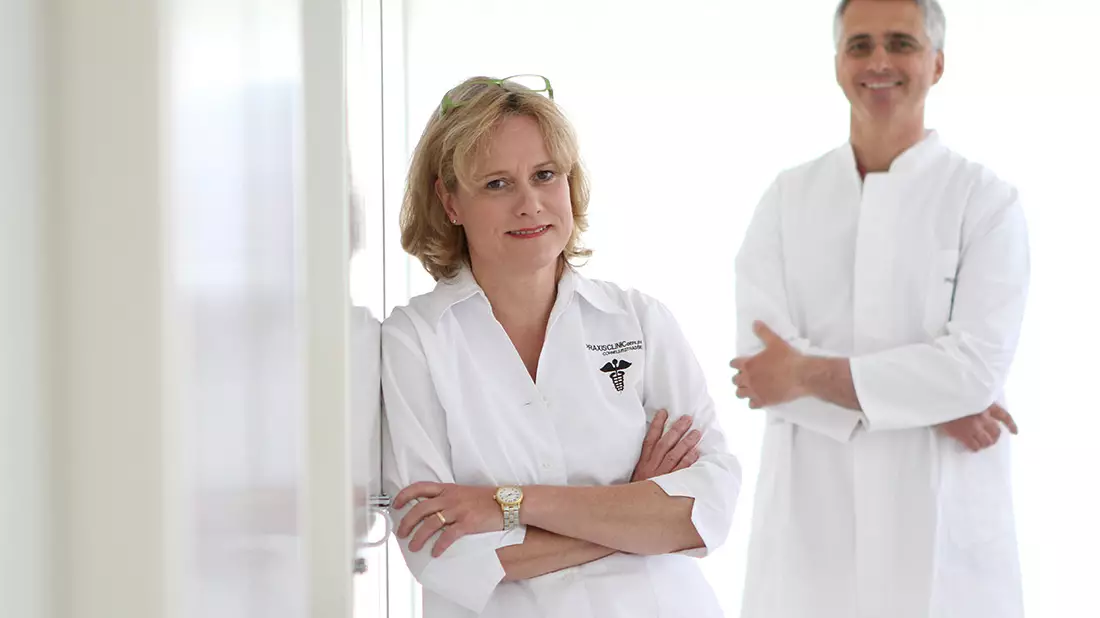
Moving to a new country comes with a long checklist: Anmeldung, health insurance, bank accounts, maybe learning enough German to survive the weekly shop. Dental care often ends up at the bottom of that list, quietly postponed until a toothache or broken filling forces you to search for help in a system that still feels unfamiliar.
For many international residents in Berlin, visiting a dentist can be stressful for several reasons at once. There is the universal fear of pain and the sound of the drill, but also the added challenge of explaining complex medical histories in a foreign language, understanding insurance rules, and feeling confident that recommendations are medically sound and not unnecessarily aggressive.
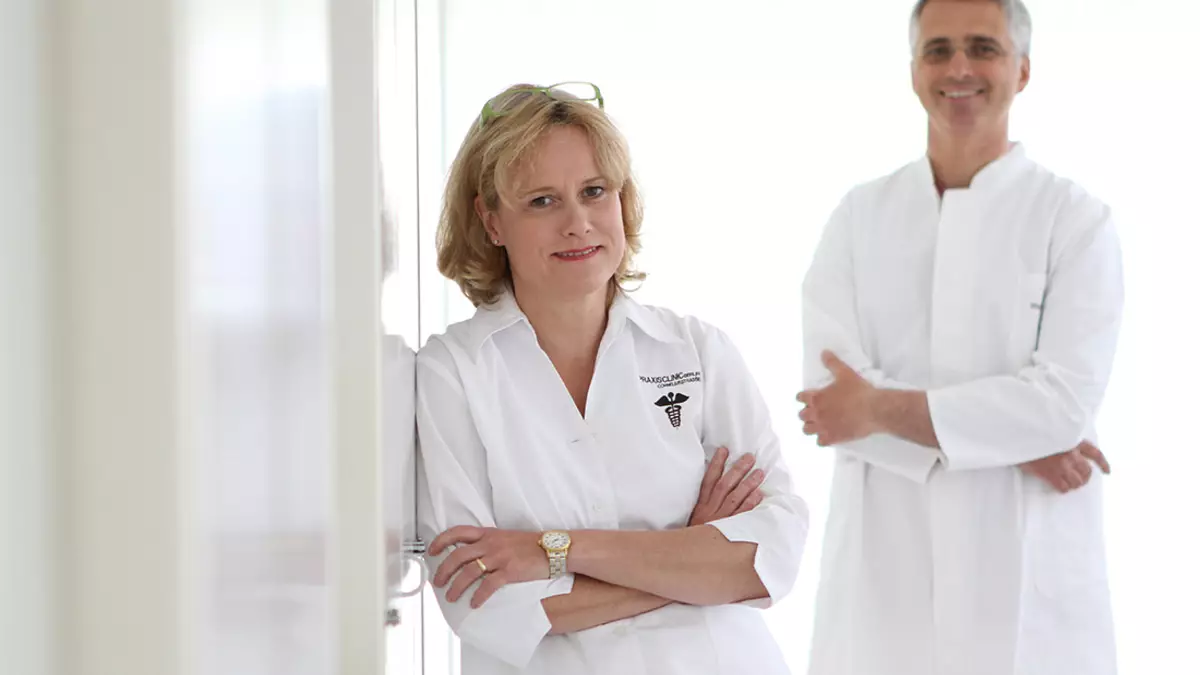
In this context, a Dental Practice in Berlin Steglitz that combines deep medical expertise, clear communication in English, and a strong focus on both tooth preservation and aesthetics can make all the difference. Zahnarzt-Praxis Berlin Steglitz (Dr. Djamchidi & A. Jannack) offers something genuinely rare: a double approbation, where one of the practitioners is both a fully trained physician and ENT specialist as well as a dentist. For patients who worry about safety in implantology, oral surgery, and sinus-related procedures, this dual perspective can be a powerful source of reassurance.
This practice is located in classic Berlin Altbau architecture in Steglitz, close to Schloßstraße and well connected to Berlin Southwest and nearby Zehlendorf. It may not be barrier-free due to historic stairs and the absence of an elevator, but it offers an authentic local feel and a setting that many Berliners deeply associate with the city’s charm.
Understanding why this particular Berlin Zahnarzt team stands out requires going a little deeper into modern implantology, sinus anatomy, root canal treatment, and the philosophy of preserving your own teeth as long as possible. It also means looking honestly at dental anxiety, and how empathy and sedation options can transform the experience for nervous patients, whether they are local Berliners or newly arrived expats still finding their way around the German healthcare system.
The Expat Perspective: Why Finding the Right Dental Practice Matters So Much
Expats in Berlin often describe a similar pattern when it comes to healthcare. They delay preventive appointments because they are unsure how their insurance works, or they are worried that their German is not good enough to understand a treatment plan. They might have had excellent, trusted dentists in their home country, and the idea of starting again from zero can feel intimidating.
Dentistry is particularly sensitive because it combines vulnerability, physical closeness, and often childhood memories of discomfort or fear. Many people carry long-standing dental anxiety, sometimes linked to previous traumatic treatments or a sense of losing control in the chair. Add to that the stress of navigating a different medical culture, and you have a strong reason why many international residents wait until there is an emergency.
This delay has consequences. Problems that could have been solved with simple prophylaxis or a small filling can develop into more complex situations requiring root canal treatment or even oral surgery. That is why an English-speaking dentist who is used to working with international patients, explaining each step calmly and transparently, is not a luxury but a key factor in maintaining long-term oral health.
Zahnarzt-Praxis Berlin Steglitz explicitly welcomes this group of patients. The team understands that clear communication, enough time for questions, and a respectful, non-judgmental atmosphere can be as important as the technical quality of a crown or implant. Their ambition is to create a place where you feel looked after not just as a set of teeth, but as a whole person.
The Power of Double Approbation: Why a Physician-ENT and Dentist is So Valuable for Implantology
At the heart of this dental practice stands the unique qualification of Dr. Djamchidi, who holds a double approbation as both a physician and an ENT specialist as well as a fully trained dentist. For patients, especially those considering implants, this combination offers a rare level of safety and holistic assessment.
Implantology is more than simply placing a screw into the bone and attaching a crown. It is a complex field that sits at the intersection of oral surgery, bone biology, sinus anatomy, and systemic medicine. The jawbone does not exist separately from the rest of the body, and the upper jaw in particular is closely related to the maxillary sinus. Understanding this area in detail is crucial for safe, long-lasting implant solutions.
In the region above the roots of the upper premolars and molars lies the maxillary sinus floor, a thin bony barrier separating the oral cavity from the air-filled sinus spaces. When teeth are lost in this region, the bone can resorb over time, leaving only a very thin layer between the mouth and the sinus. For solid, stable implants, however, a certain height and volume of bone are needed to achieve long-term stability.
This is where procedures like the sinus lift come into play. During a sinus lift, the sinus membrane is gently elevated, and bone graft material is placed underneath to increase bone height. If done well, this creates a secure base for implants. But working so close to the sinus requires not only surgical skill but also a detailed understanding of ENT anatomy, sinus function, ventilation, and the potential impact on overall health.
Because of his background in ENT medicine and general medicine, Dr. Djamchidi can evaluate the maxillary sinus and its relation to planned implants with a particularly trained eye. He understands how chronic sinusitis, anatomical variations, or previous ENT operations can influence the treatment plan. He can better foresee and prevent complications such as sinus membrane perforation, chronic irritation, or communication between oral cavity and sinus.
For example, before planning an implant in the upper jaw, he may recommend specific imaging, evaluate the thickness of the maxillary sinus floor, and assess the overall health of the sinus. If there are pre-existing ENT issues, they can be taken into account early. This is especially comforting for patients who already have a history of sinus problems, allergies, or breathing difficulties.
In addition to implantology, his physician training supports a holistic view on oral surgery in general. The interaction between systemic diseases (such as diabetes, cardiovascular disease, autoimmune conditions) and wound healing in the mouth is well documented. A medically trained dentist like Dr. Djamchidi can adjust treatment strategies, anaesthesia, and aftercare in light of your complete health profile. This is particularly valuable for older patients, those on multiple medications, or anyone with a complex medical history who may feel uncertain about undergoing oral surgery in a dental practice.
Even questions of biocompatibility benefit from this double perspective. The choice of implant materials, bone substitutes, and medications should always respect the individual patient’s immune system, allergies, and long-term health. Having both medical and dental expertise in one person helps to navigate this complexity and to give you an informed second opinion if you are unsure about a previously suggested treatment plan elsewhere.
From ENT to Everyday Dentistry: The Practical Benefits for Patients
The synergy between ENT medicine and dentistry does not only show in complex procedures. It influences daily practice as well. Many chronic complaints in the head and neck region overlap: jaw pain, temporomandibular joint issues, tension headaches, snoring, breathing problems, or recurring ear discomfort can be related to bite issues, clenching, or airway anatomy.
Because he understands these interfaces deeply, Dr. Djamchidi can look at such complaints from two angles. Instead of treating a toothache in isolation, he may also consider whether there is jaw joint overload, muscular imbalance, or sinus pressure contributing to the pain. This approach can prevent unnecessary extractions and support long-term functional harmony.
For expats who may already have seen different specialists in their home countries without a clear answer, this double view can finally bring clarity. It is a comfort to know that your dentist can also think like a physician when analysing complex symptoms.
Annette Jannack: The Preservationist Focused on Endodontics and Aesthetics
While implantology and oral surgery are crucial when teeth are missing or irreparably damaged, modern dentistry is increasingly guided by a simple but powerful principle: saving the natural tooth whenever reasonably possible. In German, this philosophy is captured by the phrase "Zahnerhalt vor Zahnersatz" – tooth preservation before tooth replacement. This idea is at the core of the work of Annette Jannack.
Her special areas are endodontics (root canal treatment) and aesthetic dentistry. Endodontics may sound technical, but it is essentially the art and science of rescuing compromised teeth from extraction. When deep decay or trauma reaches the pulp – the soft inner tissue with nerves and blood vessels – intense pain and infection can follow. In the past, such teeth were often removed. Today, with modern methods, many can be retained for years or decades.
In a contemporary approach to endodontics, the goal is to clean and disinfect the root canal system as thoroughly as possible, then seal it tightly to prevent bacteria from re-entering. This is not a simple task. The root canal system is complex and often very fine. That is why microscopic dentistry has become so important. Under magnification, structures become visible that would otherwise be missed: additional canals, hidden curves, micro-cracks, or old filling materials that need to be removed with precision.
By using advanced techniques and, where appropriate, magnification, practitioners like Annette Jannack can reach a new level of accuracy. This translates into better long-term success rates and fewer complications such as persistent infection or the need for repeated treatment. For patients, this means a real chance to keep their own tooth instead of needing an implant or bridge.
Root canal treatment also interacts with the concept of biocompatibility. The materials used to fill and seal the canals, as well as the final restoration (for example, a crown), should be well-tolerated and durable. A carefully restored tooth can then continue to function like a natural pillar in your bite, supporting chewing, protecting jawbone, and stabilizing the neighboring teeth.
Beyond the technical aspects, Annette Jannack’s work in aesthetics reflects the emotional side of dentistry. A beautiful, harmonious smile has a strong impact on self-confidence, especially when starting a new chapter of life abroad. Small corrections, high-quality fillings matching the tooth shade, ceramic inlays or crowns, and minimally invasive veneers can gently improve the appearance without unnecessarily sacrificing healthy structure.
Her attitude mirrors a key value of the entire practice: aesthetics must never be achieved at the cost of long-term tooth health. The best cosmetic result is always the one that respects the biology of the tooth, the dynamics of the bite, and the patient’s overall oral health.
Tooth Preservation Before Replacement: Why It Matters So Much
It can be tempting to think that modern implants or prosthetics are a simple, superior replacement for compromised natural teeth. But even the best artificial solution cannot fully reproduce the complexity of the original tooth-root-bone system. Natural roots provide nuanced feedback when chewing, maintain bone through slight physiological movements, and are integrated into your body in a unique way.
Every time a tooth is removed, the bone in that region tends to resorb over time. Adjacent teeth can shift, the bite can change, and the temporomandibular joints may adapt with tension. High-quality implantology can compensate for much of this, but the most conservative, body-friendly strategy is always to preserve what you already have, as long as it is medically wise.
That is why this practice invests so much in endodontics and careful diagnostics. A tooth that appears hopeless at first glance may still be salvageable with a well-planned root canal treatment, a build-up, and a protective crown. This not only saves costs in the long run but also avoids additional interventions in bone and soft tissue.
At the same time, the team remains realistic. Tooth preservation is not a dogma. If a tooth is structurally too weak, if repeated infection has damaged surrounding bone, or if the prognosis is poor, they will explain openly when extraction and implantology might be the more stable path. The key is that the decision is based on transparent, medically grounded reasoning – not on a one-size-fits-all philosophy.
Anxiety-Free Dentistry: How Empathy, Sedation, and Clear Structure Help
Dental anxiety is common across cultures. Some patients feel uncomfortable as soon as they smell the typical dental clinic scent; others are triggered by the sound of instruments or bad experiences from childhood. As an expat, anxiety can be amplified by fear of not understanding the language or of not being taken seriously.
This practice in Berlin Steglitz consciously addresses dental anxiety. From the first phone call or email, the team encourages you to express your fears openly. You are not expected to "be brave" or to hide your nervousness. Instead, the concept is to create a warm atmosphere where your reactions are normalised and where there is a clear plan to keep you comfortable.
For many patients, the first step is simply time. Enough time during the initial consultation to talk through your history, your worries, and your expectations. Understanding exactly what will happen, in which sequence, and why, can significantly reduce anxiety. The team is experienced in explaining procedures such as root canal treatment, oral surgery, or implant placement in calm, understandable English, step by step.
Beyond communication, there are also medical options to ease tension. Depending on your health status and the complexity of the procedure, the practice can offer various forms of sedation, sometimes referred to as twilight sleep. This form of conscious sedation allows you to stay responsive and able to breathe on your own, but significantly more relaxed and detached from the treatment situation. For more minor interventions, gentle pre-medication or calming techniques can already make a big difference.
For patients who prefer a more natural support, complementary approaches such as homeopathic remedies or gentle relaxation strategies can be integrated, always respecting individual preferences and safety. The overarching aim is to combine minimally invasive techniques with psychological and, when suitable, pharmacological support so that even nervous patients can undergo necessary treatments without feeling overwhelmed.
Many people also appreciate the option of a second opinion in a low-pressure environment. If you have received a complex treatment plan elsewhere and feel unsure, being able to sit down with a practitioner who explains the pros and cons – in English, with empathy – can be profoundly reassuring.
Prophylaxis and Tooth Preservation as a Long-Term Strategy
While the practice is well equipped for complex implantology and endodontics, it places just as much emphasis on prophylaxis – preventive care designed to stop problems before they start. Professional dental cleaning, early detection of gum disease, and guidance on home care may seem routine, but they are the foundation that keeps larger interventions from becoming necessary too often.
In regular prophylaxis appointments, the team monitors the health of your gums, checks for early caries, and evaluates risk factors like dry mouth, smoking, or misaligned teeth that trap plaque. For expats who may not yet be familiar with the timing of check-ups and cleanings under the German system, the practice can help structure a realistic, sustainable schedule and explain what is typically covered by statutory or private insurance.
Tooth preservation also means taking the time to adjust fillings and restorations precisely so that the bite remains balanced. Even small interferences can cause long-term tension or wear. By approaching every treatment with an eye for function, not only for appearance, the practice supports long-term stability and comfort.
Location, Altbau Charm, and Accessibility
The practice is situated in Berlin-Steglitz, in the southwest of the city, not far from the lively Schloßstraße with its shops, cafes, and transport links. For many residents of Berlin Southwest and neighboring Zehlendorf, this location is particularly convenient, whether you arrive by car or public transport.
The building itself is a classic Berlin Altbau, with historic charm, high ceilings, and the particular atmosphere that many people love about this city. However, this also means that the property is not barrier-free. There is no elevator, and patients must be able to manage stairs to reach the practice rooms.
For some, this can be reframed as part of the authentic Berlin experience: climbing the stairs of a traditional Steglitz building, stepping into a bright, welcoming practice that combines old-world architecture with state-of-the-art dental equipment. For others, especially those with limited mobility, this is an important practical detail to know in advance. The team is transparent about this constraint and can advise whether the physical access is appropriate for your individual situation.
On the positive side, the area offers decent parking options compared to more central districts, and the connection to bus and U-Bahn lines serving Schloßstraße makes the journey manageable from many parts of the city. Being slightly away from the tourist hotspots, the atmosphere is more local and calm, which fits well with a healthcare environment focused on personal relationships and continuity of care.
Your First Visit: A Patient Journey from Anamnesis to Treatment Plan
To help you imagine what it feels like to become a patient here, consider the following scenario of a first appointment.
You have been postponing dental visits since arriving in Berlin. A sensitive tooth on the upper left side has been bothering you for months, and you are worried it might be something serious. You find the practice online, reassured by the information about English-speaking care, implantology expertise, and a strong focus on tooth preservation.
When you enter the Altbau staircase in Steglitz, you notice the characteristic tiled floors and wooden banisters – a typical scene in many Berlin apartment buildings. After climbing the stairs, you step into a bright, modern practice interior. At the reception, you are greeted in German or English, depending on your preference. The team hands you an anamnesis form that covers not only dental issues but also your general health, medications, allergies, and previous ENT or sinus problems – reflecting the double medical and dental outlook.
During the initial consultation, your dentist takes time to listen: when did the sensitivity start, what triggers it, have you had previous root canal treatments, do you suffer from sinus pressure or headaches? X-rays or 3D imaging may be recommended to evaluate the tooth and its relation to the maxillary sinus floor in detail, especially if implants might be a future option.
If the diagnostics show that the tooth can be saved with endodontics, this will be explained to you step by step: how the root canal treatment will work, which instruments and materials will be used, how many sessions might be required, and what the prognosis is. You can ask questions in English without feeling rushed. The dentist might also discuss aesthetic aspects, such as whether a crown will be needed for long-term stability and how it will match your other teeth.
If, on the other hand, the tooth is too damaged and extraction seems unavoidable, the conversation will shift calmly towards options for replacement. Because of the strong implantology background, you will receive a clear explanation of how bone quality, sinus anatomy, and your overall health influence the selection and timing of implant treatment. If a sinus lift or other oral surgery is relevant, the ENT-driven perspective will be part of the planning from the start.
Throughout this process, your anxiety is taken seriously. You are invited to express what kind of support you might need: more detailed explanations, breaks during procedures, or possibly sedation for surgical steps. You leave not with a sense of panic, but with a structured, transparent plan for the coming weeks or months.
Why This Dental Practice in Berlin Steglitz is a Strong Choice for Expats and Locals
When comparing options for a Zahnarzt in Berlin, especially in the Steglitz and Zehlendorf area, it helps to look beyond the surface and ask key questions: How well does the team understand complex medical conditions? Is there real expertise in implantology and oral surgery, including areas like the maxillary sinus floor? Is there a serious commitment to tooth preservation and high-level endodontics? How are anxious patients treated – with impatience or with genuine empathy?
Zahnarzt-Praxis Berlin Steglitz (Dr. Djamchidi & A. Jannack) stands out because it can answer all of these questions convincingly. The double approbation of Dr. Djamchidi brings together ENT, medicine, and dentistry in a way that significantly increases safety and foresight in surgical and implant treatments. The focus of Annette Jannack on endodontics, microscopic precision, and aesthetics ensures that teeth are preserved whenever reasonably possible and that any restorations fit beautifully and functionally into your smile.
The practice’s approach to dental anxiety, sedation, and minimally invasive strategies makes it particularly suitable for sensitive patients, including those who may have delayed treatment for years. Prophylaxis and tooth preservation form the preventive backbone that keeps interventions as limited as possible over the long term.
The location in a classic Steglitz Altbau, while involving stairs and not being barrier-free, offers a real slice of Berlin life and is easily reached from Berlin Southwest and surrounding districts. For expats, the combination of authentic local atmosphere and internationally oriented, English-speaking care can be a reassuring bridge between two worlds.
Ultimately, choosing a dental practice is about trust. Trust that your health will be viewed holistically, that your fears will be taken seriously, and that recommended treatments are both medically necessary and tailored to you. This is the kind of trust that Zahnarzt-Praxis Berlin Steglitz works to earn with every patient encounter – whether you are a lifelong Berliner or have just arrived in the city with a suitcase and a handful of new German words.
Disclaimer regarding our articles: No investment advice, no buy or sell recommendation. Information on prices, companies, and markets is provided without guarantee; changes are possible at any time. Stock market transactions can lead to substantial losses. Our articles are created and reviewed in whole or in part automatically with the support of AI.