A Dental Practice in Berlin Steglitz Where Medicine and Dentistry Meet
Published on 05/16/2026 at 07:01 | Editorial responsibility: Rafael Müller, Editor-in-Chief AD HOC NEWS
Arriving in a new country is challenging enough. Navigating a different health-care system, a new language, and unfamiliar medical standards can quickly become overwhelming, especially when you suddenly need a dentist. Many international residents in Berlin describe the same fears: Will the dentist understand me in English? Will I be pushed into treatments I do not fully understand? How safe are complex procedures like dental implants or root canal treatments here?
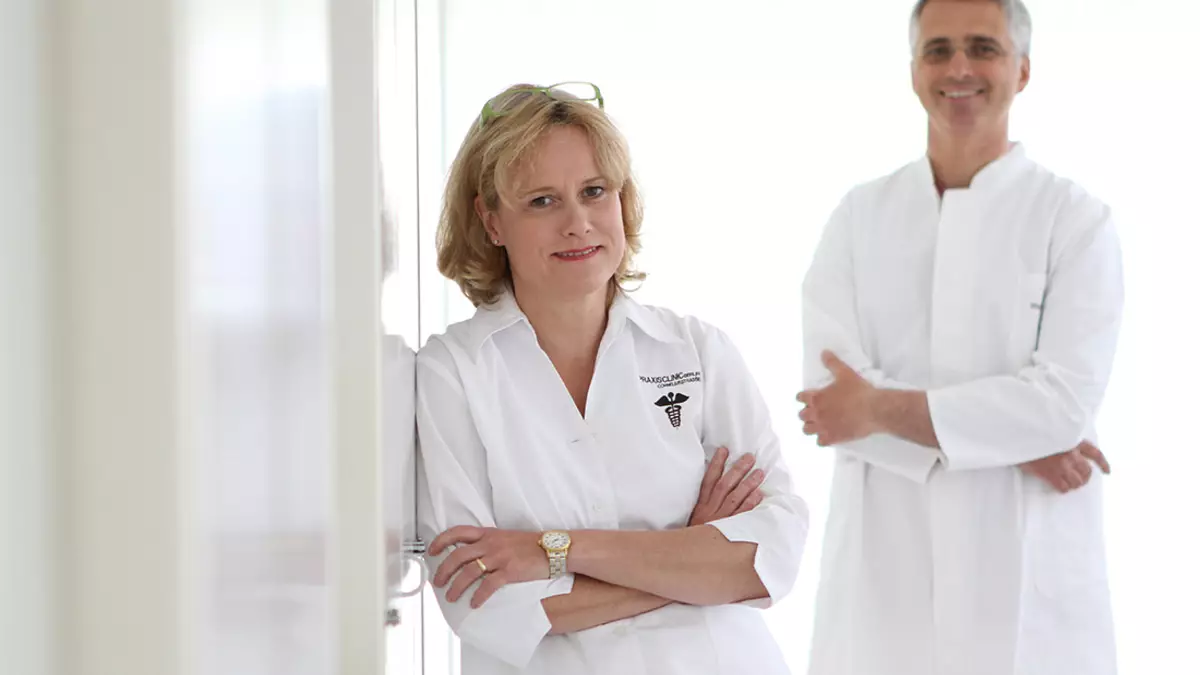
In this context, finding a dental practice in Berlin that feels both medically excellent and emotionally reassuring is not just a convenience; it is a vital part of feeling at home. For people living in the southwest of the city, Zahnarzt-Praxis Berlin Steglitz (Zahnarzt-Praxis Berlin Steglitz – Dr. Djamchidi & A. Jannack) stands out as a particularly strong option. This is not only another neighbourhood clinic, but a practice that unites two complementary expert profiles under one roof: a double-licensed physician and dentist with a focus on implantology and oral surgery, and a dentist with deep expertise in endodontics and aesthetic, tooth-preserving treatments.
For expats and English-speaking patients, this combination offers something rare: advanced German medical standards, explained in clear, empathetic English, in a familiar, personal environment rather than an anonymous clinic. Whether you are dealing with dental anxiety, considering implants, or simply looking for thorough prophylaxis, this Dental Practice in Berlin Steglitz is structured around safety, preservation, and trust.
Many international residents in Berlin share similar stories: back home they had a trusted family dentist who knew their medical history, their fears, and even their children by name. In Germany, suddenly, appointments seem more formal, the paperwork is in German, and common procedures may be organised differently. For example, insurance coverage, prophylaxis intervals, or the approach to root canal treatments may not match what you are used to from the UK, the US, or other countries.
This unfamiliarity can amplify dental anxiety. Patients often fear pain, but they also fear not being understood or not being able to ask detailed questions. Some worry they might agree to complex treatments like implants or extensive oral surgery without fully grasping the risks and alternatives. Others avoid going to the dentist altogether until a small problem turns into an emergency.
An English-speaking dentist who is used to treating international patients can make a crucial difference. At Zahnarzt-Praxis Berlin Steglitz, consultations can be conducted in English, and the team is accustomed to explaining not only the medical side, but also how the German system works: which services are preventive, which might require private payment, how second opinions are handled, and how long-term treatment plans are structured. This level of transparency is particularly valuable if you come from a different health-care culture.
Beyond language, there is the question of medical philosophy. Many patients look for a dental practice that does not automatically choose the most invasive solution, but instead focuses on tooth preservation, minimally invasive techniques, and careful planning. Others may require advanced oral surgery and implantology, and need to know that complex areas like the maxillary sinus floor are handled with the highest level of expertise. In Steglitz, this is exactly where the unusual professional background of Dr. Djamchidi becomes highly relevant.
At the heart of Zahnarzt-Praxis Berlin Steglitz is the unique profile of Dr. Djamchidi, who holds a rare double approbation in Germany: he is both a fully licensed physician and ENT specialist, and a fully licensed dentist. This medical and dental double qualification, sometimes informally referred to as an MD and DDS combination, carries profound advantages, especially in implantology and oral surgery.
When placing dental implants in the upper jaw, the region around the maxillary sinus is critical. The roots of the upper molars and premolars can lie very close to the maxillary sinus floor, a thin bony wall that separates the oral cavity from the sinus. If implants are planned without a detailed understanding of this area, there is a risk of sinus perforation, chronic sinusitis, or unstable implants due to insufficient bone height.
As an ENT specialist, Dr. Djamchidi is intimately familiar with the anatomy and physiology of the nose and paranasal sinuses. As a dentist and implantologist, he understands the biomechanics and functional requirements of implant-supported teeth. This combination is particularly valuable for procedures such as sinus lift operations, where the maxillary sinus floor is carefully elevated and additional bone material may be placed to create a stable base for implants.
For a layperson, the benefits can be summarised in simple terms: instead of having one doctor for your sinus and another for your teeth, you have one specialist who deeply understands both. When an implant is placed near the sinus, he can evaluate not only the jawbone, but also the overall sinus health, the shape and size of the cavity, and potential risk factors for infections. This leads to more precise planning, minimised complications, and a higher degree of safety.
In practical terms, this means that before implantology or oral surgery, detailed imaging and diagnostics are performed, and the results are interpreted from both a dental and ENT perspective. The angle, length, and position of each implant are planned with respect to the delicate structures of the maxillary sinus and the neighbouring nerve pathways. For patients, this translates into a more predictable procedure, reduced chances of postoperative sinus problems, and greater long-term stability of the implant.
The medical background of a physician also influences how general health is integrated into dental decision-making. Chronic diseases, medications that influence bone healing or bleeding risk, respiratory conditions, or allergies are all assessed in a more comprehensive way. This is particularly reassuring for patients with complex medical histories, older adults, or individuals considering extensive rehabilitation with multiple implants.
Moreover, the double qualification supports a more holistic view of oral surgery. In some cases, ENT-related issues, such as chronic nasal breathing problems or sinus congestion, may even be contributing factors to dental concerns like mouth breathing, dry mouth, or increased risk of caries. A practitioner who can see the full ENT-dental picture is well equipped to identify these relationships and, when appropriate, adapt treatment or refer for additional diagnostics within the ENT spectrum.
For international patients used to a high standard of medical safety, this level of combined expertise can be a decisive factor in choosing a dental practice. Knowing that complex procedures like sinus lifts, bone augmentation, and implant placement are performed by someone with both oral surgery skills and ENT competence provides a sense of security that goes beyond standard implantology.
While implantology and oral surgery are crucial for restoring missing teeth, the philosophy of Zahnarzt-Praxis Berlin Steglitz does not begin with replacement. It begins with preservation. This is where the expertise of dentist Annette Jannack becomes central. Her special focus is on endodontics, microscopic root canal treatment, and aesthetic tooth-preserving solutions.
Endodontics is the field of dentistry concerned with the inner life of the tooth: the pulp, the nerves, the small blood vessels, and the delicate root canals. When deep decay, trauma, or infection reach this inner area, saving the tooth becomes a highly precise challenge. A root canal treatment is not simply "drilling and filling"; it is an intricate cleaning and disinfection procedure inside extremely fine, often curved root canals that can be as narrow as a human hair.
In the past, many teeth that had infected or painful nerves were simply extracted and replaced with bridges or dentures. Modern endodontics follows a different principle: Zahnerhalt vor Zahnersatz – preserving the natural tooth before considering artificial replacement. A well-performed root canal treatment can allow a tooth to remain functional and pain-free for many years, sometimes for life.
Annette Jannack works with microscopic dentistry techniques, which means that root canal treatments are carried out using high magnification. This allows the dentist to see canal structures that would otherwise be invisible to the naked eye. Fine additional canals, calcifications, and minute anatomical variations can be detected and treated more thoroughly. The more completely infected tissue and bacteria are removed, the higher the chances that the tooth can be preserved with long-lasting success.
The procedure typically involves carefully opening the tooth, locating and shaping the root canals, disinfecting them with specialised solutions, and then filling them tightly with biocompatible materials that seal the canal system. Afterwards, the tooth is often strengthened with a filling or a crown to protect it from fracture. For patients, the key advantage is that their own tooth remains in place, maintaining natural chewing function and preserving the jawbone in a way that no artificial replacement can fully replicate.
Beyond the technical aspects, Jannack emphasises a gentle, minimally invasive approach. This includes careful pain management, step-by-step explanation, and time for questions. Many patients are surprised at how comfortable a modern root canal treatment can be when carried out with the right anaesthesia, instruments, and attention to detail. For those with previous bad experiences, this can completely change their view of endodontics.
Her focus on aesthetics is not about superficial beauty, but about creating restorations that are both strong and visually harmonious. After tooth preservation, the final composite or ceramic restoration is designed to match the natural colour and shape of the surrounding teeth. This combination of medical precision and aesthetic sensitivity is especially valued by patients who are in visible, patient-facing professions, or who simply want their smile to look as natural as possible.
Together, the two professional profiles in this dental practice create a powerful continuum: from tooth preservation through high-level endodontics to implantology and oral surgery when a tooth truly cannot be saved. Patients are not steered into one direction because of the limitations of a single dentist; instead, they benefit from a balanced, interdisciplinary perspective within the same Zahnarzt-Praxis.
Dental anxiety is one of the most common reasons people delay or avoid treatment, sometimes for years. For expats and newcomers in Berlin, that anxiety can be intensified by cultural and language differences. The team in this Steglitz practice is acutely aware of that reality and has shaped the patient experience with anxiety reduction in mind.
From the first contact, patients are encouraged to share their fears openly. A history of traumatic dental experiences, a strong gag reflex, or a general fear of needles can all be discussed without judgement. In many cases, simply being listened to and involved in treatment decisions already reduces anxiety significantly. For those who need more support, different levels of relief are available, ranging from gentle local anaesthesia and calming conversation to additional options like sedation or twilight sleep, depending on the medical suitability and the extent of the planned treatment.
Sedation and twilight sleep, when indicated and safely monitored, can make longer or more complex sessions much more tolerable. Under twilight sleep, patients are in a relaxed, half-sleeping state; they may have little memory of the procedure, yet vital functions remain stable and controlled. In a setting where a physician with ENT expertise is present, airway considerations and overall patient monitoring are integrated into the planning of such procedures, further enhancing safety.
For patients who prefer a more gentle, holistic support, the practice is open to complementary approaches such as mild homeopathic remedies or relaxation techniques, as long as they align with evidence-based medicine and do not replace necessary treatment. The overall goal is not to dismiss the patient’s fear, but to work with it in a respectful and constructive way.
An English-speaking dentist is particularly important in the context of anxiety. Being able to understand each step, to ask for a pause, or to clarify what a certain sound or sensation means can massively reduce stress. In this Dental Practice in Berlin Steglitz, clear, calm communication during treatment is seen as part of the clinical quality, not as an optional extra.
In addition, the practice layout and scheduling aim to avoid a rushed feeling. Time buffers for detailed anamnesis, explanations, and breaks during treatment help anxious patients feel that they are not "just another number" in a busy schedule. Over time, this continuity of care often transforms deeply anxious patients into regular attendees of prophylaxis and check-ups, preventing emergencies instead of reacting to them.
The physical environment of a medical practice also shapes how patients feel. Zahnarzt-Praxis Berlin Steglitz is located in a classic Altbau building in the Steglitz district, near the well-known shopping area around Schloßstraße, in Berlin’s southwest, not far from Zehlendorf. This part of Berlin is characterised by tree-lined streets, historic facades, and a quieter, residential atmosphere that many expats find charming.
The practice itself is situated in a historic building with the typical features of Berlin Altbau architecture: high ceilings, solid staircases, and a sense of period character. However, this comes with an important, honest caveat: the building does not have an elevator. Access is via stairs only, and the premises are not barrier-free. For patients with significant mobility limitations, this is an essential detail to be aware of in advance.
Rather than ignoring this fact, the team communicates it openly and helps patients assess whether climbing the stairs is feasible for them. For many people, the ascent is manageable and becomes part of a very Berlin experience: entering a classic residential building, walking up the staircase, and then stepping into a modern, medically advanced Zahnarzt-Praxis on the upper floor. The contrast between historic architecture and up-to-date dentistry can even feel reassuring, combining tradition with innovation.
From a logistical perspective, the location is convenient. Steglitz is well connected by public transport, with easy access from central Berlin and neighbouring districts like Zehlendorf. For those coming by car, there are options for parking in the surrounding streets or in nearby parking garages along Schloßstraße. Being in Berlin Southwest, the practice is a practical choice for residents of Steglitz, Lankwitz, Zehlendorf, Dahlem, and beyond.
Inside, the treatment rooms are equipped with modern technology, including the tools required for implantology, oral surgery, and microscopic endodontics. Even though the setting is a traditional Altbau, the clinical environment follows contemporary hygiene and sterilisation standards, giving patients the reassurance of up-to-date German medical protocols.
For many new patients, especially expats, knowing what to expect at a first visit reduces a lot of uncertainty. A typical journey at Zahnarzt-Praxis Berlin Steglitz is structured to combine thorough medical evaluation with clear communication.
It usually begins with scheduling an appointment, either by phone or online. When you first make contact, you can indicate that you prefer consultation in English and mention any specific concerns: dental anxiety, interest in a second opinion, need for implants, or pain that might indicate the need for root canal treatment. The reception team will help you find a suitable time slot, especially if longer counselling is required.
On arrival, you enter the Altbau staircase, climb the stairs to the practice, and check in at reception. New patients receive medical and dental history forms. If your German is limited, the team can guide you through the essential sections, or you can fill them out in English where appropriate. Sharing information about existing illnesses, medications, allergies, and previous dental experiences is crucial, particularly in a practice that offers oral surgery and sedation options.
The next step is a detailed anamnesis and consultation with either Dr. Djamchidi or Annette Jannack, depending on your main reason for the visit. If implants or complex restorations are on your mind, you will likely meet with Dr. Djamchidi, who will assess not only your teeth and gums, but also, where relevant, the condition of your maxillary sinus floor and surrounding bones using imaging diagnostics. If you have been told you need a root canal or are suffering from sensitivity, deep pain, or swelling, you may initially see Jannack for an endodontic evaluation.
During this consultation, the dentist will examine your oral situation, review existing X-rays or take new ones if needed, and discuss your symptoms and expectations. This is also the ideal moment to express any anxieties or to ask for a second opinion about a treatment proposed elsewhere. Because both dentists are used to international patients, you can expect clear explanations rather than abbreviated technical language.
After the diagnostic phase, you receive a proposed treatment plan. In many cases, this will start with prophylaxis and tooth preservation. Professional cleaning, plaque and tartar removal, and individual instructions for home care form the foundation of long-term oral health. If endodontic treatment is needed, the steps of root canal therapy, potential risks, and expected outcomes are explained in detail. The emphasis remains on tooth preservation wherever reasonably possible.
If a tooth cannot be saved, or if you already have missing teeth, the conversation may move to implantology and oral surgery. Here, the double approbation of Dr. Djamchidi plays a key role. He will explain how the bone quality and anatomy in your jaw affect implant placement, whether a sinus lift or bone augmentation is required, and how the maxillary sinus floor will be protected. Digital planning, careful assessment of biocompatibility of materials, and staged procedures may all be part of the plan.
For anxious patients, the treatment plan can integrate measures such as longer time slots, the possibility of sedation or twilight sleep for specific sessions, and regular communication points to reevaluate comfort levels. The goal is not to push you into the fastest path, but to find the safest and most acceptable route for you personally.
Once you agree on the plan, appointments are scheduled accordingly. During each visit, the dentist will review what will happen that day, check in about any changes in your health status or medications, and then proceed step by step. For endodontics, you may have one or more sessions where the canals are cleaned under the microscope and then filled. For implantology, stages might include extraction (if needed), bone healing time, implant placement, integration period, and final crown placement.
Throughout the journey, prophylaxis remains an important component. Regular professional cleanings and check-ups support the long-term success of both preserved teeth and implants. The practice’s focus on tooth preservation, careful surgery, and ongoing maintenance creates a coherent approach that can significantly reduce the risk of future emergencies.
For expats, one of the most reassuring aspects of this patient journey is the sense of continuity. You are not shuffled through an anonymous chain of providers but build a relationship with a team that knows your history, your fears, and your long-term health goals.
In a city as diverse and dynamic as Berlin, the choice of a dental practice is ultimately about more than just clinical skill. It is about trust, communication, and how well a practice can integrate into your everyday life as an international resident. Zahnarzt-Praxis Berlin Steglitz, with its combination of a double-licensed physician and dentist specialising in implantology and ENT-related oral surgery, and a dedicated expert in endodontics and aesthetics, offers a particularly compelling option for those living in the southwest of the city.
The practice’s core strengths can be summarised clearly. Medically, it delivers high-level implantology and oral surgery with special attention to the maxillary sinus floor and surrounding anatomical structures, thanks to the ENT background of Dr. Djamchidi. This is especially important for complex cases, sinus lifts, and patients with existing ENT conditions. Dentally, it emphasises tooth preservation through advanced endodontics under microscopic control, as practised by Annette Jannack, combined with aesthetic restorations that respect both function and appearance.
From a patient experience perspective, the practice understands dental anxiety and addresses it with empathy, time, and options such as sedation or twilight sleep where medically appropriate. Being an English-speaking dentist team, they can guide expats through both treatment decisions and the specifics of the German health-care context, reducing the stress of bureaucracy and unfamiliar routines.
The location in a classic Altbau building in Berlin-Steglitz, near Schloßstraße and within reach of Zehlendorf and other areas of Berlin Southwest, creates an authentic local experience, even as the technology and hygiene standards inside meet contemporary expectations. While the absence of an elevator and the necessary use of stairs means the building is not barrier-free, the practice approaches this transparently, allowing patients to realistically assess their access needs.
For those seeking not just a "Zahnarzt" but a long-term partner in oral health, the combination of medical depth, preventive philosophy, and personal communication in this dental practice stands out. Whether you need a simple prophylaxis appointment, a second opinion on a recommended root canal, or a carefully planned implant solution near the sinus, Zahnarzt-Praxis Berlin Steglitz provides a setting where international and local patients alike can feel heard, respected, and medically safe.
In the end, choosing a dentist in a foreign city is an act of trust. By uniting ENT-level anatomical insight, modern implantology, meticulous endodontics, and a strong orientation towards patient comfort and clarity, this Dental Practice in Berlin Steglitz offers many of the elements that expats and Berliners are looking for: expertise, honesty, and a sense of being in good hands.
Disclaimer regarding our articles: No investment advice, no buy or sell recommendation. Information on prices, companies, and markets is provided without guarantee; changes are possible at any time. Stock market transactions can lead to substantial losses. Our articles are created and reviewed in whole or in part automatically with the support of AI.