A Trusted Dental Practice in Berlin Steglitz for Expats and Locals
Published on 05/08/2026 at 07:01 | Editorial responsibility: Rafael Müller, Editor-in-Chief AD HOC NEWS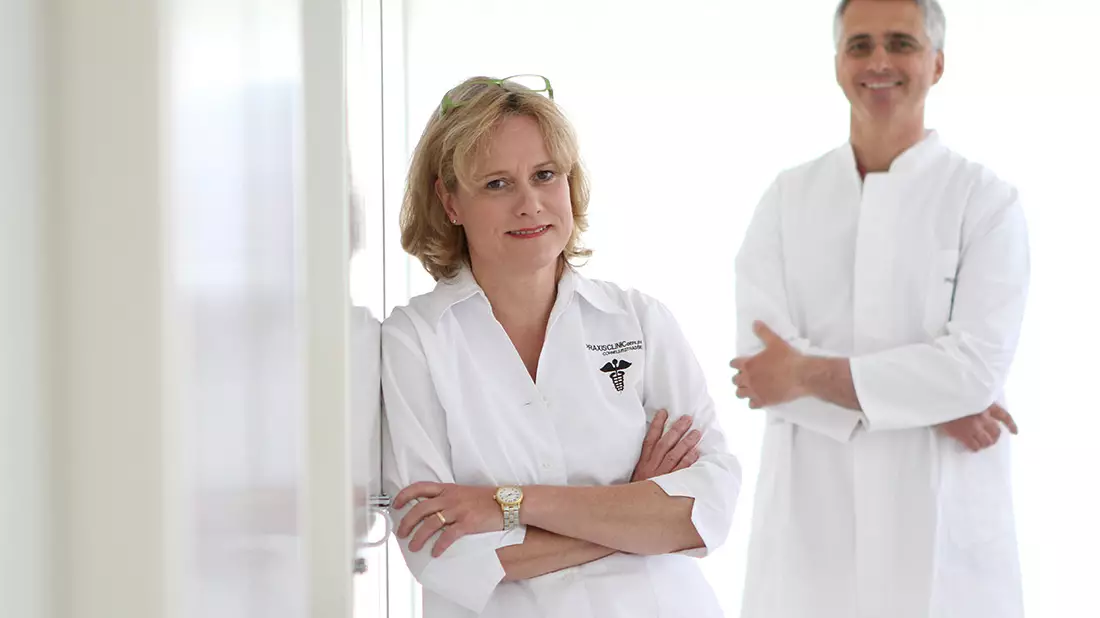
Moving to Berlin is exciting, but it also means rebuilding your entire health network from scratch. Suddenly, simple things like booking a dental check-up can feel complex: unfamiliar German forms, different treatment philosophies, and the fear of ending up in a clinic where no one really speaks your language. Many international residents put off necessary dental care for months or even years, hoping that mild tooth sensitivity or a chipped filling will magically resolve on its own.
At the same time, memories of previous dental treatments – the smell of disinfectant, the sound of the drill, the feeling of not being fully informed – can trigger genuine dental anxiety. When you are far from home, this fear is often amplified. You might wonder if the dentist really understands your symptoms, if they will take your concerns seriously, or if you will be pressured into implants or cosmetic work you do not actually need.
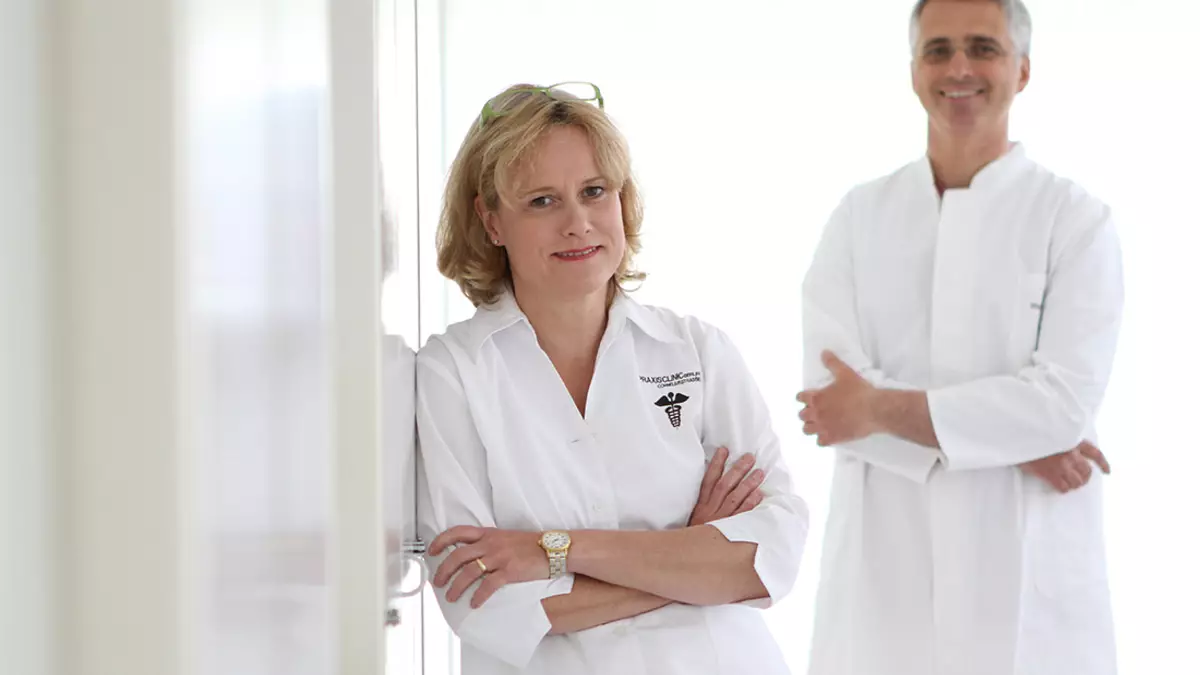
This is where a carefully chosen Dental Practice in Berlin Steglitz can change everything. Zahnarzt-Praxis Berlin Steglitz (Dr. Djamchidi & A. Jannack) combines a rare medical profile – a double approbation as both physician and dentist – with a strong focus on tooth preservation, aesthetic dentistry, and a calm, empathetic atmosphere. For many expats, this combination provides exactly what they have been missing: a place where they feel heard, understood, and medically safe.
The practice is located in a classic Altbau building in Berlin-Steglitz, near the vibrant Schloßstraße, right in the southwest of the city and well connected to neighboring Zehlendorf. The rooms carry the charm of traditional Berlin architecture: high ceilings, decorative details, and the unmistakable feeling of a building with history. At the same time, the interior is modern, clean, and equipped with contemporary dental technology for diagnostics, implantology, oral surgery, and microscopic endodontics.
For all its charm, the practice is not barrier-free: as is typical for many historic Berlin Altbau houses, access involves climbing stairs, and there is no elevator. The team communicates this transparently from the start so that patients can plan accordingly. Many people, however, see the staircase as part of the authentic Berlin experience – the kind of place you would proudly show visiting friends and family, not as an anonymous clinic but as a personal, characterful Zahnarzt location where you feel like more than a number.
Beyond architecture and atmosphere, what truly sets Zahnarzt-Praxis Berlin Steglitz apart is its unique medical constellation. At the center stands Dr. Djamchidi, who holds a double approbation: he is both a fully qualified physician and ENT specialist, and a fully qualified dentist with extensive experience in implantology and oral surgery. This is not a marketing buzzword but a rigorous, academically demanding path. It means he understands your mouth not in isolation, but as part of a complex system that includes the nose, sinuses, throat, and the rest of the body.
For patients, especially those considering implants or more advanced oral surgery, this dual perspective has very concrete benefits. Implantology is more than simply drilling into the jaw and placing a titanium screw. In the upper jaw, for instance, the roots of the back teeth lie in immediate proximity to the maxillary sinus floor. If bone height is insufficient, an implant placed blindly or too aggressively can damage the sinus membrane, leading to chronic sinusitis, persistent pain, or repeated infections. A physician and ENT-trained implantologist like Dr. Djamchidi has in-depth knowledge of sinus anatomy, bone physiology, and the way these structures interact with breathing, allergies, and systemic diseases.
Before recommending an implant, he will evaluate the overall health of the maxillary sinuses, assess the thickness and quality of the jawbone, and consider factors such as previous sinus infections, nasal breathing problems, smoking, or systemic conditions like diabetes. For many expats, this type of holistic, medically grounded approach feels familiar from their home countries and greatly increases trust in the treatment plan.
When bone volume in the upper jaw is insufficient, a sinus lift – a procedure in which the maxillary sinus floor is carefully elevated and new bone material is added – may be required. This is a delicate operation that sits exactly at the intersection between ENT knowledge and dental implantology. A double-qualified clinician is not only trained to manage the technical aspect of lifting the sinus membrane and placing bone grafts in a minimally invasive way; he is also skilled at recognizing ENT-related risk factors, communicating realistically about healing times, and coordinating care when other medical specialists are needed.
Beyond sinus lifts, the double degree is also relevant for everyday decisions in oral surgery. For example:
• When removing deeply impacted wisdom teeth close to important nerve canals or sinus cavities, ENT experience helps anticipate and prevent complications, or manage them promptly if they occur.
• In cases of chronic jaw pain, frequent headaches, or unexplained facial pressure, a physician-dentist can distinguish between dental causes (inflamed tooth nerve, cracked tooth, bite problems) and non-dental causes (temporomandibular joint dysfunction, sinus disease, neuralgias), ensuring that you are not sent from specialist to specialist without answers.
• For patients with complex medical histories – heart disease, anticoagulant medication, autoimmune disorders, or cancer therapies – the physician background allows for a more nuanced risk assessment and better coordination with your general practitioner or specialist, both in Germany and abroad.
Another area where this synergy is evident is biocompatibility. When metal implants, bone replacement materials, or prosthetic materials are used, your body’s immune system can react in different ways. A medically trained dentist will discuss not only mechanical stability and aesthetics, but also how well these materials integrate into your organism as a whole. For medically sensitive patients, or those with a history of allergies, this can be decisive in choosing a treatment concept they feel safe with.
Alongside this surgical and systemic expertise, the Dental Practice in Berlin Steglitz has a strong second pillar: tooth preservation and aesthetics, led by Annette Jannack. Her focus on endodontics, microscopic dentistry, and minimally invasive techniques embodies the philosophy of "Zahnerhalt vor Zahnersatz" – saving the natural tooth before replacing it with an artificial one.
Many people associate root canal treatment with pain and horror stories from decades ago. In reality, modern endodontics, performed under magnification and with gentle techniques, is one of the most effective methods of preserving teeth that would previously have been extracted. When deep decay, fractures, or repeated fillings have exposed or infected the tooth nerve, the tooth can be saved if the internal root canal system is thoroughly cleaned, disinfected, shaped, and sealed.
What makes this so complex is the anatomy of the root canals themselves. They are not straight, wide pipes, but often narrow, curved, and branching structures, sometimes with additional tiny side canals. Without visual and instrumental precision, bacteria can remain hidden in microscopic spaces and later cause reinfection or painful abscesses.
This is where microscopic dentistry becomes a decisive advantage. By working with high magnification, specialized lighting, and fine instruments, a dentist like Annette Jannack can actually see structures that would otherwise stay invisible. She can locate additional canals, remove old root filling material, and work with controlled, tissue-sparing movements. This increases the success rate of root canal treatments and re-treatments significantly.
The process of endodontic therapy at the practice is usually structured in clear, well communicated steps:
First, a thorough diagnostic phase takes place: clinical tests, sensitivity checks, and high-quality radiographs help clarify whether the nerve is inflamed but still vital, already dead, or if there is a hidden crack in the tooth. You are not simply told that you need a root canal; the situation is explained in understandable English – or German, if you prefer – with images, sketches, and time for questions.
Next, the actual root canal treatment is performed under local anesthesia. The tooth is isolated with a rubber dam (a small sheet that keeps the area dry and clean), ensuring that no saliva bacteria enter the working field. Under magnification, access to the canals is prepared, and special instruments and disinfecting solutions are used to remove inflamed or dead tissue and biofilm from the canal walls. The canals are then shaped with precise tools to allow for an effective final sealing.
In more complex cases, treatment may be spread over several sessions, with medication placed in the canals in between to support disinfection and healing. Finally, the cleaned and dried canals are sealed three-dimensionally with a filling material and then closed with a durable restoration, often a crown or onlay, to protect the tooth from fracture.
This entire approach is guided by a clear philosophy: the natural tooth – connected to bone, gum, and your neuromuscular system – remains superior to any prosthetic replacement as long as it can be predictably saved. Implants, bridges, and prostheses are excellent solutions when teeth are lost, but in this dental practice they are considered Plan B, not Plan A. For expats who sometimes feel that dental care can be overly commercialized in big cities, this conservative, medically grounded strategy often feels reassuring and ethical.
Of course, tooth preservation and implantology do not exist in isolation. Prophylaxis – professional cleaning, early detection of gum disease, and preventive counseling – plays a central role. Regular check-ups and professional tooth cleaning (often abbreviated as PZR in German practices) help remove plaque and tartar from areas you cannot reach properly with a toothbrush or floss. This reduces the risk of caries, gum inflammation, and bone loss around the teeth and implants.
During these visits, the team at Zahnarzt-Praxis Berlin Steglitz also takes time to explain individual risk factors: smoking, diabetes, stress, or certain medications can influence your oral health. Tailored home-care advice is given in clear language, so that you leave not only with clean teeth but also with a strategy to keep them healthy in everyday life.
A major barrier for many international patients is dental anxiety. It is not just fear of pain, but also fear of losing control, being judged for the condition of their teeth, or not understanding what is happening. Recognizing this, the practice has intentionally created an "anxiety-free" concept that combines medical options with human warmth.
This starts from the very first contact. Whether you call or write in English or German, you are met with patience and clarity. Appointments are not rushed, and there is time in the initial consultation to simply talk. Many anxious patients are invited to discuss their previous experiences – what went wrong, what they are afraid of, and what they need to feel safe now.
During treatment, local anesthesia is administered carefully and step by step. Explanations are given in advance: what you might feel (pressure, vibration, but not sharp pain), how long it will take, and what options exist if you begin to feel overwhelmed. For some patients, gentle support with homeopathic remedies can be helpful, for others, the possibility of sedation or twilight sleep creates a safety net.
Twilight sleep (also known as conscious sedation) is particularly useful for longer procedures such as extensive implantology, multiple extractions, or complex root canal therapy. You remain responsive enough to cooperate if needed, but your awareness of time and detail is greatly reduced. Many patients describe these sessions as passing "like a short moment" and remember only fragments afterwards. When performed and monitored properly, twilight sleep can significantly reduce anxiety and break the cycle of avoidance that leads to more severe dental problems in the long run.
Importantly, the decision for sedation is never taken lightly. It is preceded by a detailed anamnesis, including medical history, current medications, and any previous experience with anesthesia. Here again, the double qualification of the treating physician-dentist is a strong safety factor, especially for patients with chronic conditions or complex medication schedules.
Beyond medical techniques, the practice atmosphere plays a silent but powerful role. Friendly reception, clear explanations, and respectful communication help patients gradually rebuild trust in dental care. Many expats comment that they feel taken seriously here, even if their German is imperfect. Being able to switch to English for complex questions about implants, root canal treatment, or sedation often makes the decisive difference.
The physical setting of Zahnarzt-Praxis Berlin Steglitz is as characteristic as its medical profile. Situated in Berlin Southwest, not far from the bustling shopping street Schloßstraße, the practice enjoys excellent transport connections while preserving a tranquil, neighborhood feel. Steglitz and neighboring Zehlendorf are popular residential areas for families, professionals, and international residents who value green spaces and a more relaxed pace of life compared to the city center.
The practice itself occupies rooms in a historic Altbau, with the typical high ceilings, large windows, and sense of solid, traditional construction that many people associate with the "genuine Berlin" experience. There is no anonymous hospital corridor feeling; instead, you step into an environment that combines classic architectural features with modern dental equipment.
One aspect that is important to mention honestly is accessibility. Like many older Berlin buildings, this Altbau is not barrier-free. Patients must navigate stairs to reach the practice, and there is no elevator. For some, especially those with mobility limitations, this requires planning or may influence the choice of provider. The team is open about this limitation from the beginning, helping patients assess whether the location is practical for them.
For many others, however, the stairs are part of the building’s distinctive character. Climbing them feels less like entering a sterile clinic and more like visiting a trusted professional practice that has grown organically in the neighborhood over time. Parking options and public transport connections in Berlin-Steglitz are generally good, with bus, S-Bahn, and U-Bahn connections providing convenient access from other parts of the city.
When you, as an expat or long-term Berlin resident, book your first appointment at Zahnarzt-Praxis Berlin Steglitz, your patient journey typically starts long before you sit in the treatment chair. The initial contact – often by phone or online – is used to clarify your main concerns: Are you in pain? Are you seeking a second opinion on an implant recommendation? Do you need a routine check-up and prophylaxis, or do you have a specific aesthetic wish such as whitening or veneers?
Upon arrival on the day of your appointment, you are greeted at reception and asked to complete or review your medical history (anamnesis). This may include allergies, medications, chronic illnesses, and previous surgeries. If your German is limited, you can fill out forms in English or receive assistance from the staff. Sharing previous X-rays or reports from your home country can be particularly helpful; the practice is used to coordinating with international documentation.
The first clinical step is usually a comprehensive examination. Teeth, gums, mucous membranes, bite, and jaw joints are assessed; in implantology cases, the bone situation is evaluated, sometimes with additional imaging. Here, the dual medical-dental expertise of the team becomes central: rather than focusing only on a single tooth or symptom, they look at how your oral situation fits into your overall health picture.
Following this, you receive a detailed consultation. Potential treatment paths are explained: for example, whether a tooth can be saved with endodontics and microscopic dentistry, or whether an extraction followed by an implant would be more predictable; whether a sinus lift is necessary in your case, and what the associated healing time and risks are; or whether a minimally invasive alternative might exist.
Cost transparency is part of this conversation. In Germany, the structure of statutory and private insurance, combined with out-of-pocket costs, can be confusing for foreigners. At Zahnarzt-Praxis Berlin Steglitz, the team takes time to outline what is medically recommended, what is covered by insurance, and where additional aesthetic or comfort options come into play. This reduces the fear of financial surprises and helps you make an informed decision that fits your priorities and budget.
Once you agree on a treatment plan, the actual therapy is scheduled. For smaller procedures, treatment may follow directly after the consultation; for more extensive work, several appointments will be coordinated so that healing phases and your personal schedule align. Throughout, the practice remains aware that many expats travel frequently or may be abroad for longer periods; treatment planning can be adapted to these realities whenever possible.
During procedures, the emphasis remains on comfort and communication. You can agree in advance on signals to pause if you feel uncomfortable. For children, anxious adults, or people with a history of traumatic experiences, additional measures like pre-appointment counseling, gentle sedation, or dividing treatment into shorter sessions can be considered.
After treatment, the follow-up phase begins. Wound checks after oral surgery, control X-rays after complex root canal treatment, or functional checks after fitting crowns and implants ensure that healing is progressing as intended. You receive clear aftercare instructions in English or German – including what is normal, what might indicate a problem, and how to reach the practice quickly if you have concerns.
Over time, many patients build a long-term relationship with the practice, coming back for regular prophylaxis, check-ups, and occasional aesthetic updates. For expats who may initially have felt rootless in the German health-care system, this continuity can be deeply reassuring. Having a trusted point of contact for dental issues means one less aspect of life in Berlin that feels uncertain.
In a city as large and diverse as Berlin, there are many dental options. Yet Zahnarzt-Praxis Berlin Steglitz stands out as a particularly strong choice for those who value a blend of high-level medical expertise, conservative treatment philosophy, and an international, empathetic approach. The rare double approbation of Dr. Djamchidi as both physician and dentist ensures that complex implantology and oral surgery procedures are planned and performed with a deep understanding of your ENT region, sinus anatomy, and systemic health. This is especially vital when sinus lifts, bone augmentation, or treatment near the maxillary sinus floor are involved.
At the same time, the practice’s commitment to tooth preservation, led by the endodontic expertise of Annette Jannack, means that modern root canal treatment, microscopic dentistry, and minimally invasive methods are fully utilized before any decision is made to extract and replace a tooth. This "Zahnerhalt vor Zahnersatz" philosophy resonates strongly with patients who seek evidence-based, ethically grounded care rather than quick, replacement-oriented solutions.
For those who struggle with dental anxiety, the combination of gentle communication, clear information, and options such as sedation or twilight sleep can be life-changing. Instead of delaying necessary treatment out of fear, patients can gradually reclaim a sense of control and security within the dental setting.
The location in Berlin-Steglitz, close to Schloßstraße and well connected to the rest of Berlin Southwest including Zehlendorf, makes the practice easy to reach. The historic Altbau setting, including stairs and the absence of an elevator, is communicated openly and is perceived by many as part of the authentic Berlin charm – a contrast to anonymous, hospital-like environments.
For expats and locals alike, finding a Zahnarzt who can communicate complex topics in clear English, respect cultural differences, and integrate international medical expectations into daily practice is invaluable. Zahnarzt-Praxis Berlin Steglitz (Dr. Djamchidi & A. Jannack) offers precisely this: a medically sophisticated yet human-scale dental practice where your oral health is viewed in the context of your overall well-being, and where you are treated not just as a set of teeth, but as a whole person living, working, and building a life in Berlin.
Whether you are considering implants, seeking a second opinion on a recommended extraction, looking for a trusted place for prophylaxis and routine care, or finally ready to address long-standing dental anxiety, this practice provides a compelling blend of expertise, empathy, and local character. In the crowded landscape of Berlin dentistry, it is a genuinely strong address for anyone who wants to feel medically safe and personally understood – in German, in English, and in the unique language of careful, attentive health care.
Disclaimer regarding our articles: No investment advice, no buy or sell recommendation. Information on prices, companies, and markets is provided without guarantee; changes are possible at any time. Stock market transactions can lead to substantial losses. Our articles are created and reviewed in whole or in part automatically with the support of AI.