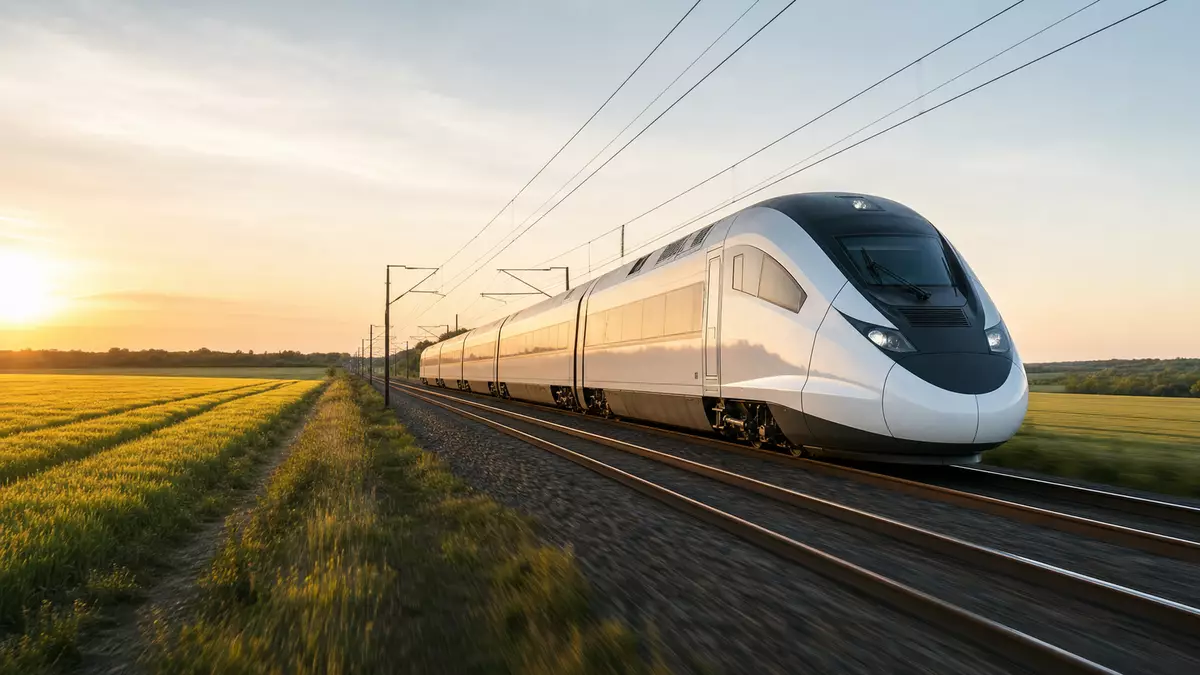
Alstom stock trades steady as order backlog and recent loss shape investor view
Published on 07/24/2026 at 10:05 | Editorial responsibility: Rafael Müller, Editor-in-Chief AD HOC NEWS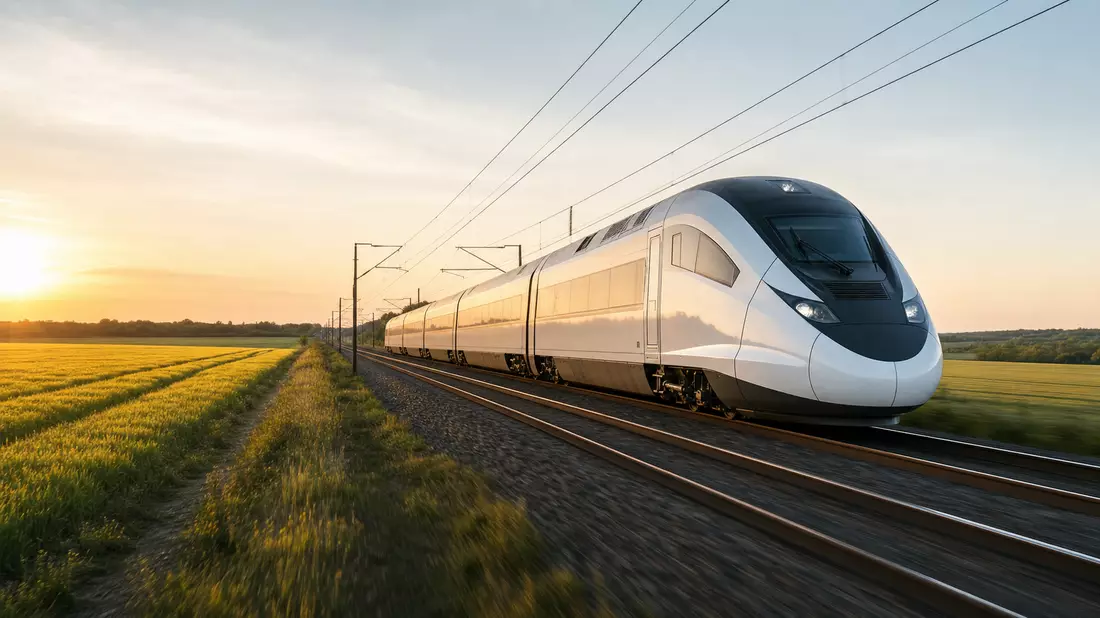
Alstom stock, linked to the French rail manufacturer Alstom S.A. (ISIN FR0010220475), continues to mirror a complex investment case shaped by sizeable orders and recent losses in its latest fiscal year, as evidenced by company disclosures in 2023 and 2024. The group, whose shares are listed on Euronext Paris under the ticker ALO, reported a significant net loss in the last completed fiscal year while maintaining a large order backlog that underpins future revenue visibility for investors.
Revenue above EUR 16 billion and net loss in fiscal 2023
According to Alstom's investor documentation for its fiscal year ended 31 March 2023, the company generated annual revenue of approximately EUR 16.5 billion, reflecting the scale of its global rail activities across rolling stock, systems, signaling, and services. In the same fiscal year, Alstom reported a net loss of around EUR 132 million, underscoring that profitability remains a central challenge despite robust top-line performance. The contrast between multi-billion revenue and a negative bottom line is one of the core elements that investors consider when evaluating Alstom stock.
Company materials describe a sizeable order backlog that helps support future revenue streams. In its rail portfolio, Alstom has secured long-term contracts in Europe, the Americas, Asia, and Africa, with rolling stock and signaling projects often stretching over several years. This backlog provides visibility on future cash inflows but also binds the company to complex delivery commitments, cost control, and execution risks, which can affect margins and ultimately influence the valuation of Alstom stock.
Order intake and comparison with prior periods
In its reporting around fiscal 2023 and the following period, Alstom has highlighted strong order intake, including major rail and rolling stock contracts that contributed to a total order book measured in tens of billions of euros. For example, company disclosures indicate that annual order intake has in some recent years exceeded EUR 20 billion, outpacing the revenue figure and therefore expanding the order backlog. This comparison between order intake and revenue illustrates that Alstom is in a phase of growth in contracted business, as orders booked in a given year can exceed that year’s delivered revenue and roll into future periods.
From an investor perspective, the relationship between order intake and revenue is vital. When annual orders significantly exceed annual revenue, it suggests that future activity levels may be higher as contracts move from intake to execution. However, the conversion of orders into cash and profit depends on project execution, supply chain stability, and cost management. For Alstom stock, the magnitude of order intake versus revenue thus serves as a quantified comparison that helps investors judge the strength of the commercial pipeline relative to the current size of the business.
Alstom’s materials also refer to targeted improvements in margins through synergies and operational efficiencies. After integrating Bombardier Transportation, Alstom has sought to harmonize product platforms, adjust its industrial footprint, and realize cost synergies in procurement and manufacturing. These efforts aim to lift operating margins over time. Nevertheless, the reported net loss for fiscal 2023 shows that, at least in that period, margin pressure, integration costs, and project-specific issues weighed on earnings despite robust sales.
Leverage, free cash flow, and financial targets
Alstom’s investor communications place emphasis on deleveraging and free cash flow generation as strategic priorities. The company has previously provided medium-term targets for adjusted free cash flow, expressing ambitions to generate positive and growing free cash flow as large projects mature and synergies are captured. In terms of leverage, Alstom has reported net debt in the billions of euros, reflecting the capital-intensive nature of rail manufacturing and the financing of long-term projects. This leverage must be managed alongside investment in innovation, capacity, and digital signaling technologies.
For investors, the interplay between net debt levels and free cash flow performance is crucial. Higher net debt can constrain financial flexibility and increase interest expenses, but strong and improving free cash flow can offset these concerns by signaling that the company is able to service its debt and invest in future growth. When net debt is compared with equity and earnings, investors derive metrics such as gearing and leverage ratios to assess risk. In Alstom’s case, the combination of net debt and recent net loss indicates that the transition to consistent profitability and free cash flow generation remains a key milestone for Alstom stock.
Alstom’s reporting also mentions capital expenditure on manufacturing sites, engineering, and digital technologies. The company invests in factories, test facilities, and digital systems that support both rolling stock and signaling, contributing to future competitiveness but also consuming cash in the short term. Investors often compare capital expenditure with depreciation and amortization to understand whether the asset base is expanding or being maintained, and they look at free cash flow after capex to gauge how much cash is available to reduce debt or pay dividends.
Exposure to large projects including HS2 rolling stock
Alstom has exposure to large rail projects such as the UK’s High Speed 2 (HS2) program, where it is involved in supplying rolling stock through consortia arrangements. The HS2 rolling stock contract represents a high-profile project with substantial order value, reinforcing Alstom’s position in high-speed trains. However, large, complex projects can also carry execution risks, potential delays, and political or regulatory changes, all of which may influence revenue recognition and margins over time.
Investors following Alstom stock pay attention to the status of major contracts, regulatory decisions affecting infrastructure programs, and any changes in scope or timing. For example, if elements of a large project are rephased or restructured by the customer or government authorities, this can alter the profile of revenue and cash flow. Comparing contracted values with actual deliveries and invoicing over reporting periods helps investors judge whether the company is translating its backlog into tangible financial performance in line with expectations.
Beyond HS2, Alstom is active in urban transit, regional trains, and signaling upgrades worldwide. Its reach into different geographies and segments provides diversification but also exposes the company to foreign exchange movements, varying regulatory frameworks, and local competition. Investors can compare growth rates across segments or regions when such data is disclosed, using percentage changes in segment revenue or backlog to identify where Alstom is gaining momentum and where challenges may be more pronounced.
More on Alstom and its rail business
Investors can find detailed figures on revenue, net income, order backlog, and debt in Alstom's investor materials, which include annual and interim reports and presentations.
High-speed trains and rail systems portfolio
Alstom’s portfolio covers high-speed trains, regional and commuter trains, metros, trams, signaling systems, and services such as maintenance and modernization. High-speed trains, including those used on lines like HS2 and other major corridors, serve as a flagship product category that embodies Alstom’s engineering capabilities. The company also produces well-known trains such as the TGV for the French network and various models under the Coradia and Citadis brands for regional and urban mobility.
Product-level disclosures from Alstom highlight performance metrics for trains, including speed, energy efficiency, and passenger capacity. For instance, high-speed trains produced by Alstom can operate at speeds of around 300 kilometers per hour or more on suitable infrastructure, providing fast connections between major cities. Urban rail products such as metros and trams focus on reliability, frequent service, and accessibility. Signaling systems and digital platforms help optimize traffic management, reduce headways, and improve safety, and they represent a growing part of the business that can yield recurring revenue through upgrades and services.
Alstom stock and market context
Alstom shares trade on Euronext Paris under the ticker ALO, and the stock is included in major French equity indices such as CAC Mid 60 or other relevant segments, reflecting its role as a significant industrial player in the French market. The market capitalization of Alstom, measured in billions of euros, places it among the larger European rail and transport equipment manufacturers. As of recent reporting, investors watch the stock’s performance relative to peers in rolling stock and signaling, comparing valuation multiples such as price to earnings, price to sales, and enterprise value to EBITDA.
At a recent point in time in 2024, Alstom shares have traded in a multi-euro range, with price movements influenced by earnings releases, order announcements, macroeconomic conditions, interest rates, and broader equity market sentiment. Investors can consult exchange and market data portals to find the exact share price as of a given date, intraday charts, historical performance, and volume figures. Price levels are often assessed in relation to 52-week highs and lows, which provide a historical frame of reference for the volatility and relative positioning of Alstom stock over the past year.
Alstom stock key data
- Company: Alstom S.A.
- ISIN: FR0010220475
- Ticker: Euronext Paris: ALO
- Trading venue: Euronext Paris
- Sector / Industry: Industrials / Rail equipment and transportation
- Index membership: French equity indices such as CAC Mid 60 and other relevant benchmarks
Disclaimer regarding our articles: No investment advice, no buy or sell recommendation. Information on prices, companies, and markets is provided without guarantee; changes are possible at any time. Stock market transactions can lead to substantial losses. Our articles are created and reviewed in whole or in part automatically with the support of AI.