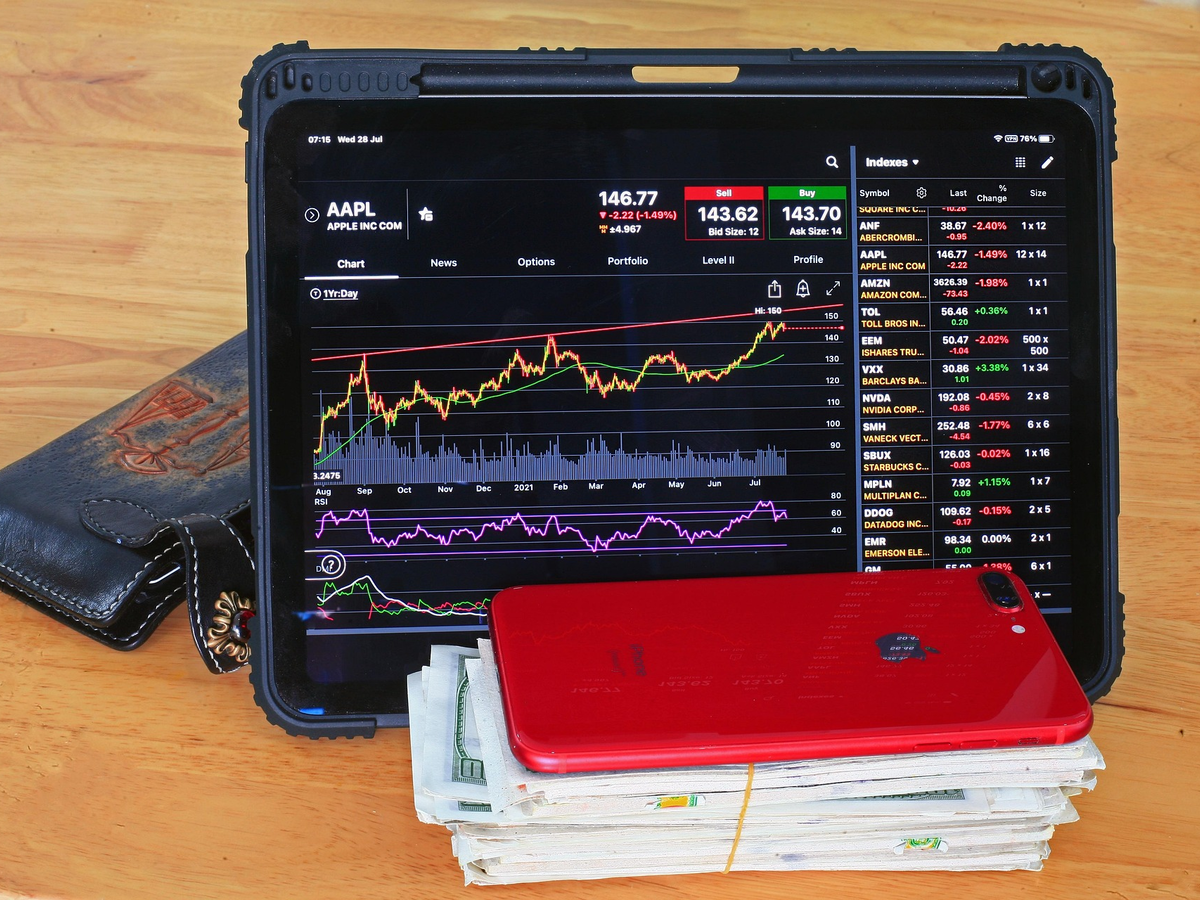
Apple Inc. stock (US0378331005): Is AI monetization now the real test for sustained growth?
17.04.2026 - 19:03:56 | ad-hoc-news.de
Apple Inc. faces a pivotal moment where artificial intelligence moves beyond speculation into measurable outcomes, testing whether its tightly integrated hardware-software ecosystem can drive the next wave of revenue growth. For investors in the United States and across English-speaking markets worldwide, this evolution raises critical questions about sustained profitability amid rising competition and macroeconomic pressures. You need to weigh if Apple's conservative AI rollout positions it for leadership or leaves it vulnerable to faster-moving rivals.
Updated: 17.04.2026
By Elena Vargas, Senior Technology Markets Editor – Exploring how tech giants like Apple navigate AI's shift from promise to profit.
Apple's Core Business Model: Hardware-Software Synergy at Scale
Apple's business revolves around a premium ecosystem where hardware like iPhones, iPads, Macs, and wearables feeds into seamless software services such as iCloud, Apple Music, and the App Store. This closed-loop model creates high switching costs for users, locking in loyalty and recurring revenue streams that outperform many peers in consumer tech. You benefit from this stability, as it delivers consistent cash flows even in volatile markets.
The iPhone remains the cornerstone, accounting for the bulk of sales, but services have grown into a high-margin powerhouse, now representing a significant portion of overall revenue. This diversification reduces reliance on hardware cycles, providing resilience during economic slowdowns. For US investors, this model aligns with preferences for companies generating strong free cash flow to fund buybacks and dividends.
Worldwide, Apple's brand premium allows pricing power in mature markets like the US, UK, and Australia, while expansion in emerging regions bolsters long-term growth. However, execution here depends on timely product refreshes and ecosystem enhancements to maintain user engagement. The synergy isn't automatic; it requires constant innovation to avoid stagnation.
Official source
All current information about Apple Inc. from the company’s official website.
Visit official websiteProducts and Markets: Dominance in Premium Consumer Tech
Apple dominates premium smartphones with the iPhone lineup, capturing outsized market share in high-end segments across the US and key English-speaking markets. Services like Apple TV+ and Fitness+ extend this reach, turning devices into subscription hubs. You see this in everyday use, where ecosystem lock-in drives upgrades and add-ons.
Wearables such as Apple Watch and AirPods have carved out massive categories, blending health tracking with convenience to appeal to health-conscious consumers. In markets like the US, where fitness tech booms, these products fuel steady growth. Globally, iPad and Mac lines serve professionals and creators, benefiting from remote work trends.
Expansion into spatial computing with Vision Pro targets enterprise and entertainment, potentially opening new revenue streams. However, adoption hinges on developer support and price accessibility for mass markets. For investors, these products underscore Apple's ability to create and own categories, but scaling them requires flawless supply chain management.
Market mood and reactions
Industry Drivers: AI's Shift from Speculation to Monetization
The tech sector in 2026 grapples with AI's maturation, where excitement gives way to demands for tangible returns on massive investments. Leaders in hardware and software must now prove monetization, balancing innovation with profitability amid elevated valuations. For Apple, this means leveraging its user base for AI features without alienating privacy-focused customers.
Broader market trends show equity broadening beyond pure AI plays into cyclicals and internationals, supported by fiscal stimulus. Profit margins hit highs, sustaining valuations despite slower growth paces. You should note how Apple's CapEx in AI infrastructure positions it for this phase, potentially strengthening earnings power.
Geopolitical tensions and supply chain shifts add layers, but Apple's diversified manufacturing mitigates some risks. Energy volatility impacts device production, yet robust demand for integrated solutions persists. This environment favors companies like Apple with strong balance sheets and loyal users.
Competitive Position: Ecosystem Edge vs. Agile Challengers
Apple's moat lies in its integrated ecosystem, hard for Android rivals to replicate, giving it pricing power and data advantages for AI personalization. Samsung and Google push hardware innovations, but lack Apple's services stickiness. In the US, where iPhone share exceeds 50%, this dominance translates to market leadership.
Emerging threats from Chinese brands like Huawei erode shares in Asia, pressuring global growth. AI chipmakers like Nvidia challenge on compute power, but Apple's custom silicon optimizes for its devices. You gain from this position, as it supports premium margins even as competition heats up.
Strategic partnerships, such as with OpenAI, accelerate AI rollout without full in-house development risks. Still, execution speed is key; delays could cede ground. Apple's focus on on-device AI differentiates it, appealing to privacy-conscious users in regulated markets.
Investor Relevance for US and English-Speaking Markets
For you in the United States, Apple represents a core holding in diversified portfolios, offering growth with defensive qualities via massive cash reserves. Its US-centric revenue, bolstered by services, weathers domestic economic shifts better than export-heavy peers. English-speaking markets like the UK, Canada, and Australia mirror this, with high iPhone penetration driving similar dynamics.
Tax efficiencies and buyback programs return capital effectively to shareholders, a priority for retail investors seeking yield. Amid Fed policy uncertainties, Apple's stability shines, providing ballast in volatile times. Globally, currency strength in these markets enhances returns for local investors.
What matters now is how AI enhances user retention, potentially lifting services ARPU. You should monitor quarterly services growth as a leading indicator for ecosystem health. This relevance stems from Apple's scale, making it indispensable for long-term tech exposure.
Read more
More developments, headlines, and context on the stock can be explored quickly through the linked overview pages.
Analyst Views: Cautious Optimism on AI Execution
Reputable firms like T. Rowe Price highlight AI's transition to monetization as key for 2026, urging balance between leaders and broader opportunities while managing valuation risks. Fidelity notes robust corporate profit growth sustaining markets, with CapEx signaling future value creation—trends applicable to Apple's reinvestments. J.P. Morgan maintains tactical bullishness on resilient macro data and earnings, aligning with Apple's fundamentals.
These assessments emphasize disciplined analysis amid speculation fading to results, with AI infrastructure unlocking industrials exposure. No specific ratings or targets are universally confirmed across sources, but consensus leans toward agility in navigating inflation and geopolitics. For you, this suggests watching how Apple translates AI hype into services revenue.
Risks and Open Questions: Valuation, Regulation, and Execution
Apple's premium valuation leaves little room for error, especially if AI features underdeliver or smartphone upgrades slow. Regulatory scrutiny on App Store fees intensifies in the US and EU, potentially squeezing services margins. You face currency fluctuations impacting international sales in volatile English-speaking markets.
Supply chain dependencies on Asia expose it to tariffs and disruptions, while competition in AI could erode moats if rivals innovate faster. Open questions include Vision Pro adoption rates and services saturation. Geopolitical tensions add uncertainty to growth projections.
What to watch next: Upcoming product cycles for AI integration, services growth metrics, and regulatory outcomes. If monetization accelerates, upside expands; otherwise, multiple contraction looms. Balance exposure with diversification to manage these pressures.
Disclaimer: Not investment advice. Stocks are volatile financial instruments.
So schätzen die Börsenprofis Apple Inc. Aktien ein!

Für. Immer. Kostenlos.