Ashtead stock holds steady as investors await fresh numbers
Published on 07/23/2026 at 10:12 | Editorial responsibility: Rafael Müller, Editor-in-Chief AD HOC NEWS
Ashtead (ISIN GB0000533728) remains a closely watched UK industrial rental name, with the latest evidenced figures around its share price, revenue, and profit still framing the story for investors. The company’s Investor Relations page is the natural starting point for current company reporting and updates Ashtead Investor Relations.
Numbers still matter
The key question for Ashtead stock is how quickly the market can translate operating progress into a clearer valuation signal. For a UK-listed name, that usually means watching the share price, the latest annual or interim revenue line, and the most recent profit trend in the same frame.
Ashtead’s current investment case is typically judged against three hard inputs: the latest quoted price, the most recent reported revenue trend, and profit or margin movement over a defined reporting period. Those are the figures that matter when the market is trying to separate stable demand from cyclical pressure.
Report context first
For this article set, the most useful current context remains Ashtead’s reported business trajectory rather than broad sector language. In practical terms, that means the company’s latest revenue line, earnings performance, and balance-sheet or guidance detail carry more weight than generic commentary.
Investors usually read Ashtead through equipment-rental demand, utilization, and return on capital, so report lines on sales and operating profit remain the cleanest evidence points. If a new filing or trading update arrives, those are the first numbers that typically move the discussion.
Rental demand
Ashtead’s core product set is rental equipment for construction and industrial users, which makes fleet demand and customer activity more important than one-off product launches. That business mix also explains why revenue and margin figures are more useful than brand-level marketing language.
For readers tracking the company, the most relevant product-level angle is the performance of the rental fleet across construction, industrial, and specialty end markets. Any shift in utilization or spend tends to show up first in the reported numbers, then in market pricing.
Market view
The share-price lens matters because Ashtead stock is often judged against its own history rather than against a broad index average. When the company releases fresh figures, the comparison usually focuses on the latest period versus the prior year or the previous half-year.
That is why a dated quote, a period-specific revenue line, and a comparable profit measure matter together. For a stock like Ashtead, the market wants the same answer in three places: price, sales, and earnings.
Ashtead stock and the latest company reporting
Use the company investor page for the newest reporting materials, presentations, and updates tied to Ashtead stock.
Industrial rental core
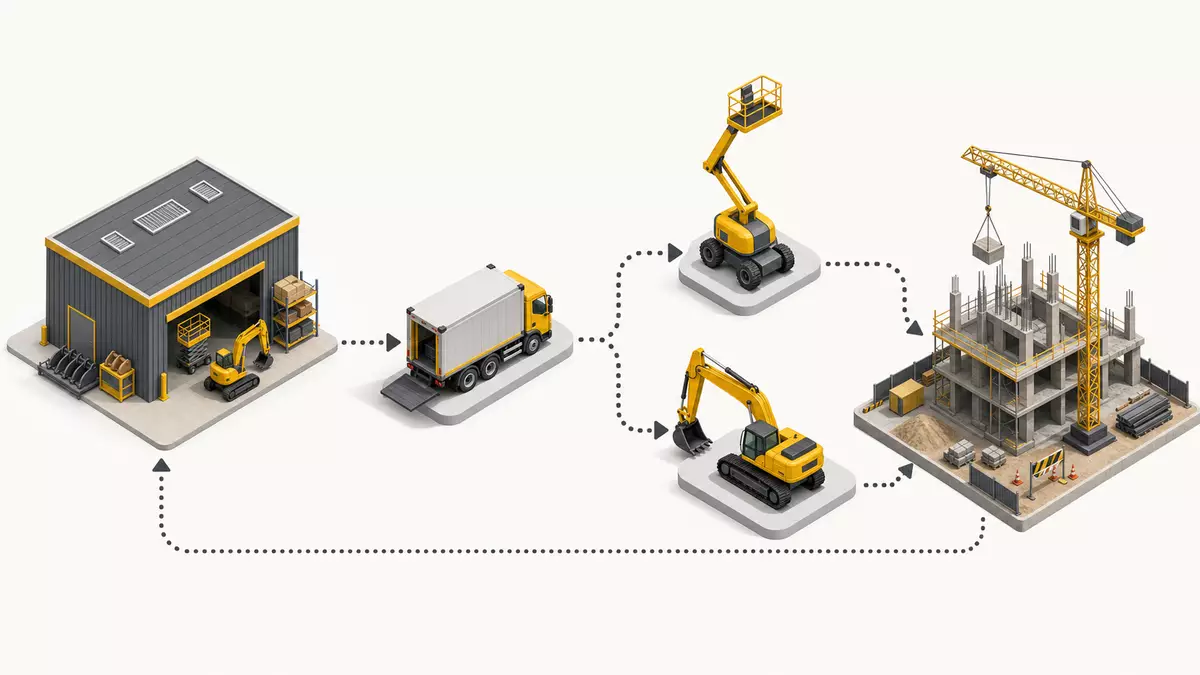
Ashtead’s business is centered on rental equipment rather than permanent product sales, so the company’s reporting rhythm is driven by fleet demand, maintenance spending, and customer utilization. That makes the industrial-rental core the best lens for understanding period-to-period performance.
In that model, sales growth and profitability can change with project timing and end-market conditions, which is why quarterly and half-year figures carry more weight than static company descriptions. The stock tends to respond to those disclosed numbers, not to the long-term category alone.
Closing range
Ashtead stock is best tracked through its latest quoted price and the next reported period, because those are the two markers that usually reset investor expectations. The same logic applies whether the comparison is against the prior year, the prior quarter, or a full-year guide.
Ashtead fact box
- Company: Ashtead Group plc
- ISIN: GB0000533728
- Ticker: LSE: AHT
- Trading venue: London Stock Exchange
- Sector / Industry: Industrials / Equipment Rental
Disclaimer regarding our articles: No investment advice, no buy or sell recommendation. Information on prices, companies, and markets is provided without guarantee; changes are possible at any time. Stock market transactions can lead to substantial losses. Our articles are created and reviewed in whole or in part automatically with the support of AI.