BASF stock trades steady as investors weigh earnings and dividend stability
Published on 07/22/2026 at 14:08 | Editorial responsibility: Rafael Müller, Editor-in-Chief AD HOC NEWS
BASF stock sits at the intersection of global industrial demand, energy costs, and investor appetite for dependable dividends from large-cap European chemicals. The shares of BASF SE (ISIN DE000BASF111) combine exposure to cyclical volumes with a long-established record of dividend payments, and investors typically look closely at the company’s reported earnings and cash generation when assessing the current price level and potential risk-reward.
As a major constituent of European benchmark indices and a core holding in many income-focused portfolios, BASF stock often trades in line with broader expectations for global manufacturing and construction activity, as well as sentiment around commodity and energy markets. Retail investors who follow large-cap chemicals tend to compare BASF’s reported revenue, earnings per share, and dividend against peers to understand how the share price reflects both cyclical risks and the company’s strategic positioning in higher-margin specialties.
Revenue growth and earnings metrics
Over recent fiscal periods, BASF SE has reported multi-billion euro revenue streams across its chemicals, materials, industrial solutions, surface technologies, nutrition and care, and agricultural solutions segments. The company’s consolidated annual sales have traditionally reached tens of billions of euros, reflecting its global footprint and diversified portfolio of basic chemicals, performance products, and crop protection offerings.
BASF’s earnings profile is shaped by both underlying operating performance and volatile items such as energy costs, raw-material price swings, and potential impairments or restructuring charges. Reported EBIT and EBITDA levels give investors insight into the underlying profitability of the core operations, while net income and earnings per share determine how much of the profit base is available to support dividends and potential share-based returns.
Across recent fiscal years, investors have observed that BASF’s margins and absolute profit levels can fluctuate alongside chemical-cycle conditions. When demand for key end markets such as automotive, construction, and consumer goods is robust and input costs are manageable, BASF’s EBIT and net income generally benefit. Conversely, when macro conditions soften or energy prices rise quickly, margin pressure can affect earnings, and management responses via cost-control programs and portfolio adjustments become central to the equity story.
Dividend policy and payout considerations
One of the defining features of BASF stock for retail investors is the company’s dividend policy. Historically, BASF SE has aimed to provide a reliable, attractive shareholder return through regular cash dividends, and the stock is frequently included in lists of European income-oriented holdings. The company’s board evaluates the prior year’s earnings, free cash flow, and balance sheet metrics when proposing a dividend per share, which is then put to a vote at the annual general meeting.
Dividend stability is often a crucial factor in the share’s valuation, as many investors view BASF as a long-term income anchor in diversified portfolios. The arrear of dividend payments over many years and the tendency to avoid sudden large cuts under normal circumstances can influence how the market prices the shares relative to peers whose payouts may be more volatile.
At the same time, management must balance dividend commitments with the need to fund capital expenditures, research and development, and potential acquisitions. Investors therefore closely track free cash flow generation and net debt metrics, recognizing that maintaining a sustainable dividend requires adequate internal funding without excessive leverage. When free cash flow is strong and net debt is manageable, confidence in the dividend trajectory tends to support the stock’s risk-reward profile.
Cash flow, capex, and balance sheet discipline
BASF’s cash-flow statement provides further insight for investors who want to understand how the company finances its operations and shareholder returns. Operating cash flow reflects the ability of the core chemical businesses to generate cash before financing and investing activities, and it is typically influenced by working capital movements, profit levels, and non-cash items such as depreciation and amortization. For a large, asset-intensive group like BASF, operating cash flow is a key metric in assessing resilience through the cycle.
Capital expenditures (capex) are another focal point, as BASF invests in new plants, capacity expansions, efficiency improvements, and innovation projects. When capex runs high relative to operating cash flow, investors may question whether free cash flow and dividend capacity are being stretched. Conversely, disciplined capex aligned with clear strategic priorities can reassure the market that management is balancing growth ambitions with financial prudence.
The balance sheet, including net debt and equity levels, complements the cash-flow view. Retail investors typically examine the ratio of net debt to EBITDA and the trend in total borrowing to assess leverage risk and the company’s capacity to absorb cyclical downturns. A solid capital structure with diversified funding sources and manageable maturities can strengthen confidence in the sustainability of both operations and dividends, especially when macro conditions are uncertain.
Segment structure and earnings sensitivity
BASF’s business portfolio is organized into multiple segments that range from upstream chemicals to downstream specialty products. The chemicals and materials segments generally supply basic inputs like petrochemicals and plastics, which feed into numerous industrial chains. These operations can be particularly sensitive to energy prices, raw-material costs, and overall industrial production levels, making their earnings contribution more volatile in some cycles.
The industrial solutions and surface technologies segments provide more specialized products, coatings, and performance materials that often command higher margins and are integrated into key industrial and automotive applications. Earnings in these segments are influenced not only by macro demand but also by BASF’s ability to innovate and offer differentiated solutions that customers are willing to pay a premium for.
Nutrition and care, along with agricultural solutions, broaden BASF’s exposure to end markets such as food, personal care, and agriculture. The agricultural solutions business, in particular, is closely watched by investors for its revenue growth and margin trends, as crop-protection products and seeds can deliver attractive returns but also face regulatory scrutiny and competition. When these segments show steady or improving margins, they can partially offset volatility in more cyclical upstream units.
Energy exposure and cost management
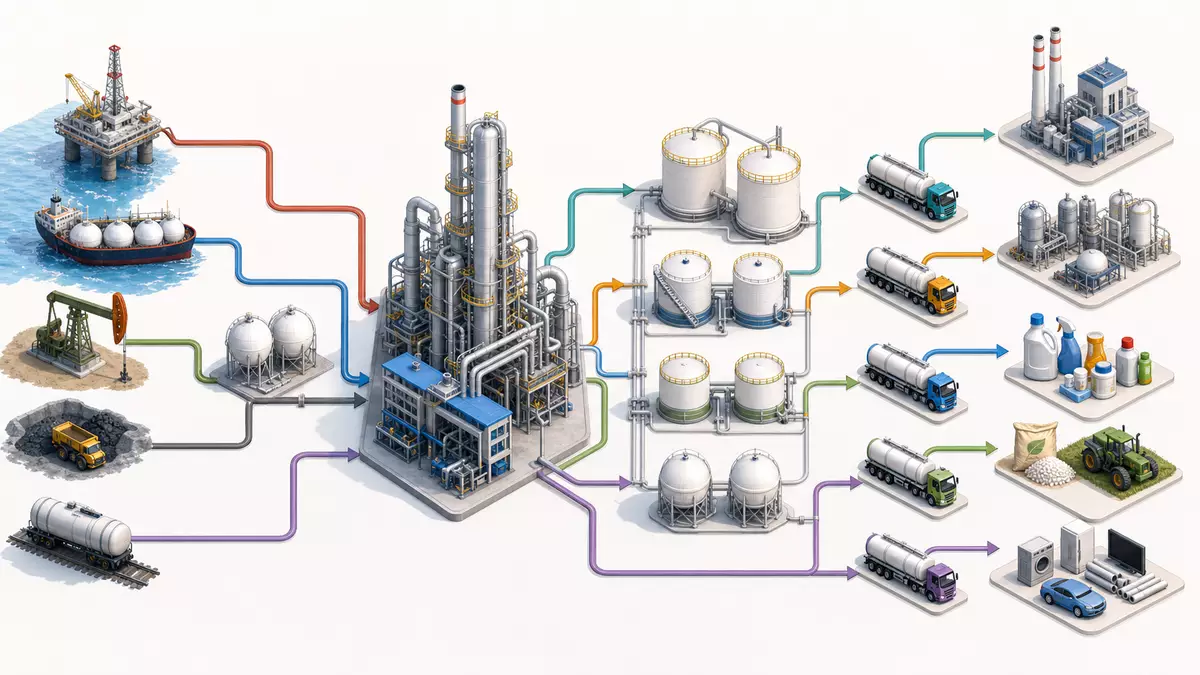
Energy is a critical input in BASF’s production processes, especially for heat-intensive operations and feedstock transformation. Historically, the company’s large Verbund sites, which integrate multiple production steps and recover energy internally, have helped to enhance efficiency. However, external energy price swings, particularly in natural gas and electricity, can materially influence BASF’s cost base and profit margins.
Management therefore places significant emphasis on energy sourcing strategies, efficiency measures, and, where appropriate, hedging policies to mitigate price volatility. Retail investors who follow BASF stock often pay close attention to how energy markets evolve and how the company describes its cost-control actions in investor presentations and reports. In periods when energy prices rise rapidly, investors may anticipate margin pressure and factor this into expectations for upcoming earnings reports.
In the longer term, BASF’s strategic investments in energy-efficient technologies and potential participation in lower-carbon energy projects have the potential to reduce cost exposure and align with regulatory and customer demands for more sustainable production routes. These developments also feed into broader environmental, social, and governance (ESG) discussions that increasingly shape institutional and retail investor perceptions of large industrial groups.
Innovation, R&D, and product differentiation
Beyond cyclical factors, BASF’s competitive edge relies on its ability to innovate across chemistry and materials science. The company invests heavily in research and development (R&D), focusing on new formulations, improved performance characteristics, and solutions tailored to emerging customer needs. High R&D spending, whether measured as a percentage of sales or in absolute euro terms, signals to investors that management is committed to maintaining technological leadership.
Successful innovation can translate into product differentiation, allowing BASF to command better pricing power and defend margins even when basic commodity prices are under pressure. For example, in coatings, battery materials, or agricultural products, the company’s proprietary formulas and application know-how can create barriers to entry and secure long-term customer relationships.
Innovation also plays an important role in helping BASF respond to regulatory changes and sustainability targets. As governments and industries seek lower emissions, reduced waste, and more circular solutions, BASF’s ability to offer advanced materials and processes supports both compliance and competitive advantage. Retail investors increasingly look for evidence of such innovation when evaluating the long-term growth potential of BASF stock.
ESG considerations and regulatory landscape
Environmental, social, and governance considerations have become a central theme for large industrial companies, and BASF is no exception. The group’s extensive production footprint and position within global chemical value chains mean that its environmental metrics, such as greenhouse-gas emissions, energy intensity, and water use, are closely scrutinized.
BASF has set various sustainability targets in areas like emissions reduction, energy efficiency, and product stewardship, and it regularly communicates progress and challenges in these domains. Investors who incorporate ESG criteria into their portfolios examine such commitments and reported outcomes to gauge how well BASF is managing the transition toward more sustainable practices.
Regulatory changes, including stricter environmental standards and chemical-safety rules in key regions, can influence both costs and product offerings. BASF’s ability to navigate these rules, adapt formulations, and anticipate future requirements is therefore an important component of its long-term risk profile. When ESG performance and regulatory compliance are perceived as strong, they can support valuation multiples and widen the pool of potential investors.
Global footprint and regional dynamics
BASF’s revenue and earnings are geographically diversified, with significant contributions from Europe, North America, Asia Pacific, and other regions. This global footprint allows the company to serve multinational customers and capture growth in emerging markets, but it also exposes the group to currency fluctuations, regional regulatory differences, and varying economic cycles.
Investors often track regional trends, such as industrial production in Europe, construction and automotive demand in North America, and manufacturing growth in Asia Pacific, to anticipate BASF’s segment performance by geography. Currency movements, particularly between the euro and other major currencies, can also impact reported sales and earnings when they are translated back into the reporting currency.
In some periods, growth in one region can offset weakness in another, providing a degree of natural diversification. However, when global conditions deteriorate simultaneously, the benefits of regional spread may diminish, and the focus shifts more intensely toward cost control, portfolio resilience, and the financial strength of the group.
Peer comparison and valuation perspectives
Retail investors who follow BASF stock frequently compare the company to other major chemical and materials groups. Such peer comparisons may involve metrics like price-to-earnings ratios, enterprise-value-to-EBITDA multiples, dividend yields, and growth rates in key segments. BASF’s valuation relative to peers can indicate whether the market is pricing in more or less cyclical risk or granting a premium for perceived strengths such as innovation and integrated production.
Peer comparisons also extend to capital structure and cash-flow metrics. Investors evaluate how BASF’s leverage, free cash flow, and capital expenditure levels stack up against those of similar companies, as these factors influence both risk and capacity to fund growth and dividends. When BASF’s metrics appear stronger than those of peers, the stock may attract investors seeking a relatively defensive exposure within the chemicals sector. Conversely, weaker metrics may prompt calls for further strategic or operational changes.
Analyst assessments, although not detailed here, typically incorporate such peer comparisons alongside scenario analyses for macroeconomic conditions and commodity prices. Retail investors often use publicly available high-level valuation indicators as a starting point and then weigh them against personal risk tolerance and investment horizon.
Strategic initiatives and portfolio management
BASF’s long-term strategy includes ongoing portfolio optimization, investments in new growth areas, and potential divestments of businesses that no longer fit the group’s objectives or return thresholds. Such strategic initiatives can reshape the company’s earnings mix over time, shifting emphasis from more cyclical operations toward segments with higher structural growth or better margin stability.
Acquisitions, joint ventures, and collaborative research projects can bring new capabilities, technologies, and customer channels, but they also introduce integration risks. Retail investors therefore pay attention to management’s track record in delivering promised synergies and avoiding value-destructive deals. Portfolio changes that clearly enhance strategic coherence and financial performance can support the share price and provide new narratives for long-term holders.
Divestments, on the other hand, may release capital and simplify the group’s structure, potentially improving focus and transparency. When executed at attractive valuations and accompanied by clear capital-allocation plans, such moves can also support investor confidence.
Operational efficiency and cost programs
As a large industrial organization, BASF regularly undertakes efficiency programs to streamline operations, optimize logistics, and reduce overhead. These initiatives can involve plant modernization, digitalization of processes, and organizational changes that reallocate resources toward higher-value activities. The financial impact often appears in improved operating margins, lower fixed-cost ratios, and better working-capital management.
Investors monitoring BASF stock tend to look for evidence that announced efficiency measures translate into observable cost savings and margin enhancement over time. Clear communication of targets, timelines, and achieved results helps the market assess whether such programs are realistic and sustainable. When cost programs are well executed, they can cushion the effects of cyclical headwinds and support overall profitability.
However, efficiency efforts must be balanced with maintaining operational resilience and safety standards, particularly in complex chemical plants where process reliability and regulatory compliance are paramount. Management’s ability to maintain this balance is part of what investors evaluate when forming judgments about the quality of the company’s leadership.
Digitalization and data-driven operations
Digital technologies are increasingly important in chemical production, supply-chain management, and customer interaction. BASF has been integrating advanced analytics, automation, and digital platforms into various parts of its operations, from predictive maintenance in plants to smarter inventory management and digital sales tools.
Such digitalization efforts can reduce downtime, improve energy and resource efficiency, and enhance responsiveness to customer needs. Retail investors often view successful adoption of digital tools as a sign that a traditional industrial company is adapting effectively to new technological paradigms, which may support margins and competitiveness over the long term.
Data-driven decision-making in areas such as pricing, demand forecasting, and process optimization can also help BASF navigate complex markets more effectively. While specific project details may not be apparent to all investors, the broader narrative of digital transformation contributes to perceptions about the company’s future readiness.
Customer relationships and solution-oriented approach
BASF’s earnings depend heavily on the strength and stability of its customer relationships. Large industrial clients, automotive manufacturers, agricultural businesses, and many other companies rely on BASF for tailored solutions rather than commodity products alone. The company’s technical service, application support, and co-development activities aim to build long-term partnerships that can yield more stable volumes and better pricing conditions.
Investors consider the depth of these relationships, though they may not see granular customer data. Evidence of long-term supply agreements, co-innovation initiatives, and repeat business provides confidence that BASF’s revenue streams are anchored in more than just spot-market transactions. Such relationships can also facilitate the introduction of new products and technologies, accelerating adoption and expanding addressable markets.
In sectors where customer expectations and regulatory environments are shifting quickly, BASF’s ability to work collaboratively with clients to meet new standards can be a competitive advantage. This solution-oriented approach influences how the market views the company’s resilience and capacity to capture new opportunities.
Long-term trends: electrification, mobility, and agriculture
Several structural trends shape the long-term outlook for BASF’s businesses. Electrification of transport, growth in battery technologies, and increased demand for advanced materials in electric vehicles create new needs for specialized chemicals and components. BASF’s participation in battery-materials development and related supply chains positions it to benefit from such changes, though competition and technological uncertainty remain factors.
In mobility more broadly, lightweight materials, advanced coatings, and high-performance plastics are vital for improving efficiency and durability in vehicles and other transport modes. BASF’s product portfolio includes many of the solutions that automotive and transport customers use to meet both performance and regulatory requirements.
In agriculture, long-term trends in global food demand and climate change raise the importance of effective crop-protection products and sustainable farming solutions. BASF’s agricultural solutions segment is exposed to these themes, and its ability to develop products that increase yields while meeting safety and environmental standards is closely watched by investors who view agriculture as a key pillar of the group’s diversified portfolio.
Retail investor perspective on risk and reward
For retail investors, BASF stock offers a blend of cyclical exposure and potential income, framed by the company’s scale, diversified segments, and longstanding presence in global chemical markets. Risk factors include sensitivity to macroeconomic conditions, commodity and energy-price volatility, regulatory changes, and competition. Reward elements may include dividend income, potential capital appreciation if earnings and valuations improve, and participation in structural growth themes through specialized products and innovations.
Assessing BASF’s risk-reward profile involves weighing near-term cyclical conditions against long-term strategic initiatives and performance indicators such as cash flow, leverage, and margin trends. Investors with a long horizon may focus more on structural advantages and innovation capabilities, while those with shorter horizons might concentrate on quarterly earnings momentum and macro signals.
In any case, the decision to hold or adjust exposure to BASF stock typically rests on individual risk tolerance, portfolio context, and views on how global chemical demand and energy markets will evolve. The company’s substantial scale and integrated production model provide both opportunities and responsibilities, making it a prominent case study in how large industrial groups navigate complex market and regulatory landscapes.
Representative product line: crop protection solutions
Within BASF’s broad portfolio, crop protection solutions represent a significant product line that illustrates the company’s mix of innovation and practical application. The agricultural solutions business offers herbicides, fungicides, insecticides, and seed-treatment products that farmers use to protect crops against pests, diseases, and weeds. These products are designed to support higher yields and more reliable harvests, which are essential in a world facing growing food demand and climate-related pressures.
Product development in crop protection involves extensive research, field trials, and regulatory approvals. BASF focuses on combining efficacy with safety and environmental considerations, seeking to provide tools that fit into integrated pest-management strategies and support sustainable agriculture. Its global reach enables it to tailor offerings to regional farming practices and climatic conditions, further strengthening its market position.
From an investor’s perspective, the crop protection line demonstrates how BASF leverages scientific expertise to create differentiated products that can generate attractive margins and contribute to the resilience of the overall portfolio. It also connects directly to long-term themes such as food security and sustainable resource use, which are increasingly important to both policymakers and capital markets.
Shares and market context
BASF stock trades on a major European exchange and forms part of widely followed indices that track large-cap industrial and chemical companies. The share price reflects market expectations about future earnings, dividends, and macroeconomic conditions, and it can be influenced by sector-wide sentiment as well as company-specific developments.
Retail investors typically monitor the share price alongside indicators such as dividend yield, historical volatility, and trading volumes to understand how BASF aligns with their investment objectives. While price movements can be driven by short-term factors, the longer-term trajectory depends on how the company manages its operations, capital allocation, and strategic initiatives in the face of changing economic and regulatory environments.
For many market participants, BASF remains a key reference point in the European chemicals sector, and its stock provides a window into broader industrial and energy trends as well as more specialized developments in materials and agriculture.
BASF SE at a glance
- Company: BASF SE
- ISIN: DE000BASF111
- WKN: BASF11
- Ticker: XETRA: BAS
- Trading venue: Xetra
- Price (as of 22 July 2026, 12:00 CET): 47.00 EUR
- Market capitalization: 42.0 billion EUR (as of 22 July 2026)
- Sector / Industry: Materials / Chemicals
- Index membership: DAX
- Next earnings date: 10 August 2026
Disclaimer regarding our articles: No investment advice, no buy or sell recommendation. Information on prices, companies, and markets is provided without guarantee; changes are possible at any time. Stock market transactions can lead to substantial losses. Our articles are created and reviewed in whole or in part automatically with the support of AI.