
Blink-182 mark a new era with stadium-scale pop-punk
Published on 06/14/2026 at 15:00 | Editorial responsibility: Rafael Müller, Editor-in-Chief AD HOC NEWS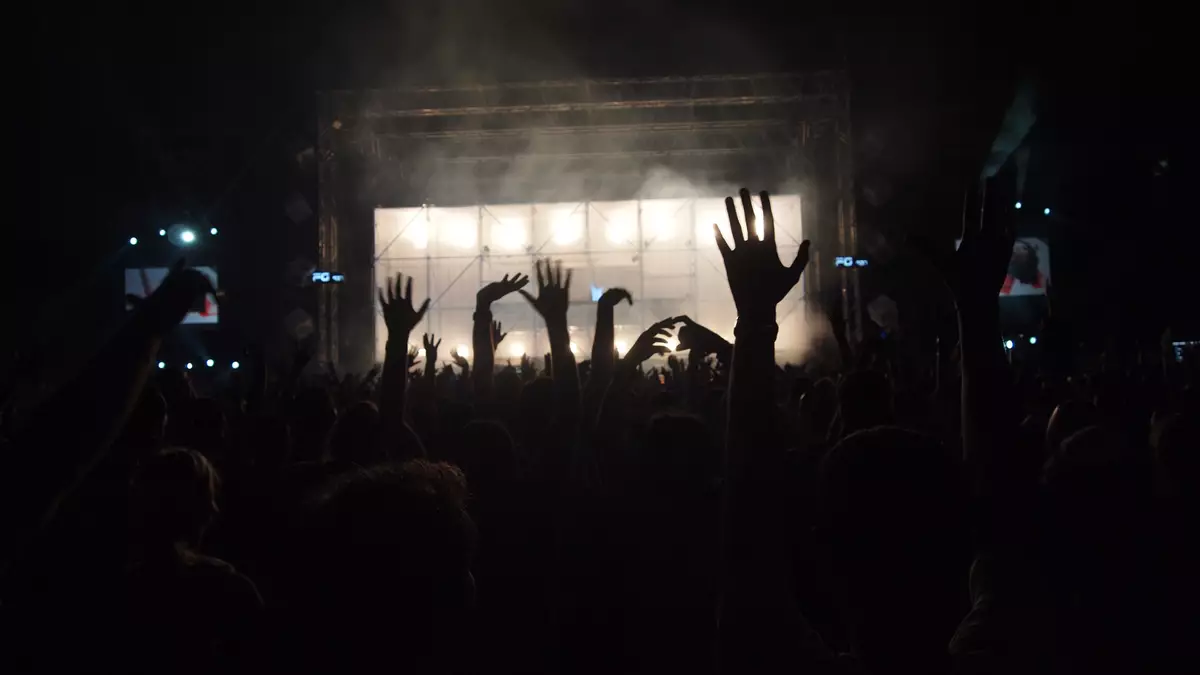
When Blink-182 tear into All the Small Things in front of a packed arena, it is more than nostalgia; it is proof that the San Diego trio turned pop-punk into a cross-generational language that still hits hard for teens and forty-somethings alike.
From the AD HOC NEWS Music Desk » Rock & Pop Desk — The editors of the AD HOC NEWS Music Desk cover albums, tours, charts, and scene developments across the US and international markets daily with AI support. Published: 14.06.2026 · Last reviewed: 14.06.2026, 14:59:07 ET
From skate-punk misfits to arena headliners
Blink-182 came out of the Southern California skate-punk scene in the mid-1990s, sharpening a sound that pulled equal parts from hardcore, melodic punk, and radio-ready power pop.
Anchored by Mark Hoppus on bass and vocals, Tom DeLonge on guitar and vocals, and Travis Barker on drums, the trio took the underground hustle of regional punk and translated it into songs with massive sing-along choruses.
They formed in the San Diego area, playing small venues and all-ages shows where their mix of fast tempos and off-the-wall stage banter made them stand out against a backdrop of more earnest punk groups.
Independent releases built word of mouth before major labels fully understood that this strain of pop-punk could crossover in the US suburbs far beyond California.
The band first gained broader visibility with early work that laid out their formula: tight arrangements, self-deprecating humor, and hooks that lingered long after the distortion faded.
Even in those formative years, Hoppus and DeLonge showed a knack for conversational melodies that felt like overheard fragments from a high-school hallway, set against Barker's increasingly athletic drumming.
The interplay between bratty comedy and real emotional weight quickly distinguished them from many peers who leaned solely on punk sarcasm or earnestness without the same balance.
As their profile grew, Blink-182 benefited from the late-1990s boom in alternative and rock radio, which gave space to guitar bands that could deliver three-minute songs heavy on melody and personality.
That broader exposure set the stage for the band to move from regional fixtures to national headliners in the US, turning their in-jokes into shared reference points for an entire generation.
The group leaned into their visual identity as well, using videos heavy on slapstick, suburban satire, and low-budget absurdity, which made them naturals for the TRL-era rotation on music television.
Word-of-mouth from tours and early singles paved the way for their breakout period, when Blink-182 would step beyond the punk clubs and into arenas while still feeling like the same sarcastic kids from Southern California.
- Southern California roots in skate-punk culture
- Trio lineup: Mark Hoppus, Tom DeLonge, Travis Barker
- Blend of humor, hooks, and high-energy live shows
- Breakout during the late-1990s alternative-rock wave
Blink-182 as a bridge between eras of pop-punk
For US listeners tracing the story of pop-punk, Blink-182 serve as the crucial bridge from the scrappy underground of the 1980s and early 1990s to the mainstream-embracing, festival-ready sound that would dominate the 2000s.
They arrived in the wake of bands like Green Day and The Offspring breaking onto US charts, but Blink-182 carved out a more overtly adolescent, heart-on-sleeve tone that put everyday suburban life front and center.
With Hoppus and DeLonge trading vocals and perspectives, the group could pivot from snotty breakup songs to unexpectedly vulnerable tracks, mirroring the emotional whiplash of adolescence itself.
Barker's arrival behind the drum kit gave the band a precision and flair that elevated even their fastest tracks, adding hip-hop-influenced fills and rhythmic ideas without losing the core punk drive.
The band became a staple for US teenagers finding their first favorite rock group in the late 1990s and early 2000s, with many fans encountering them via radio hits and music television before diving into the albums.
At the same time, Blink-182 retained enough of their punk DNA to stay connected to scenes that valued speed, directness, and a do-it-yourself attitude, making them a key gateway act between underground and mainstream.
US festivals and large tours would later position them alongside pop-punk and emo-adjacent acts that cited Blink-182 as a direct influence, reinforcing the band as a connective thread for multiple generations of fans.
By combining major-label resources with a tone that still felt like friends cracking jokes in a garage, they offered an accessible path into guitar music for listeners who might have been intimidated by heavier punk or metal.
In the streaming era, their catalog now draws in younger fans who were not yet born when the early hits were climbing US charts, demonstrating how those melodies and themes travel well beyond their original context.
That cross-generational resonance has helped Blink-182 stay present in playlists and festival lineups even as the broader pop landscape has shifted toward hip-hop, electronic, and hybrid genres.
San Diego roots and the path to breakthrough
Blink-182 trace their origins to Poway, a suburb of San Diego, where Hoppus and DeLonge connected over shared love of punk bands and skate culture.
The duo started writing songs that reflected their immediate world: boredom, crushes, friendship, and the mundane frustrations of teenage life in American suburbs.
Early recordings and shows built a grassroots following in Southern California, where the band shared bills with other punk and ska acts in community centers, small clubs, and all-ages venues.
The arrival of Barker, already recognized as a gifted drummer in the scene, brought a new level of technical skill to the band's sound, making fast songs feel tighter and more explosive.
As independent releases circulated, labels paying attention to the post-grunge landscape realized that energetic bands with a sense of humor could connect with a wide audience.
Blink-182 transitioned from van tours and DIY promotion to the infrastructure of a major label, capturing their youthfully chaotic energy in studios that could deliver the punchy production needed to dominate radio.
The band built momentum through relentless touring, supporting larger acts and gradually moving up festival bills in the US, which helped cement their reputation as a high-energy live act.
Even as their stages grew, the musicians carried forward the playful banter and juvenile jokes that had defined their early club sets, making arena shows feel strangely intimate and unfiltered.
That paradox — a huge production wrapped around juvenile comedy — became central to the Blink-182 mythos and contributed to their appeal both as entertainers and as a band fans felt they could know personally.
Over time, the group would refine their studio work to include moments of introspection and atmosphere, without completely abandoning the straight-ahead power chords that first defined them.
Pop-punk hooks and standout Blink-182 albums
The Blink-182 catalog showcases how the band took a relatively simple toolkit — power chords, brisk tempos, and conversational lyrics — and stretched it into a surprisingly varied body of work.
Albums like Enema of the State and Take Off Your Pants and Jacket are widely regarded as keystones of pop-punk, filled with songs that became staples of late-1990s and early-2000s rock radio in the US.
On Enema of the State, the band honed a glossy yet aggressive sound that turned tracks such as All the Small Things and What' s My Age Again? into anthems for listeners navigating the threshold between adolescence and adulthood.
The follow-up, Take Off Your Pants and Jacket, doubled down on punchy arrangements and gallows humor while also hinting at the more emotionally expansive territory they would explore later.
Self-titled work and later albums showcased a willingness to experiment with darker tones, atmospheric production, and lyrical themes that moved beyond adolescent hijinks toward anxiety, identity, and the complexities of adult life.
Key songs like Stay Together for the Kids, Adam' s Song, and I Miss You demonstrated that Blink-182 could balance painful subject matter with musical immediacy, creating tracks that resonated deeply with fans going through their own upheavals.
The interplay between Hoppus' and DeLonge' s distinct vocal timbres became a defining trait, with one often taking the more grounded or sardonic lines while the other delivered a more yearning or dramatic counterpoint.
Barker' s drum work, filled with rapid-fire fills and genre-crossing influences, pushed the arrangements beyond the straightforward patterns typical of many pop-punk peers.
In production, the band and their collaborators embraced bright guitar tones, thick bass, and clear vocal layering, making sure that every hook felt aimed at the back row of the arena without sacrificing the immediacy of punk.
Across studio albums, live releases, and compilations, Blink-182 curated a songbook that functions almost like a diary of late-1990s and early-2000s youth culture, capturing everything from mall boredom to existential dread in concise, hook-centered packages.
Even less commercially dominant tracks embedded deep on albums have found second lives on streaming platforms, where listeners gravitate toward songs that feel like personal discoveries rather than overexposed singles.
That catalog depth is one reason the band continues to headline large events: fans can argue passionately about favorite deep cuts while still uniting around the undeniable pull of the biggest hits.
How Blink-182 shaped pop and punk culture
Blink-182' s impact on rock and pop culture stretches beyond chart positions, touching fashion, humor, and the emotional vocabulary of a generation raised in US suburbs.
By presenting themselves as flawed, self-mocking protagonists rather than unreachable rock gods, the band invited listeners to see their own awkwardness and confusion reflected back with empathy and laughter.
Countless bands in the 2000s and 2010s cited Blink-182 as a primary influence, borrowing their mix of breakneck tempos, melody-first writing, and lyrics that pivot quickly between crude jokes and earnest confession.
In live settings, the band turned shows into communal events where fans shouted every word, making arenas feel more like outsized local shows than distant spectacles.
Critics from major outlets regularly placed Blink-182 albums and singles on lists summarizing the most important pop-punk or alternative-rock releases of their era, acknowledging the group' s role in turning a once niche sound into mainstream pop-rock vocabulary.
Visually, their music videos and stage presentation helped define the aesthetic of turn-of-the-millennium pop-punk: skateboards, baggy shorts, and a sense of humor about the pressures of fitting into school and work environments.
The band' s willingness to let darker themes into their songs also helped normalize conversations about loneliness, depression, and family fractures among fans who might not have encountered those topics elsewhere in pop music.
As their hits migrated onto nostalgia playlists and throwback radio blocks, Blink-182' s songs became part of a shared cultural memory for listeners who came of age in that era and now pass the music to younger relatives and friends.
At the same time, the group' s influence remains audible in newer scenes where artists blend pop-punk energy with elements from hip-hop, electronic music, and bedroom-pop production, proving that the core blueprint still holds power.
Beyond music, references to the band appear in TV, film, and online culture, where song titles and lyrics serve as shorthand for specific moods or eras, underlining their deep integration into the broader cultural lexicon.
Questions fans still ask about Blink-182
What makes Blink-182 distinct within pop-punk?
Blink-182 stand out for their combination of high-speed, melodic punk with sharp humor and unexpectedly vulnerable lyrics, delivered through the contrasting voices of Mark Hoppus and Tom DeLonge and powered by Travis Barker' s inventive drumming.
Which Blink-182 albums should new listeners start with?
New listeners often begin with Enema of the State and Take Off Your Pants and Jacket, which capture the band' s classic pop-punk sound, then explore later records that introduce darker tones and more experimental production alongside the familiar hooks.
How has Blink-182 influenced newer rock and pop acts?
Blink-182 have influenced bands and artists across pop-punk, emo, and alternative pop by proving that fast, guitar-driven music can carry both slapstick humor and serious emotional content, encouraging newer acts to mix big choruses with candid lyrics about anxiety, relationships, and everyday life.
Streaming Blink-182 and social media presence
Blink-182 remain widely available across streaming platforms and social networks, where legacy fans and new listeners alike share live clips, favorite deep cuts, and memories tied to the band' s music.
Blink-182 – moods, reactions, and trends across social media:
Further reading on Blink-182 at AD HOC NEWS
More coverage of Blink-182 at AD HOC NEWS and elsewhere:
Read more about Blink-182 on the web -> Search all Blink-182 coverage at AD HOC NEWS ->


