
Bob Dylan tour legacy and new archive era
Published on 05/17/2026 at 00:36 | Editorial responsibility: Rafael Müller, Editor-in-Chief AD HOC NEWS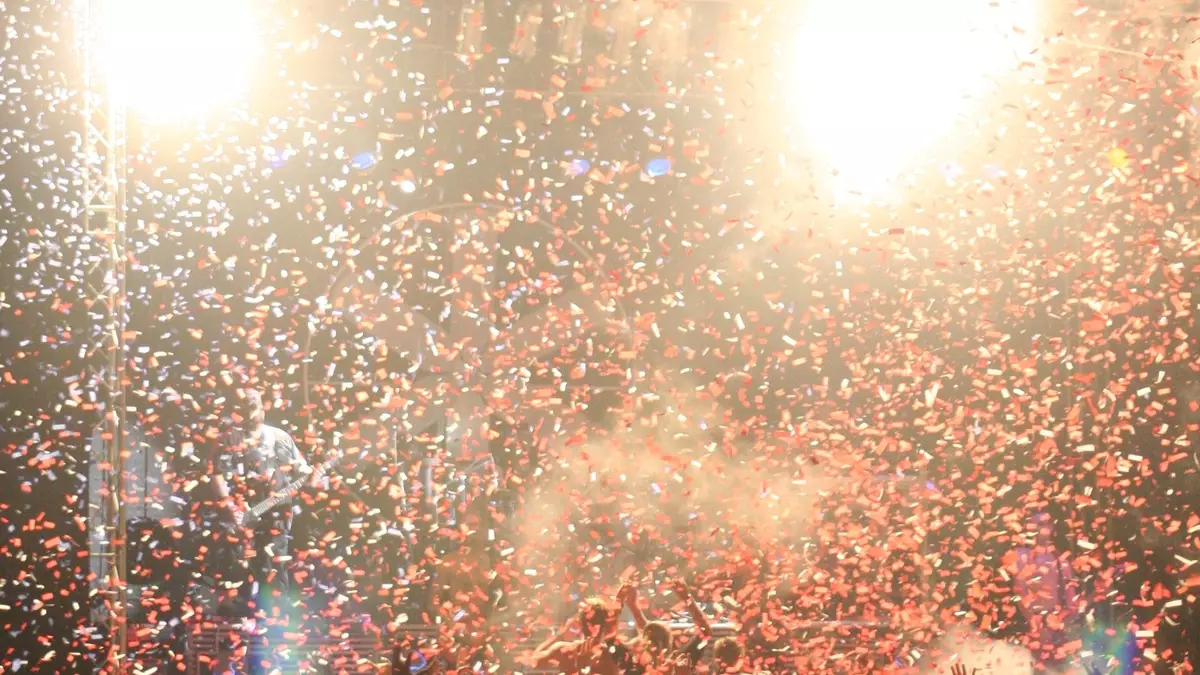
On a spring night in Oklahoma in 2022, Bob Dylan walked onstage at the Brady Theater, locked into his band’s groove, and turned a six-decade songbook into something startlingly new. That nightly reinvention has become the defining image of Dylan in the twenty-first century: a legendary songwriter who refuses to stand still.
Bob Dylan’s latest chapter revolves around the road and the archive
In recent years, Bob Dylan’s career has centered on two parallel stories: the Never Ending Tour, which kept him on American and European stages into the mid 2020s, and an expanding archival universe that continues to reshape how listeners understand his catalog. While there has been no brand-new studio album announced within the last few days, the artist’s world remains active through ongoing touring plans, archival releases, and museum-grade preservation projects.
Billboard has chronicled Dylan’s touring resurgence since the mid 2010s, noting strong box-office demand for shows in New York, Los Angeles, Chicago, and Nashville, even as he leans heavily on recent material like Rough and Rowdy Ways. The New York Times has likewise emphasized how his live arrangements transform classics such as Tangled Up in Blue and Like a Rolling Stone into new shapes, turning each concert into a kind of moving retrospective.
At the same time, the Bob Dylan Center in Tulsa, Oklahoma, which opened to the public in May 2022, has given American fans a physical home for the songwriter’s legacy. According to reporting from NPR and the Associated Press, the center holds more than 100,000 items, from handwritten lyrics and studio tapes to letters and photographs, drawing visitors from across the United States and abroad.
On the recording side, Sony’s Columbia Records has continued to expand the long-running Bootleg Series, with recent volumes diving deep into different eras of Dylan’s work. Rolling Stone and Uncut have praised these releases for their detailed packaging and revelatory outtakes, which offer an X-ray view of how songs like Blind Willie McTell or Mississippi evolved in the studio.
As of May 17, 2026, Dylan’s camp has not publicly confirmed a new studio album or a complete retirement from touring, leaving him in a liminal but still active phase. That uncertainty is part of why his story remains compelling for US audiences: the sense that at any moment he could return to the road with a reconfigured band or unveil another lost chapter from his archives.
- Ongoing focus on touring, particularly in US theaters and historic venues
- Expanding archival projects, including the Bob Dylan Center and Bootleg Series
- Continuing influence on American songwriters, from rock to Americana and indie folk
- Critical reappraisals of late-career albums like Time Out of Mind and Rough and Rowdy Ways
Who Bob Dylan is and why he matters right now
Bob Dylan is widely regarded as one of the most important songwriters in American history, a figure whose impact stretches from 1960s protest music to modern indie rock. Born Robert Zimmerman in Duluth, Minnesota, and raised in Hibbing, he moved to New York City in 1961 and quickly became a central voice in the Greenwich Village folk scene.
His early work, including songs like Blowin' in the Wind and The Times They Are a-Changin', became anthems of the civil rights and antiwar movements. NPR Music has described these pieces as a kind of secular hymnody for the United States, shaping how generations of listeners thought about politics, justice, and personal responsibility.
For younger audiences encountering Dylan through playlists and TikTok snippets rather than vinyl or FM radio, the artist functions less as a distant monument and more as a living catalog. Songs from across his career regularly appear in film soundtracks, prestige TV dramas, and streaming-era discovery playlists on Spotify and Apple Music, keeping his work in circulation for listeners who were born decades after his 1960s peak.
Recognition from institutions has followed. Dylan has won multiple Grammy Awards, including Album of the Year for Time Out of Mind in 1998, and received the Presidential Medal of Freedom in 2012. In 2016, he became the first songwriter to receive the Nobel Prize in Literature, a decision that The Washington Post and The Guardian both framed as a major moment for popular music’s artistic recognition.
Yet Dylan’s ongoing relevance is not solely institutional. Contemporary artists across genres, from Bruce Springsteen and Patti Smith to more recent acts like The War on Drugs, Jason Isbell, and Phoebe Bridgers, have cited him as a key influence. For US listeners navigating a fragmented streaming landscape, Dylan provides a point of continuity, a songwriter whose work connects folk, rock, country, blues, and even gospel traditions.
From Minnesota to New York: Dylan’s origin and rise
Dylan’s origin story has been told and retold in countless biographies, but certain details remain central. After absorbing early rock and roll and blues on Midwestern radio stations, the young musician became deeply interested in folk music, inspired by artists like Woody Guthrie. According to American Songwriter and biographies reported on by The New York Times, he hitchhiked to New York in the winter of 1961 specifically to visit Guthrie, who was then hospitalized in New Jersey.
Settling into the Greenwich Village scene, the young performer played coffeehouses like Gerde’s Folk City and the Gaslight Cafe, quickly developing a reputation for original songs that combined traditional structures with sharp, contemporary imagery. Columbia Records signed him in 1961, and his self-titled debut album Bob Dylan was released the following year, mixing covers with a handful of originals.
The breakthrough came with albums like The Freewheelin' Bob Dylan in 1963 and The Times They Are a-Changin' in 1964. These records introduced a wave of songs that captured the moral urgency of the civil rights era and the early Vietnam years. Rolling Stone has ranked many of these tracks among the greatest songs of all time, underlining how quickly Dylan vaulted from folk-club regular to generational voice.
In 1965, Dylan famously went electric at the Newport Folk Festival, a moment that has entered American music lore. Accounts from the time, revisited by outlets like NPR and PBS, describe a mix of boos and cheers as Dylan and his band launched into amplified versions of new material. That decision, crystallized on the albums Bringing It All Back Home, Highway 61 Revisited, and Blonde on Blonde, helped define the fusion of folk and rock that would shape late 1960s pop music.
The late 1960s and early 1970s were marked by personal and artistic shifts. After a motorcycle accident in 1966, Dylan retreated from public life, recording a series of informal sessions with The Band that would later emerge as The Basement Tapes. He returned with the country-leaning John Wesley Harding and Nashville Skyline, signaling that he would not be confined to the psychedelic rock template of the era.
Through the 1970s, Dylan’s career moved through phases of domestic reflection, romantic turmoil, and religious searching, documented on albums like Blood on the Tracks, Desire, and his late 1970s gospel records. Music critics at outlets such as Rolling Stone and MOJO view this period as one of his richest, full of narrative songs that feel almost cinematic in their detail.
Signature sound, constant reinvention, and key works
Across his discography, Dylan’s signature is less a fixed sound than a restless approach to songs. His voice, at times nasal, at times roughened by age and touring, has always divided listeners, but it remains instantly recognizable. The songwriting, with its blend of surreal imagery, topical commentary, humor, and heartbreak, is what unites his many eras.
Early acoustic albums foreground the troubadour figure: one man, a guitar, a harmonica rack, and words that cut through the noise of the day. As Dylan plugged in, he began working with bands that emphasized swagger and volume, leaning into blues-based riffs and organ swells. The sessions that produced Highway 61 Revisited and Blonde on Blonde, detailed in sessions notes examined by Uncut and the Bootleg Series, show a writer comfortable throwing ideas at the wall in the studio, letting spontaneity shape classics like Like a Rolling Stone and Visions of Johanna.
Producer Bob Johnston played a crucial role in that mid-1960s stretch, overseeing sessions in New York and Nashville. Later, Daniel Lanois would become an important collaborator, helping to shape the atmospheric sound of Oh Mercy in 1989 and the Grammy-winning Time Out of Mind in the late 1990s. Critics at Pitchfork and Spin have pointed to those albums as late-career reinventions, bringing Dylan’s songwriting into a modern sonic frame without sacrificing his lyrical depth.
Key albums often cited by fans and critics include:
The Freewheelin' Bob Dylan (1963) — The breakthrough, featuring songs that became core to the American protest canon.
Highway 61 Revisited (1965) — A cornerstone rock record, with electric arrangements that helped define 1960s rock music.
Blonde on Blonde (1966) — A sprawling double album whose surreal, layered lyrics still invite new interpretations.
Blood on the Tracks (1975) — Often viewed as Dylan’s most emotionally direct collection, chronicling love, loss, and regret.
Time Out of Mind (1997) — A late-century comeback that earned Album of the Year at the Grammys, steeped in mortality and blues.
Rough and Rowdy Ways (2020) — His first album of new original songs in eight years, released amid a global pandemic and praised by The New York Times and Rolling Stone for its meditative, late-style wisdom.
Individual songs have taken on lives of their own. All Along the Watchtower gained new meaning through Jimi Hendrix’s incendiary cover. Knockin' on Heaven's Door became a rock standard. Ballads like Simple Twist of Fate and Shelter from the Storm have been interpreted by country singers, indie bands, and jazz artists alike. Dylan’s compositions continue to function as a shared repertoire across American genres.
On stage, Dylan is notorious for rearranging his hits, sometimes to the point where casual listeners do not recognize them until the chorus. Live reviews from outlets like Variety and the Los Angeles Times often note how these shifting arrangements keep the songs alive for the artist, even if they occasionally frustrate fans expecting note-for-note recreations of familiar recordings.
Cultural impact, awards, charts, and US touring legacy
Dylan’s cultural impact is hard to overstate. His 1960s material soundtracked key moments of American history, but his influence extends well beyond that decade. According to the Recording Industry Association of America (RIAA), Dylan has earned multiple Gold and Platinum certifications in the United States, reflecting millions of albums sold across formats.
He has charted repeatedly on the Billboard 200, with albums like Blood on the Tracks, Desire, and Modern Times reaching high positions. Billboard reports that Modern Times, released in 2006, debuted at number one on the Billboard 200, a rare feat for a veteran artist several decades into a career. More recently, Rough and Rowdy Ways also debuted near the top of the chart, underlining his continued commercial strength in the streaming era.
On the awards front, Dylan’s list is long. In addition to his Grammys and Nobel Prize in Literature, he received a special citation from the Pulitzer Prize board in 2008 for his profound impact on popular music and American culture. His Rock and Roll Hall of Fame induction came in 1988, affirming his foundational role in the rock canon.
Touring is another key pillar of Dylan’s legacy. The so-called Never Ending Tour, which began in 1988, kept him on the road for much of every year over several decades, with American stops ranging from small theaters to arenas. Venues such as Madison Square Garden in New York, the Hollywood Bowl in Los Angeles, Red Rocks Amphitheatre in Colorado, and Nashville’s Ryman Auditorium have all hosted Dylan shows that fans trade recordings of and discuss in detail.
Pollstar and Billboard Boxscore have documented how Dylan’s touring strategy emphasizes multi-night stands in midsize venues and college towns, rather than solely relying on blockbuster stadium shows. This approach has allowed him to stay connected to audiences across the United States, from coastal cities to smaller markets in the Midwest and South.
Beyond numbers and awards, Dylan’s cultural footprint shows up in more subtle ways. University literature courses assign his lyrics alongside American poets. Filmmakers like Martin Scorsese have devoted documentaries to him, including No Direction Home and Rolling Thunder Revue, mixing archival footage with new interviews. Tribute albums and all-star concerts, from Nashville to Newport, continue to reinterpret his work.
Contemporary debates around authorship, authenticity, and appropriation in popular music often trace lines back to Dylan’s career, from his early use of traditional melodies to his electric transformation at Newport. Critics at Pitchfork and The New Yorker have used his catalog as a lens through which to examine the evolution of American identity itself, particularly in times of political polarization.
In the streaming era, Dylan’s songs remain steady performers. While they may not dominate the weekly Billboard Hot 100 in the way new pop hits do, catalog plays on services like Spotify, Apple Music, and YouTube contribute to a constant background presence. When a song like Masters of War or Hurricane surfaces in coverage of current events, it highlights how his work continues to resonate with contemporary news cycles.
Frequently asked questions about Bob Dylan
How many albums has Bob Dylan released, and what is his most recent studio work?
Bob Dylan has released dozens of studio albums since his early 1960s debut, spanning folk, rock, country, gospel, and more experimental approaches. His most recent album of new original songs is Rough and Rowdy Ways, which came out in 2020 through Columbia Records. As of May 17, 2026, no follow-up of entirely new compositions has been officially announced, though archival projects and live releases continue.
Why is Bob Dylan considered so influential in American music?
Dylan is considered influential because he expanded what pop and rock lyrics could do, bringing literary techniques, political commentary, and deeply personal storytelling into mainstream music. According to Rolling Stone and NPR Music, his songs helped redefine the role of the singer-songwriter in the 1960s and opened doors for later generations, from classic rock artists to indie folk performers. His willingness to shift styles and personas has also inspired artists to prioritize artistic freedom over audience expectations.
Has Bob Dylan stopped touring the United States?
Bob Dylan has slowed his touring pace compared with the most intense years of the Never Ending Tour, but he has not formally announced a permanent retirement from the road. In the early 2020s, he continued to schedule US and European runs, often focusing on theaters and historic venues rather than arenas. Fans monitor his official website and major ticketing platforms for new date announcements, which are usually confirmed by outlets like Billboard or Variety.
What genres does Bob Dylan’s music cover?
While often labeled a folk or rock artist, Dylan’s catalog crosses many genres. His work includes acoustic protest songs, electric rock, country, gospel, blues, and even crooner-style interpretations of American standards. Critics at outlets such as American Songwriter and MOJO argue that this genre fluidity is a key part of his appeal, allowing listeners from different backgrounds to connect with different eras of his output.
Where can US fans explore Bob Dylan’s archives and legacy in person?
US fans have several options for exploring Dylan’s legacy beyond records and streaming. The Bob Dylan Center in Tulsa, Oklahoma, offers exhibits built from his archives, including manuscripts and studio materials. The Rock and Roll Hall of Fame in Cleveland, Ohio, regularly features artifacts and displays related to Dylan’s career. In New York City, walking tours of Greenwich Village often highlight landmarks from his early 1960s years, connecting visitors with the neighborhoods where he first made his name.
Bob Dylan on social media and streaming
Even though Dylan himself is famously private and not personally active on many platforms, his music and image circulate widely across digital spaces. Official label and estate channels, fan accounts, and streaming playlists all work together to keep new listeners discovering his catalog every day.
Bob Dylan – moods, reactions, and trends across social media:
More coverage from AD HOC NEWS
More coverage of Bob Dylan at AD HOC NEWS:
Read more on Bob Dylan at AD HOC NEWS ->Browse all Bob Dylan coverage at AD HOC NEWS ->


