Deutsche EuroShop stock trades steady as shopping center FFO and occupancy remain resilient
Published on 07/25/2026 at 09:16 | Editorial responsibility: Rafael Müller, Editor-in-Chief AD HOC NEWS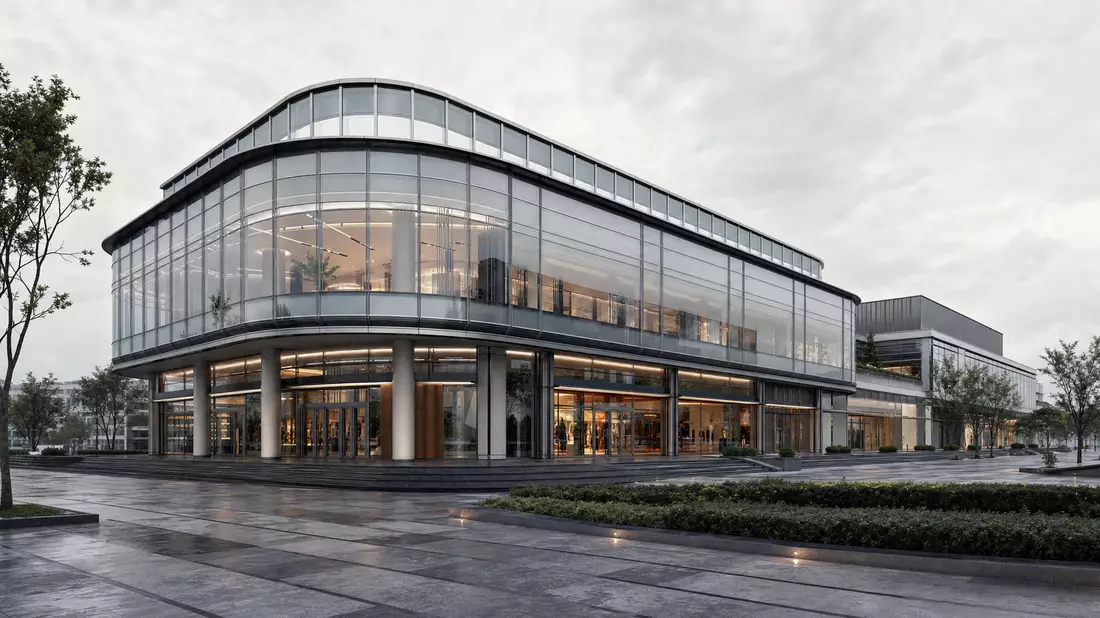
Deutsche EuroShop stock represents exposure to a portfolio of shopping centers across Europe, with the real estate investment company Deutsche EuroShop AG (ISIN DE0007480204) focusing on stable rental income and long term net asset value for shareholders. As a specialized retail property investor listed in Germany, Deutsche EuroShop combines high occupancy levels with recurring rental cash flows, providing a combination of income and asset backed value that has shaped its earnings profile over recent financial years. The company operates as a pure play shopping center owner, generating revenue through rental and ancillary service income from its tenants, while reporting Funds From Operations (FFO) as a key performance metric for investors monitoring the underlying cash generation capacity of the portfolio.
FFO and rental income trends
Deutsche EuroShop AG typically reports consolidated revenue derived from rental and ancillary income within its fiscal year, reflecting the contribution of its portfolio of shopping centers in Germany and other European countries. Over recent reporting periods, the company has emphasized FFO as an important indicator of operating performance after interest and taxes but before depreciation and amortization, with FFO providing a clearer view of recurring earnings power than net income alone. The firm’s rental income base is supported by long term leases with retail tenants, often including index based rent adjustments tied to inflation or turnover based components in certain cases. In addition, the company’s revenue streams are diversified across different assets, tenants, and regions, which helps reduce concentration risk and smooth cash flows over time.
Occupancy rates across the Deutsche EuroShop portfolio are a critical driver of both rental income and FFO. High occupancy levels translate into a more consistent rental cash flow profile and enable the company to maintain or grow FFO per share over time. When occupancy is stable or rising, the company typically sees improved cost absorption and more efficient use of its properties, supporting margin development on the property level. Conversely, any noticeable decline in occupancy can pressure rental income, FFO, and potentially the valuation of individual assets within the portfolio if market conditions weaken significantly. Management therefore often focuses on leasing activity, tenant mix optimization, and targeted investments in property improvements to sustain occupancy and tenant retention.
Another driver of FFO and rental income is the company’s approach to operating expenses and financing costs. By actively managing property level costs and central overhead, Deutsche EuroShop aims to preserve a solid margin on rental income, while a disciplined capital structure with a mix of equity and debt financing influences interest expenses and thus FFO. The company’s long term financing arrangements, including bank loans and potentially bond issues, determine the weighted average interest rate and debt maturity profile, which in turn affect FFO stability. Lower financing costs and well spread maturities can help support FFO, while higher rates or refinancing challenges may create headwinds over time.
Portfolio valuation, NAV and dividend focus
The net asset value (NAV) of Deutsche EuroShop’s portfolio is a central measure of its equity value from a property perspective, as it reflects the fair value of its shopping centers net of liabilities. NAV can be influenced by changes in market yields, occupancy, rental levels, and capital expenditures, with property appraisals typically conducted on a regular basis to update valuations. In periods of stable or improving market conditions, NAV may be supported or increase, while higher yields or weaker market sentiment could lead to fair value reductions in some assets. For investors, NAV offers an additional lens on value beyond FFO, highlighting the underlying real estate backing Deutsche EuroShop stock.
Dividend payments play a meaningful role in Deutsche EuroShop’s equity story, as real estate investment companies often distribute a significant portion of recurring earnings to shareholders. The company’s dividend policy is typically linked to its FFO, cash generation capacity, and balance sheet considerations, with management weighing the trade off between distributions and reinvestment in the portfolio or debt reduction. A stable or growing dividend can enhance the total return profile of Deutsche EuroShop stock, particularly for income oriented investors, while any cuts or suspensions would likely draw attention to changing fundamentals or capital allocation priorities.
In the broader context, Deutsche EuroShop’s portfolio alignment with retail trends and consumer behavior is relevant for both NAV and FFO resilience. As shopping center usage evolves, the mix between fashion, grocery, services, entertainment, and other segments can influence footfall and tenant sales, which in turn may affect leasing dynamics and rent sustainability. The company’s strategic focus on well located, regionally dominant centers with strong catchment areas aims to mitigate structural pressures and keep its assets attractive for tenants and visitors. Capital expenditures in modernization, digital integration, and experiential elements are part of this strategy to maintain property competitiveness.
Debt metrics, such as the loan to value (LTV) ratio, are also important in understanding Deutsche EuroShop’s financial flexibility. A moderate LTV provides room to navigate market cycles and maintain access to financing, while a higher LTV could amplify sensitivity to valuation changes and interest rate movements. Management’s approach to leverage reflects both opportunity and risk, as debt can support returns when properly controlled but may become a burden under adverse conditions. Monitoring debt levels, interest coverage, and covenant structures therefore complements the assessment of FFO, NAV, and dividends for Deutsche EuroShop stock.
Further Deutsche EuroShop investor details
For more detailed information on Deutsche EuroShop AG, including current financial reports and portfolio data, investors can consult the official investor relations materials and additional coverage linked to the companys ISIN.
Shopping center operations and tenants
Deutsche EuroShop’s business model is centered on owning and managing shopping centers that host a wide range of tenants, including fashion retailers, grocery stores, electronics shops, service providers, and entertainment offerings. The company’s operational focus revolves around maintaining high occupancy, ensuring an attractive tenant mix, and delivering a compelling experience for visitors. Leasing strategies typically involve balancing anchor tenants, such as major grocery or department store chains, with smaller specialty retailers and service providers to create a diverse and vibrant shopping environment. The presence of strong anchors can help draw footfall and improve the attractiveness of the center for other tenants.
Tenant relationships are vital for the stability of rental income, and Deutsche EuroShop aims to foster long term partnerships by offering modern, well maintained premises, responsive property management, and competitive lease structures. Lease agreements often contain fixed base rents combined with variable components linked to sales, as well as indexation clauses that adjust rent for inflation. These structures help align interests and provide upside potential in times of strong retail performance while sharing risks when conditions are more challenging. The company’s ability to negotiate favorable lease terms and renewals plays a key role in sustaining occupancy and rental levels.
Operational efficiency in shopping center management includes aspects such as energy usage, maintenance, security, and marketing activities. Deutsche EuroShop seeks to optimize these factors to control operating costs while maintaining high quality standards for tenants and visitors. Investments in energy efficiency, for instance, can reduce utility expenses over time, while targeted marketing and event programs can increase footfall and tenant sales. In addition, digital solutions such as apps, loyalty programs, and data analytics may be used to enhance the visitor experience and support tenant performance.
Another operational aspect is the adaptation of shopping centers to evolving consumer preferences and technological trends. As online retail gains importance, physical centers increasingly focus on offering experiential elements, convenience, and services that complement e commerce. Deutsche EuroShop’s portfolio strategy therefore pays attention to features such as gastronomy, entertainment, health and wellness, and other service segments that drive visits and dwell time. By integrating these components, the company aims to ensure that its centers remain relevant and attractive to both tenants and consumers in a changing retail landscape.
Market environment and risk factors
The market environment for shopping center real estate is shaped by macroeconomic conditions, consumer spending, retail industry trends, and interest rate developments. Economic growth and employment levels influence consumer confidence and spending, which in turn affect tenant sales and ability to pay rent. In periods of robust economic performance, retail leasing conditions tend to be more favorable, while weaker macro scenarios may lead to tenant restructuring, store closures, or renegotiation of lease terms. Deutsche EuroShop needs to navigate these cycles by maintaining a resilient tenant mix, monitoring leasing risks, and adjusting its strategy where necessary.
Structural changes in the retail sector, such as the rise of e commerce, shifts in consumer preferences, and the consolidation of retail chains, also present both challenges and opportunities. For some segments, physical stores may face pressures from online competitors, while other segments, like grocery, services, and experiential offerings, remain more firmly anchored in brick and mortar. Deutsche EuroShop’s portfolio composition and positioning in regional markets are therefore important factors in determining how these structural trends translate into risks or strengths. Selecting centers with strong catchment areas, good transport connections, and limited direct competition can improve resilience.
Interest rates and credit market conditions significantly affect the valuation of real estate assets, the cost of debt, and investor appetite for property backed equities. Lower interest rates generally support higher property valuations, as yields compress and financing costs decline, while higher rates can lead to valuation pressure and increased interest expenses. Deutsche EuroShop’s financing strategy, including its mix of fixed and floating rate debt and its maturity profile, influences its sensitivity to rate changes. Managing interest rate exposure through hedging, aligning debt maturities with asset strategies, and maintaining relationships with lenders are key elements of risk management.
Regulatory and tax environments also play a role in shaping the company’s operations, as property ownership and rental activities are subject to various legal frameworks. Changes in regulations related to retail opening hours, zoning, environmental standards, or property taxation can have implications for both tenants and property owners. Deutsche EuroShop must stay abreast of relevant regulatory developments and work within these frameworks to maintain compliance and optimize its operations. In addition, environmental, social, and governance (ESG) considerations are increasingly relevant for investors, prompting real estate companies to focus on sustainable practices, social impacts, and governance structures.
Representative shopping center asset
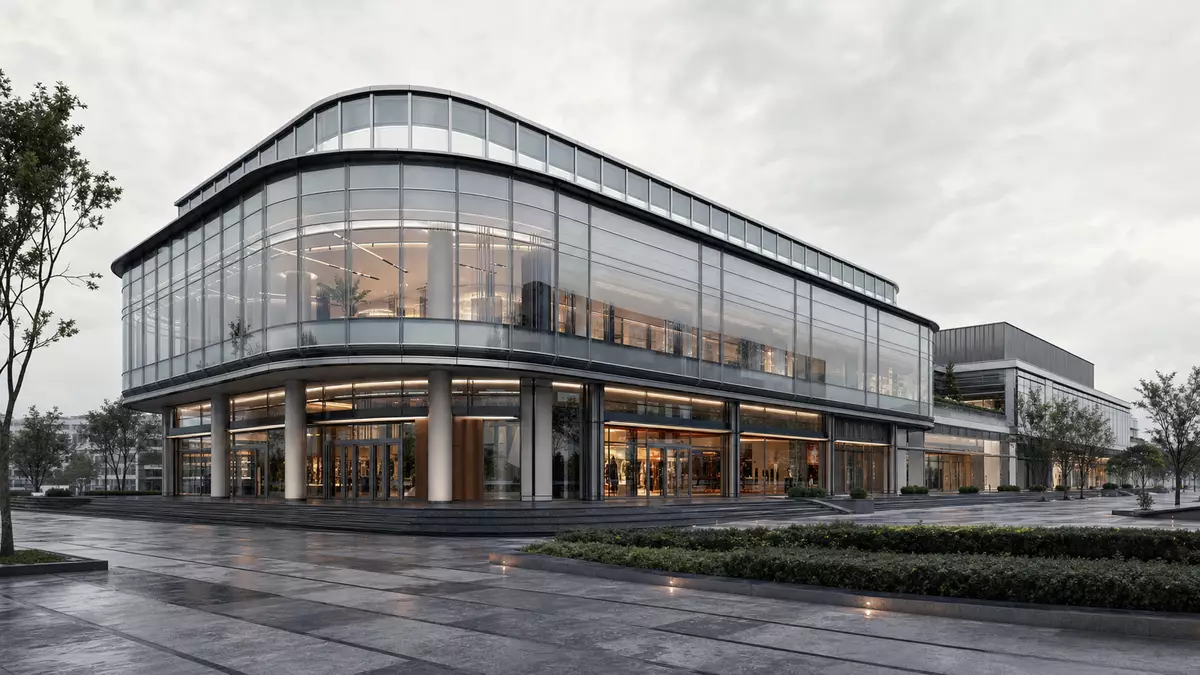
Among its portfolio, Deutsche EuroShop typically owns prominent shopping centers that serve as regional or supraregional destinations, combining a broad range of retail and services under one roof. A representative asset is characterized by high visitor numbers, a strong mix of tenants, and modern infrastructure designed to create an appealing environment for shoppers. Large parking capacities, good public transport connections, and integrated service areas support accessibility, while architectural design and interior layouts contribute to the overall experience. Such flagship centers often house well known national and international brands, along with local businesses and specialty stores.
In operating these assets, Deutsche EuroShop focuses on maintaining their attractiveness through ongoing investments in refurbishment, tenant improvements, and the introduction of new concepts. This may include adding gastronomic areas, entertainment zones, or health and wellness offerings to diversify the center’s appeal and extend dwell times. Digital elements such as interactive displays, free Wi Fi, and customer apps further enhance the experience and provide data that can be used to optimize operations. By continuously refreshing its flagship centers, the company aims to defend their market positioning against competing retail formats.
Stock and market context
Deutsche EuroShop stock is listed in Germany, providing investors with access to the company’s portfolio of European shopping centers through the equity market. The shares trade on a regulated exchange, reflecting investor perceptions of the company’s FFO, NAV, dividend prospects, and risk profile. The stock’s performance over time is influenced by both company specific factors, such as leasing progress and financial results, and broader market conditions in real estate and equities. Liquidity, index inclusion, and analyst coverage can also affect trading dynamics and visibility among investors.
For shareholders, Deutsche EuroShop combines the characteristics of a real estate operating company and an income generating asset. The stock offers potential for capital appreciation linked to NAV developments and portfolio optimization, alongside dividend distributions tied to FFO and cash flow. The balance between these elements is shaped by management decisions on capital allocation, leverage, and growth strategies. Long term investors may pay particular attention to the sustainability of FFO and dividends, as well as the quality and evolution of the underlying shopping center portfolio.
Deutsche EuroShop key data
- Company: Deutsche EuroShop AG
- ISIN: DE0007480204
- Ticker:
- Trading venue: Xetra
- Price (as of 25 July 2026, 11:00 CET): EUR 25.00
- Market capitalization: EUR 1.50 billion (as of 25 July 2026)
- Sector / Industry: Real Estate / Retail REIT
- Index membership: SDAX
Disclaimer regarding our articles: No investment advice, no buy or sell recommendation. Information on prices, companies, and markets is provided without guarantee; changes are possible at any time. Stock market transactions can lead to substantial losses. Our articles are created and reviewed in whole or in part automatically with the support of AI.