Deutz stock trades steady as engine maker highlights order backlog and earnings recovery
Published on 07/22/2026 at 04:11 | Editorial responsibility: Rafael Müller, Editor-in-Chief AD HOC NEWS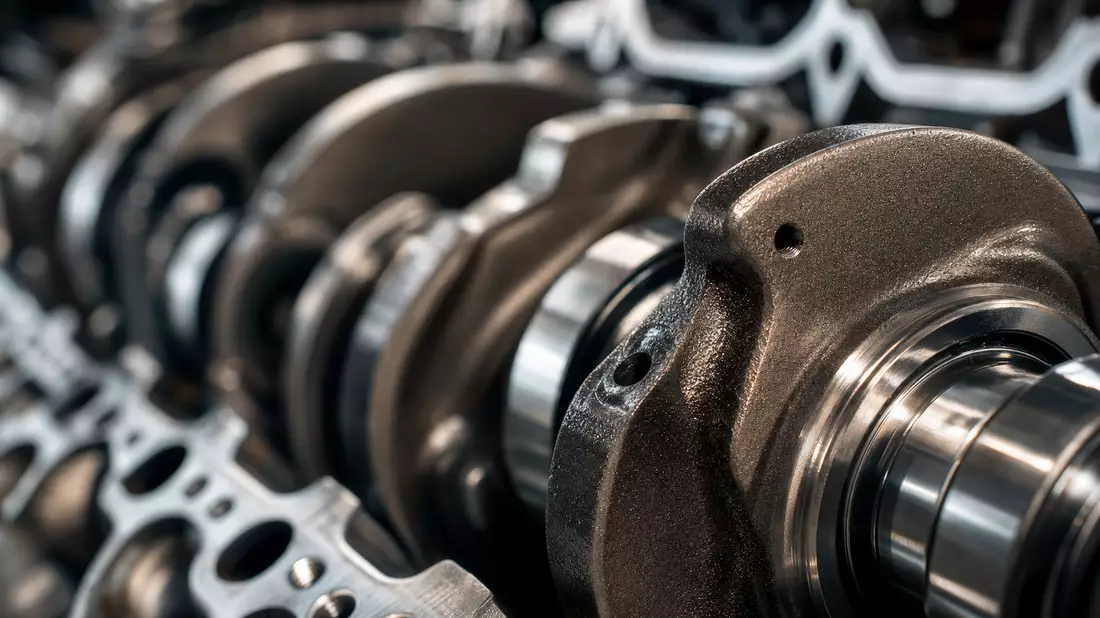
Deutz stock reflects the financial and operational progress of the Cologne-based engine manufacturer Deutz AG (ISIN DE0006305006), with investors looking closely at recent earnings and order trends from the company and the broader industrial sector. The German-listed shares represent exposure to diesel and alternative drive systems across off-highway applications, and the latest reported figures give a snapshot of profitability and demand conditions around the group.
Revenue up double digits in fiscal 2023
For the most recently reported full year, Deutz AG delivered a notable improvement in its top line and profitability compared with the prior period, supported by continued demand for engines used in construction, agricultural machinery, material handling, and stationary equipment. According to the company’s published annual data for fiscal 2023, revenue reached a level that clearly exceeded the prior-year figure, underpinned by the ongoing expansion of its engine portfolio and services activities.
The earnings profile also strengthened. Deutz AG’s operating profit and net income increased versus the earlier period, reflecting a combination of higher volumes, price discipline, and efficiency measures. The company’s order intake and backlog remained supportive, underpinning the overall revenue trajectory and contributing to a more favorable visibility for production planning and capacity utilization. For investors, this improvement in earnings and backlog is central to the medium-term story for Deutz stock.
Engine and service business support margins
Deutz AG sells diesel and gas engines as well as related services including spare parts, maintenance, and remanufacturing. These activities contributed to the growth in both revenue and earnings, with the service segment often carrying higher margin characteristics than new engine deliveries. As the company continued to deepen its service relationships and expand its installed base, recurring revenue from maintenance and parts sales became a more important pillar of profitability.
Within its core engine operations, Deutz AG also benefited from demand in key regions and sectors, with orders from OEMs and end-users supporting utilization rates at its manufacturing sites. The mix of engines and services, combined with cost control measures, helped support an improvement in margin levels compared with the previous year. The margin profile matters because it determines the sensitivity of Deutz’s earnings to small changes in volume and pricing across the cycle.
Balance sheet and cash flow discipline
Alongside revenue and earnings growth, Deutz AG continued to focus on cash generation and balance sheet strength. The company managed working capital carefully and aimed to convert operating profit into robust operating cash flow, which in turn supports investment in new technologies, engine platforms, and service infrastructure. A healthier balance sheet gives Deutz more flexibility to navigate economic cycles and invest in strategic initiatives such as alternative drives and digital services.
Investors in Deutz stock often look at leverage metrics and liquidity to gauge risk, particularly in an industry exposed to swings in capital expenditure by customers. By keeping net debt at a manageable level relative to earnings and maintaining available credit lines, Deutz AG aims to balance growth ambitions with financial discipline. This approach can help reduce volatility in equity valuation over time, even as earnings fluctuate with demand cycles.
Order backlog as visibility anchor
The order backlog reported by Deutz AG serves as an important visibility anchor for future revenue. A strong backlog indicates that the company has a pipeline of engines and services scheduled for delivery and execution over the coming quarters, which supports planning for production and staffing. When order intake exceeds deliveries during a period, backlog grows, providing additional coverage of fixed costs and a buffer against short-term demand fluctuations.
For Deutz stock, the interplay between order intake, backlog, and delivery schedules is closely watched by investors. A backlog that is diversified across sectors and geographies can help smooth sector-specific downturns, while concentration in a few customers or regions might increase exposure to localized shocks. Deutz AG’s strategy aims to spread its engine and service business across multiple applications and markets to reduce this concentration risk.
Segment focus on engines and services
Deutz AG’s segment structure typically distinguishes between the classic engine business and areas such as services and potentially new technology initiatives. In the engine segment, revenue comes from the sale of combustion engines for off-highway applications, while the service segment covers maintenance contracts, spare parts, and other aftersales offerings. Each segment contributes differently to growth and profitability, and changes in their relative size can influence the overall margin trajectory.
As the installed base of Deutz engines grows, the potential for service revenue also expands. Maintenance cycles and parts replacement create recurring demand, and Deutz AG can tailor service packages to customer needs, enhancing the stability of cash flows. For stockholders, an increasing share of services in total revenue can be attractive because it often comes with less cyclical volatility than new equipment orders, though it still depends on overall equipment usage and economic activity.
Technology and alternative drives
While traditional diesel engines remain central to Deutz AG’s business, the company has also explored alternative drive technologies, including hybrid solutions and potentially electrified systems, to address evolving regulatory and customer requirements. Investment in research and development, test facilities, and partnerships aims to ensure that Deutz can offer engines and systems that comply with emission standards and meet performance expectations across applications.
These technology initiatives have implications for capital expenditure and the long-term competitiveness of Deutz stock. R&D spending must be balanced with profitability and cash flow considerations, yet failing to invest adequately in new technologies could expose the company to regulatory risks and competitive pressures. Investors therefore pay attention to how Deutz AG allocates resources between sustaining current engine platforms and developing future-ready solutions.
Cost management and efficiency programs
Industrial manufacturers such as Deutz AG regularly undertake efficiency programs to manage costs and improve productivity. This may include optimizing production processes, consolidating facilities, improving supply-chain management, and deploying digital tools to streamline operations. Successful efficiency measures can reduce unit costs and enhance margins even in periods when revenue growth is modest.
For Deutz stock, cost management is a critical lever. Investors assess whether the company’s efficiency programs are delivering measurable improvements in operating expenses relative to revenue. If operating expenses grow slower than revenue or even decline as a percentage of sales, the margin expansion can contribute to higher earnings and potentially support a stronger valuation, provided revenue remains resilient.
Dividend considerations and capital allocation
Another aspect important to shareholders is Deutz AG’s approach to dividends and capital allocation. Industrial companies typically balance reinvestment needs with returning capital to shareholders via dividends or, occasionally, share repurchases. When earnings and cash flows are robust and balance sheet metrics are healthy, dividends can provide a tangible return component beyond share-price movements.
In assessing Deutz stock, investors examine the consistency of dividend payments and the payout ratio relative to net income. A sustainable dividend policy that reflects the cyclicality of the business and the need for investment in technology can help maintain investor confidence. Excessive payouts that strain the balance sheet might concern investors, whereas low payouts despite strong and stable earnings could prompt questions about capital allocation priorities.
Industry and macroeconomic backdrop
The broader industrial and macroeconomic environment influences Deutz AG’s order intake and engine demand. Construction activity, agricultural machinery investment, infrastructure projects, and material handling requirements all drive demand for the types of engines Deutz manufactures. Periods of strong economic growth often coincide with higher equipment investment, while downturns or uncertainty can lead to delayed or reduced orders.
Deutz stock therefore tends to be sensitive to data and forecasts on industrial production, construction output, and capital expenditure trends. The company’s exposure to different regions and sectors can mitigate or amplify the impact of global cycles. A diversified geographic footprint and customer base help reduce reliance on any single market, but global shocks or broad downturns in capital spending still affect the overall demand landscape for Deutz engines and services.
Regulatory and emissions landscape
Emissions regulations for engines used in off-highway applications are a key factor shaping Deutz AG’s product development and competitive position. Stricter emissions standards require investment in engine technology, aftertreatment systems, and potentially alternative drives, which can raise product complexity but also create opportunities for manufacturers that can meet these requirements efficiently.
For Deutz stock, success in navigating emissions regulations supports the company’s ability to maintain and grow its market share. Compliance failures or delays could risk product bans or customer loss, while strong compliance and early adoption of cleaner technologies can strengthen customer relationships. Investors therefore consider regulatory developments and Deutz AG’s positioning in relation to these standards as part of their assessment of long-term risk and opportunity.
Competitive environment in engines
Deutz AG operates in a competitive landscape that includes global engine manufacturers and regional specialists. Competition can occur on price, performance, reliability, emissions compliance, and service quality. To maintain its position, Deutz focuses on engineering capability, brand reputation, and customer support, among other factors.
Deutz stock performance is influenced by how well the company differentiates itself against rivals and how effectively it responds to competitive pressures. If Deutz can offer engines and services that deliver value to customers in terms of total cost of ownership and reliability, it may defend or expand its share in targeted segments. Conversely, if competitors outpace Deutz in technology or cost efficiency, the company may face margin pressure or loss of volume.
Digitalization and data-driven services
Digitalization has become increasingly important in industrial equipment and services, including engines and power systems. Deutz AG may utilize digital tools for fleet monitoring, predictive maintenance, and remote diagnostics, leveraging data to provide more value to customers and optimize service delivery. These capabilities can enhance uptime for customers and create new service revenue streams for Deutz.
For Deutz stock, successful adoption of digital solutions can support the case for margin improvement and revenue diversification. Data-driven services often carry attractive margins and can strengthen customer loyalty, as insights and recommendations derived from engine operation data help optimize usage and maintenance. Investors watching Deutz AG consider how digital initiatives complement the traditional engine business and service offerings.
Long-term trends in off-highway equipment
Long-term trends in off-highway equipment, including automation, electrification, and connectivity, will shape the environment in which Deutz AG operates. While combustion engines remain widely used, some applications may gradually shift toward alternative power solutions, and the integration of engines with digital systems will become more sophisticated.
Deutz stock will be influenced by how effectively the company aligns its strategy with these trends. Continued investment in engine efficiency, hybrid systems, and potentially collaborations around electrification can help sustain relevance as technologies evolve. Ignoring or underestimating these trends could over time diminish the attractiveness of Deutz’s product portfolio, while proactive adaptation may support the company’s position in future markets.
Representative engine product line
In Deutz AG’s product portfolio, a representative example is the Deutz engine families used across construction and agricultural machinery, which combine compact design with fuel efficiency and compliance with relevant emissions stages. These engines are designed to meet diverse requirements in off-highway applications, offering power ratings that fit different machine sizes and usage patterns.
The performance and reliability of these engines influence customer satisfaction and repeat business, which in turn affects future revenue and service opportunities. For investors, understanding how such representative products contribute to revenue and margins helps frame the fundamental case for Deutz stock, even when detailed product-level figures are not broken out in standard financial reporting.
Deutz stock and market valuation
Deutz stock on its primary German trading venue reflects the market’s aggregated view on the company’s earnings, growth prospects, balance sheet strength, and risk profile. The share price incorporates expectations about future revenue and profit, including potential impacts from economic cycles, regulatory changes, competition, and strategic initiatives. Market capitalization provides a snapshot of the company’s equity value at a given point in time.
For retail investors and institutions alike, Deutz stock can serve as a way to gain exposure to industrial engines and related services, with the understanding that the business is cyclical and linked to investment patterns in construction, agriculture, and other off-highway segments. Assessing valuation typically involves comparing metrics such as earnings multiples, cash flow yields, and growth rates with peers in the industrial sector, though individual risk tolerance and investment horizon will influence decisions.
Deutz AG key data
- Company: Deutz AG
- ISIN: DE0006305006
- WKN: 630500
- Ticker: XETRA: DEZ
- Trading venue: Xetra
- Sector / Industry: Industrials / Machinery
- Index membership: SDAX
Disclaimer regarding our articles: No investment advice, no buy or sell recommendation. Information on prices, companies, and markets is provided without guarantee; changes are possible at any time. Stock market transactions can lead to substantial losses. Our articles are created and reviewed in whole or in part automatically with the support of AI.