Dürr stock trades steady as guidance and order intake frame investor debate
Published on 07/20/2026 at 17:28 | Editorial responsibility: Rafael Müller, Editor-in-Chief AD HOC NEWS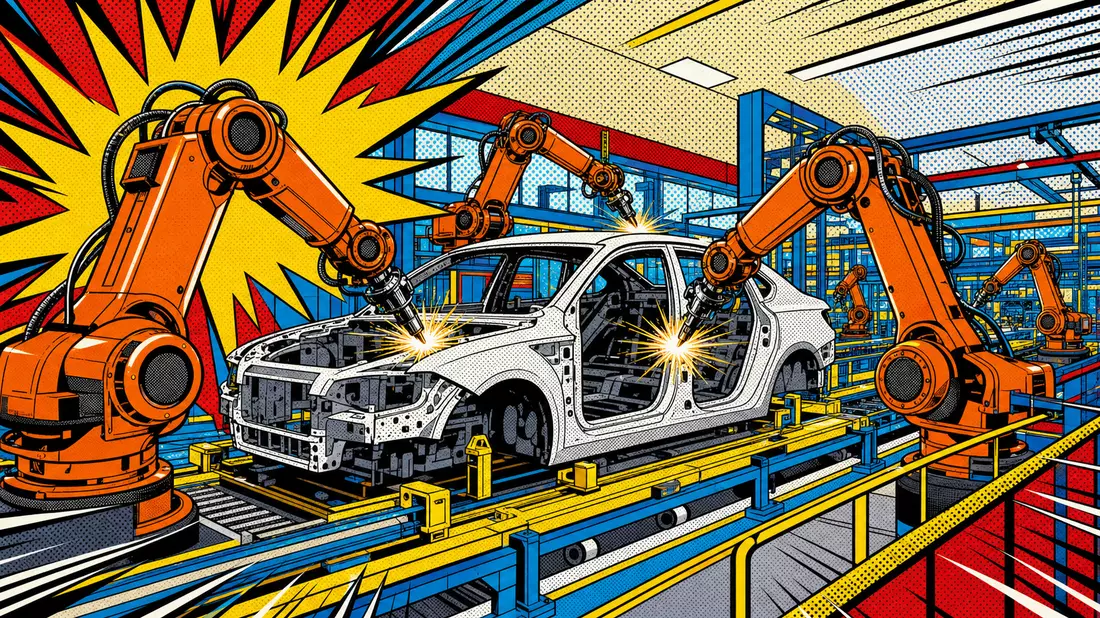
Dürr stock represents exposure to German industrial engineering and automation, with Dürr AG (ISIN DE0005565204) positioned as a key supplier of paint and final assembly systems, environmental technology, and machinery for the automotive and general industry. The company is listed in Germany with its primary quote in euros, and the share price over recent months has reflected the tension between near term margin pressure and a longer term order-driven growth profile. For investors, the crucial context now is Dürr's latest annual and quarterly numbers, its guidance for 2024, and how its order intake and backlog may support earnings in a more demanding cost environment.
Revenue and earnings profile
Dürr generates most of its revenue from systems and machinery that serve automotive and industrial customers worldwide, with the business structured into several segments such as Paint and Final Assembly Systems, Application Technology, Clean Technology Systems, Measuring and Process Systems, and Woodworking Machinery and Systems. Across these activities, the company typically records annual revenue in the billions of euros, and the revenue mix is influenced by large project orders and recurring service business. A notable feature of Dürr's earnings profile is that profitability can fluctuate with project timing, input costs, and capacity utilization, meaning that margins can vary between quarters even when revenue remains relatively stable over a fiscal year.
The company's earnings are shaped not just by top line revenue, but also by its ability to manage project risks, improve efficiency in engineering and manufacturing, and maintain pricing power in competitive tenders. Operating profit and net income therefore depend on both market demand and internal execution. Over recent reporting periods, Dürr has focused on strengthening its balance sheet, optimizing its portfolio, and investing in technologies that improve automation, energy efficiency, and digital integration of its systems. These strategic moves aim to support more resilient margins and cash flow over time, even if individual quarters show volatility due to order cycles and macroeconomic conditions.
Order intake and backlog support visibility
Order intake and backlog are central metrics for Dürr, because large projects in automotive paint shops, final assembly lines, environmental systems, and woodworking machinery often run over multiple years. A strong order intake in one period can thus support revenue and earnings in subsequent years, while a weaker intake can foreshadow slower growth. Dürr's order backlog typically covers a significant portion of the following year's planned revenue, offering visibility that is valued by investors tracking the stock. This backlog is diversified by customer, geography, and end market, reducing dependence on any single project or region.
In recent reporting, Dürr has highlighted that orders from both automotive OEMs and non-automotive customers contribute to its backlog, with environmental technology and woodworking machinery often adding more resilient demand when automotive investment cycles slow. The company also benefits from service revenue linked to installed systems, which tends to be less volatile than new equipment orders and can stabilize the overall revenue mix. For investors considering Dürr stock, the interplay between order intake, backlog, and segment mix is important in assessing future revenue and margin potential, particularly in periods of macroeconomic uncertainty or shifts in automotive production patterns.
Guidance and margin focus
Guidance for the current fiscal year provides another key reference point for Dürr. Management typically outlines expected ranges for revenue, EBIT margin, and possibly free cash flow, based on assumptions about order execution, cost trends, and market demand. When guidance is issued, investors compare it with historical performance and analyst expectations to judge whether Dürr is aiming for growth, stabilization, or cautious consolidation. If the guidance indicates moderate revenue growth with a focus on margin improvement, that can signal an emphasis on profitability rather than purely chasing volume.
Margins in Dürr's project business are sensitive to input costs, project complexity, and competitive pricing. The company has been working on operational efficiency measures, such as standardizing modules in paint and assembly systems, enhancing digital tools for project design and execution, and optimizing its global manufacturing footprint. These efforts aim to reduce cost overruns, shorten project lead times, and improve the predictability of margins. For Dürr stock, a clear path to stable or rising margins can be as important as revenue growth, because it underpins earnings quality and the ability to fund investment and dividends.
Capital structure and cash flow
Dürr's capital structure combines equity with debt financing typical for industrial engineering companies with large project portfolios. The company manages its leverage through a combination of earnings retention, working capital control, and selective debt issuance. Cash flow from operations is influenced by project milestones, customer payments, and supply chain dynamics, so working capital swings can occur from quarter to quarter. Dürr aims to smooth these effects by careful planning of project milestones and payment terms, as well as by diversifying its customer base.
Free cash flow is particularly important for investors, because it determines the company's flexibility to invest in new technologies, pursue acquisitions, and maintain shareholder returns. Dürr's management has repeatedly emphasized the importance of disciplined capital allocation, which includes evaluating the returns on investments in automation, energy efficiency, and digitalization. For Dürr stock, a sustainable free cash flow profile supports the case for long term value creation, even if individual years show variability due to macroeconomic or sector specific factors.
Competitive landscape and positioning
Dürr operates in a competitive environment where global engineering and industrial technology companies offer overlapping solutions in paint systems, automation, environmental technology, and woodworking machinery. The company competes on technology, cost, reliability, and service, and differentiates itself through long experience in automotive paint shops, integrated system solutions, and a broad geographic footprint. Its customer relationships with major automotive manufacturers and industrial companies are strategic assets that help it win repeat business and upgrade projects.
To maintain its competitive position, Dürr invests in R&D and innovation, including automation solutions, robots for paint application, digital tools for system monitoring, and technologies that reduce energy consumption and emissions. These innovations are increasingly important as customers seek more sustainable and efficient production systems. For Dürr stock, the company's ability to bring new technologies to market and secure orders based on them is a key driver of future growth and margin resilience, particularly as regulatory and customer demands for sustainability intensify.
Segment overview and strategic initiatives
Within the Paint and Final Assembly Systems segment, Dürr provides large scale solutions that include paint booths, dryers, conveyor systems, and final assembly lines for vehicles. These projects are complex and require precise coordination of mechanical, electrical, and software components. The Application Technology segment delivers robots and application systems that ensure high quality paint finishes with minimal waste, supporting both automotive and general industry customers. Clean Technology Systems focuses on environmental solutions such as exhaust air purification and energy efficiency, helping customers meet regulatory requirements and reduce operating costs.
Measuring and Process Systems offers equipment for balancing and diagnostic systems used in engine and drivetrain manufacturing, while Woodworking Machinery and Systems provides machinery for furniture and wood construction industries. Across these segments, Dürr pursues strategic initiatives that may include portfolio optimization, targeted acquisitions or divestments, and regional expansion. By aligning its segment strategies with market trends such as electromobility, lightweight construction, and sustainable production, the company aims to capture new opportunities and mitigate downturns in traditional automotive investments.
Investor perspective on Dürr stock
For investors analyzing Dürr stock, a multi dimensional view is necessary. The company is cyclical, with exposure to automotive investment cycles and general industrial capital expenditure, but it also benefits from structural trends like automation, energy efficiency, and digitalization of production. Order intake and backlog, guidance, margin development, cash flow, and competitive positioning all feed into the investment case. Longer term, Dürr's focus on technology and service revenue offers potential for more stable earnings than a pure equipment supplier might achieve.
At the same time, risks include macroeconomic slowdowns, delays in customer investment decisions, cost inflation, and competition. Investors therefore monitor not only Dürr's own metrics, but also broader indicators such as global automotive production volumes, industrial production indices, and regulatory developments affecting environmental technology and manufacturing. Whether Dürr stock is valued more as a growth opportunity or a cyclical industrial depends on these external factors as well as the company's execution against its strategic and financial targets.
Representative product line
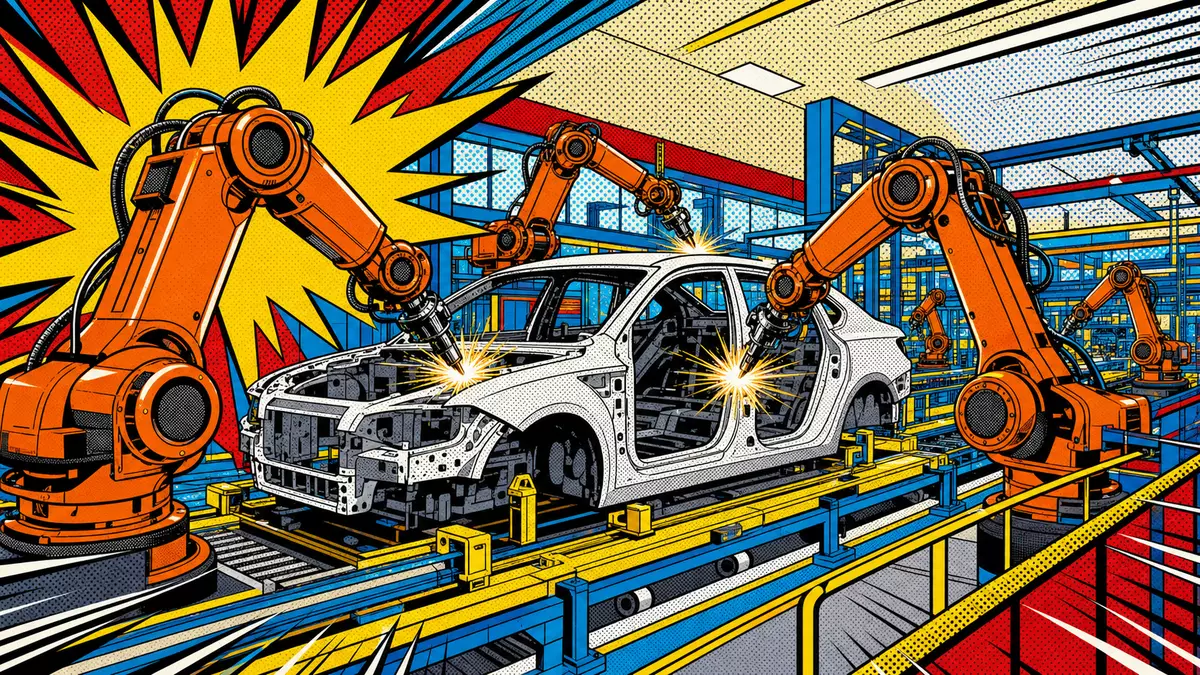
One representative product area for Dürr is automotive paint systems, where the company supplies complete paint shops including booths, ovens, conveyor technology, and robots equipped with advanced application technology. These systems are designed to deliver high quality, consistent paint finishes while optimizing energy use and minimizing emissions and paint waste. The projects often involve customized solutions for specific vehicle models and production volumes, and can include digital monitoring and control systems that allow customers to track performance and maintenance needs in real time. This product line illustrates how Dürr integrates mechanical engineering, automation, and software to create complex production systems that meet modern manufacturing requirements.
Stock and market context
Dürr stock trades in euros on its primary German listing, reflecting investor sentiment toward both the company and the broader industrial and automotive cycle. Over time, the share price has responded to changes in order intake, backlog, margin trends, guidance updates, and macroeconomic indicators. While short term volatility is inherent in a cyclical industrial stock, long term performance depends on Dürr's ability to deliver on its strategic initiatives, maintain technological leadership, and generate sustainable cash flow. Investors therefore often evaluate the stock in the context of other industrial engineering and automation peers, considering valuation metrics such as price to earnings and enterprise value to EBIT alongside qualitative assessments of technology and market position.
Dürr stock master data
- Company: Dürr AG
- ISIN: DE0005565204
- WKN: 556520
- Ticker: XETRA: DUE
- Trading venue: Xetra
- Sector / Industry: Capital Goods / Industrial Engineering
- Index membership: MDAX
Disclaimer regarding our articles: No investment advice, no buy or sell recommendation. Information on prices, companies, and markets is provided without guarantee; changes are possible at any time. Stock market transactions can lead to substantial losses. Our articles are created and reviewed in whole or in part automatically with the support of AI.