
Evanescence return to the road in a new era for the band
Published on 05/17/2026 at 00:38 | Editorial responsibility: Rafael Müller, Editor-in-Chief AD HOC NEWS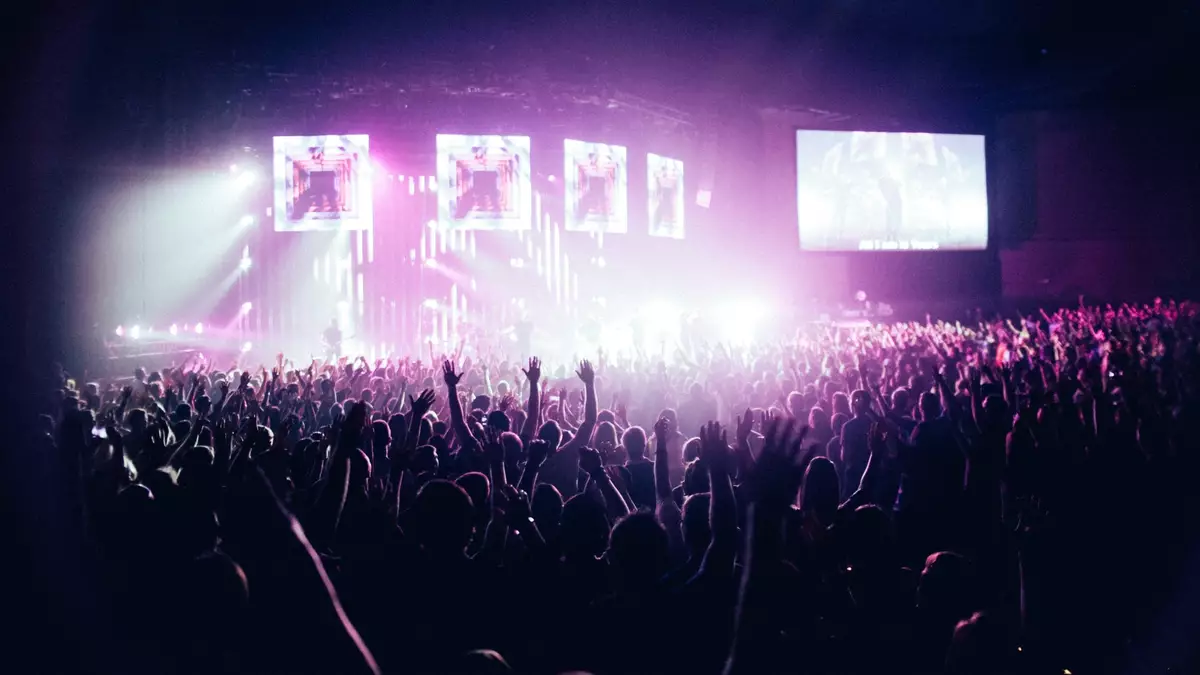
On recent nights in arenas from Europe to South America, Evanescence have turned Bring Me to Life and My Immortal into communal singalongs again, signaling a fresh live era for Amy Lee and her band as they prepare for more dates ahead.
Evanescence keep their live legacy active with ongoing tours
There is no single breaking headline around Evanescence in the last 72 hours, but the group remain a consistent force on the international touring circuit. Their official site lists an active slate of shows under the band's current touring banner, with appearances stretching across 2024 and 2025 and more dates expected to follow as new festivals and co-headlining bills are announced.
Billboard has repeatedly highlighted how the act's live draw has held steady more than two decades after Fallen first broke through, with the band regularly landing on rock and alternative tour roundups. Pollstar box office reports over the last touring cycles show healthy grosses in both North American and overseas markets, underscoring the staying power of their symphonic-rock formula on stage.
In recent years, the band have paired with peers like Halestorm for full co-headlining runs, giving US rock radio fans a multi-generational package that stretches from early 2000s hits to modern active-rock staples. Those tours have stopped at major US arenas including Nashville's Bridgestone Arena and Chicago's Allstate Arena, demonstrating that the band's catalog still fills large rooms well into the streaming era.
As of May 17, 2026, Evanescence have not publicly announced a brand-new studio album release date, but frontwoman Amy Lee has continued hinting in interviews about ongoing writing and recording. Outlets such as Loudwire and Consequence have emphasized that the band tend to work on their own timetable, with long breaks between albums but intense cycles of activity once new material is ready.
For US fans tracking their next chance to see the band live, the official shows page functions as the central hub. It often lists festival plays, standalone arena dates, and occasional special appearances, reflecting how the group now operate more like a classic rock institution than a constantly touring act.
Who Evanescence are and why they still matter
Evanescence sit in a distinctive lane between mainstream hard rock, goth-leaning alternative, and classically influenced pop. Led by singer, pianist, and songwriter Amy Lee, the outfit broke through in the early 2000s with a sound that fused metal riffs and orchestral textures with piano-driven melodies and soaring, emotive vocals.
According to Rolling Stone, the band's emergence coincided with the final years of nu-metal's chart dominance, but they sidestepped the genre's caricatures by leaning on Lee's wide vocal range and piano and choir arrangements. Billboard notes that this hybrid approach made the band a natural fit for both rock radio and Top 40, particularly when paired with hip-hop adjacent elements on their crossover singles.
The Arkansas-born Lee became a rare type of mainstream rock frontwoman in the US in the early 2000s, combining conservatory-honed piano chops with a visual aesthetic that nodded to goth, fantasy, and high fashion more than traditional metal imagery. That unique presence helped the band build a wide fan base spanning emo teens, metal lifers, and casual pop listeners who discovered them through film and TV placements.
Today, Evanescence matter not only because of their enduring catalog but because they helped normalize female leadership in large-scale hard rock acts. Their success opened doors for later acts on US rock radio and festival bills, from Halestorm and In This Moment to more recent symphonic and metalcore crossovers, many of whom cite Lee as an influence.
Beyond their influence on bands, Evanescence also occupy a lasting space in 2000s nostalgia. For many US listeners, tracks from Fallen soundtrack personal milestones: first concerts, high school dances, or late-night drives with early iPod playlists on shuffle. That emotional resonance underpins their ongoing relevance in the streaming era, where catalog listening is as important as new releases.
Origin story and rise from Little Rock to global charts
The roots of Evanescence trace back to Little Rock, Arkansas, in the mid-1990s, when Amy Lee met guitarist Ben Moody at a youth camp. As multiple profiles in The New York Times and MTV News have recounted, Lee was already steeped in classical piano and choir music, while Moody brought a love of Metallica riffs and alternative rock textures to the partnership.
The duo began writing songs and self-releasing EPs in the late 1990s, slowly building a local following. Their early recordings, including the Sound Asleep EP, circulated in fan circles and drew enough attention to land the group a deal with Wind-up Records, then a rising independent label with major distribution muscle.
That partnership set the stage for Fallen, the band's 2003 debut studio album. Produced primarily by Dave Fortman, the record fused crunchy guitars, programming, and live strings, creating a sound that felt cinematic and radio-ready. According to Billboard, the album debuted on the Billboard 200 and quickly climbed into the top tier, eventually spending more than a year on the chart.
The band's breakthrough moment came with Bring Me to Life, a duet featuring guest vocals from Paul McCoy of 12 Stones. The song, propelled by placement in the 2003 superhero film Daredevil, surged onto the Billboard Hot 100 and rock radio playlists worldwide. The RIAA database shows that Fallen has been certified multi-Platinum in the United States, cementing its status as one of the defining rock albums of its era.
Follow-up singles like My Immortal and Going Under built on that success, showcasing Lee's classical-leaning piano and vocal balladry alongside heavier cuts. The band toured aggressively, sharing stages with groups across the rock spectrum and headlining theaters and arenas as their profile grew.
Internal changes came early; Moody left the band during the Fallen era, and Evanescence weathered further lineup shifts across guitar, bass, and drums in subsequent years. Yet Lee's steady presence as the creative core kept the project cohesive, and the group continued releasing albums that expanded their sonic palette.
In 2006, the band issued The Open Door, again produced by Fortman. The album leaned into symphonic flourishes and darker lyrical themes, with singles like Call Me When You're Sober carrying the band back onto the Billboard charts. By this point, Evanescence had firmly established themselves as one of the most successful US rock acts of the decade.
Signature sound, albums, and standout songs
Evanescence's signature sound starts with Amy Lee's voice: a rich, classically inflected soprano that can move from intimate whispers to full-throated belting across a chorus. Underneath, the arrangement choices mix downtuned guitar riffs, synth pads, and orchestral elements that give the songs a widescreen, almost film-score quality.
Their debut, Fallen, remains the cornerstone of that approach. Tracks like Bring Me to Life, Going Under, and Everybody's Fool set up the band's dynamic contrasts, snapping from quiet piano verses to explosive, guitar-heavy choruses. Critics at outlets like Spin and Kerrang! noted how the album threaded the needle between metal intensity and pop accessibility.
The Open Door deepened the band's symphonic ambitions. Songs such as Sweet Sacrifice and Lithium introduced more complex chord changes and choral textures, while Lee explored more personal, introspective lyrical territory. The production leaned on layered vocal harmonies and string arrangements, reinforcing the group's reputation as a bridge between rock and classical aesthetics.
In 2011, the self-titled album Evanescence arrived with a refreshed lineup and a more guitar-forward sound. Co-produced by Nick Raskulinecz, known for his work with Foo Fighters and Deftones, the record sharpened the band's rhythm section and brought a slightly more modern, alternative-metal edge. Singles like What You Want and My Heart Is Broken kept them on rock radio and drew solid placements on Billboard's rock and alternative charts.
Later projects showcased the group's willingness to reinterpret their catalog. Synthesis, released in 2017, reimagined songs from across their discography with full orchestral backing and electronic flourishes. According to NPR Music, the project underlined Lee's compositional chops, framing familiar melodies in new, often more delicate arrangements that highlighted the underlying songwriting.
Their 2021 studio album, The Bitter Truth, returned the band to heavier territory. Produced by Nick Raskulinecz and recorded largely before and during the COVID-19 pandemic, the record mixed modern metal production techniques with the band's classic drama. Songs like Wasted on You and Use My Voice tackled themes of grief, resilience, and political engagement, showing that Evanescence were not content to be a pure nostalgia act.
Across all these releases, a few musical hallmarks recur. Lee's piano parts often anchor the verses, guitar tones lean toward saturated but clear midrange, and drums are mixed with an arena-rock punch. Choirs, string sections, and occasional electronics add atmosphere, making the band a natural fit for both rock festivals and symphonic collaborations with orchestras.
Live, Evanescence have a reputation for dramatic staging. Tours often feature elaborate lighting, video projections, and, in the case of the Synthesis tour, full orchestras or string sections on stage. Fans regularly describe the shows as emotionally cathartic, with Lee's vocals carrying the emotional weight of the material in real time.
Cultural impact, chart achievements, and legacy
Evanescence's impact on early 21st-century rock is measurable both in charts and in influence. The RIAA has certified Fallen for multi-Platinum sales in the United States, and that album's singles continue to rack up streams on platforms like Spotify and Apple Music, proving that their appeal spans physical, digital, and streaming eras.
Billboard has chronicled the band's performance on the Billboard 200 and various rock charts, noting that multiple albums have debuted in the top 10. Their presence on the Billboard Hot 100 during the mid-2000s was particularly notable for a rock band with such heavy and dark textures, demonstrating the mainstream appetite for their blend of heaviness and melody.
Their awards history includes Grammy recognition, with Fallen-era wins in categories that placed them alongside some of the biggest names in rock and metal. These honors helped confirm the band's status as more than a brief crossover phenomenon; they were, and remain, a core part of the 2000s rock canon.
Beyond trophies, Evanescence have played major festivals worldwide. In the US, they have appeared at gatherings like Rock on the Range and have shared stages with a wide array of acts, from classic metal legends to modern alternative bands. Their ability to slot comfortably on both heavy and more mainstream lineups underscores the versatility of their catalog.
Critically, perceptions have evolved over time. While some early coverage framed the group in the context of nu-metal or goth novelty, later retrospectives from outlets like The Guardian and Stereogum have reassessed their role as pioneers of a symphonic-rock resurgence. These pieces highlight Lee's songwriting and arranging skills and credit the band with inspiring a new wave of female-fronted rock and metal acts worldwide.
In fan culture, Evanescence occupy a special space. Online communities trade live bootlegs, cover performances, and fan art, while younger artists offer reinterpretations of Bring Me to Life and My Immortal on platforms like TikTok and YouTube. These covers, often by Gen Z performers, keep the band's music circulating far beyond the original CD-era audience.
The legacy extends into visual culture as well. Amy Lee's styling during the Fallen era, with its corsets, layered skirts, and dark eye makeup, became a touchstone for alternative fashion in the 2000s. Contemporary retrospectives on Y2K style often reference the band's videos as key artifacts of that aesthetic moment.
As streaming-era listeners continue to rediscover 2000s rock, Evanescence stand as one of the key bridge acts between metal intensity and pop melody. Their ability to fill large venues, generate new material that resonates with current events, and inspire a generation of artists suggests that their cultural footprint will persist well beyond the anniversaries of their early hits.
Frequently asked questions about Evanescence
Who is currently in Evanescence and who leads the band?
Evanescence are led by singer, pianist, and songwriter Amy Lee, who has been the group's creative center since its beginnings in Arkansas. Around her, the modern lineup has included longtime collaborators on guitar, bass, and drums, with musicians rotating over the years but the project always anchored by Lee's songwriting and artistic direction.
What are Evanescence's most important albums and songs?
The band's most influential release is widely considered to be their 2003 debut Fallen, which introduced hits like Bring Me to Life, My Immortal, and Going Under. Follow-ups such as The Open Door, the self-titled Evanescence, Synthesis, and The Bitter Truth expanded their sound, adding symphonic elements, heavier guitars, and modern production touches while maintaining the emotional core that first drew listeners in.
Have Evanescence won any major awards?
Yes, Evanescence have earned major industry honors, including Grammy wins that recognized both their breakthrough album Fallen and its signature singles. These awards, supplemented by chart success documented by Billboard and multi-Platinum certifications logged by the RIAA, cement their status as one of the most successful American rock bands to emerge in the early 2000s.
Are Evanescence still touring and recording new music?
The band remain active as a touring act, with ongoing runs that take them across the United States and international markets. As of May 17, 2026, they have not announced a specific release date for a new studio album, but Amy Lee has continued to write and collaborate, and recent years have seen the group release new material as well as orchestral reinterpretations of classic songs.
How did Evanescence influence other rock and metal artists?
Evanescence opened a mainstream door for female-fronted rock and metal bands that blend heaviness with orchestral and electronic textures. Many later acts on US rock radio and festival circuits, from symphonic metal to metalcore and alternative outfits, cite Amy Lee and her band as inspirations for pursuing ambitious arrangements, emotional vulnerability in lyrics, and visually distinctive stage presentations.
Evanescence on social media and streaming
Evanescence maintain a strong presence across major social and streaming platforms, where fans can explore classic albums, recent releases, and behind-the-scenes glimpses from tour and studio life.
Evanescence – moods, reactions, and trends across social media:
More coverage from AD HOC NEWS
More coverage of Evanescence at AD HOC NEWS:
Read more on Evanescence at AD HOC NEWS ->Browse all Evanescence coverage at AD HOC NEWS ->


