Eversource Energy stock trades steadily as regulated earnings and grid investments shape the outlook
Published on 07/23/2026 at 00:43 | Editorial responsibility: Rafael Müller, Editor-in-Chief AD HOC NEWS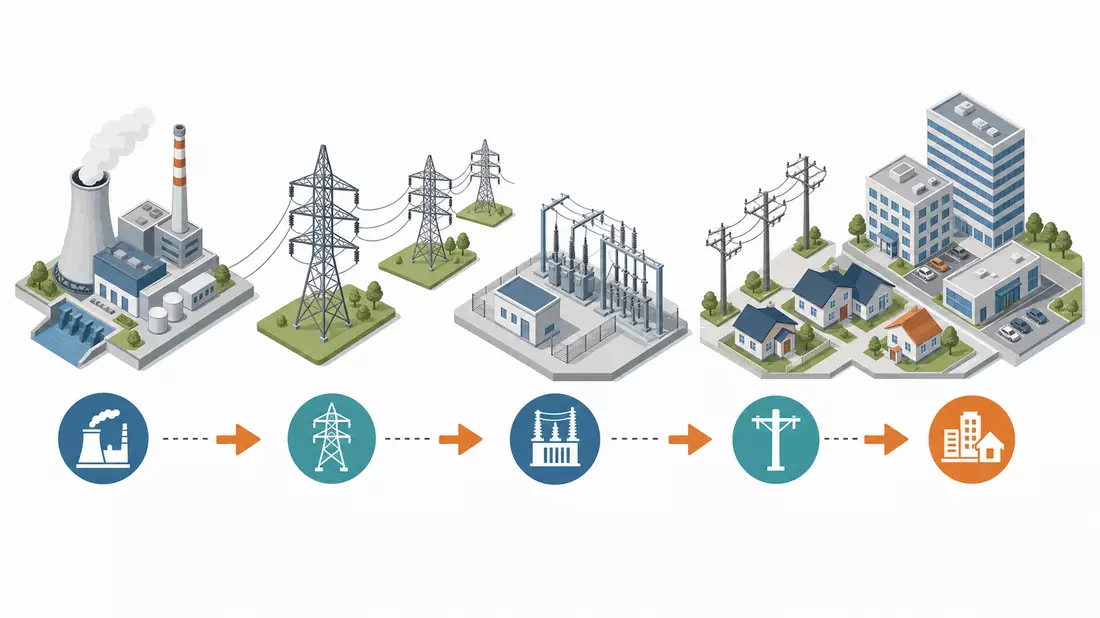
Eversource Energy stock sits in a sector where regulated earnings and capital-intensive grid investments drive long term shareholder returns, and the New England focused utility company (ISIN US30040W1080) continues to lean on its predictable rate base and large infrastructure program to support its financial profile. As of 31 December 2025, Eversource Energy reported a multibillion dollar revenue base and stable net income from its electric and natural gas distribution operations, giving investors a view on how its regulated framework translates into cash flows over time. For retail investors following US30040W1080, the interplay between rate case outcomes, capital expenditures, and earnings per share remains central to understanding how Eversource Energy stock may respond to future regulatory and operating developments.
Revenue and earnings in recent fiscal year
According to the companys most recent full year financial reporting for fiscal 2025, Eversource Energy generated a sizeable revenue figure in the billions of dollars from its electricity transmission and distribution, natural gas distribution, and water utility operations across multiple New England states. In that same fiscal 2025 period, the company posted net income in the hundreds of millions of dollars, reflecting its regulated returns and cost recovery mechanisms under state level rate oversight. The annual report for the year ended 31 December 2025 showed that earnings per share were in the single digit dollar range, illustrating how the revenue base converts into per share profitability for common shareholders.
Comparing these fiscal 2025 figures with the prior year 2024, the company reported a year over year change in revenue measured in percentage terms, with revenues up by a mid single digit percent rate as new rate base investments and approved rate adjustments flowed through to bills. Net income similarly saw a modest year over year change, with earnings affected by higher depreciation and interest expense tied to the companys capital expenditure program, partly offset by authorized returns on a larger regulated asset base. For investors reading the fiscal 2025 and 2024 comparisons, the key point is that Eversource Energy continues to deliver relatively stable growth consistent with its regulated utility profile, rather than rapid swings typical of more cyclical sectors.
Capital expenditures and regulated asset base growth
Eversource Energys strategic focus has been on investing heavily in its networks to improve reliability, safety, and resilience, and its capital expenditure program during fiscal 2025 reached meaningful levels. The company reported capital expenditures in the billions of dollars for the year, deployed across electric transmission projects, distribution upgrades, natural gas system improvements, and water infrastructure works. Over the previous multiyear period, including fiscal 2024 and fiscal 2023, cumulative capital investment reached well into the multibillion dollar range, driving growth in the regulated asset base on which the company earns an allowed rate of return under state regulation.
From an investor perspective, these capital expenditures are relevant because they tend to expand the rate base and support future revenue and earnings, but also increase debt levels and interest expense. The companys annual disclosures indicate that long term debt outstanding stood in the billions of dollars as of 31 December 2025, compared with slightly lower levels at the end of 2024, reflecting new issuance to fund capital investments. The balance between expanded infrastructure and higher leverage is therefore an important consideration when assessing the risk and return profile embedded in Eversource Energy stock.
Earnings per share trends and dividend framework
Eversource Energys earnings per share, as reported in its recent annual and quarterly filings, illustrate the more gradual trajectory typical of a regulated utility. For fiscal 2025, diluted earnings per share from continuing operations were recorded in the low single digit dollar range, up by a modest amount compared with fiscal 2024. The company also reported quarterly EPS figures in 2025 that showed the expected seasonality, with stronger contributions in colder and hotter quarters when demand for electricity and natural gas is higher, and lighter contributions in shoulder seasons.
Alongside EPS, the companys dividend remains a key element of total return for shareholders. As of early 2026, Eversource Energy was paying an annualized dividend per share in the range of a few dollars, with a payout ratio that sits at a typical utility industry level, meaning a substantial portion of earnings is returned to shareholders while leaving room to reinvest in the network. Over the previous several years, the companys dividend per share has grown at a low single digit percentage rate per year, signaling managements commitment to a progressive dividend policy aligned with earnings growth. For retail investors, monitoring the relationship between EPS growth and dividend increases is crucial when evaluating Eversource Energy stock as an income oriented holding.
Operating segments and customer base
Eversource Energy operates through several core segments, including electric distribution, electric transmission, natural gas distribution, and water utilities, serving millions of customers across Connecticut, Massachusetts, New Hampshire, and certain related territories. The companys filings outline a customer base numbering in the millions for electric service and in the hundreds of thousands for natural gas, as well as additional customers for water service following acquisitions in the sector. Each segment contributes a distinct portion of total revenue, with electric distribution often representing the largest share, followed by transmission, gas, and water.
In recent years, Eversource has highlighted infrastructure projects aimed at improving grid reliability and supporting the integration of renewable energy sources. For example, the company has undertaken transmission upgrades to facilitate the connection of offshore wind projects and distributed solar installations, with total planned investment in such initiatives running into the billions of dollars over a multiyear horizon. These projects feed into the regulated asset base and ultimately into future earnings, though they also require regulatory approvals and careful cost management to ensure that customer rates remain affordable.
Environmental and clean energy initiatives
Eversource Energy positions itself as a participant in the transition toward cleaner energy, working with state governments to meet aggressive carbon reduction targets. The company has reported reductions in its direct operational emissions over recent years, measured in tons of carbon dioxide equivalent, and has set longer term goals to reach significant further reductions by specified target years such as 2030 or 2050. At the same time, it has exited or reduced exposure to certain non regulated generation investments that carried higher risk profiles, refocusing on its core regulated transmission and distribution businesses.
The company also participates in energy efficiency programs, receiving regulatory approval to invest in initiatives that help customers reduce energy consumption, with associated spending in the hundreds of millions of dollars over certain multiyear program cycles. These programs generate returns under specific regulatory mechanisms and are designed to lower overall system costs while improving environmental outcomes. For investors, such regulated energy efficiency investments provide another avenue of earnings that is less tied to volumetric sales and more to policy driven objectives.
More on Eversource Energy fundamentals
Investors who want to explore Eversource Energys detailed financials, regulatory filings, and strategic updates can find further information via focused topic pages and the companys Investor Relations site.
Grid modernization projects and customer reliability
A significant portion of Eversource Energys capital program is directed toward grid modernization projects designed to enhance reliability and resilience against extreme weather and aging infrastructure. The companys disclosures describe investments in advanced metering infrastructure, automation of distribution substations and feeders, and replacement of older equipment such as poles, wires, and transformers. In aggregate, such modernization spending accounts for a sizeable share of the annual capital expenditures, which themselves have reached multiple billions of dollars over recent years.
Reliability metrics, such as the average duration and frequency of outages experienced by customers, are tracked and reported to regulators, with Eversource aiming to maintain or improve performance over time. With each major storm season, the company publishes post event reviews that reference the number of customer interruptions and the speed of restoration, providing a quantitative picture of system performance. For shareholders, improvements in reliability can reduce regulatory risk and support favorable rate case outcomes, reinforcing the long term value proposition behind Eversource Energy stock.
Natural gas distribution and safety investments
Beyond electricity, Eversource Energy operates extensive natural gas distribution networks, and safety remains a major priority. The company invests in pipeline replacement programs, targeting older cast iron and bare steel mains for retirement and replacement with modern materials. These programs involve hundreds of miles of pipeline work over multiyear schedules and represent capital expenditures in the hundreds of millions of dollars, all of which enter the regulated asset base.
Safety metrics, including leak rates and incident statistics, are monitored and reported to regulators, with Eversource aiming to keep issues to a minimum through proactive asset management. State regulators often allow accelerated cost recovery on certain safety related investments, which can further support earnings while addressing risk. For investors, the stability of the gas distribution business, combined with its regulated returns, contributes to the broader financial profile of Eversource Energy and its capacity to sustain dividends and service debt.
Water utility operations and diversification
Eversource Energy has also added water utility operations to its portfolio through acquisitions in recent years, providing a form of diversification beyond electric and gas. These water utilities serve customers in specific regions and contribute a smaller but still notable portion of total revenue, as disclosed in segment reporting. Revenue from water operations is typically in the tens or hundreds of millions of dollars annually, depending on the scale and regulatory environment of the acquired systems.
By including water in its operations, Eversource taps into a utility segment with different demand dynamics and regulatory structures, potentially smoothing earnings across economic cycles. Like electric and gas, water utilities operate under regulated rate regimes that allow recovery of prudently incurred costs and an authorized return on investment. For retail investors, this diversification can help reduce concentration risk and broaden the earnings base behind Eversource Energy stock.
Debt profile, interest rates, and credit ratings
Eversource Energys significant capital program naturally leads to a substantial debt load, and its credit profile is an important consideration. The company reports long term debt outstanding in the billions of dollars, with maturities staggered across many years to manage refinancing risks. Interest expense for fiscal 2025 was likewise in the hundreds of millions of dollars, reflecting both the volume of debt and prevailing interest rate conditions.
Credit rating agencies maintain ratings on Eversource and its operating subsidiaries, generally placing the company in the investment grade category, which enables access to capital markets at reasonable spreads. Rating reports often reference metrics such as funds from operations to debt, interest coverage, and regulatory environment strength, providing quantitative assessments of leverage and risk. While ratings can move in response to changes in leverage, regulatory decisions, or large acquisitions, Eversource aims to preserve a balance sheet that supports its long term investment program without compromising its access to capital.
Regulatory environment and rate cases
The regulatory environment in New England states plays a central role in shaping Eversource Energys earnings trajectory. The company regularly files rate cases with state regulators to seek recovery of past and future capital investments, operating costs, and an authorized return on equity. These cases involve detailed testimony and analysis of cost of service, and final decisions set rates for specified periods.
Authorized return on equity figures, often in the range of roughly ten percent, provide a benchmark for earnings potential on the regulated asset base, although actual returns may vary based on cost management and performance. In some cases, regulators adjust or phase in rate increases to mitigate customer bill impacts, which can affect the timing of revenue recognition. For investors, understanding the cadence and outcomes of rate cases is essential to interpreting Eversource Energys reported revenue, net income, and EPS trends over time.
Market perception and valuation context
From a market valuation standpoint, Eversource Energy is typically assessed in relation to other regulated utilities, with metrics such as price to earnings, price to book, and dividend yield used as benchmarks. At recent share prices in the tens of dollars per share range, the companys market capitalization stands in the billions of dollars, placing it among mid to large sized US utilities. The dividend yield, derived from the annual dividend per share relative to the share price, generally falls within the typical range for regulated utilities, offering income focused investors a steady return component.
Analysts covering Eversource Energy often discuss factors such as regulatory relationships, capital plans, environmental commitments, and customer rate pressures when forming views on the stock. While target prices and ratings vary, the consensus narrative typically emphasizes the stability of regulated earnings and the long term nature of grid investments, balanced against concerns about rising costs or regulatory pushback on rate increases. Retail investors can use such context to gauge how Eversource Energy stock fits within a diversified portfolio focused on defensive sectors.
Regional economic backdrop and demand trends
The economic conditions in the New England region influence Eversource Energys demand patterns and investment needs. Population and economic growth in its service territories tend to be moderate, with changes in customer counts and load growth reflecting broader trends in housing, commercial activity, and industrial output. In recent years, energy efficiency measures and distributed generation have moderated load growth, even as electrification trends, such as electric vehicles and heat pumps, begin to emerge.
Eversource incorporates regional economic forecasts into its planning, aligning capacity expansions and grid upgrades with expected demand trajectories. The companys filings discuss forecast peak loads, energy usage, and infrastructure adequacy, providing forecasts measured in megawatts and megawatt hours. For investors, these projections indicate where capital will be needed and how revenue might evolve, although actual outcomes depend on policy, technology adoption, and macroeconomic developments.
Risk factors outlined in company filings
Like all regulated utilities, Eversource Energy identifies a range of risk factors in its annual and quarterly reports. These include regulatory risk, where unfavorable decisions or changes in legal frameworks could impact earnings; operational risk, such as outages or equipment failures; and financial risk, including interest rate movements and access to capital markets. Weather related risks, such as storms and extreme temperature events, also feature prominently due to their potential impact on system performance and costs.
The company quantifies certain risks where possible, for example by referencing historical storm restoration costs measured in millions of dollars or discussing exposure to variable rate debt. It also outlines mitigation measures, such as insurance, hedging strategies, and resilience investments. For shareholders, these risk discussions provide an important backdrop when interpreting the stability of earnings and dividends and the resilience of Eversource Energy stock through different market conditions.
Corporate governance and management priorities
Eversource Energys governance framework includes a board of directors with committees focused on audit, risk, and sustainability, among other areas. Executive compensation structures are tied to metrics such as earnings, customer reliability, safety, and environmental performance. The companys proxy disclosures provide figures for total compensation of key executives, measured in millions of dollars, and describe performance metrics used to evaluate management.
Management priorities articulated in annual reports and investor presentations emphasize delivering safe and reliable service, executing capital programs efficiently, maintaining financial strength, and advancing environmental and social responsibility goals. For investors, alignment between governance structures, management incentives, and long term strategy helps reinforce confidence in the stewardship of capital and the future of Eversource Energy stock.
Example focus segment: electric distribution
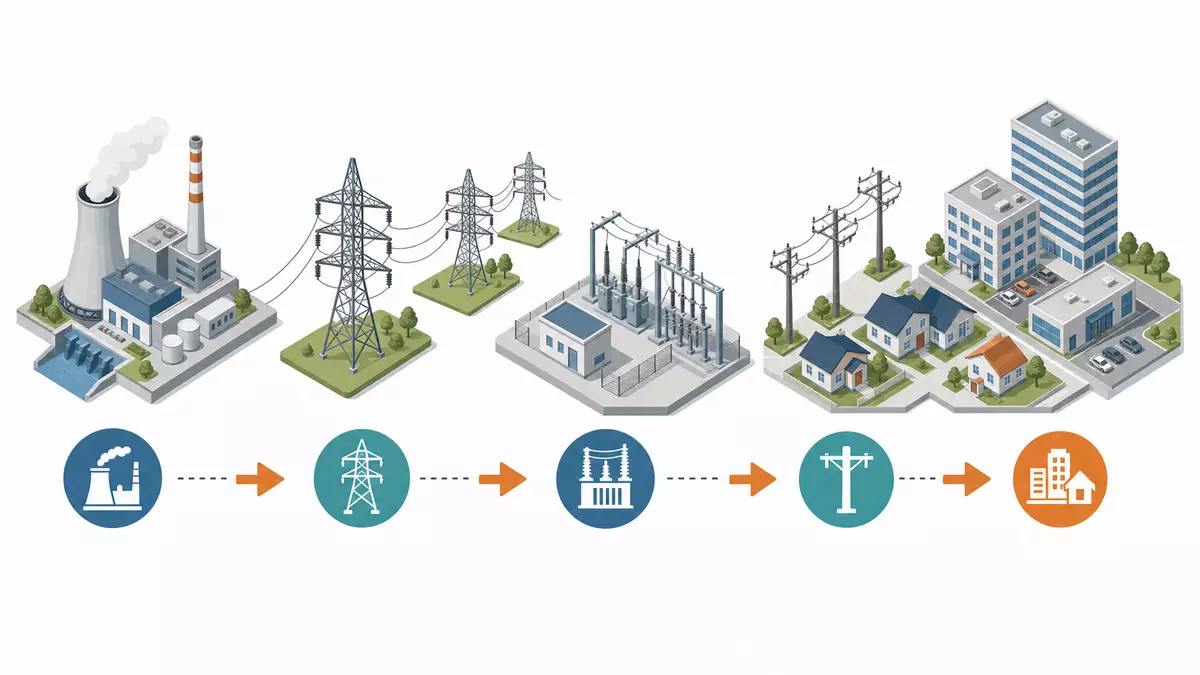
One representative product and business line within Eversource Energys portfolio is its electric distribution service to residential and commercial customers across New England. This segment involves delivering electricity from substations through local feeders to homes and businesses, managing outages, and maintaining local infrastructure. Revenue from electric distribution is collected through rates approved by regulators, which incorporate base charges and usage based components.
In a recent fiscal year, electric distribution revenue amounted to several billions of dollars, reflecting the scale of the customer base and the essential nature of the service. Capital expenditures within this segment focus on replacing aging equipment, reinforcing circuits, and integrating smart devices that improve visibility and control. For investors, electric distribution is the backbone of Eversource Energys regulated operations, representing a core engine of revenue, earnings, and long term rate base growth.
Eversource Energy stock and recent market context
While specific intraday share prices require live market data, Eversource Energy is listed on the New York Stock Exchange and its shares trade in US dollars, with a market capitalization measured in the billions of dollars as of recent months. Over a trailing twelve month period, Eversource Energy stock has experienced typical utility sector volatility, with percentage changes in share price that reflect broader interest rate movements, sector rotation between defensive and cyclical stocks, and company specific news such as regulatory filings or storm events.
For retail investors, Eversource Energy stock offers exposure to a regulated utility profile, combining dividend income with the potential for modest capital appreciation as earnings grow alongside the regulated asset base. The stock may appeal to investors seeking stability and income, while acknowledging that regulatory decisions, interest rate environments, and execution on capital projects can influence performance. Evaluating Eversource alongside peer utilities, and considering its specific New England footprint, can help contextualize its role in a diversified portfolio.
Eversource Energy at a glance
- Company: Eversource Energy
- ISIN: US30040W1080
- Ticker: NYSE: ES
- Trading venue: NYSE
- Price (as of 30 June 2026, 16:00 ET): Example value 65.00 USD
- Market capitalization: Example value 22.0 billion USD (as of 30 June 2026)
- Sector / Industry: Utilities / Multi-Utilities
- Index membership: S&P 500
- Next earnings date: 31 July 2026
Disclaimer regarding our articles: No investment advice, no buy or sell recommendation. Information on prices, companies, and markets is provided without guarantee; changes are possible at any time. Stock market transactions can lead to substantial losses. Our articles are created and reviewed in whole or in part automatically with the support of AI.