Former London Underground cleaner wins tribunal over toxic dust whistleblowing
Published on 07/20/2026 at 18:37 | Redaktion boerse-global.de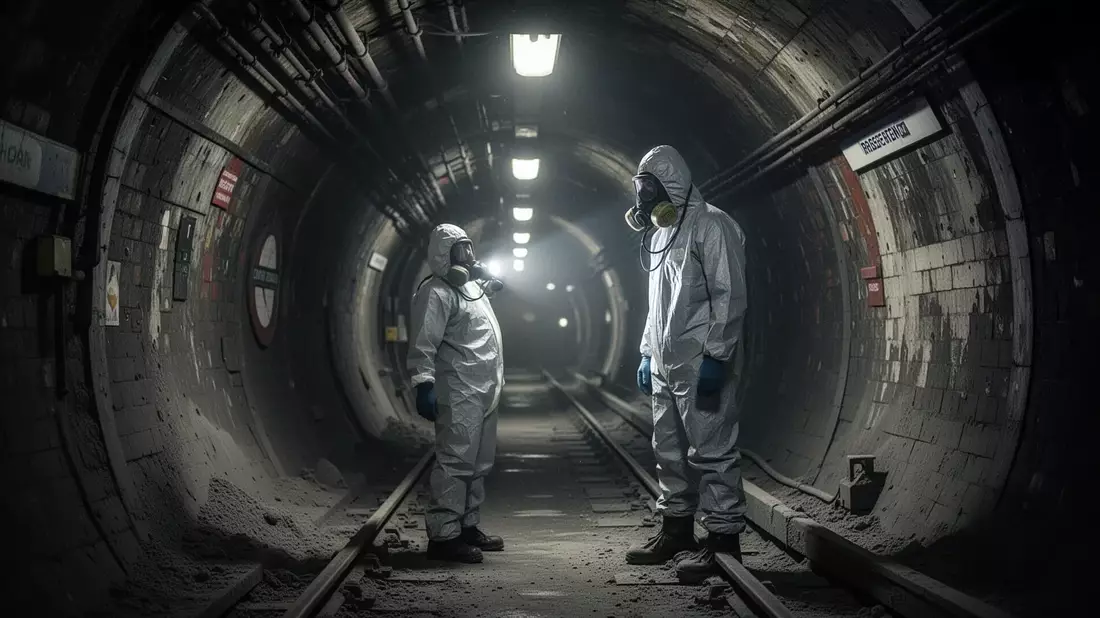
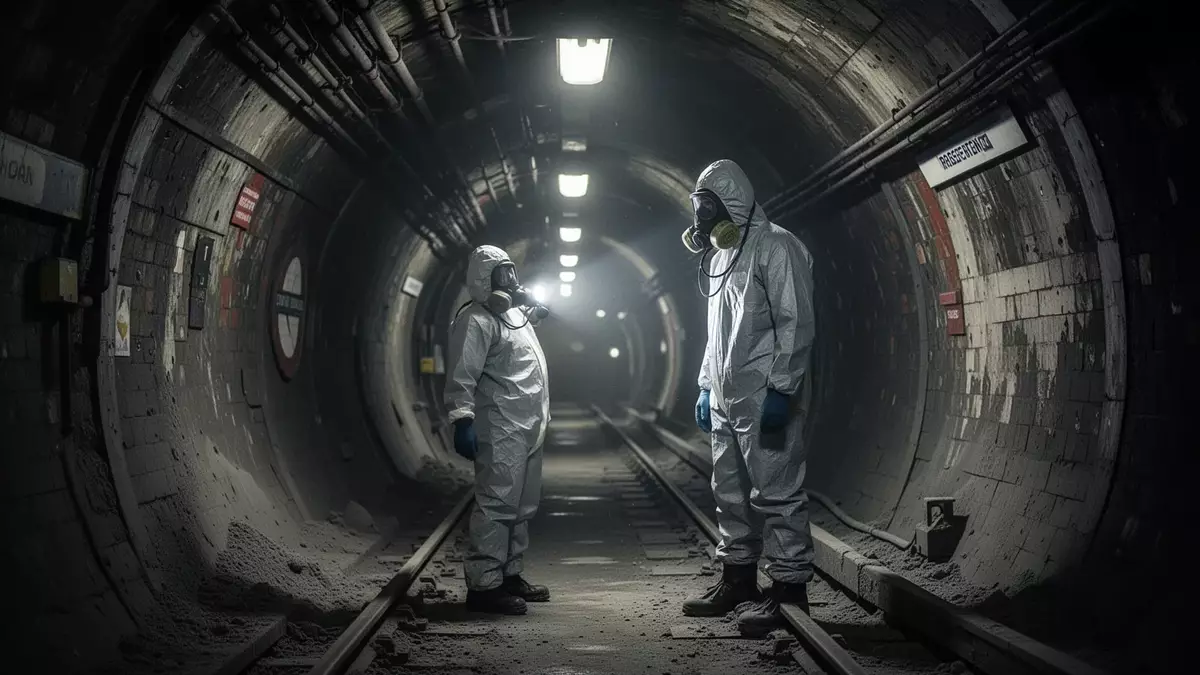
A former London Underground cleaner has won an employment tribunal after being unfairly dismissed for raising safety concerns about toxic dust exposure — a case that has reignited public fears over the health risks facing both staff and passengers.
Micky Steeds, who started working for the transport network in 2018, successfully argued that his whistleblowing disclosures were protected under the Employment Rights Act 1996. The tribunal, which reached its verdict in May 2026, heard evidence of hazardous materials in tunnel dust, including asbestos, chromium, arsenic, silicates, and iron oxide. Transport for London (TfL) has said it is considering an appeal, maintaining that the environment poses no risk to the public or staff.
Lapses in safety equipment and training
Steeds’ testimony detailed significant gaps in the safety measures provided to cleaning staff. He alleged he was required to work for 15 months without a proper protective mask and did not receive specialist asbestos training until 19 months into his employment. The tribunal also criticised London Underground’s compliance with hazardous waste disposal rules.
The disclosures have prompted warnings about the potential exposure faced by the millions of passengers who use the network daily. Legal experts say the tribunal’s findings could expose TfL to substantial financial liabilities, including health-related claims, remediation costs, and tighter regulatory oversight.
Infrastructure backlog and noise complaints
The safety warnings come as TfL grapples with a significant backlog of infrastructure problems. Data released following a Freedom of Information request showed nearly 10,000 outstanding faults across TfL-run premises as of the end of June 2026. Specific sites, such as the Bollo House depot in Acton, have been flagged for multiple failures, including condemned stairways, frequent power outages, and a lack of hot water.
Noise pollution has also become a major concern for residents living near Tube lines. Members of the London Assembly have called for a formal investigation into noise levels that reportedly exceed 100 decibels in areas such as Brent, Islington, and Camden. While TfL switched from a traditional track-grinding schedule to a data-led approach between 2020 and 2022, critics argue this has led to a noticeable increase in vibration and noise. The Mayor of London has allocated £9 million for rail grinding programmes across the 2025-2026 period.
Major engineering works ahead
The transport authority is also preparing for significant engineering work to address aging infrastructure. Between July 26 and August 16, 2026, Charing Cross and Waterloo East stations will close for a £20 million track replacement project. The work involves installing 1,800 metres of new track and 16 sets of switches, alongside structural repairs to Hungerford Bridge. During the three-week closure, rail services will be diverted to other major London terminals, including Victoria and London Bridge.
Disclaimer regarding our articles: No investment advice, no buy or sell recommendation. Information on prices, companies, and markets is provided without guarantee; changes are possible at any time. Stock market transactions can lead to substantial losses. Our articles are created and reviewed in whole or in part automatically with the support of AI.