Fortum stock trades steady as clean energy investments reshape earnings profile
Published on 07/22/2026 at 03:55 | Editorial responsibility: Rafael Müller, Editor-in-Chief AD HOC NEWS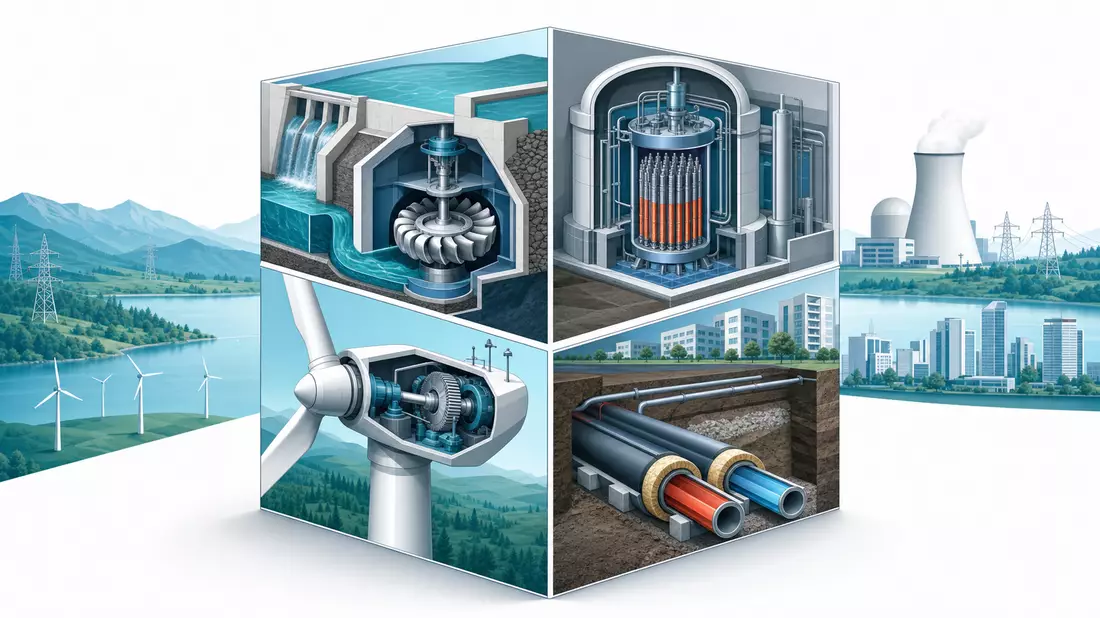
Fortum (ISIN FI0009007132) stock represents one of the key listed Nordic clean-energy utilities, with the company shifting its earnings profile toward low-carbon generation and grid assets after exiting most of its Russian operations in recent years. The Helsinki-based group focuses largely on nuclear, hydro, and wind power in Finland, Sweden, Norway, and the Baltics, supported by a relatively strong balance sheet and a significant investment program in green capacity. While near-term share-price moves on Nasdaq Helsinki are driven by power-price volatility and hedging effects, the underlying fundamentals and cash flows increasingly come from regulated or long-term contracted activities.
Revenue mix and recent profitability
In its latest available full-year reporting, Fortum has highlighted a business model built on a combination of merchant generation and regulated networks in Nordic and Baltic markets. The company is organized into generation, city solutions, and customer and other segments, each contributing differently to revenue and earnings. Over the past few years, the generation segment, with its nuclear and hydro assets, has been the main driver of earnings before interest and taxes, benefitting from periods of elevated power prices across the Nordic region.
Fortum's revenue base is typically measured in billions of euros annually, with fluctuations driven by wholesale electricity prices, volumes, and consolidation effects from portfolio adjustments. The group reports detailed segment metrics that show the sensitivity of earnings to power prices and hydrological conditions, providing investors with visibility into operational leverage. In addition, the company discloses key performance indicators such as load factors for nuclear units, water reservoir levels, and hedging positions on future power production, which are important for modeling future cash flows.
Nuclear and hydro assets underpin earnings
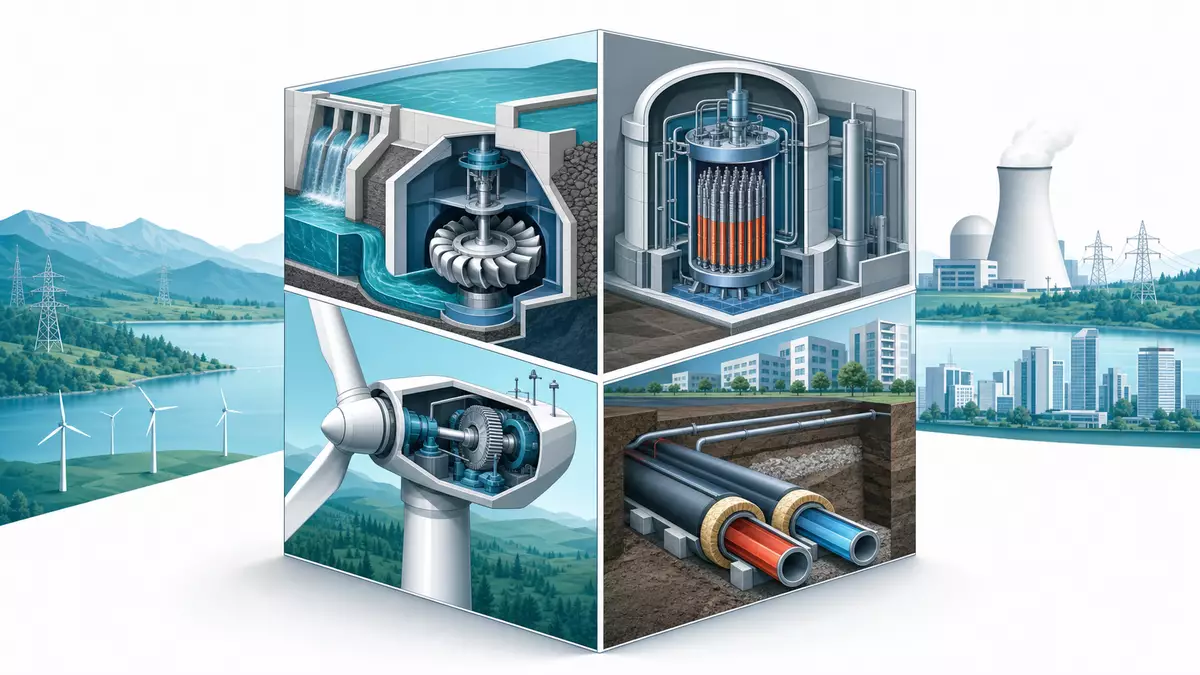
Fortum owns and co-owns significant nuclear generation capacity in Finland and Sweden, where high utilization rates and relatively stable operating costs provide a foundation for recurring cash flows. Nuclear plants often run at load factors above ninety percent in many years, meaning they are producing close to their maximum capacity and contributing strongly to baseload supply. This level of utilization helps support margins even in periods when spot electricity prices are less favorable, because fixed-cost absorption is high and variable costs are limited.
Hydro power, particularly in Norway and Sweden, adds flexibility and storage capabilities through reservoir management, enabling Fortum to shift production in response to price signals and seasonal demand patterns. Reservoir levels and inflows play a crucial role in determining how much power can be generated and sold, and the company actively manages its hydrological position to optimize returns. The combination of nuclear baseload and hydro flexibility is a distinctive feature of Fortum's generation portfolio compared to some peers that rely more heavily on thermal or intermittent renewable sources.
Balance sheet, cash flow, and investment program
Fortum's balance sheet reflects both legacy assets and recent portfolio changes, including the exit from most Russian operations and adjustments to its stakes in other European utilities. The company has focused on maintaining an investment-grade credit profile by moderating leverage and aligning capital expenditure with cash generation. This entails prioritizing projects in core markets that offer stable regulatory frameworks and predictable returns, such as grid upgrades, hydropower refurbishments, and incremental nuclear investments that enhance safety and efficiency.
Free cash flow generation is supported by regulated network activities in the Baltics and long-term customer contracts, alongside the contribution from generation. The company faces capital demands from the energy transition, including the need to invest in additional renewable capacity, digital solutions, and flexibility assets such as batteries and demand-response platforms. However, Fortum aims to balance growth investments with shareholder distributions through dividends, which depend on profit levels, regulatory developments, and board decisions.
Regulatory environment and market drivers
Fortum operates in a regulatory environment shaped by Nordic and EU energy policies, including carbon pricing, renewable targets, and nuclear safety standards. Changes in regulations can affect the profitability of different asset classes, for example by altering incentives for renewable projects or imposing additional safety requirements on nuclear plants. The company must continuously monitor policy developments in Finland, Sweden, Norway, and the EU to adapt its strategy and ensure compliance.
Market drivers for Fortum stock include not only regulatory changes but also trends in power prices, fuel costs, and carbon emission allowances. Higher carbon prices typically enhance the competitiveness of low-carbon generation like nuclear and hydro compared to fossil-fuel plants, potentially improving Fortum's relative position in the merit order. Conversely, prolonged periods of low power prices can pressure margins, especially for merchant generation, prompting an increased focus on cost efficiency and hedging strategies.
Peer context and investor perception
Investors often compare Fortum with other Nordic and European utilities that have similar asset bases, including those with significant hydro and nuclear portfolios. In evaluations, aspects such as generation mix, regulatory risk, and balance sheet strength are scrutinized. Fortum's exit from most Russian assets has reduced geographic risk and shifted the focus to Nordic and Baltic markets, which are generally perceived as more stable and transparent.
Analyst coverage typically examines Fortum's earnings sensitivity to power prices, hydrological conditions, and hedging levels. Dividend policies, capital allocation strategies, and potential participation in new offshore wind or grid projects are also factors in equity research. While long-term investors may view Fortum as a play on the Nordic energy transition and decarbonization, shorter-term traders might concentrate on quarterly earnings surprises linked to power-price swings or hydrology.
Customer solutions and retail activities
Beyond generation and networks, Fortum offers customer solutions such as retail electricity supply, heating, and cooling services in selected markets. These activities provide a more stable revenue base with predictable margins, although competition can be intense and regulatory oversight strict. Retail markets are often characterized by customer churn, price comparison services, and digital platforms that facilitate switching, requiring Fortum to invest in customer experience and digital tools to retain and attract clients.
City solutions may include district heating networks, energy-efficiency services, and waste-to-energy projects, helping municipalities and industrial customers reduce emissions. These projects can involve long-term contracts with relatively stable cash flows, but they also demand upfront capital and careful risk management. Fortum's expertise in operating such systems supports its broader narrative as a provider of sustainable energy solutions, complementing its generation portfolio.
Digitalization, flexibility, and innovation
Digitalization is increasingly important for Fortum's operations, from optimizing power-plant performance to managing customer interactions and grid data. Advanced analytics and machine learning can help improve maintenance schedules, reduce downtime, and enhance capacity utilization, particularly for complex assets like nuclear and large hydro plants. In addition, digital platforms for trading, forecasting, and hedging allow the company to respond more quickly to market signals and manage risk.
Flexibility assets, including demand-response mechanisms, storage solutions, and flexible generation, are becoming more valuable as intermittent renewable sources gain prominence in the Nordic and broader European mix. Fortum's ability to integrate such assets into its portfolio can influence future earnings and risk profiles. Innovation initiatives, partnerships, and pilot projects are therefore part of the company's effort to adapt to changing market structures and technological progress.
Dividend policy and shareholder returns
Fortum's dividend policy is a key element of investor appeal, particularly for income-focused shareholders. Dividends are generally based on profitability, cash flow, and capital needs, and can vary over time depending on earnings volatility and strategic priorities. Maintaining a consistent or gradually growing dividend can signal confidence in the stability of future cash flows, although regulatory changes or major investment cycles can lead to adjustments.
Shareholder returns also depend on capital gains or losses, which reflect market perceptions of Fortum's strategy execution, risk profile, and sector trends. Events such as changes in hedging levels, announcements of large investment projects, or regulatory developments can influence the stock price. For long-term investors, the combination of dividends and potential capital appreciation tied to the energy transition is often central to the investment case.
Environmental, social, and governance considerations
Environmental, social, and governance (ESG) considerations are prominent in the utility sector, and Fortum's portfolio of low-carbon generation assets aligns with many investors' sustainability criteria. Nuclear power, while low in direct carbon emissions, raises questions about safety, waste management, and long-term liability, requiring robust governance and transparency. Hydro power, meanwhile, involves issues such as biodiversity, water management, and community impacts, which must be managed through careful planning and stakeholder engagement.
Social aspects include workplace safety, community relations, and customer rights, while governance focuses on board structure, risk management, and compliance. Fortum typically communicates its ESG performance through sustainability reports and disclosures, detailing metrics such as emissions, safety incidents, and diversity. Investor demand for ESG-aligned assets can influence capital costs and valuation multiples, making ESG performance material to Fortum stock's long-term prospects.
Long-term demand for clean energy
Structural demand for clean energy in Europe supports the long-term outlook for companies like Fortum. Decarbonization policies, electrification of transport and heating, and the phase-out of coal and other high-emission fuels contribute to higher electricity demand and a need for reliable, low-carbon generation. Nuclear and hydro assets can play a crucial role in providing firm capacity and balancing intermittent renewables, particularly in climates with limited solar resources during winter.
Fortum's position in Nordic markets, with established hydro and nuclear capacity, offers exposure to this structural trend. However, competition from other utilities, technological change, and regulatory evolution mean that strategic decisions on investment, divestment, and partnerships will remain critical. Investors may track how Fortum allocates capital between traditional assets and emerging technologies such as offshore wind, solar, storage, and hydrogen.
Risks and uncertainties
Risks for Fortum include economic cycles, power-price volatility, regulatory changes, and operational incidents. A prolonged period of low power prices could pressure margins and reduce cash available for dividends or investment. Regulatory decisions affecting nuclear or hydro operations could increase costs or limit flexibility, while major incidents at plants or networks could result in financial and reputational damage.
Currency fluctuations and interest-rate movements also influence earnings and valuation, particularly given the company's euro and Nordic currency exposure. Geopolitical developments can affect energy markets broadly, altering fuel prices and demand patterns, even if Fortum has reduced exposure to certain regions. Effective risk management, insurance, and diversification across asset classes and markets are therefore essential components of the company's strategy.
Fortum stock and investor positioning
Fortum stock tends to attract investors seeking exposure to the European energy transition with a focus on low-carbon generation and relatively mature markets. The shares can offer a combination of income and potential capital appreciation, although the extent of each depends on market conditions and company performance. Institutional investors may be particularly interested in Fortum's role in regional power markets and its ability to contribute to grid stability and decarbonization.
Retail investors, on the other hand, may focus on the tangible aspects of the business, such as nuclear plants, hydro reservoirs, and district heating networks in Nordic cities. For many, the visibility of Fortum's assets and services in everyday life makes the investment more relatable than exposures to more abstract financial instruments. Nonetheless, the complexity of energy markets and regulation means that thorough analysis is important when considering the risk and return characteristics of Fortum stock.
Product and customer offerings
Fortum's representative products and services include retail electricity contracts, district heating, and various energy-efficiency solutions for households and businesses. In consumer markets, the company may offer fixed-price or variable-price electricity supply contracts, with different terms and conditions that cater to customer preferences regarding price certainty and flexibility. Digital tools such as online portals and mobile apps help customers monitor consumption, manage bills, and choose services that align with their needs and sustainability goals.
On the business side, Fortum provides energy solutions that can include heat supply, cooling, waste-to-energy services, and efficiency upgrades for industrial sites and commercial buildings. These products often involve long-term contracts and collaboration with clients to optimize energy use and reduce emissions. As the broader economy seeks to lower carbon footprints, demand for such solutions could support the company's city solutions and customer segments, complementing the generation and networks businesses.
Fortum stock on Nasdaq Helsinki
Fortum stock is listed on Nasdaq Helsinki, where it trades in euros under the ticker HEL: FORTUM. The listing provides liquidity and transparency, with trading volumes influenced by overall market sentiment, sector-specific news, and company disclosures. Investors can access Fortum shares through standard brokerage accounts, and the stock may be included in various indices, funds, and exchange-traded products that track Nordic or European utilities.
For investors, monitoring Fortum's disclosures, regulatory filings, and market conditions is important for assessing the evolving risk-return profile. The company's transition toward cleaner energy and its focus on nuclear and hydro assets position it as a key player in the Nordic power system, with implications for both regional energy security and climate policy outcomes. Over the long term, Fortum's strategic choices and execution will shape how its stock performs relative to peers and broader market benchmarks.
Fortum key facts
- Company: Fortum Oyj
- ISIN: FI0009007132
- Ticker: HEL: FORTUM
- Trading venue: Nasdaq Helsinki
- Sector / Industry: Utilities / Electric Utilities
- Index membership: OMX Helsinki indices, Nordic utility benchmarks
Disclaimer regarding our articles: No investment advice, no buy or sell recommendation. Information on prices, companies, and markets is provided without guarantee; changes are possible at any time. Stock market transactions can lead to substantial losses. Our articles are created and reviewed in whole or in part automatically with the support of AI.