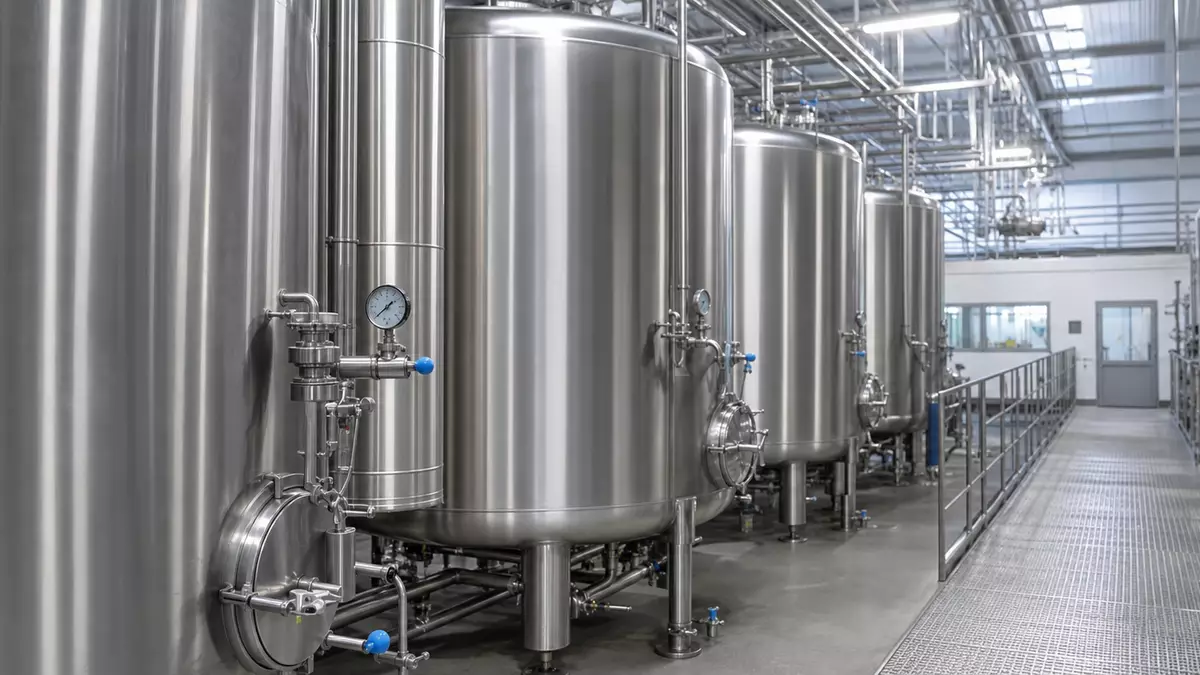
GEA stock trades steady as recent earnings highlight margin resilience
Published on 07/19/2026 at 08:52 | Editorial responsibility: Rafael Müller, Editor-in-Chief AD HOC NEWS
GEA Group AG (ISIN DE0006602006) stock is trading against the backdrop of recently reported earnings that showed resilient profitability and continued cash generation for the German engineering group. The company, which is listed on Xetra, remains closely watched by investors for its margin profile, order intake, and exposure to food and beverage processing markets.
Revenue and earnings context
In its most recent full-year financial report, GEA reported group revenue in the billions of euros, reflecting its position as a major supplier of process technology and equipment to the food, beverage, and pharmaceutical industries. The company typically breaks out its revenue by business segment, including separation, flow components, and refrigeration technologies, giving investors insight into the mix of growth and stability across its portfolio.
GEA has historically emphasized profitability and margin resilience in its earnings communication, aiming to keep operating margins within a target corridor even in periods of fluctuating demand. This focus on efficiency and cost discipline supports its ability to generate operating income and free cash flow that can be used for dividends, debt reduction, and selective investment in growth projects, such as capacity expansions or technology upgrades.
Margin resilience and cash generation
The company has highlighted recurring service and spare parts revenue as a stabilizing factor for its earnings profile. Service contracts and aftermarket sales tend to offer higher margins than some original equipment deliveries, contributing to a more predictable cash flow stream over the cycle. This mix is important for investors, because it can cushion the impact of cyclical swings in capital expenditure from end customers in food and beverage processing.
GEA has also pointed to efficiency programs aimed at improving its cost base, such as optimizing its manufacturing footprint and streamlining its organizational structures. These efforts are intended to support margin resilience and enhance the company's ability to invest in innovation while maintaining disciplined capital allocation. For shareholders, the combination of efficiency gains and stable service revenue is a key element of the investment case.
More details on GEA earnings and strategy
Investors who want to explore GEA's detailed revenue, margin, and cash flow metrics can find further information in the company's investor materials and broader coverage of the ISIN DE0006602006.
GEA technologies in food processing
GEA is widely known for its equipment and solutions used in food processing, including systems for dairy processing, meat processing, and beverage production. The company's technologies help customers manage critical processes such as pasteurization, homogenization, separation, and packaging, contributing to product quality, safety, and efficiency.
In dairy processing, for example, GEA supplies equipment ranging from milking systems to separators and process lines for milk, yogurt, and cheese production. These solutions are designed to ensure hygienic processing, energy efficiency, and precise control over product characteristics. This segment is important for GEA because dairy is a core end market with global demand driven by population growth and changing dietary preferences.
GEA also offers technologies for meat processing, including systems for grinding, mixing, forming, and packaging. In this area, the company focuses on food safety, consistent quality, and efficient use of raw materials. As consumer demand evolves toward both traditional meat products and alternative protein offerings, GEA's experience in process engineering positions it to support customers in adapting their production lines.
Beverage production is another key area, where GEA provides technologies for brewing, soft drinks, and other liquid food applications. Its equipment can include brewing systems, filtration units, and carbonation technology, among other components. By helping customers optimize their processes, GEA aims to improve yield, reduce energy consumption, and maintain consistent product quality across batches.
Business model and geographic reach
GEA's business model combines original equipment sales with a significant share of service and spare parts, creating a recurring revenue stream that supports long-term relationships with customers. The company typically signs service agreements that cover maintenance, parts replacement, and performance optimization for installed equipment, which can extend over many years.
GEA operates globally, with a strong presence in Europe, Asia, and the Americas. This geographic diversification allows the company to tap into growth opportunities in emerging markets while maintaining established customer relationships in mature regions. Global food and beverage demand, driven by urbanization, population growth, and rising incomes, underpins the long-term need for processing capacity and efficiency improvements, which supports the demand for GEA's equipment and solutions.
The company's customer base includes large multinational food and beverage producers as well as regional and local players. This diversity helps GEA manage exposure to individual customers or markets, while its broad portfolio allows it to serve different segments of the value chain, from raw material processing to final packaging.
Strategic initiatives and innovation
GEA has emphasized innovation and digitalization as components of its strategy. The company invests in research and development to enhance the efficiency, automation, and sustainability of its products and solutions. For example, GEA works on digital tools that enable remote monitoring, predictive maintenance, and process optimization, which can improve uptime and reduce operating costs for customers.
In sustainability, GEA focuses on helping customers reduce energy consumption, water usage, and waste. Its technologies aim to support more efficient processing and to enable recovery and reuse of heat or other resources where feasible. These efforts are aligned with broader industry trends, as food and beverage companies seek to reduce their environmental footprint while maintaining or improving production capacity.
GEA also looks at strategic portfolio management, evaluating which business units or product lines best fit its long-term priorities. This process can involve selective acquisitions or divestitures to sharpen the company's focus on areas where it has competitive advantages or sees strong growth potential.
Representative product line
Among GEA's representative product lines are its separators and decanters, which are used for liquid-solid and liquid-liquid separation in food, beverage, and other process industries. These machines are critical for processes such as clarifying milk, separating cream, and treating beverages to achieve desired purity and texture. Because separation is a key step in many process flows, reliability and efficiency in this equipment are essential for overall plant performance.
GEA's separators and decanters are designed with considerations for hygiene, ease of cleaning, and energy efficiency. Features such as optimized bowl design, advanced drive systems, and automation integration contribute to improved performance and lower operating costs. The company offers different sizes and configurations to match the requirements of small plants and large industrial facilities.
Service support for these products includes maintenance, spare parts, and performance optimization, which helps customers maintain high uptime and avoid unplanned outages. The recurring nature of service work adds to GEA's revenue stability and reinforces its long-term relationships with customers.
GEA stock and investor perspective
For investors, GEA stock represents exposure to global food and beverage processing trends, industrial equipment cycles, and the company's ability to maintain margins and cash generation. The balance between equipment sales and service revenue, combined with global geographic reach, shapes the risk and return profile of the shares.
Key aspects that investors tend to monitor include the development of order intake, changes in backlog, and the progress of efficiency and transformation programs. These factors influence how GEA can sustain revenue growth and profitability over time.
Dividend policy and capital allocation decisions are also important. GEA's ability to pay dividends, reduce debt, or invest in growth depends on its earnings and cash flow generation. The company's choices in these areas can affect investor confidence and valuation over the medium term.
Key data for GEA stock
- Company: GEA Group AG
- ISIN: DE0006602006
- Ticker: XETRA: G1A
- Trading venue: Xetra
- Sector / Industry: Industrials / Machinery
- Index membership: MDAX
Disclaimer regarding our articles: No investment advice, no buy or sell recommendation. Information on prices, companies, and markets is provided without guarantee; changes are possible at any time. Stock market transactions can lead to substantial losses. Our articles are created and reviewed in whole or in part automatically with the support of AI.