Gold’s Wild Ride: Hawkish Fed Minutes Trigger Slump, Iran Strikes Spark Reversal
Published on 07/09/2026 at 18:23 | Redaktion boerse-global.de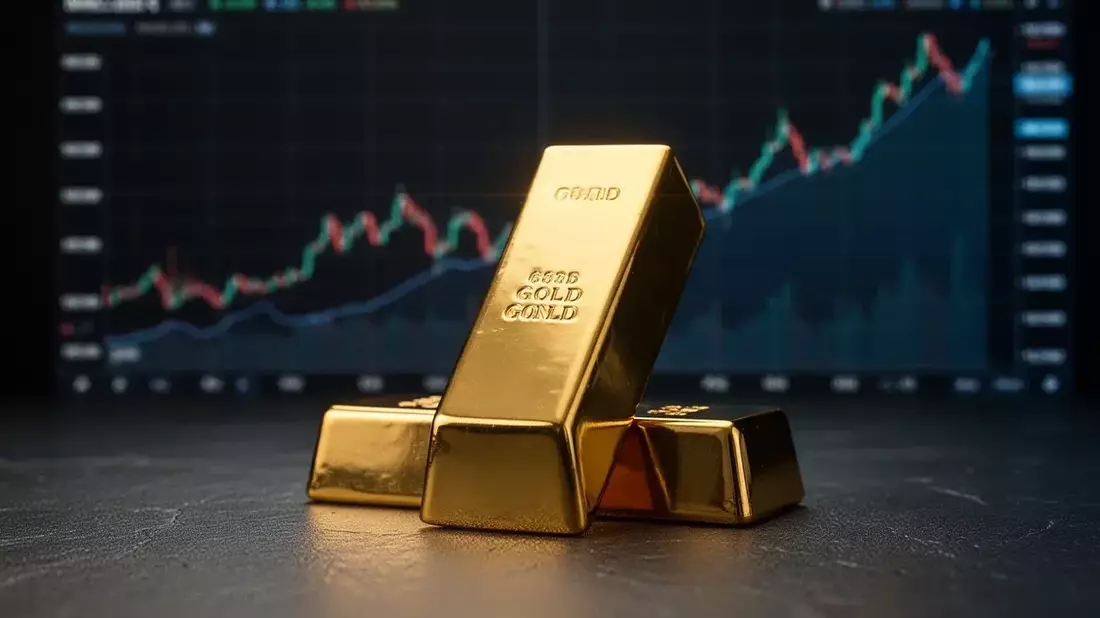
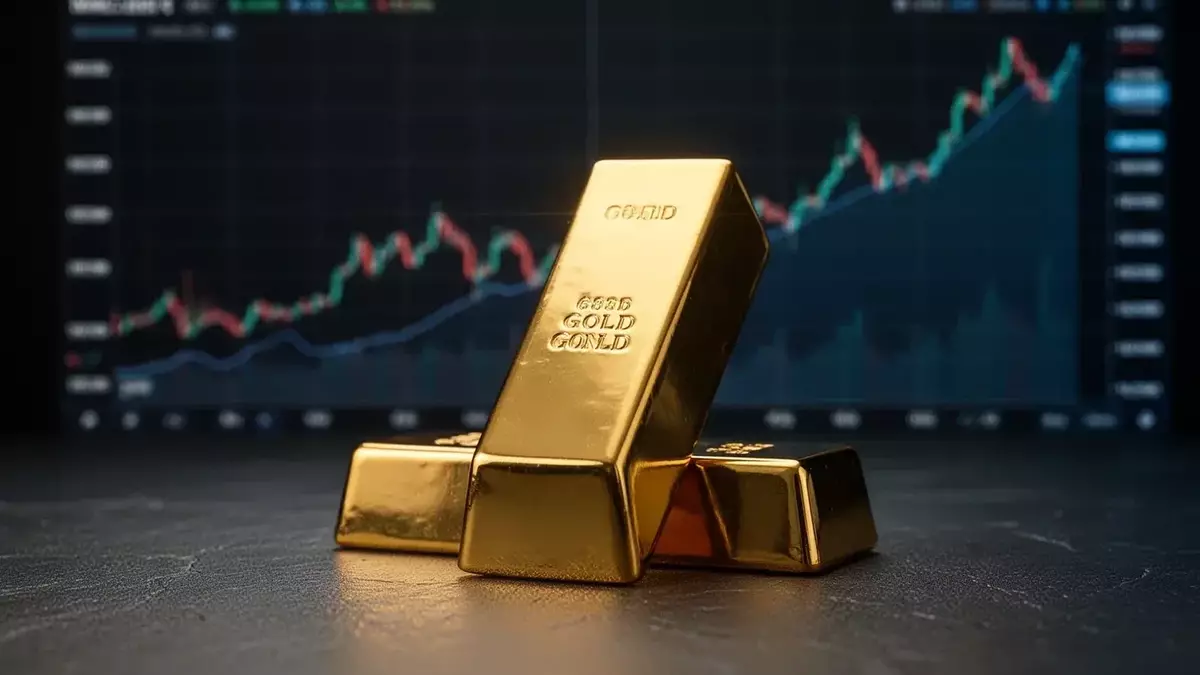
Gold prices careened through a volatile session on Thursday, first tumbling on the back of unexpectedly hawkish Federal Reserve minutes before rebounding sharply on news of US military strikes against Iran. The metal’s ability to shake off an earlier slide highlights the competing narratives of safe-haven demand and monetary tightening that continue to pull investors in opposite directions.
After opening under pressure, bullion plumbed an intraday low of $4,043.60 per troy ounce, leaving it 2.25% lower over seven days and 6.87% in the red for the year. The sell-off was triggered by the release of minutes from the Fed’s latest meeting, which revealed a surprisingly restrictive stance under Chairman Kevin Warsh. With core inflation running at 4.2% — the highest in three years — committee members signalled rates would stay elevated for an extended period, and some even discussed further tightening. That sent yield on the 10-year US Treasury above 4.58% and strengthened the dollar, heaping pressure on the non-yielding metal.
By later in the session, however, safe-haven flows reversed the trajectory. Gold surged to $4,135.30, posting a daily gain of 1.17% and trimming its year-to-date decline to 4.76%. The catalyst was a US military operation against Iran, which intensified fears over the Strait of Hormuz. The vital waterway has been effectively blocked since late February, disrupting oil and gas shipments and keeping energy prices elevated. Brent crude jumped to $78.72 a barrel in direct response to the escalation, reinforcing inflation anxieties that the Fed now sees as a key justification for its tight policy.
Should investors sell immediately? Or is it worth buying Gold?
Market participants are now pricing in a 68% probability of another rate increase at the Fed’s September meeting, a stark reversal from the rate-cut expectations that buoyed gold early in the year. The high opportunity cost of holding the metal, combined with the dollar’s strength, continues to weigh on long-term sentiment. HSBC responded by lowering its 2026 gold price forecast to $4,560 per ounce, citing restrictive monetary policy and a robust greenback. Bernstein Research, by contrast, edged its own target up to $4,533, pointing to sustained demand from central banks.
Official sector buying remains a powerful underpinning. Central banks added a net 41 tonnes of gold in May 2026 alone, with institutions in China and Poland leading the charge. This steady accumulation provides a floor beneath the market even as exchange-traded fund investors pull back. Physical gold ETFs have seen significant outflows as investors shift into liquid assets or higher-yielding bonds, a trend the Fed’s hawkish stance has only accelerated.
Technicians are divided on the near-term outlook. A so-called “death cross” has already flashed — the 50-day moving average sliding below the 200-day — which is often interpreted as a signal that the corrective phase has staying power. Gold remains below its 200-day moving average of $4,538.97, and the metal now trades 26.51% below its all-time record high. The relative strength index, at 44.5 according to one measure, sits in neutral territory, while another reading of 38.4 points to oversold conditions. Still, the 30-day volatility of roughly 28% underscores the persistent nervousness in the market.
With the price just 3.65% above the 52-week low of $3,901.30, traders are watching the $4,000 level closely. A durable break below that round number would open the door to further downside, with the next major support zone pegged at $3,500. For now, though, the mix of geopolitical crisis and central bank accumulation is providing just enough lift to keep the bears at bay.
Ad
Gold Stock: New Analysis - 9 July
Fresh Gold information released. What's the impact for investors? Our latest independent report examines recent figures and market trends.
Disclaimer regarding our articles: No investment advice, no buy or sell recommendation. Information on prices, companies, and markets is provided without guarantee; changes are possible at any time. Stock market transactions can lead to substantial losses. Our articles are created and reviewed in whole or in part automatically with the support of AI.