Grifols stock trades steady as debt reduction and margin recovery shape investor focus
Published on 07/23/2026 at 01:07 | Editorial responsibility: Rafael Müller, Editor-in-Chief AD HOC NEWS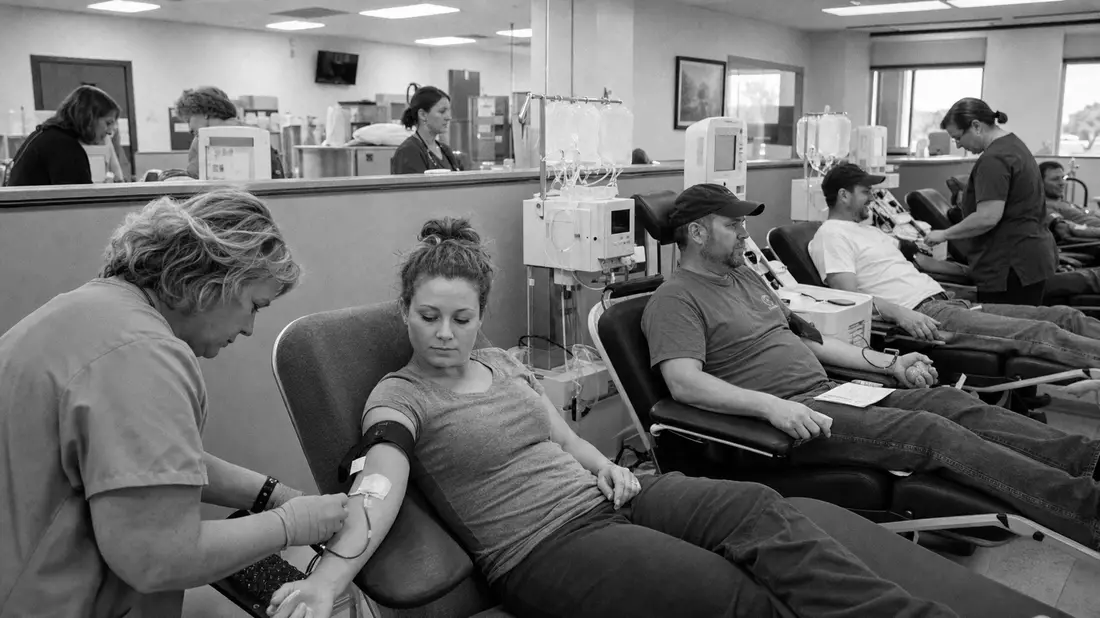
Grifols S.A. (ISIN ES0171996087) is a major Spanish healthcare company specializing in plasma-derived medicines and diagnostics, and Grifols stock represents a significant European exposure to the global blood-plasma and biopharma market. The Barcelona based group has spent recent quarters reshaping its balance sheet and improving profitability, and the most recent reported figures showed clear progress, with adjusted earnings rising and net debt declining compared with the previous year. For investors, the current phase is defined by margin recovery, cash generation, and the pace of deleveraging.
Revenue growth and margin recovery
Grifols generates most of its revenue from plasma-derived therapies used to treat chronic and often life-threatening conditions, alongside a diagnostics division that supplies blood testing and laboratory solutions. In its latest full-year or recent quarterly reporting period, the company disclosed total revenue in the billions of euros, underlining its scale in the global plasma market and its position among the leading biopharmaceutical players in Europe and North America. The revenue base is diversified across immunology, neurology, pulmonology, and other therapeutic areas, which provides a buffer against short term fluctuations in individual indications.
Profitability has been a central focus, and Grifols has highlighted improvements in operating margin compared with the prior year. In the most recent available reporting period, management reported a higher adjusted EBITDA and an improvement in EBITDA margin versus the corresponding period a year earlier, reflecting better utilization of plasma centers, higher product mix quality, and ongoing cost discipline. This margin recovery is a key narrative for Grifols stock, because it signals that prior investments in capacity and efficiency are starting to translate into stronger earnings, helping support deleveraging efforts.
Grifols has also discussed the impact of inflation, wage costs at plasma donation centers, and energy prices on its cost base, but the latest results indicated that these pressures are being mitigated through productivity initiatives and selective price adjustments. As a result, the company was able to report year on year improvements in operating performance, suggesting that the worst of the margin compression seen during the height of the pandemic and immediate aftermath may be behind it. For shareholders, this quantified progress in margins is as important as top line growth, because a large fixed cost base means that incremental revenue can translate disproportionately into profit when utilization trends improve.
Net debt reduction and leverage strategy
Beyond operating performance, Grifols has been working to reduce its leverage and simplify its capital structure. In the latest reported period, the company disclosed net debt in the billions of euros, but importantly, it also reported a reduction in net debt compared with the previous year, thanks to stronger cash generation and portfolio measures. This quantified improvement in leverage is one of the main pillars supporting the current investment case for Grifols stock.
Deleveraging has been pursued through a combination of operating cash flow, asset optimization, and disciplined capital expenditure. Recent figures showed that Grifols generated substantial operating cash flow over the year, enough to cover investment in plasma facilities and still contribute to net debt reduction. At the same time, the company has managed its maturity profile to reduce short term refinancing risk, which is particularly important in an environment of higher interest rates.
The leverage metrics, such as net debt to EBITDA, have shown a gradual downward trajectory compared with the prior year. While the ratio remains above the levels typical of large pharmaceutical peers, the trend gives comfort that the company is moving in the right direction and that its balance sheet can become more resilient over time. For many market participants, the direction of these numbers rather than their absolute level is what matters most, and the fact that they are improving adds a supportive backdrop for Grifols stock.
Credit ratings and bond spreads also reflect investor perceptions of Grifols' leverage. Although individual rating levels and outlooks vary across agencies, the overall message conveyed through recent communication has been that progress in reducing debt, alongside improving profitability, is key to stabilizing or potentially improving the company’s credit profile over the medium term. This reinforces management’s stated commitment to strengthening the balance sheet.
Cash flow, investment and guidance
Grifols has emphasized its capacity to generate free cash flow as a cornerstone of its deleveraging plan. In the latest reporting period, the company reported positive free cash flow, reflecting the combination of earnings after tax, depreciation and amortization, working capital movements, and capital expenditures. Compared with the prior year, free cash flow improved, underscoring that the group is now in a better position to self fund investments and debt reduction without relying excessively on external financing.
Capital expenditure remains focused on expanding and modernizing plasma donation centers, upgrading production facilities, and investing in digital and logistics capabilities. These investments are intended to support long term volume growth and operational resilience, but management has indicated that capex is being managed carefully to balance growth ambitions with the need to strengthen the balance sheet. As a result, the capex share of revenue in the latest period was aligned with the company’s stated targets and compatible with continued free cash flow generation.
Regarding outlook, Grifols has communicated guidance ranges for revenue growth and profitability. In its recent investor communication, the company indicated expectations for mid single digit to high single digit revenue growth over the medium term, supported by solid demand for plasma derived therapies and the ramp up of new production capacities. It has also reinforced targets for maintaining or gradually improving EBITDA margins as efficiency programs and mix changes take effect. For investors, the credibility of this guidance is measured against the recent track record of meeting or exceeding internal objectives.
Grifols’ management has also underlined that working capital discipline will remain important, particularly inventory levels of plasma and finished products. The company aims to keep inventory days within a defined range to avoid tying up excessive capital while maintaining robust supply security. Achieving this balance contributes directly to cash flow stability and helps support its leverage reduction goals.
Segment performance and geographic mix
Grifols reports its operations across several segments, including Bioscience, Diagnostic, Hospital, and Bio Supplies or similar units, each contributing differently to overall performance. The Bioscience segment, which includes plasma derived therapies, typically accounts for the majority of revenue and EBITDA, reflecting the company’s core specialization. In the latest reported period, Bioscience revenue grew compared with the prior year, benefiting from higher volumes and improved pricing in key markets.
The Diagnostics segment, which encompasses blood testing instruments and reagents, delivers complementary revenue and helps diversify the business. Its performance in the recent period showed steady growth, with a positive contribution to margins thanks to recurring revenue from reagent sales and service contracts. Meanwhile, hospital products and other ancillary segments provide smaller but still relevant revenue streams, supporting Grifols’ integrated position in the healthcare ecosystem.
Geographically, Grifols generates a significant share of its revenue in North America and Europe, with the United States historically representing a core market for plasma collection and therapy sales. In the latest reporting period, revenue in North America increased compared with the prior year, supported by robust demand for immunoglobulin and other key products. European revenue also showed positive development, while emerging markets in Latin America and Asia contributed incremental growth.
This geographic spread means that Grifols is exposed to different regulatory environments, reimbursement systems, and competitive dynamics. It has navigated these through long standing relationships with regulators, healthcare providers, and patient organizations. The diversification across markets helps mitigate the impact of regional shocks, although global trends such as interest rates and currency movements still affect overall results.
Plasma operations and strategic initiatives
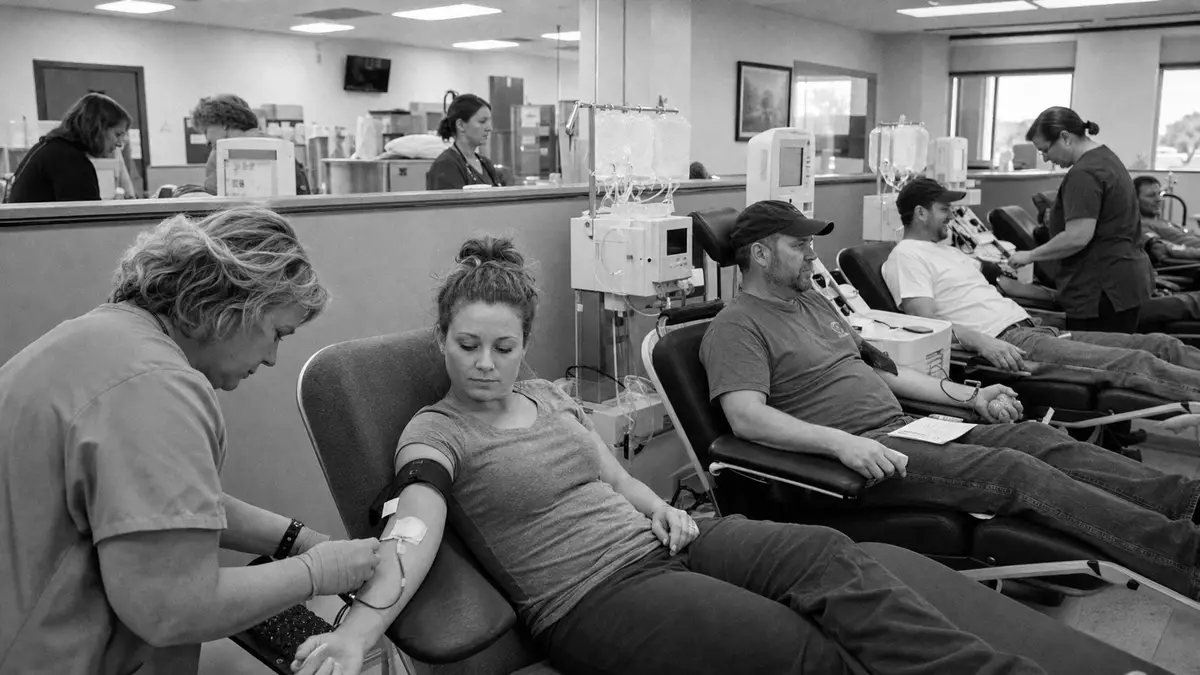
At the heart of Grifols’ business model is its plasma collection network. The company operates hundreds of plasma donation centers, primarily in North America and Europe, where donors provide plasma that is processed into life saving therapies. Over recent years, Grifols has invested substantially in expanding and modernizing this network, aiming to increase collection capacity, improve donor experience, and optimize logistics.
Operational metrics such as the number of centers, average plasma volume per center, and donor retention rates are crucial indicators of future revenue potential. The most recent disclosed data showed that plasma collection volumes have increased compared with the prior year, thanks to both organic growth and efficiency measures. These gains underpin the company’s ability to meet rising demand for plasma derived medicines and support revenue and earnings growth.
Strategic initiatives include automation of certain processes, digital platforms for donor management, and partnerships that reinforce the supply chain. Grifols has emphasized that these projects are delivering benefits in terms of reduced processing times, lower error rates, and better data visibility. Over time, such improvements should contribute to higher margins and more predictable output from the plasma operations.
In addition to operational enhancements, Grifols has engaged in portfolio optimization, including occasional disposals or restructurings of non core assets. These moves are designed to focus resources on the most attractive and strategically important areas and to support deleveraging by freeing up capital. The impact of these measures is visible in the improved net debt metrics and in a more streamlined corporate structure.
Regulatory environment and litigation context
As a producer of plasma derived therapies and diagnostics, Grifols operates in a heavily regulated environment. It must comply with stringent quality standards, safety protocols, and reporting obligations set by agencies in the European Union, the United States, and other jurisdictions. Over the years, the company has built significant expertise in meeting these requirements, and regulatory compliance remains a key pillar of its operations.
Changes in regulatory frameworks, such as revised guidelines on plasma donation or manufacturing standards, can impact costs and capacity. Grifols monitors these developments closely and adapts its processes accordingly. The company’s ability to adjust to evolving rules without compromising supply or quality is an important competitive advantage and contributes to long term stability.
Litigation and legal matters can also influence investor sentiment, particularly when they involve questions of accounting, disclosure, or product safety. Grifols has addressed such topics in its public communications and financial reports, outlining how it responds to inquiries, cooperates with authorities, and reinforces internal controls. While legal uncertainty can weigh on any healthcare stock, the company’s commitment to transparency and corrective measures is relevant for assessing risk.
In its reporting, Grifols has emphasized improvements in governance, risk management, and audit processes. These steps are intended to strengthen confidence in the reliability of its financial statements and operational oversight. For Grifols stock, such governance enhancements are part of the broader effort to rebuild and sustain trust among institutional and retail investors.
Peer comparison and sector dynamics
Grifols operates in a competitive landscape that includes other international plasma and biopharmaceutical companies as well as diversified healthcare groups with exposure to similar therapies. Compared with peers, Grifols’ revenue mix is more concentrated in plasma derived products, which provides specialization benefits but also concentrates certain risks. Peer companies may have broader portfolios across vaccines, small molecules, and other biologics.
Sector trends such as increased diagnosis rates for immunodeficiency and neurological disorders, demographic aging, and rising healthcare spending support a positive long term demand outlook for plasma therapies. At the same time, pressures on healthcare budgets and reimbursement pushes companies to demonstrate value through clinical outcomes and cost effectiveness. Grifols contributes to this through clinical data, pharmacoeconomic studies, and real world evidence.
In terms of financial structure, some peers carry less leverage, while others have similar debt levels. For Grifols, the journey towards lower net debt and a more balanced capital structure is a distinguishing feature of its current strategy. Investors often compare net debt to EBITDA, free cash flow, and capital allocation policies across the sector when deciding how to position in Grifols stock versus competitors.
The plasma industry also faces potential competition from emerging technologies, including recombinant alternatives and novel therapies. While such innovation can create long term challenges, it can also open partnership opportunities and complementary revenue streams. Grifols monitors scientific and technological developments and has its own R&D pipeline and collaboration projects to prepare for future shifts.
Corporate governance and shareholder structure
Grifols has a governance framework that includes a board of directors, specialized committees, and executive management responsible for strategy and execution. Over recent years, corporate governance practices have evolved in response to regulatory changes, investor expectations, and internal reviews. Topics such as board independence, diversity, and expertise have gained prominence.
The shareholder structure includes both founding family interests and institutional investors, reflecting the company’s long history and public listing. This mix can shape governance and strategic decisions, particularly in areas such as capital allocation, risk appetite, and long term vision. Investors pay attention to how the company balances continuity with openness to change.
Grifols has communicated commitments to environmental, social, and governance (ESG) objectives, including ethical plasma sourcing, employee welfare, and responsible business practices. While ESG metrics are not the primary drivers of short term financial performance, they contribute to reputational strength and can influence access to capital and investor perception, especially among long term funds.
Future governance developments, such as further enhancements to transparency, risk management, and stakeholder engagement, may continue to play a role in shaping the narrative around Grifols stock. A clear, credible governance story can complement the quantitative progress seen in margins and leverage.
Product focus on plasma derived therapies
Grifols is best known for its plasma derived medicines, including immunoglobulins and other therapies used to treat immunodeficiency and neurological conditions. These products generate a significant portion of the company’s revenue and are central to its mission of improving patient lives affected by chronic and serious diseases. The clinical importance of such therapies provides a strong foundation for long term demand.
The company also offers diagnostics products that help screen blood donations and support laboratory workflows. This portfolio complements its plasma operations by strengthening Grifols’ presence in hospitals and blood banks and integrating it deeply into the healthcare delivery chain. The combination of therapeutics and diagnostics contributes to a more holistic business model.
Looking ahead, Grifols continues to invest in research and development to improve existing therapies and develop new options. This includes work on formulations, indications, and delivery mechanisms, as well as collaborations with academic institutions and other biopharma companies. R&D expenditures form part of its operating expenses and reflect the company’s commitment to innovation.
For patients, the availability and reliability of Grifols’ therapies can be life changing. For investors, the durability of demand for these medicines, combined with the company’s operational and financial progress, form the core rationale for following Grifols stock over the long term.
Grifols stock and market context
Grifols shares are primarily listed in Spain, with trading in euros and inclusion in key local indices. This listing provides liquidity and visibility among European investors and offers exposure to the healthcare sector within broader index portfolios. The stock price over the last year has reflected both company specific developments and broader market moves, including interest rate trends and sector rotations.
Within the most recent twelve month period, Grifols stock has traded between a lower and upper bound that mark its 52 week range. Movements within this range have been influenced by earnings releases, news about leverage and governance, and changing risk appetite in the broader market. For example, when the company reported better margins and lower net debt compared with the prior year, the stock tended to find support, whereas periods of heightened uncertainty saw prices move towards the lower end of the range.
Analyst coverage of Grifols includes various views on valuation, growth prospects, and risk factors. Price targets and ratings incorporate assumptions about revenue growth, margin trajectories, cash flow, and deleveraging. While individual opinions differ, many analyses focus on the same core numbers: revenue, EBITDA, net debt, and cash flow, in combination with qualitative assessments of governance and strategic execution.
For retail investors, understanding these quantitative drivers and how they relate to the daily movements of Grifols stock can be useful when integrating the company into a diversified portfolio. It is important to consider both company fundamentals and broader macroeconomic factors that affect healthcare valuations.
Fact box and additional investor tools
Grifols provides comprehensive information for investors on its website, including annual and quarterly financial reports, presentations, and sustainability documents. These materials include detailed breakdowns of revenue by segment and geography, margin trends, cash flow statements, and notes on debt and liquidity. They also offer insight into management’s strategic priorities and views on market dynamics.
In addition to corporate reports, investors can use market data tools to monitor price movements, volumes, and valuation metrics such as price to earnings and enterprise value to EBITDA ratios. Combining these with the company’s own disclosures allows for a more nuanced interpretation of Grifols stock performance.
Educational resources on plasma derived therapies and diagnostics can also help contextualize the company’s role in the healthcare system. Understanding the medical conditions treated with Grifols’ products and the importance of reliable plasma supply provides depth beyond headline numbers and contributes to a more informed investment perspective.
Retail investors who wish to follow updates on Grifols can consult a mix of corporate, regulatory, and market media sources, as well as curated video and social content, always keeping a critical eye on the reliability and depth of the information.
Disclaimer regarding our articles: No investment advice, no buy or sell recommendation. Information on prices, companies, and markets is provided without guarantee; changes are possible at any time. Stock market transactions can lead to substantial losses. Our articles are created and reviewed in whole or in part automatically with the support of AI.