Heineken stock trades steady as earnings and margin trends shape investor focus
Published on 07/17/2026 at 12:07 | Editorial responsibility: Rafael Müller, Editor-in-Chief AD HOC NEWS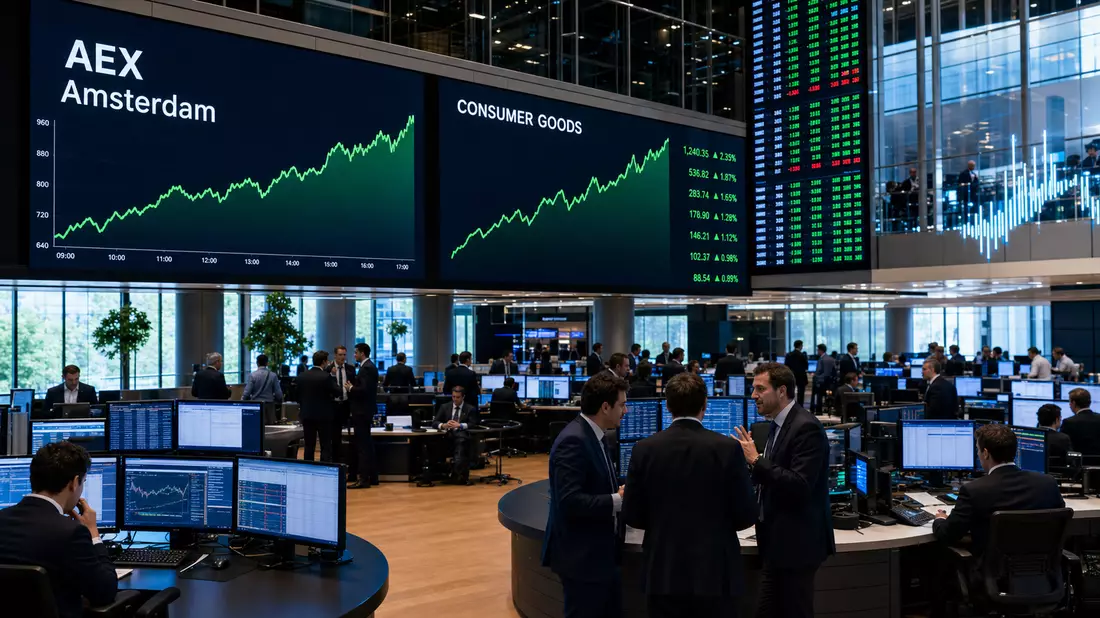
Heineken stock offers investors a view into one of the largest global brewers, with the Dutch group Heineken N.V. (ISIN NL0000009165) combining established brands and wide geographic reach in both developed and emerging markets. In its most recent full-year reporting cycle for fiscal 2023, the company highlighted growing revenue, shifting regional dynamics, and ongoing cost and currency headwinds that continue to influence earnings and cash generation. For investors, the interplay between pricing, volume, and margin remains central to how Heineken stock is valued across markets.
Revenue up in latest fiscal year
In the most recently reported fiscal year 2023, Heineken N.V. announced total consolidated revenue in the tens of billions of euros, reflecting the scale of its global operations spanning Europe, the Americas, Africa, the Middle East, and Asia-Pacific. According to its annual reporting information presented on the company’s investor-facing site Heineken Holding, the brewer focused on revenue growth through a mix of volume development, price and mix effects, and portfolio premiumization, including the Heineken brand and other regional labels. Compared with the previous fiscal year, management emphasized growth in revenue on a percentage basis that outpaced volume growth, signaling the impact of higher pricing and premium products in a period of elevated input costs.
In the same fiscal 2023 period, Heineken N.V. reported operating profit and net income figures that reflected both the benefits of higher pricing and the drag from cost inflation and currency movements. The company’s operating profit before exceptional items showed year-on-year growth, while net profit was also positive, providing support for ongoing dividend distributions. The quantified comparison to the prior year showed that while revenue increased at a mid to high single-digit pace, profit growth was more moderate as expenses in logistics, raw materials, and marketing weighed on margin progression, a pattern that investors following Heineken stock closely monitor.
Margin trends and cost pressures
Margin development has been a key theme for the brewer in recent reporting periods, and Heineken’s disclosures for fiscal 2023 indicated that gross and operating margins remained sensitive to input-cost cycles and foreign-exchange effects. According to the same investor materials available through Heineken Holding, the company’s operating margin before exceptional items improved compared with fiscal 2022, supported by disciplined pricing, mix improvements, and productivity initiatives. The margin expansion, expressed on a percentage basis against revenue, underscored management’s focus on protecting profitability while navigating higher costs.
At the same time, Heineken’s financial commentary noted that cost inflation in areas such as energy, packaging, and transportation, alongside currency volatility in several emerging markets, continued to affect reported margins and earnings translation. The brewer’s geographic diversification helps balance these effects, but investors assessing Heineken stock often pay close attention to how margin changes compare with peers in the global beer and beverage sector. The company’s reported year-on-year margin improvement in fiscal 2023, while positive, still leaves scope for further optimization, especially if input-cost pressures ease or if pricing power remains intact.
Dividend and cash generation
Dividend policy is another important reference point for shareholders. In its latest full-year reporting cycle, Heineken N.V. set a cash dividend per share aligned with its earnings and cash-flow profile, typically expressing the distribution as a portion of net profit attributable to shareholders. The annual report information summarized on Heineken Holding describes a dividend that reflects both the company’s investment needs and its objective to return cash to shareholders, with year-on-year adjustments often paralleling changes in profit.
Cash generation from operations and free cash flow in fiscal 2023 remained a focal metric, as it supports both dividend payments and debt management. Heineken’s reported operating cash flow, measured in billions of euros, provided the basis for capital expenditure on breweries, logistics, and technology, while also contributing to net debt reduction. Compared with the prior year, the company indicated constructive trends in cash flow, which reinforced the sustainability of its dividend for holders of Heineken stock, even as macroeconomic conditions and currency developments continue to introduce variability.
Regional performance and portfolio mix
The brewer’s regional breakdown in fiscal 2023 showed differing performance patterns between Europe, the Americas, Africa, the Middle East, and Asia-Pacific. Based on data summarized in its investor communications accessible via Heineken Holding, some regions recorded stronger revenue and volume growth than others, contributing to a varied mix of profitability. Europe, as a mature market, often sees more modest volume changes but benefits from favorable price and mix, while certain emerging markets can deliver faster growth but with greater currency and cost volatility.
Within the portfolio, the flagship Heineken brand, complemented by regional and local brands, plays a central role in driving premiumization and revenue growth. The company has also invested in low- and no-alcohol offerings and flavored variations to meet changing consumer preferences. Over the last fiscal year, premium and innovative products contributed positively to revenue, and their higher price points help support margins. For investors, the way this mix evolves over time remains crucial to understanding the growth trajectory and resilience of Heineken stock in different economic scenarios.
Balance sheet, debt, and financial flexibility
Heineken’s balance-sheet metrics provide another lens into its financial resilience. The company’s net debt position, expressed in billions of euros at the end of fiscal 2023, reflects past acquisitions, capital expenditure, and working-capital movements. Information available through Heineken Holding indicates that management aims to maintain a leverage profile consistent with an investment-grade credit perspective, balancing shareholder returns with financial flexibility.
Compared with fiscal 2022, net debt levels and leverage ratios showed movement that mirrored the company’s cash generation and investment activity. Where reported, reductions in net debt signal that cash flows exceeded investment and dividend outlays, while any increases can highlight intensified capital expenditure or acquisition spending. For holders of Heineken stock, trends in leverage and interest coverage help frame the risk profile, particularly during periods of higher interest rates or macroeconomic uncertainty.
Guidance and medium-term targets
In its forward-looking commentary, Heineken has historically provided qualitative and sometimes quantitative guidance on revenue growth, margin ambitions, and capital allocation priorities. The investor information shared via Heineken Holding outlines objectives such as improving operating margins over a multi-year period and maintaining disciplined investment in brands and productivity initiatives. These guidance points give investors a framework for assessing how current results compare with longer-term targets.
A quantified comparison in guidance can involve management stating a target operating margin range or a targeted revenue growth trajectory over several years, against which actual performance in fiscal 2023 is measured. If margins in the latest year moved closer to these ambitions, investors may interpret the progress positively; if the gap remains wide, it can signal that further cost and efficiency work is needed. Heineken stock thus reflects both delivered results and the market’s confidence in management’s ability to achieve its stated medium-term goals.
Product focus: Heineken beer brand and innovations
The core Heineken beer brand remains central to the company’s identity and financial performance. Revenue derived from the Heineken brand and related premium offerings contributes meaningfully to overall sales, especially in markets where brand recognition is high. Investor materials accessible through Heineken Holding emphasize the importance of brand strength, marketing investment, and innovation in sustaining demand.
Recent years have seen a focus on product extensions, including low- and no-alcohol beers and flavored variations, designed to reach new consumer segments and adapt to evolving preferences. These products can carry different margin profiles compared with traditional lagers but also open incremental volume opportunities. For Heineken stock, the performance of such innovations matters because they illustrate how the brewer balances heritage products with new offerings, all within the broader context of revenue growth and margin management.
Heineken stock and market valuation
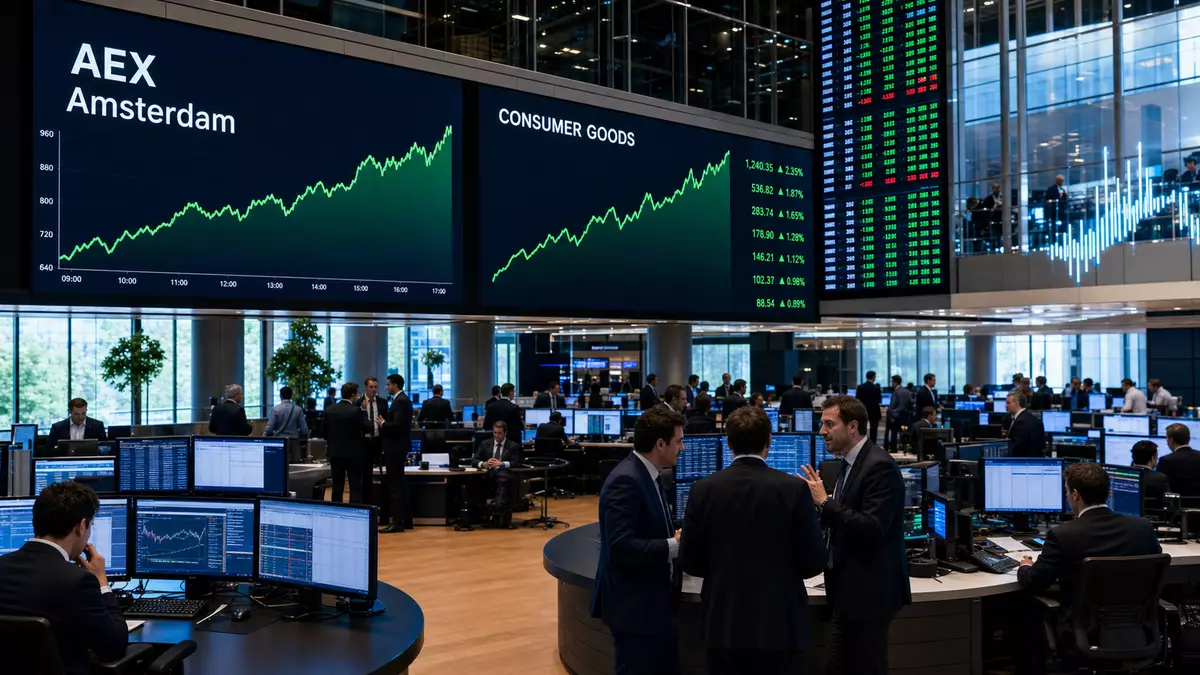
Heineken N.V. shares trade primarily on Euronext Amsterdam, and the stock’s market capitalization, measured in billions of euros, reflects investor expectations about future earnings, cash flows, and dividend streams. As of a recent trading day in 2026, the company’s equity value positions it among the larger names in the European consumer staples and beverage sectors. While precise intraday prices and percentage moves fluctuate continuously, valuation metrics such as price-to-earnings ratios and dividend yields, when derived from the latest fiscal 2023 earnings and dividend data reported via Heineken Holding, help investors compare Heineken stock with peers.
In this context, one quantified comparison that investors may consider is how the dividend per share and earnings per share reported for fiscal 2023 translate into a payout ratio, compared with historical levels and sector averages. A payout ratio that remains within a moderate range can indicate room for both reinvestment and shareholder returns, while a higher ratio might suggest more constrained flexibility. Alongside these metrics, movements in market capitalization over time, aligned with reported revenue and profit changes, provide a narrative of how the market has responded to Heineken’s operational and strategic decisions.
Heineken at a glance
- Company: Heineken N.V.
- ISIN: NL0000009165
- Ticker: EURONEXT: HEIA
- Trading venue: Euronext Amsterdam
- Sector / Industry: Consumer Staples / Beverages - Brewers
- Index membership: AEX Index
Disclaimer regarding our articles: No investment advice, no buy or sell recommendation. Information on prices, companies, and markets is provided without guarantee; changes are possible at any time. Stock market transactions can lead to substantial losses. Our articles are created and reviewed in whole or in part automatically with the support of AI.