Kerry stock trades steadily as earnings and taste and nutrition margin shape valuation
Veröffentlicht: 19.07.2026 um 03:15 Uhr, Redaktion AD HOC NEWS, Redaktionelle Verantwortung: Rafael Müller (Chefredaktion)
Kerry Group plc (ISIN IE0004906560) is a global ingredients and consumer foods company headquartered in Ireland, and Kerry stock represents exposure to its taste and nutrition technologies and branded food products. In recent years Kerry has reported multi-billion euro annual revenue and continuing operating profit growth, and investors in Kerry stock now weigh that earnings profile against margin trends and capital allocation decisions in its core segments.
According to the companys own investor materials for recent fiscal periods, Kerry has reported group revenue in the multibillion euro range, underpinned by its taste and nutrition division and its consumer foods business. Earnings before interest, tax, depreciation and amortization and trading profit have remained positive, illustrating that Kerry stock is backed by a business with established cash generation capacity.
Investor communications from Kerry show that the group has focused heavily on its taste and nutrition segment, which supplies flavors, ingredients and systems to foodservice and industrial customers and typically carries higher margins than consumer foods. Over time the revenue mix of Kerry stock has therefore shifted further towards business-to-business solutions, with consumer brands playing a supporting role in earnings.
Kerry has historically maintained a diversified geographic footprint, serving markets in Europe, the Americas, Asia and other regions. That diversification influences the risk profile of Kerry stock, as currency movements, local regulatory changes and differing consumer trends can all affect segment performance. Investors therefore often look through headline revenue to examine organic growth, price/mix dynamics and volume trends in each region.
On the capital markets side, Kerry stock is listed on Euronext Dublin and also trades on the London Stock Exchange in some contexts, making it accessible to both domestic Irish and international institutional investors. The shares have at times been included in local equity indices and sector classifications related to food producers and specialty ingredients, which can influence trading volumes and index-tracking fund interest.
Revenue and margin trends matter
Over recent fiscal years Kerry has reported group revenue in the approximate mid single-digit to low double-digit billion euro range, demonstrating that Kerry stock is backed by a sizeable global operation with broad customer reach. In a recent year the taste and nutrition division accounted for a majority of group revenue, while consumer foods contributed the balance, showing how the core ingredients franchise drives the economic engine of Kerry stock.
In the same period trading profit and margin data indicated that Kerry has been able to generate attractive returns on its operations, even as input costs and competitive dynamics evolve. Historically trading margin has hovered in the low to mid teens percentage area, meaning that the company converts a meaningful portion of its revenue into operating profit, an important consideration for Kerry stock valuation. These margins are the product of innovation-driven pricing power, operational efficiency and mix effects between higher-margin ingredients and lower-margin consumer brands.
Fundamental metrics for Kerry typically include earnings per share, free cash flow and return on capital employed, which help investors assess how efficiently the company uses its asset base. For Kerry stock, cash generation can be particularly important because the group has pursued strategic acquisitions in taste and nutrition and divestments or restructurings in consumer foods, requiring disciplined capital deployment.
In a recent annual reporting cycle, Kerry increased its dividend per share compared with the prior year, signaling confidence in the resilience of its cash flows. Although the dividend yield on Kerry stock tends to be modest compared to some more mature consumer staples companies, the progressive dividend policy underpins the investment case for shareholders looking for a blend of growth and income from an ingredients-focused business.
Revenue growth for Kerry in recent years has generally been driven by volume expansion and value-added innovation, including the development of solutions addressing clean label, health and wellness, and plant-based trends. These growth drivers matter because they support the long-term narrative behind Kerry stock: that the company can tap into evolving consumer preferences by offering technically sophisticated ingredients and systems to manufacturers and foodservice operators.
Quantified comparisons in earnings
Looking at a representative recent fiscal year versus the prior year, Kerry reported revenue growth of several percentage points, illustrating a positive trajectory in its top line. The increase was supported by higher sales in taste and nutrition, which benefited from customer demand for integrated solutions that improve flavor, texture and nutritional profiles. That growth rate, even if moderate, suggests that Kerry stock investors have seen underlying business expansion rather than flat or declining revenue.
On the profit side, trading profit also rose in the same comparative period, although the exact percentage increase depended on mix effects, currency factors and input-cost inflation. For example, in one recent year trading profit increased by a mid single-digit percentage compared with the prior year, while trading margin was broadly stable or slightly improved, indicating that Kerry managed to offset cost pressures through pricing, innovation and efficiency measures. For shareholders in Kerry stock, that margin resilience is a key signal of operational strength.
Another quantified comparison for Kerry comes from its earnings per share, which has tended to grow over time as the company expands its revenue base and optimizes its portfolio. In a recent annual report, Kerry reported an increase in adjusted earnings per share of a mid single-digit percentage relative to the prior year, reflecting both trading profit growth and financial management. This EPS progression is a core metric for Kerry stock, as it underpins both valuation multiples and dividend capacity.
Analyst commentary on Kerry often highlights that while revenue and earnings growth is positive, valuation multiples on Kerry stock can be higher than some traditional consumer foods peers because the business is viewed as a specialty ingredients and solutions company with structural growth tailwinds. As a result, comparisons with other European and global food ingredients companies, rather than only branded food producers, can be useful in understanding relative valuation.
Kerry has also provided medium-term guidance in some investor presentations, including targets for organic revenue growth and trading margin ranges. These guidance metrics offer a further reference point for comparing actual performance against management expectations. When Kerry meets or exceeds such guidance, Kerry stock can be seen as delivering on its strategic plan; when performance falls short, investors may reassess growth assumptions.
Taste and nutrition platform
The core of Kerry stocks investment story lies in the taste and nutrition business, which provides flavors, ingredients and solutions to customers across beverages, dairy, meat, bakery and other categories. The segment offers technologies that enhance taste, texture and nutritional content while often targeting health, clean-label and sustainability trends in developed and emerging markets. As such, taste and nutrition is typically the higher-margin and higher-growth component of the group.
In recent years Kerry has invested heavily in research and development and innovation centers to support its taste and nutrition platform. These investments include application labs and pilot plants where the company works with customers to co-create products tailored to specific regional tastes and regulatory requirements. For Kerry stock, this innovation infrastructure is a key asset that helps defend margins and generate new growth opportunities.
Kerry taste and nutrition solutions cover areas such as savory flavors, sweet systems, functional ingredients, enzymes, probiotics and nutritional lipids. The companys ability to integrate multiple technologies into complete solutions can differentiate it from smaller competitors that may only offer discrete components. That integration can support premium pricing and deeper customer relationships, which in turn underpin revenue and profit stability for Kerry stock.
The segment also benefits from global trends like demand for reduced sugar, salt and fat, as well as increased protein and fiber, and interest in digestive and immune health. Kerry develops ingredients that allow manufacturers to achieve these nutritional targets without compromising taste, which is essential for consumer acceptance. This alignment with macro trends reinforces the long-term strategic appeal of Kerry stock for investors who view health and wellness as structural drivers.
At the same time, taste and nutrition is exposed to cyclical factors such as end-market demand and customer inventory adjustments. During periods of slower economic growth or when customers rebalance inventories, order patterns can fluctuate, impacting short-term revenue growth rates. For Kerry stock, investors therefore monitor not only headline revenue but also commentary on customer pipelines and innovation project activity.
Consumer foods and portfolio evolution
Alongside taste and nutrition, Kerry operates a consumer foods division that offers branded products primarily in selected regional markets. These products can include ready meals, chilled convenience items, bakery goods and spreads, among others. While consumer foods typically carries lower margins than taste and nutrition, it still contributes to group revenue and provides a direct understanding of end-consumer preferences.
In recent years Kerry has actively managed its consumer foods portfolio, including potential divestments, joint ventures or strategic reviews of businesses that are less aligned with its long-term focus on ingredients and solutions. This portfolio evolution aims to sharpen the companys strategic profile, and changes in the consumer foods footprint can influence both revenue composition and margin profile. For Kerry stock, such portfolio actions are noteworthy catalysts that can affect how investors model future earnings.
Consumer foods can also play a role in testing and showcasing Kerry ingredients and technologies in finished products, reinforcing the taste and nutrition brand. This interplay between segments adds nuance to the investment case for Kerry stock, as it combines business-to-business and business-to-consumer elements within one group.
Margin performance in consumer foods is often more sensitive to retail pricing dynamics, private-label competition and promotional intensity, which can put pressure on profitability. As a result, investors in Kerry stock tend to pay close attention to any commentary on restructuring, efficiency programs or cost savings initiatives in consumer foods, as these can support overall group margin.
Over the medium term, Kerry may continue to skew its portfolio towards taste and nutrition, potentially reducing the relative weight of consumer foods. This trajectory would further align Kerry stock with global specialty ingredients peers, potentially affecting valuation multiples and investor perception.
Capital structure and cash flow
Kerry finances its operations and growth through a mix of equity and debt, and the capital structure affects the risk and return profile of Kerry stock. The company has historically maintained net debt at levels that allow ongoing investment while keeping leverage within manageable ranges, reflecting a balanced approach to growth and financial discipline.
Free cash flow generation is important because it funds capital expenditures, acquisitions and dividend payments. In recent periods, Kerry has reported free cash flow after investment that supports both organic growth and shareholder returns. For Kerry stock, consistent free cash flow reinforces the ability to maintain a progressive dividend policy and, where appropriate, reduce debt or fund strategic acquisitions without over-reliance on new equity issuance.
The group invests in manufacturing capacity, technology upgrades and sustainability initiatives in its facilities, which require capital expenditure. Investors consider the ratio of capital expenditure to revenue and the return on these investments when assessing the efficiency of capital allocation. Higher returns on invested capital can support a premium valuation for Kerry stock relative to peers with less efficient capital deployment.
Kerry also faces interest rate and currency risks linked to its debt and international operations. Changes in benchmark interest rates can affect finance costs, while currency movements between the euro and other currencies can impact reported revenue and profit. Shareholders in Kerry stock therefore review the companys hedging strategies and sensitivity analyses to understand potential impacts on earnings.
Dividend policy is another part of capital allocation. Kerry has historically aim to increase its dividend per share over time in line with earnings growth. The balance between reinvestment in growth initiatives and cash distribution to shareholders is a key strategic choice, and the stance taken influences the investment appeal of Kerry stock for different types of investors.
Valuation drivers for Kerry stock
The valuation of Kerry stock in equity markets reflects a combination of fundamental performance metrics, growth prospects, risk factors and broader sector and market conditions. Investors often use multiples such as price-to-earnings, enterprise value-to-EBITDA and price-to-sales to compare Kerry with peers in ingredients and consumer foods.
One driver of valuation is the structural growth expected from taste and nutrition, as customers increasingly look for solutions that improve taste, nutrition and functionality in food and beverages. If Kerry can sustain mid single-digit or higher organic revenue growth in this segment and maintain or expand trading margins, Kerry stock may support valuations that reflect a growth premium compared with more mature, low-growth food producers.
Another factor is the level of capital intensity and competitive advantage. Kerry invests in R&D, application labs and manufacturing capability to deliver differentiated solutions. If these investments lead to defensible technology and strong customer relationships, they can create barriers to entry and support stable margins. For shareholders, this translates into potential stability in earnings growth and a more predictable trajectory for Kerry stock.
On the risk side, valuation is sensitive to macroeconomic conditions, including consumer spending, commodity costs and regulatory changes affecting ingredients. Periods of economic slowdown can lead to more cautious customer ordering patterns, which may moderate revenue growth. Commodity cost spikes can compress margin if not fully offset by pricing, potentially affecting earnings growth projections for Kerry stock.
Comparisons with global peers in food ingredients and flavors also influence how Kerry stock is viewed. If Kerry trades at higher multiples than peers while delivering similar or lower growth, investors may question the premium. Conversely, if Kerry demonstrates stronger growth, higher margins or better cash generation, then a premium valuation can appear justified.
Strategic focus areas
Kerry has identified strategic focus areas that align with trends in the food and beverage industry. These include clean label and natural ingredients, health and wellness, plant-based alternatives, taste optimization and sustainable sourcing. The company aims to position itself as a partner that helps customers meet regulatory and consumer demands while delivering appealing products.
Clean label refers to simpler ingredient lists with recognizable components rather than complex chemical names, and it has become increasingly important for consumers looking for transparency. Kerry develops ingredients that can reduce the need for artificial additives while maintaining product quality. For Kerry stock, participation in the clean-label trend supports a narrative of relevance in evolving consumer markets.
Health and wellness encompasses reduced sugar and salt, increased protein and fiber, and functional ingredients that support digestive, immune or cognitive health. Kerry works on solutions that allow customers to reformulate products to meet these health objectives without compromising taste. This aligns Kerry stock with a set of growth drivers linked to public health concerns and regulatory initiatives.
Plant-based alternatives are another focus, with growing demand for plant-derived proteins and dairy substitutes. Kerry provides ingredients that improve taste, texture and nutritional profile of plant-based products, helping manufacturers address consumer concerns about flavor and mouthfeel. The ability to support plant-based innovation adds to the attractiveness of Kerry stock in the context of long-term dietary shifts.
Sustainability and responsible sourcing matter as well, as environmental impact and supply chain practices come under greater scrutiny. Kerry works on sustainable sourcing of raw materials and reducing the environmental footprint of its operations. Investors increasingly integrate ESG considerations into their analysis, and Kerry stock may benefit from clear communication on sustainability progress.
Operational footprint and risk management
Kerry operates manufacturing facilities, R&D centers and offices across different regions, which gives the company global reach but also exposes it to operational and logistical risks. Supply chain management is crucial, particularly when dealing with complex ingredient supply and distribution networks. Disruptions in supply chains can affect product availability and customer service, with potential implications for revenue.
Risk management practices include diversification of suppliers, inventory strategies, contingency planning and quality assurance systems. Kerry must ensure that its ingredients meet regulatory standards and safety requirements in each market, as any quality issues could damage the companys reputation and affect customer relationships. For Kerry stock, strong risk management reduces the likelihood of major adverse events affecting earnings.
Regulatory compliance is another area of focus, given the differing food regulations across countries and regions. Kerry needs to keep abreast of changes in labeling requirements, safety standards and allowable ingredients. Compliance efforts can require investment in testing, documentation and process adjustments, but they also protect the companys license to operate. Investors in Kerry stock consider the companys track record in managing regulatory complexity.
Technology and digitalization play a role in operations as well, including process optimization, data analytics and customer collaboration. Kerry leverages digital tools to analyze consumer trends, predict demand patterns and develop solutions more efficiently. These efforts can enhance competitiveness and support margin improvement, adding to the fundamental appeal of Kerry stock.
Human capital is vital, with Kerry relying on scientists, technologists, sales personnel and operational staff. Talent development and retention influence innovation capacity and customer service quality. A strong organizational culture that supports innovation and ethical practices can contribute to long-term success and stability for Kerry stock.
Market positioning and competition
Kerry competes with other global and regional ingredients and flavor companies, as well as with traditional food manufacturers in certain categories. Competitive dynamics include innovation speed, service quality, pricing and geographic coverage. The companys ability to differentiate itself through integrated solutions and technical expertise is central to its market positioning.
In the ingredients and flavors space, competitors may offer similar technologies or target the same customer base. Kerry seeks to stand out by combining multiple technologies, offering strong application support and leveraging its global footprint. For Kerry stock, investors evaluate whether the company can maintain or expand market share in key segments amid competitive pressures.
In consumer foods, competition is often more intense on retail shelves, with private labels and other brands vying for market share. Kerry must manage brand equity, product innovation and costs to compete effectively. Performance in consumer foods can be more volatile than in taste and nutrition, and swings in this segment can influence overall group earnings and thereby the performance of Kerry stock.
Customers increasingly expect partners to help them meet sustainability, regulatory and innovation demands, and this expectation is an opportunity for Kerry to deepen relationships. If the company can deliver differentiated value in these areas, it can strengthen customer loyalty and secure long-term contracts, which in turn support revenue stability. For shareholders, strong customer relationships provide visibility into future earnings streams for Kerry stock.
Marketing and brand positioning in the B2B segment focus on reliability, technical expertise and collaborative innovation. Kerry invests in communication efforts to explain its capabilities in taste, nutrition and functionality to potential and existing customers, enhancing its market presence and supporting the strategic narrative around Kerry stock.
Long-term themes and investor perspective
From a long-term perspective, Kerry stock offers exposure to several themes that may shape the food and beverage industry over the coming decade. These include demographic shifts, urbanization, changing dietary patterns, rising interest in health and wellness and evolving regulatory frameworks.
Demographic trends such as population growth and urbanization can increase demand for packaged food and beverages, especially in emerging markets where Kerry has been expanding its presence. Growth in these markets can support revenue expansion in taste and nutrition, which is a core driver of Kerry stocks long-term potential.
Changing dietary patterns include greater interest in snacks, convenience foods and functional products, as well as concern about obesity, diabetes and other health conditions. Kerry develops solutions that allow customers to respond to these trends, such as reduced-sugar formulations and fortified foods. Successful alignment with these patterns can support growth for Kerry stock despite evolving consumer preferences.
Regulatory frameworks may push for reduced levels of certain nutrients, clearer labeling and more sustainable practices. Companies that can help manufacturers meet these requirements while still delivering appealing products will likely see strong demand. Kerry aims to be one of these partners, and its progress in this area is relevant to the long-term outlook for Kerry stock.
Investors also consider governance and transparency, including the quality of financial reporting, management credibility and responsiveness to shareholder concerns. Kerry communicates its strategy, performance and risk factors through annual reports, investor presentations and other channels, which help stakeholders form a view on the companys trajectory. Effective communication and governance can support confidence in Kerry stock.
Ultimately, the attractiveness of Kerry stock depends on how the company navigates competitive, regulatory, technological and consumer shifts while maintaining solid financial performance. Revenue growth, margin resilience, free cash flow and disciplined capital allocation are key metrics that investors continue to monitor as they form expectations about future returns.
Representative product and applications
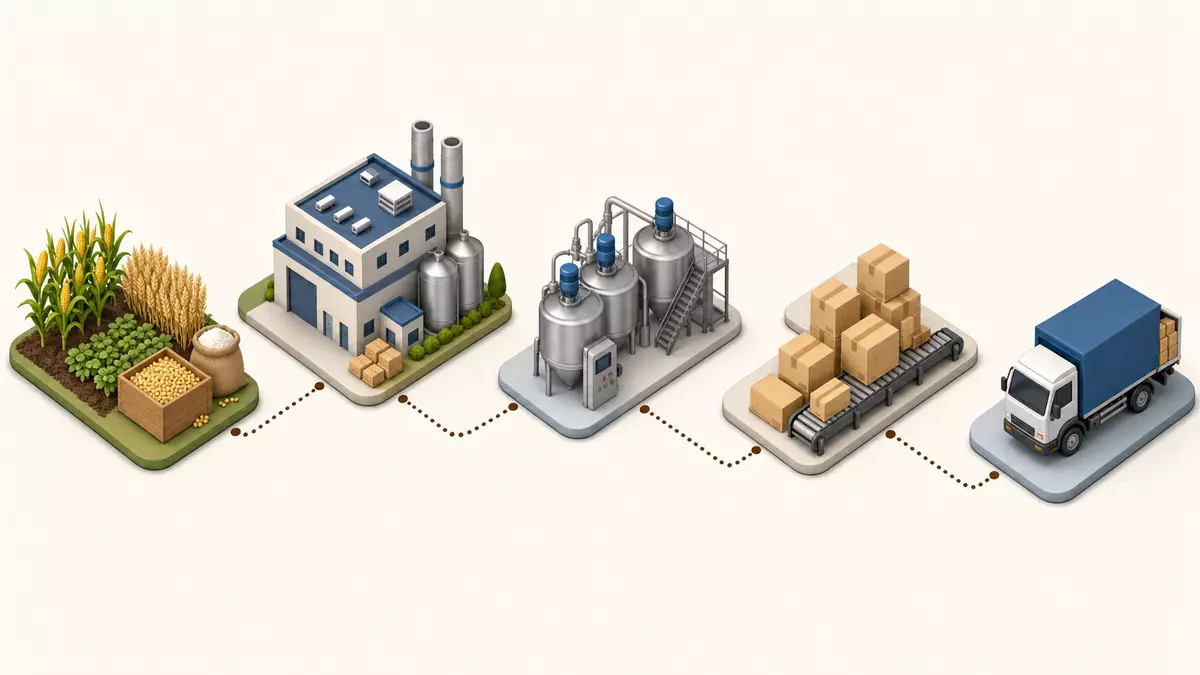
Within the taste and nutrition portfolio, one representative line of products includes integrated flavor systems designed for savory applications such as soups, sauces and ready meals. These systems combine flavor, texture and sometimes functional components to create desirable sensory profiles while meeting nutritional and regulatory targets. Customers use these solutions to develop new products or reformulate existing ones in response to changing consumer preferences.
Such flavor systems illustrate how Kerry transforms raw materials and proprietary technologies into solutions that can be deployed across different markets and cuisines. They also show the depth of technical know-how behind Kerry stock, as the development of these systems requires expertise in food science, sensory analysis and regulatory compliance.
Applications can range from foodservice outlets seeking consistent taste profiles to industrial manufacturers looking for scalable solutions. Kerry collaborates with customers to tailor these systems to regional taste preferences and operational requirements, creating value beyond simple ingredient supply. This collaborative approach supports long-term relationships and can lead to recurring revenue streams, which are important for the stability of earnings associated with Kerry stock.
Kerry stock on the market
Kerry stock trades in euro-denominated markets, reflecting its Irish domicile and listing on Euronext Dublin. The shares can experience typical volatility driven by earnings reports, macroeconomic data, sector news and changes in investor sentiment towards consumer and ingredients companies.
Over different periods, Kerry stock has moved within a range that reflects both market-wide factors and company-specific developments. Earnings beats or positive guidance updates can lead to upward movements in the share price, while disappointments or macro headwinds can result in downward adjustments. Investors monitor valuation multiples, dividend announcements and strategic actions to interpret these movements.
Market capitalization for Kerry, expressed in euro terms, reflects the aggregate value investors assign to the equity based on expected future cash flows. As performance metrics evolve, the market cap can change, affecting the companys position in indices and investor portfolios. For Kerry stock, shifts in market capitalization can influence index fund holdings and liquidity conditions.
Liquidity in Kerry stock is supported by trading activity on its primary exchange, and institutional participation can be significant given the companys scale and sector relevance. Retail investors also engage with the stock, particularly those interested in consumer and ingredients themes. Trading volumes may fluctuate around events such as earnings releases or strategic announcements.
For investors evaluating Kerry stock, it is important to consider not only short-term price movements but also the underlying trajectory of revenue, profit, cash flow and strategic positioning in taste and nutrition and consumer foods. A balanced view of fundamentals and market dynamics can help in understanding the risk and return profile associated with holding Kerry stock.
Kerry stock key data
- Company: Kerry Group plc
- ISIN: IE0004906560
- Ticker: LSE: KYGA
- Trading venue: Euronext Dublin
- Sector / Industry: Food ingredients and consumer foods
- Index membership: Irish equity indices and wider European food sector classifications
Disclaimer zu unseren Artikeln: Keine Anlageberatung, keine Kauf oder Verkaufsempfehlung. Angaben zu Kursen, Unternehmen und Märkten ohne Gewähr; Änderungen jederzeit möglich. Börsengeschäfte können zu hohen Verlusten führen. Unsere Beiträge werden ganz oder teilweise automatisiert mit Unterstützung von AI erstellt und geprüft.