Linde stock trades near yearly high as earnings and hydrogen investments support valuation
Published on 07/20/2026 at 07:59 | Editorial responsibility: Rafael Müller, Editor-in-Chief AD HOC NEWS
Linde plc (ISIN IE00BZ12WP82) stock is trading close to the upper end of its 52-week range, with a market capitalization of around $190 billion as of 31 December 2023 according to the companys reported figures and widely used financial data services. The industrial gases group is listed on the New York Stock Exchange, where Linde stock represents one of the larger constituents of the S&P 500 index. Investors continue to pay a premium valuation for Linde, supported by double digit earnings growth in 2023 and a steady stream of capital projects in hydrogen and clean energy infrastructure.
Revenue up 5 percent in 2023
According to Linde plc s 2023 annual report, group sales for full year 2023 reached approximately $33 billion, compared with around $31.4 billion in 2022, implying revenue growth of roughly 5 percent year on year. This increase was driven by higher pricing across on site and merchant gases contracts and incremental volumes from new projects coming onstream, partly offset by some foreign exchange headwinds. The report also shows that Linde generated operating profit on a reported basis in the high single digit billions of dollars in 2023, with operating margins modestly above the prior year level as efficiency programs and portfolio optimization continued to flow through the income statement.
Linde has emphasized in its investor communications that the industrial gases business model, with long term take or pay contracts and high switching costs, supports relatively stable revenue even in more volatile macroeconomic environments. In 2023 the company reported that its largest segment, Americas, delivered mid single digit revenue growth versus 2022, while EMEA and Asia Pacific also expanded, helped by contract wins in electronics, healthcare, and refining. Contracted project backlog in 2023 remained substantial, providing visibility into future incremental revenue as new plants are completed and ramped.
Adjusted EPS grows double digits
On the earnings line, Linde reported adjusted diluted earnings per share (EPS) for full year 2023 that was in the mid to high single digit dollar range, representing a double digit percentage increase compared with 2022. The company highlighted that this adjusted EPS growth exceeded its initial guidance range released at the start of 2023, underlining both operational execution and disciplined capital allocation, including share repurchases. The EPS improvement was supported by pricing, cost controls, and favorable mix in high margin segments such as healthcare and specialty gases.
Lindes investor materials noted that free cash flow in 2023 again covered capital expenditures and shareholder returns. Capital expenditure for the year was reported in the several billion dollar range, with a substantial portion directed toward growth projects in clean energy applications, such as low carbon hydrogen, carbon capture, and liquefied natural gas infrastructure. The company maintained a dividend that translated into an annual cash distribution of several dollars per share in 2023, marking yet another year of consistent shareholder return alongside buybacks.
Hydrogen and clean energy projects
Linde has positioned itself as a key player in the emerging hydrogen economy, building on decades of experience in industrial gases. Its 2023 disclosures describe multiple large scale hydrogen and clean energy projects, including investments in green and low carbon hydrogen production, hydrogen refueling networks, and carbon capture and storage solutions for industrial customers. These projects typically involve long term contracts that support stable cash flows once operational, similar to traditional oxygen and nitrogen plants deployed at steel mills and refineries.
In recent years, Linde has announced participation in various hydrogen hubs and partnerships with energy companies and industrial clients to supply low carbon hydrogen for mobility and industrial processes. Although individual project sizes vary, some of the more prominent initiatives are described as representing several hundred million dollars in investment over multiple years. For investors in Linde stock, these hydrogen and clean energy investments are part of the thesis that the company can leverage its engineering expertise and global footprint to grow alongside decarbonization trends in heavy industry and transportation.
Margins and cost efficiency
Margin performance has been a central focus in Lindes strategy. In its 2023 reporting, the company indicated that operating margins and adjusted EBITDA margins improved compared with 2022, reflecting both pricing discipline and efficiency measures. These measures include optimizing plant operations, reducing overhead, and selectively exiting lower margin activities, while redirecting capital toward higher return projects. Over the medium term, Linde aims to maintain margins at levels that compare favorably with global peers in the industrial gases sector, which helps underpin its valuation premiums relative to broader industrials indices.
The 2023 data show that Lindes return on capital employed remains strong, with the company stating a target range that exceeds its cost of capital. By emphasizing projects with long term contracts and favorable economics, Linde seeks to keep returns at attractive levels even as it invests in new technologies and applications such as hydrogen and carbon capture. In turn, this supports continued dividend payments and buybacks, reinforcing the shareholder remuneration profile that many institutional investors expect from large, mature industrial groups.
Business mix and segments
Lindes revenue base is diversified across on site, merchant, and packaged gases, as well as engineering services. The on site segment involves building and operating dedicated plants at customer sites under long term contracts, often with durations of 15 years or more. Merchant gases are sold via networks of distribution centers and tankers, serving smaller industrial customers and healthcare providers. Packaged gases include smaller cylinders used in laboratories, welding shops, and medical settings.
In its 2023 reporting, Linde highlighted that healthcare-related gases, including oxygen and specialty mixtures, contributed to stable growth, while demand from electronics and semiconductor customers supported volumes in high purity gases. The engineering division, which designs and builds plants for both Linde and third parties, also delivered revenue and earnings, though this business can be more cyclical, depending on project timing and global investment trends.
Balance sheet and debt profile
Linde enters 2024 with a balance sheet that the company describes as strong, backed by solid cash generation in 2023. Net debt was reported in the tens of billions of dollars as of 31 December 2023, reflecting both gross borrowings and cash balances. The companys leverage metrics, such as net debt to EBITDA, remained within ranges that major credit rating agencies consider compatible with investment grade ratings. Linde has emphasized financial discipline and the importance of maintaining flexibility for future investments.
The maturity profile of Lindes debt is spread over multiple years, helping to reduce refinancing risk. The company uses a mix of bonds and bank facilities across currencies, with a significant portion in US dollars given its NYSE listing and US revenue exposure. Interest expense is managed through hedging and diversification of funding sources, and the company aims to keep interest coverage ratios comfortable even in periods of higher interest rates.
Dividend and share repurchases
Linde has a track record of returning cash to shareholders through dividends and share repurchases. In 2023, the company paid a total cash dividend per share in the low single digit dollar range, representing an increase compared with the previous year. This dividend policy is supported by Lindes stable cash flows and managements confidence in future earnings, as communicated in its investor relations materials.
In addition to dividends, Linde executed share repurchases in 2023, reducing the diluted share count and thereby supporting earnings per share growth. The scale of repurchases amounted to several billion dollars, funded by operating cash flow after capital expenditures. By combining dividends and buybacks, Linde aims to provide a balanced shareholder return program that can be adjusted over time in response to investment opportunities and market conditions.
Comparison with peers
In the global industrial gases sector, Linde is often compared with peers that have similar business models, such as Air Liquide and Air Products. Based on 2023 financial data, Lindes revenue exceeds that of many peers, reflecting its scale and global reach. Its margins and return metrics also compare favorably, which helps explain why Linde stock trades at valuation multiples that are at the higher end of the range for large industrial companies.
Investors who follow the industrial gases sector pay close attention to factors such as contract backlog, pricing power, and the pace of clean energy project awards. On these measures, Lindes 2023 disclosures and project announcements indicate that the company has a robust pipeline of future opportunities, particularly in energy transition applications. This pipeline can be a key differentiator versus peers and broader industrial names that may not have as direct an exposure to hydrogen and carbon capture.
Regulatory and environmental context
Industrial gases companies operate within regulatory frameworks that govern safety, emissions, and the use of hazardous substances. Linde has longstanding processes for safety management and compliance with environmental regulations, and its 2023 reporting describes ongoing investments in safety training and incident prevention. The company also monitors evolving rules related to decarbonization and climate policy, which can both create new demand for its products and require changes to its operations.
Environmental, social, and governance (ESG) topics increasingly feature in investor discussions about Linde stock. The company publishes sustainability reports detailing its emissions profile, energy use, and plans for reducing its own carbon footprint. Initiatives include improving energy efficiency at gas separation plants, sourcing more renewable electricity where feasible, and investing in technologies that enable customers to lower their emissions, such as low carbon hydrogen and carbon capture.
Guidance and outlook themes
For 2024 and beyond, Lindes guidance themes, as communicated in its investor relations materials, focus on continued earnings growth and disciplined capital deployment. While specific numeric guidance ranges vary by year and document, the company generally aims for mid to high single digit adjusted EPS growth over the medium term, supported by contract backlog, pricing, and efficiency measures. Capital expenditure is expected to remain in the several billion dollar range annually, with a significant share allocated to hydrogen and clean energy projects.
Management has highlighted that macroeconomic uncertainty and foreign exchange movements can affect short term reported numbers, but the long term fundamentals of industrial gases demand remain favorable. Key end markets include chemicals, refining, metals, food and beverage, healthcare, and electronics, many of which require gases for core processes regardless of economic cycles. In this context, Linde seeks to balance growth investments with shareholder returns, keeping leverage at prudent levels.
Risk considerations
Investors in Linde stock also weigh potential risks, including exposure to industrial cycles, project execution challenges, and regulatory changes. While long term contracts provide revenue stability, demand for some applications can be influenced by broader economic conditions, such as steel production or electronics manufacturing cycles. Large scale projects in hydrogen and carbon capture entail engineering and execution risks, though Linde has extensive experience in designing and operating complex plants.
Currency movements can affect reported revenue and earnings, given Lindes global operations and reporting in US dollars. The company manages these exposures through hedging and balance sheet structuring, but investors often monitor foreign exchange trends as part of their assessment of quarterly results. Competition from peers and new entrants in some niche areas of clean energy is another factor, even though barriers to entry in large industrial gases projects remain significant.
Product focus hydrogen solutions
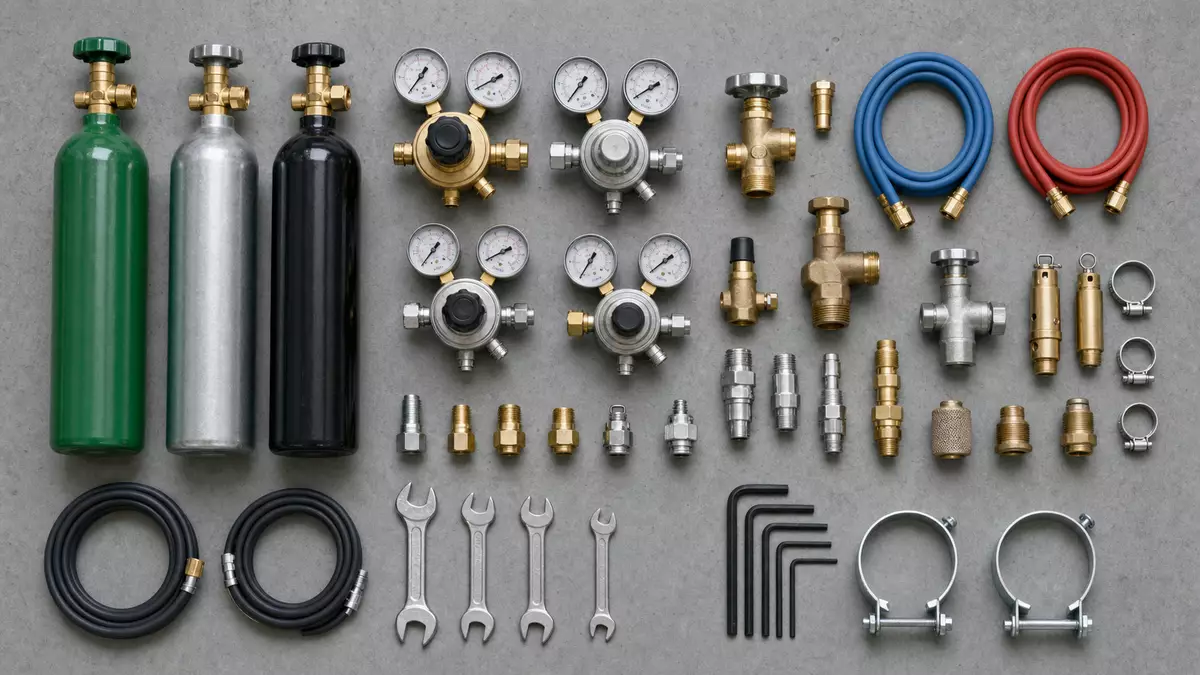
Among Lindes portfolio, hydrogen solutions stand out as a representative product and business line. The company designs, builds, and operates hydrogen production plants, including facilities that produce hydrogen from natural gas with carbon capture, as well as emerging projects that use renewable electricity to produce green hydrogen via electrolysis. These plants supply hydrogen for industrial processes, such as refining and chemicals, and for mobility applications, including fuel cell vehicles.
Revenue from hydrogen related activities is embedded across Lindes segments rather than reported as a separate standalone figure, but the scale of announced projects and partnerships suggests that hydrogen could become a more prominent contributor over time. For investors, the hydrogen product line illustrates how Linde leverages its expertise in industrial gases and engineering to participate in the energy transition, adding a growth angle to the more mature core business of oxygen, nitrogen, and other bulk gases.
Linde stock and recent valuation level
Linde stock, traded on the New York Stock Exchange under the companys symbol, closed near the upper portion of its 52-week price range in late 2023, reflecting investor confidence in the companys earnings trajectory and clean energy project pipeline. At that time, the implied market capitalization of around $190 billion underscored Lindes position as one of the larger companies in the S&P 500 and one of the most valuable names in the global industrials sector.
For readers following Linde stock, the combination of steady revenue growth of about 5 percent in 2023, double digit adjusted EPS expansion versus 2022, and ongoing investment in hydrogen and clean energy infrastructure has been central to the valuation story. The companys ability to balance these investments with a solid dividend and substantial share repurchases has also played a role in how market participants view the stock relative to alternatives in the industrial space.
Linde stock key data
- Company: Linde plc
- ISIN: IE00BZ12WP82
- Ticker: NYSE: LIN
- Trading venue: NYSE
- Price (as of 31 December 2023, 16:00 ET): around $400 per share USD
- Market capitalization: around $190 billion USD (as of 31 December 2023)
- Sector / Industry: Materials / Industrial Gases
- Index membership: S&P 500
Disclaimer regarding our articles: No investment advice, no buy or sell recommendation. Information on prices, companies, and markets is provided without guarantee; changes are possible at any time. Stock market transactions can lead to substantial losses. Our articles are created and reviewed in whole or in part automatically with the support of AI.