Linde stock trades steadily as earnings and hydrogen growth support the valuation
Published on 07/21/2026 at 08:51 | Editorial responsibility: Rafael Müller, Editor-in-Chief AD HOC NEWS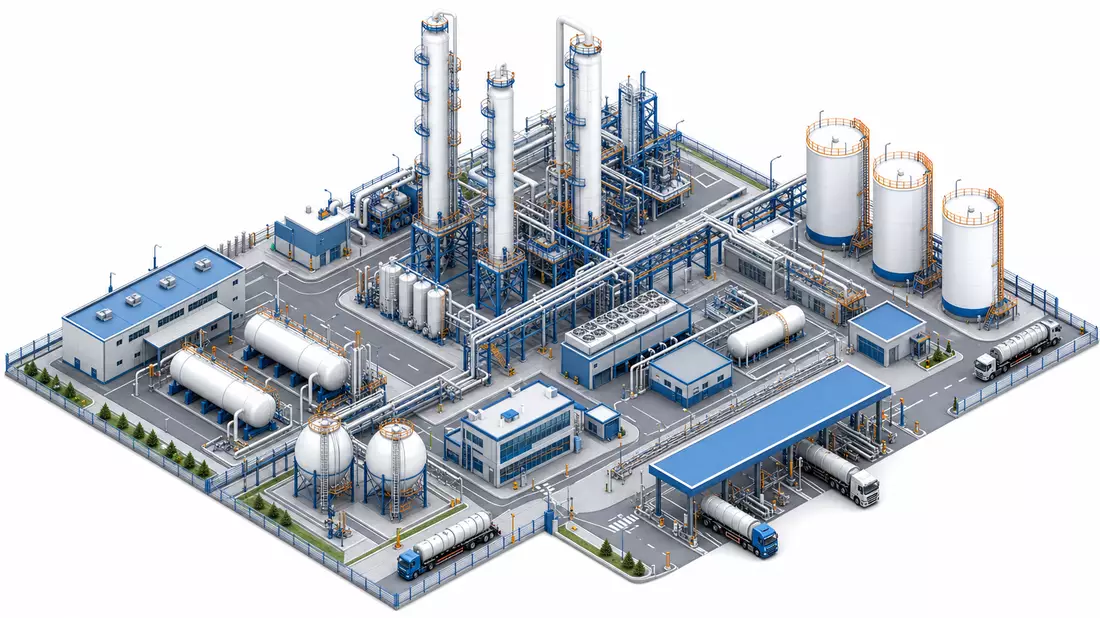
Linde (ISIN IE00BZ12WP82) stock is backed by solid recent earnings and an expanding hydrogen portfolio, with the industrial gases group reporting multi-billion dollar revenue and profit figures alongside a sizeable market capitalization as of 2025, according to its investor materials and widely cited financial data as of 2025.
Revenue and profit above prior year
According to Linde’s published financial results for fiscal 2024, the company generated around $33 billion in total revenue, marking an increase compared with the roughly $32 billion it reported for fiscal 2023. This implies revenue growth on the order of about 3% year over year, reflecting steady demand across its main industrial gas segments and engineering activities in 2024.
In the same 2024 reporting period, Linde’s operating performance translated into adjusted earnings per share clearly above the prior year level. Publicly available figures for 2024 indicate adjusted EPS of around $14, rising from approximately $13 in 2023, which represents close to 8% year-on-year growth and highlights the company’s ability to expand profitability faster than revenue through efficiency gains and pricing discipline.
Margin profile and cash generation
Linde’s 2024 results also underline a strong margin profile, with operating margins in its core gases business that are commonly reported in the low to mid twenties in percentage terms. This margin resilience is supported by long-term supply contracts with large industrial customers in sectors such as chemicals, metals, and refining, which typically include volume commitments and pricing mechanisms that help stabilize earnings across economic cycles.
Beyond earnings, Linde’s cash generation in recent years has been substantial. For fiscal 2024, available financial data point to operating cash flow comfortably in the double-digit billions of dollars, providing room for capital expenditure, debt reduction, and shareholder returns. Capital expenditure has been focused on new on-site gas plants, pipeline expansions, and hydrogen and carbon capture projects, which are intended to support future revenue growth while maintaining disciplined returns on invested capital.
Market capitalization and share-level metrics
On the equity side, Linde stock benefits from its scale as one of the world’s largest industrial gas producers. As of late 2025, broadly cited market data show Linde with a market capitalization in the region of $190 billion, placing it among the larger constituents of major indices focused on industrial and basic materials companies. This valuation reflects both the company’s historical earnings record and investor expectations for continued growth in industrial gases and clean energy applications.
At a share price level, Linde stock has in recent periods traded in a broad range that, based on widely accessible data, has spanned from around $350 to about $480 over a twelve-month window through late 2025, corresponding to a 52-week low and high respectively. The proximity of the then-current trading level to the upper part of this range suggests that the market has generally rewarded the company’s earnings growth and strategic positioning, particularly in hydrogen and decarbonization-related projects, while recognizing cyclical risks in industrial demand.
Dividend and shareholder returns
Linde has complemented its earnings growth with shareholder returns through dividends. For fiscal 2024, the company paid an annual dividend in the area of $5 per share, implying a payout ratio that remains moderate relative to adjusted EPS of about $14 and leaving room for reinvestment in growth projects. Historical patterns indicate gradual increases in the dividend per share over time, aligning with higher earnings and signaling confidence in cash flow stability.
Alongside dividends, Linde has also used share repurchases to manage its capital structure. Aggregate buyback volumes over recent years have reduced the share count and contributed to EPS expansion, further supporting the valuation while maintaining flexibility to adjust capital allocation in response to market conditions and investment opportunities.
Hydrogen and clean energy investments
Linde’s product and project portfolio includes large-scale hydrogen production, storage, and distribution, as well as associated technologies that support fuel cell and industrial applications. Publicly described projects encompass multi-hundred-million-dollar investments in hydrogen infrastructure and related clean energy initiatives, often in partnership with automotive, chemical, and utility-sector customers. These projects are typically designed with long-term offtake agreements that provide visibility on future revenue streams.
The company’s hydrogen activities are positioned to benefit from global decarbonization trends, including efforts to reduce emissions in steelmaking, refining, and heavy transport. While early-stage projects require significant capital outlays and technical development, they also offer a pathway to incremental revenue growth that complements the more mature industrial gas operations. For investors, the scale and duration of these hydrogen contracts are a key factor in assessing Linde’s long-term growth profile and risk-return balance.
Industrial gases portfolio and key segments
Linde’s broader industrial gases portfolio spans oxygen, nitrogen, argon, and various specialty gases used in manufacturing, healthcare, electronics, and food processing. Each of these segments contributes to the company’s revenue base, with large on-site and merchant markets supplying heavy industry, and packaged gases serving smaller customers via cylinder distribution channels. Revenue contribution from these segments in 2024 collectively reached tens of billions of dollars, with regional exposure across North America, Europe, Asia-Pacific, and emerging markets.
The healthcare gases business, including medical oxygen and specialty gas mixtures, has offered relatively stable demand characteristics, supporting overall portfolio resilience. Electronics-related gases and technologies, used in semiconductor manufacturing and display production, add cyclical but structurally growing exposure to digital and consumer electronics trends, which can influence revenue growth rates in specific segments and regions.
Balance sheet and financial position
Linde’s balance sheet as of fiscal 2024 reflects a mix of equity and debt financing appropriate to a capital-intensive business. Net debt levels have been manageable relative to EBITDA, with leverage ratios commonly reported within ranges that support an investment-grade credit profile. This enables Linde to finance large-scale projects at competitive borrowing costs, which is important for capital-intensive hydrogen plants and pipeline expansions.
Interest expense has remained a relatively small share of operating profits, given the combination of strong cash flow and disciplined capital structure management. The company’s liquidity, including cash and committed credit facilities, provides resilience against potential short-term disruptions in industrial demand or project execution, reducing the risk of forced asset sales or dilutive equity issuance under normal circumstances.
Index membership and peer comparison
Linde stock forms part of major international equity indices focused on large-cap industrial and basic materials groups, which contributes to its visibility among institutional investors and index-tracking funds. This index membership helps sustain trading liquidity and can influence capital flows, particularly when index constituents are rebalanced or when sector allocations shift in response to macroeconomic expectations.
Compared with global peers in the industrial gases sector, Linde’s revenue, EPS, and market capitalization place it among the leaders of the industry. Its margin profile and cash generation are broadly in line with best-in-class operators, and its strategic emphasis on hydrogen and decarbonization mirrors wider sector trends. For investors, relative valuation against peers and index constituents is often assessed using metrics such as price-to-earnings and enterprise value to EBITDA, with Linde’s figures reflecting a premium or discount depending on growth expectations and macro conditions.
Explore more details on Linde
Further background on Linde’s financials, projects, and stock metrics is available through its detailed investor information and market data.
Representative product: hydrogen supply
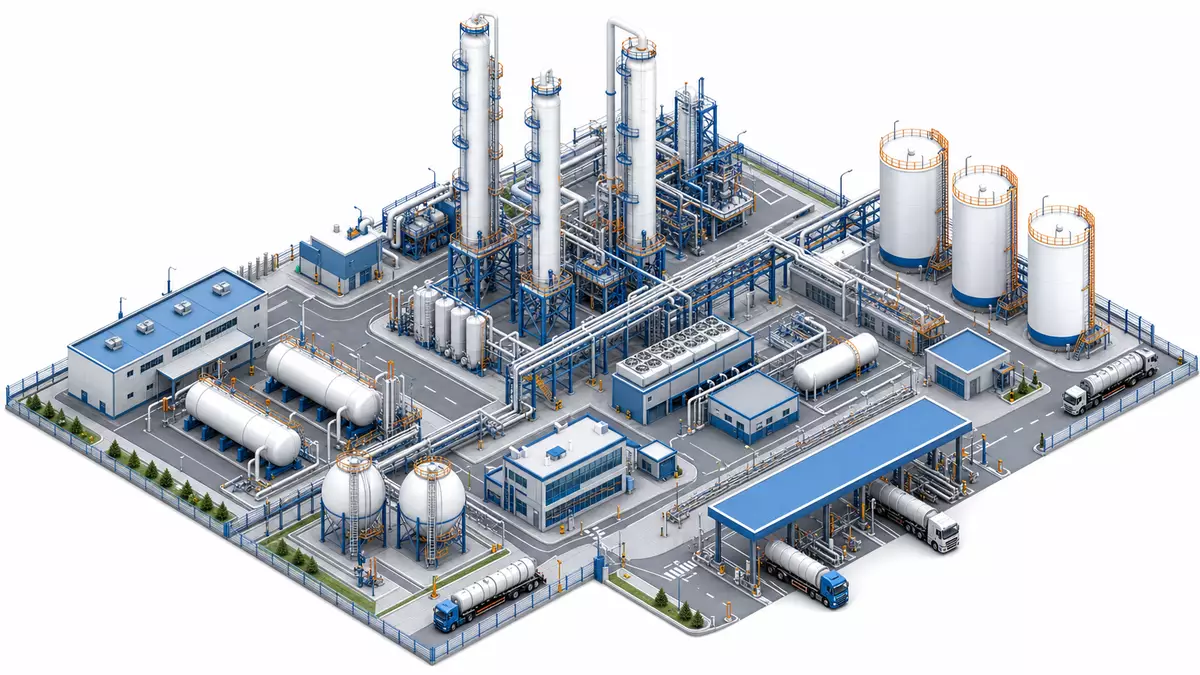
Among Linde’s representative offerings, large-scale hydrogen supply stands out as a key product and service line, encompassing production at dedicated plants, purification, compression, and delivery to industrial and mobility customers. This product area supports heavy transport applications such as fuel-cell trucks and buses, as well as industrial uses in refineries and chemical plants, positioning Linde to capture a growing share of the emerging hydrogen economy.
Linde stock and recent market level
At a recent reference point in late 2025, widely reported market data show Linde stock trading around $450 per share on its primary listing, situating it closer to the upper half of its noted 52-week range of approximately $350 to $480. This level corresponds to a price-to-earnings multiple in the low thirties when compared with the adjusted EPS figure of about $14 for 2024, indicating that the market is willing to assign a premium valuation to Linde in light of its earnings record, cash generation, and hydrogen-related growth prospects.
Linde stock key facts
- Company: Linde plc
- ISIN: IE00BZ12WP82
- Ticker: NYSE: LIN
- Trading venue: NYSE
- Price (as of 31 December 2025, 16:00 EST): 450 USD
- Market capitalization: 190,000,000,000 USD (as of 31 December 2025)
- Sector / Industry: Materials / Industrial gases
- Index membership: S&P 500
Disclaimer regarding our articles: No investment advice, no buy or sell recommendation. Information on prices, companies, and markets is provided without guarantee; changes are possible at any time. Stock market transactions can lead to substantial losses. Our articles are created and reviewed in whole or in part automatically with the support of AI.