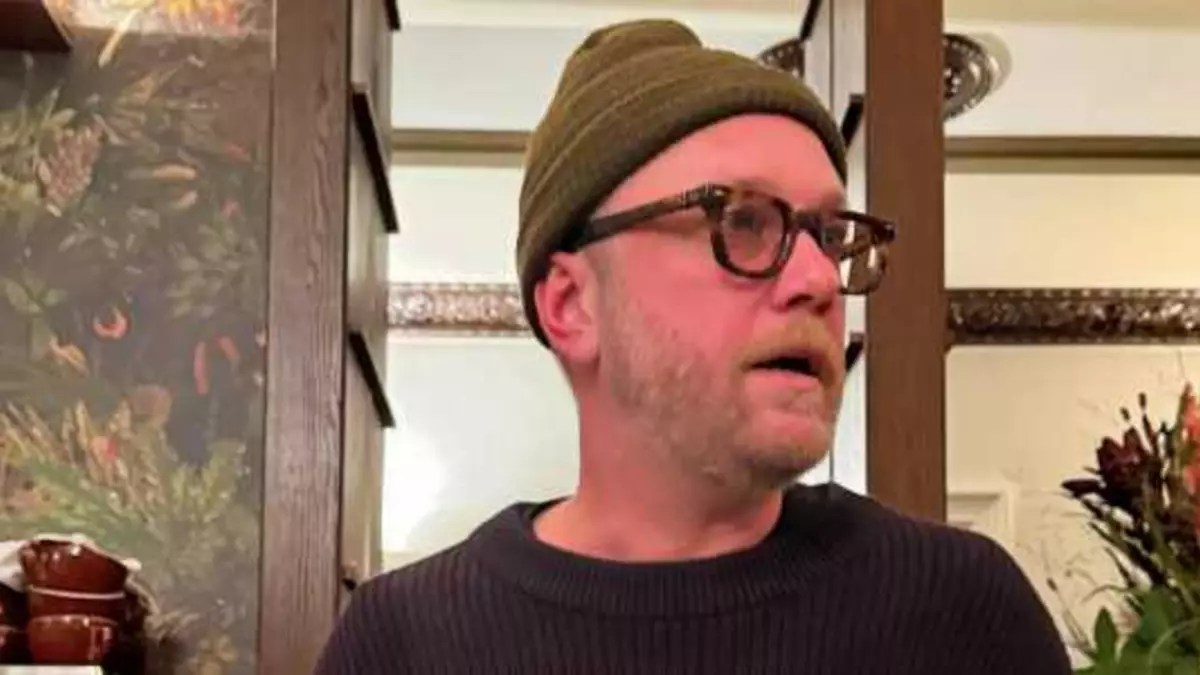
Max Strohe at Tulus Lotrek: Wild Berlin Flavor, Casual Fine Dining Without Rules
Published on 04/14/2026 at 09:15 | Editorial responsibility: Rafael Müller, Editor-in-Chief AD HOC NEWS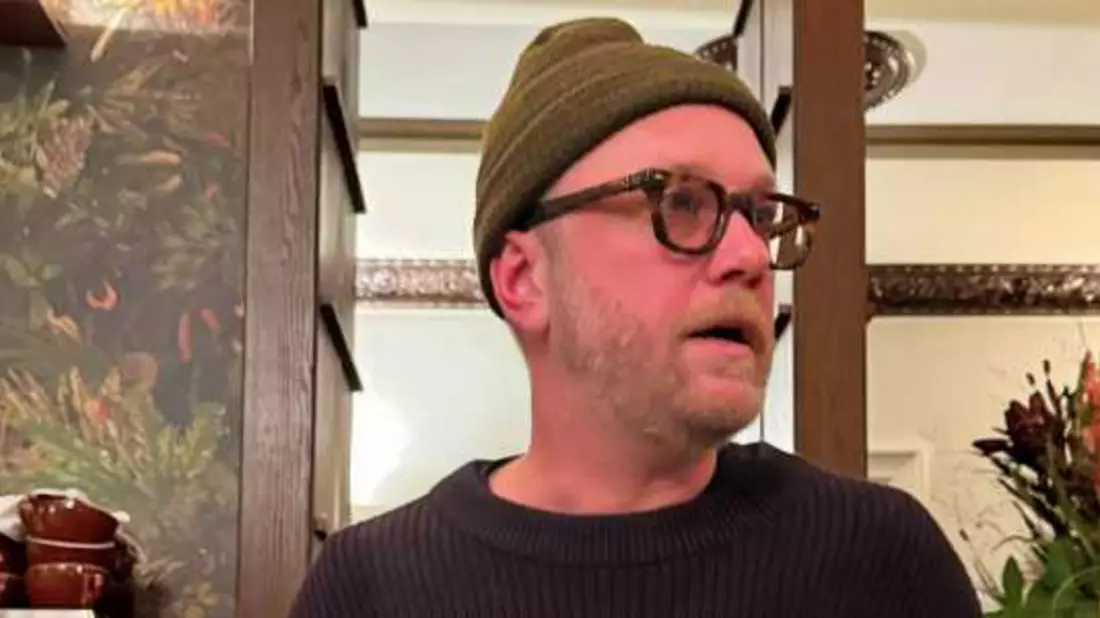
The dining room at Tulus Lotrek Berlin hums low and warm. Glasses clink, someone laughs too loudly near the bar, and from the open doorway to the kitchen you hear the soft hiss of butter foaming in a pan. A ribbon of roasted meat and citrus zest drifts through the room. Candles, dark wood, soft upholstery: nothing shiny, nothing stiff. A plate lands in front of you with a muted ceramic thud, sauce glistening under the light. You can smell the Maillard on the crust before your fork even cuts in.
You sit there, not in some white-tablecloth temple of reverence, but in a Kreuzberg living room that happens to hold a Michelin star. The music is audible, not timid. The staff moves quickly, but they stop to chat, to joke, to translate what is on your plate into something you can feel, not just something you can post. This is casual fine dining as lived reality, not buzzword; this is Max Strohe’s restaurant, and it smells like real cooking.
To understand why this room feels so alive, you need to look at the people behind it. Max Strohe and Ilona Scholl built Tulus Lotrek from scratch, almost against the odds. He, the tattooed cook who never fit the mold. School dropout, kitchen drudge, line cook in places that never made it into guides. She, the maître d’ with a sharp tongue and a big heart, who hated the idea that fine dining had to be cold and reverent.
They met in the Berlin restaurant world, found each other somewhere between last orders and staff meals, and decided to do things on their own terms. No investors who would water down their ideas. No anonymous concept. Tulus Lotrek opened in 2015 in Kreuzberg and felt, from the first night, like a place that was both serious and unpretentious. Heavy wallpaper, vintage lamps, a bar that looks like you could spend half the night there just talking. A dining room for eating, drinking, flirting, arguing; not for posing.
The guides noticed quickly. A Michelin star arrived and stayed. Gault&Millau Berlin honored the restaurant with strong ratings and praised the way Strohe’s cooking refuses to bow to fashion. Then, a rare thing in gastronomy: Max Strohe received the Federal Cross of Merit. Not for glossy plates, but for his social engagement, for using his reach to speak about refugees, about poverty, about responsibility. From school dropout to Bundesverdienstkreuz – the arc is improbable, but in this room it makes total sense. You feel it in the way the team treats you: with the same basic respect whether you are on a first date, celebrating a promotion, or stretching your savings to eat here once in a decade.
On the plate, the current menu at Tulus Lotrek keeps shifting with the seasons, but a few ideas keep returning. Big flavors. Fat as a flavor carrier, used intelligently. Acidity that bites at just the right moment. Nothing is timid. You are not here for tweezer food, those tiny petals placed like a mood board on vast plates. Strohe likes precision, but he distrusts fussiness.
Picture one of his meat courses arriving. Perhaps it is dry-aged beef, perhaps a piece of pork that still smells faintly of smoke. The exterior is dark, almost lacquered, the result of a perfect Maillard reaction. You push your knife in and feel almost no resistance; the fibers give way with a gentle sigh, and a faint line of jus seeps onto the plate. The sauce is not a smear; it is a pool. Dark, glossy, reduced until it clings to the back of the spoon. There is bitterness from roasted bones, sweetness from long-cooked onions, a flicker of booze in the background – maybe Madeira, maybe brandy – just enough to warm your throat.
Beside it, not the predictable stack of vegetables cut into perfect cubes. Instead, maybe a rough purée of celeriac spiked with lemon zest and brown butter. The texture is intentionally a little rustic, tiny fibers still there, so your tongue has something to hold on to. On top, shredded herbs, not lined up with military precision, but scattered like someone cooking at home in a particularly good mood. You taste smoke. You taste earth. You taste salt in exactly the right amount, the kind that makes you want to reach for another piece of bread to clean the plate.
Seafood at Tulus Lotrek often comes with similar boldness. Imagine a piece of fish with skin that crackles softly when your fork breaks it. The aroma is iodic and clean, like standing near the sea, but the garnish tells you that you are in Berlin. Perhaps there is a sauce built on fermented ingredients, something that brings umami without heaviness. A bright, sharp acidity cuts through – maybe from pickled vegetables shaved translucent thin, maybe from a vinegar-macerated citrus. Your tongue registers crunch, slickness, creaminess, and then a hit of spice that shows up half a second late and lights the back of your throat.
Desserts here often flirt with savory notes. Think of a dish built on dark chocolate and miso, or roasted fruit with a browned-butter crumble and an herbal component that teases you. You take a spoonful, feel the warmth of roasted sugar and the slight resistance of the crumble, then the scent of thyme or rosemary rises into your nose. Sweet, but grown-up. Nothing cloying. You keep eating, chasing that moment when salty, bitter, and sweet fall into brief alignment.
This undogmatic style is a quiet rebellion against the stiff aesthetics that once ruled fine dining. There are no tweezers fussing over micro herbs at the pass for half an hour. No towers of foam that collapse as soon as you breathe. Instead, Tulus Lotrek feels like cooking that could have come from a very talented grandmother who read Escoffier, traveled widely, and fell hard for Kreuzberg’s markets. It is technique without pretense, intellect without coolness. You never feel like a specimen in a lab; you feel like a guest at a slightly wild dinner party where someone just happens to have a Michelin star.
The outside world, of course, has taken note. Max Strohe has become a familiar face on German television, especially through “Kitchen Impossible.” You might have seen him there, swearing, sweating, grinning, trying to decode other chefs’ recipes under time pressure. The same slightly chaotic energy you see on screen is channelled here into discipline on the plate, but the humor remains. If you want to see that side of him in action – the missteps, the triumphs, the running commentary – you can go down a rabbit hole of clips.
See how he talks, cooks, fails, and wins on screen: Search Max Strohe clips on YouTube
On Instagram, the story becomes visual. Plates lit by candlelight. The dark, cozy room filled with faces. Close-ups of sauces, glistening and thick. Here you can almost hear the crack of the crust, the clink of cutlery, the murmur of guests when a dish lands on the table. Scroll long enough and you sense the rhythm of the place: menus shifting with the seasons, the team celebrating, the occasional sarcastic caption that keeps things grounded.
See what the plates and the room look like tonight: Discover visual impressions on Instagram
And then there is the digital debate. On X, formerly Twitter, you find people arguing about whether this is Berlin’s best restaurant, about the meaning of casual fine dining, about prices, about politics. You also find Strohe’s own voice every now and then: sharp, political, unwilling to stay politely silent. That, too, is part of Tulus Lotrek’s identity. This is not a neutral zone. It is a restaurant with a point of view.
Read what guests, critics, and fans are saying right now: Follow the latest discussions on X
Back inside the room, the service sets the tone. Ilona Scholl has shaped an atmosphere that many call a feel-good atmosphere without irony. You notice it in small things first. The greeting at the door is not robotic; it is specific. They ask how you are, and it sounds like they actually want to know. Coats vanish into the cloakroom; someone explains the menu as if they were describing a film they loved. No scripted phrases, no fake enthusiasm.
The chairs are comfortable, with enough give that you can lean back and exhale. The tables are close enough that you sometimes catch a punchline from the next party, but not so close that you feel exposed. Lighting is warm and a little flattering. You look better here than you did in the bathroom mirror. The hum of conversation creates a soft acoustic blanket under which you can talk freely. When cutlery falls, someone laughs and shrugs; no one stares. This is what a living room restaurant feels like: slightly chaotic, extremely human.
Wine recommendations come with honest language, not jargon. You hear things like “juicy and a bit dirty” instead of “medium-bodied with well-integrated tannins.” If you admit you know nothing about wine, the sommelier looks delighted, not offended. They pour you something, wait for your reaction, and then adjust course. The pairing might lead you from a smoky white that smells faintly of gunflint to a red that tastes like cherries and leather, then to something oxidative with dessert that smells uncannily like walnuts and autumn.
You may find yourself staying later than planned. Another glass at the bar. A quick chat about the neighborhood, about Berlin’s restaurant scene, about where to eat next. The staff is busy but never rushed in a way that spills over onto you. Time stretches. You remember what it feels like to be a guest in a home that does not want you to leave yet.
Within the Berlin food scene, Tulus Lotrek occupies an important middle ground. On one side you have hyper-minimalist, ultra-conceptual places that feel like design galleries with a stove. On the other, classic neighborhood restaurants that feed you well but do not push boundaries. Max Strohe and Ilona Scholl stand exactly in between. They offer Michelin Star Berlin Kreuzberg quality without the stiffness, and genuine warmth without complacency.
This makes Tulus Lotrek a reference point when people talk about casual fine dining in Germany. Guides like Gault&Millau Berlin may track the points and the stars, but regular guests track something else: how a restaurant makes them feel. Here, you feel seen, fed, slightly surprised. The plates show off technique, yes, but they also show generosity. Portions you can actually eat. Sauces you want to mop up. Dishes that carry stories and opinions, not just ingredients.
If you care about food as culture, Tulus Lotrek matters. It proves that fine dining can be political, noisy, and inclusive. That a school dropout can end up with a Federal Cross of Merit and still plate something that makes you think of your grandmother’s kitchen. That a Michelin-starred restaurant can be loud, funny, and scented with roasting bones instead of lavender hand soap.
Walk out into the Kreuzberg night after dinner and listen to your body. Your fingers are still sticky with reduced jus you insisted on chasing with the last crust of bread. Your clothes smell faintly of roasted meat and wine. Your ears ring softly from laughter and clinking glasses. You carry the evening with you, not as a perfect Instagram memory, but as a physical sensation. That, more than any guidebook rating, is why Tulus Lotrek Berlin has become a fixture – and why you will probably want to come back before the season, and the menu, change again.
Disclaimer regarding our articles: No investment advice, no buy or sell recommendation. Information on prices, companies, and markets is provided without guarantee; changes are possible at any time. Stock market transactions can lead to substantial losses. Our articles are created and reviewed in whole or in part automatically with the support of AI.