Methane Blast Traps 27 Workers in Sikkim Tunnel
Published on 07/20/2026 at 22:47 | Redaktion boerse-global.de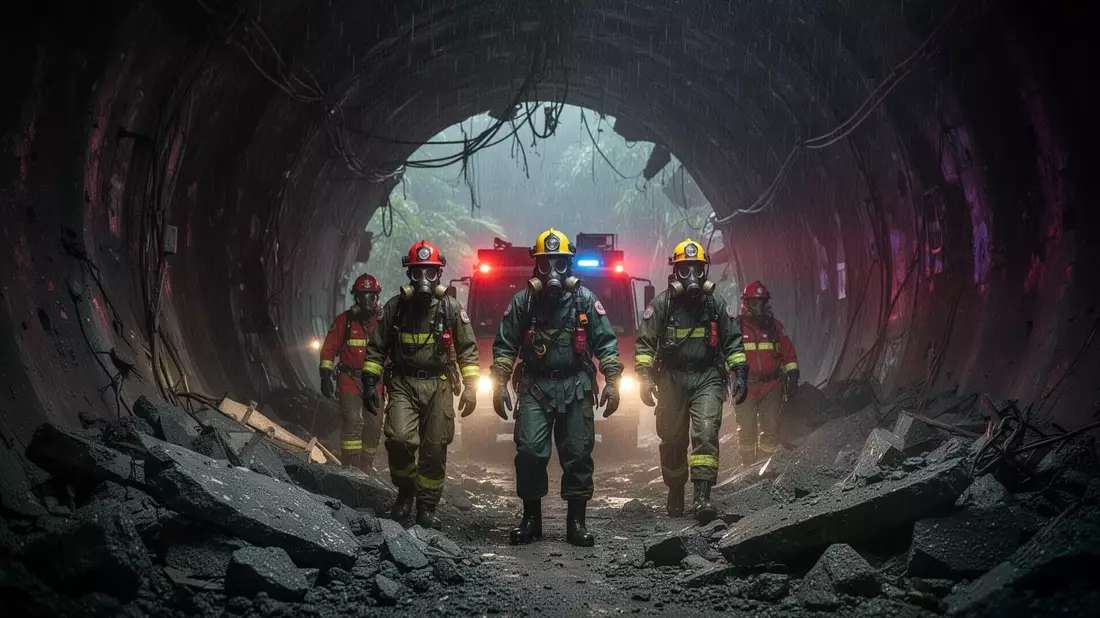
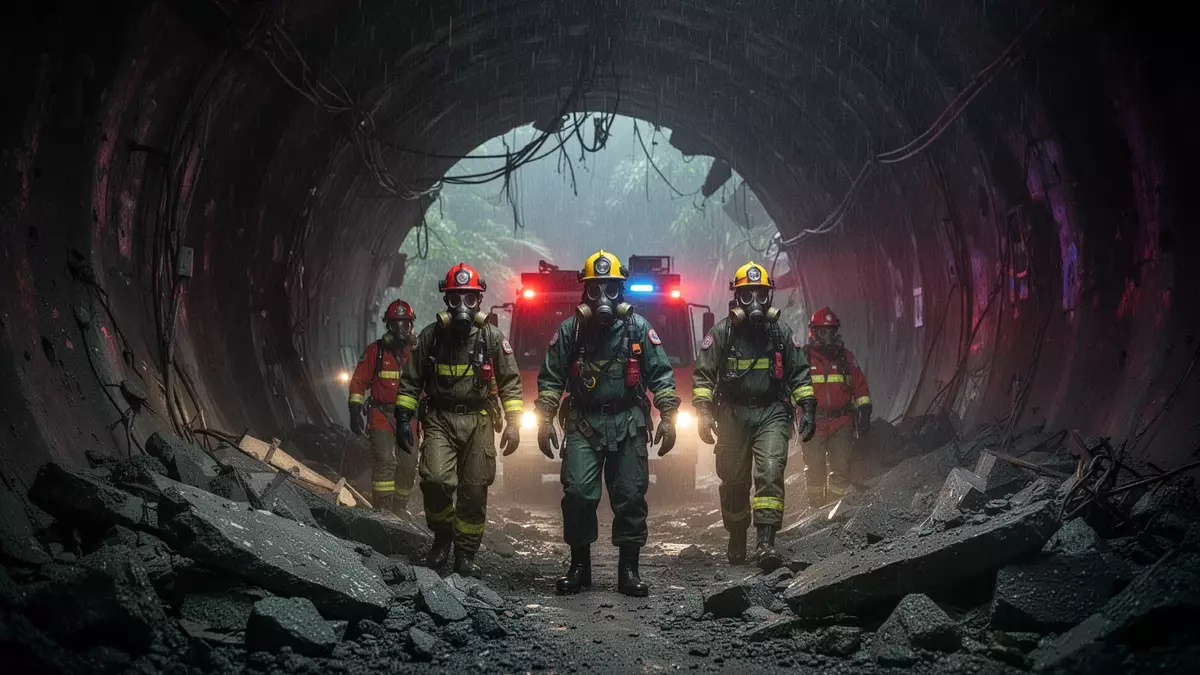
A methane gas explosion triggered a landslide that trapped approximately 27 workers inside an under-construction tunnel in Sikkim on July 20, 2026. The incident at the Samardung tunnel — part of NHPC's Teesta Stage VI hydroelectric project — highlights the severe risks of gas accumulation in confined construction sites, a hazard that UK operators face under the Confined Spaces Regulations 1997 and the Dangerous Substances and Explosive Atmospheres Regulations 2002 (DSEAR).
Explosion and Collapse
The blast occurred around midday after an attempt was made to release accumulated gas roughly 1.5 kilometres inside the tunnel. The force of the explosion caused a landslide that blocked the entrance, trapping personnel within.
Namchi District Collector Anupa Tamling confirmed that 21 of the trapped workers were employed by Patel Engineering, with six from NHPC. A distress call was logged at 3:40 pm. While some reports indicated a single fatality, authorities have focused on the status of those still inside, noting that no successful rescues had been completed by the evening.
The Sikkim tragedy highlights how easily a missing or outdated risk assessment can have catastrophic consequences. UK employers face similar obligations under DSEAR and the Confined Spaces Regulations. A free Risk Assessment Toolkit provides 41 ready-to-use templates and checklists to help you document hazards confidently and stay compliant. Download the free Risk Assessment Toolkit
Toxic Fumes Hamper Rescue
Rescue operations are being led by the National Disaster Response Force (NDRF), the State Disaster Response Force (SDRF), local police, and fire services. However, high methane levels and low oxygen concentrations inside the tunnel have significantly slowed progress.
Rescuers reported dizziness from suspected gas leaks, forcing a temporary halt to some operations. A specialist team from West Bengal, equipped with gas-protective gear, has arrived to assist. The site remains hazardous due to ongoing toxic fumes and unstable geological conditions.
For UK employers, the incident is a stark reminder that methane and other flammable gases can accumulate in any confined space — from sewers and storage tanks to tunnels and silos. Under DSEAR, duty-holders must carry out a risk assessment, monitor atmospheric conditions, and ensure adequate ventilation before entry.
Monsoon Worsens Conditions
The collapse occurred during severe monsoon weather affecting northern and northeastern India. Heavy rainfall has been identified as a likely contributing factor to the ground instability that led to the landslide.
Methane and other hazardous gases can turn any confined space into a deadly environment. Under COSHH, you must assess and control exposure to dangerous substances. A free COSHH toolkit gives you 43 tailored templates for risk assessments, monitoring logs, and toolbox talks. Get the free COSHH Toolkit
In the 24 hours surrounding the Sikkim incident, rain-related disasters killed at least 25 people across the region, including 15 in Jammu and Kashmir and nine in Nagaland. In Jammu and Kashmir's Poonch district, a landslide buried homes in Loran village, killing seven.
The India Meteorological Department has warned of continued heavy to extremely heavy rainfall over the next 48 to 72 hours, potentially complicating rescue efforts at the Teesta Stage VI project and increasing the risk of further landslides.
Disclaimer regarding our articles: No investment advice, no buy or sell recommendation. Information on prices, companies, and markets is provided without guarantee; changes are possible at any time. Stock market transactions can lead to substantial losses. Our articles are created and reviewed in whole or in part automatically with the support of AI.