
Mötley Crüe today – why Mötley Crüe still defines hard rock
Published on 05/14/2026 at 01:21 | Editorial responsibility: Rafael Müller, Editor-in-Chief AD HOC NEWS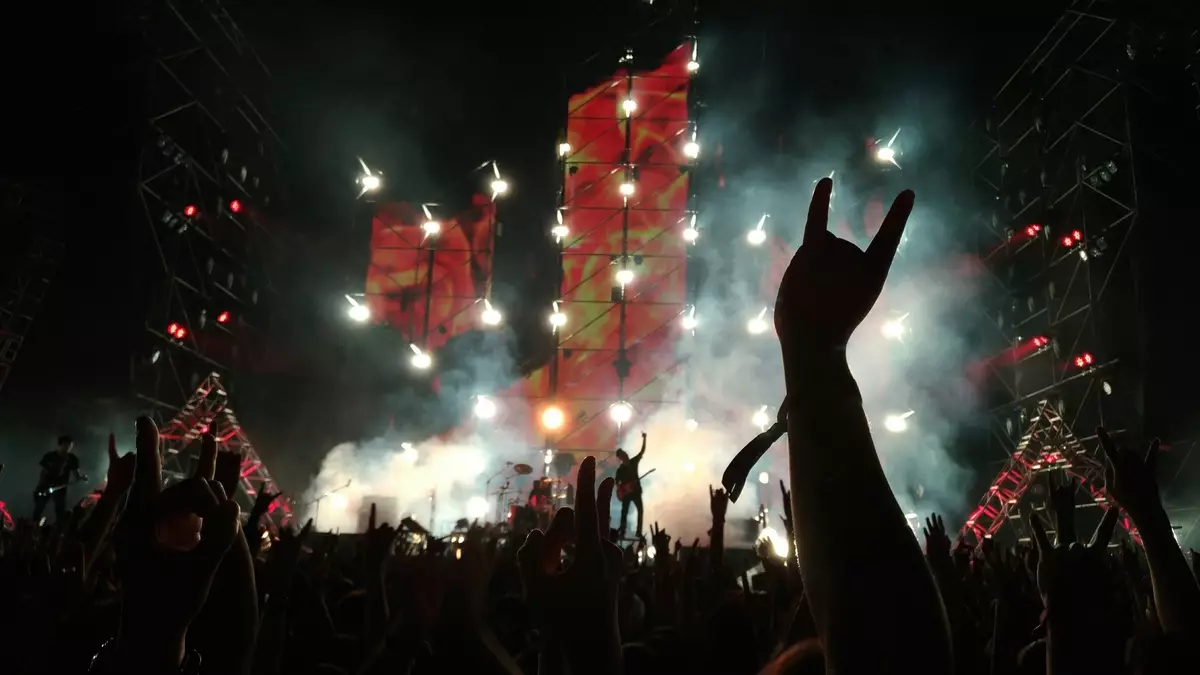
The name Mötley Crüe still hangs in the air like feedback from an overdriven Marshall stack, and MAIN_KEYWORD continues to stand as shorthand for everything loud, unruly, and larger than life in American hard rock.
Mötley Crüe and the enduring power of a hard rock brand
Mötley Crüe began as a street-level Los Angeles band trying to be the loudest act on the Sunset Strip, but over four decades they have become a global cultural brand. For millions of listeners, the phrase Mötley Crüe instantly conjures arena-sized riffs, glam-metal theatrics, and a very specific vision of 1980s excess. That recognition still drives ticket sales, streaming spikes, and fresh editorial coverage across major outlets.
According to reporting from Billboard and The Guardian, the band have consistently found ways to renew that legacy: catalog reissues, biographical projects, and high-profile tours with other classic-rock heavyweights keep their name in circulation even as new generations of rock fans discover them via playlists and social media. At the same time, long-time followers treat each new tour cycle or release as another chapter in a saga they have grown up alongside.
In the streaming era, where catalog dominance can be as important as new music, Mötley Crüe sit in a rare position. They are both a nostalgia act and a living band with members who still take the stage and participate in the business and spectacle of contemporary rock. This dual identity is central to understanding why MAIN_KEYWORD remains a powerful search term and a reliable headline anchor for global music media.
From the Sunset Strip to global arenas: the origin and rise of Mötley Crüe
Mötley Crüe formed in Los Angeles in 1981, coming together as part of the city’s burgeoning glam metal and hard rock scene. Bassist Nikki Sixx, drummer Tommy Lee, guitarist Mick Mars, and vocalist Vince Neil built their reputation in the clubs along the Sunset Strip, a neighborhood that also nurtured peers like Ratt and Quiet Riot. Early shows were notorious not only for their volume, but for the band’s flamboyant clothing, pyrotechnics, and confrontational attitude.
Their self-released debut album, Too Fast for Love, initially came out on the indie label Leathür Records before Elektra Records picked it up and reissued it. As detailed by sources like Rolling Stone and the band’s official discography, this move to a major label gave Mötley Crüe the distribution and radio support needed to break out of the local circuit. The record captured an energy that sat somewhere between classic hard rock, punk rawness, and glam swagger.
The real breakthrough arrived with their sophomore album Shout at the Devil in 1983. The album’s aggressive sound, occult-tinged imagery, and MTV-ready videos helped make Mötley Crüe staples of early music video culture. The band gained mainstream coverage in outlets such as MTV News and established themselves as part of the vanguard of what critics would later call glam metal or hair metal. Their combination of hooks and shock tactics positioned them differently from more traditional heavy metal bands of the era.
As the 1980s progressed, Mötley Crüe shifted into outright superstardom. Theatre of Pain (1985) and Girls, Girls, Girls (1987) pushed them onto arena stages across North America, Europe, and Japan. The touring circuit expanded, and so did the stage shows, with elaborate lighting rigs, drum risers, and pyrotechnic displays that were profiled in music magazines and concert broadcasts. This was the era that cemented the mythos: the band as living embodiment of hedonistic rock and roll.
By the time Dr. Feelgood arrived in 1989, the group had fully crossed into multi-platinum blockbuster territory. As documented by the RIAA and industry histories, that album became their best-selling release in the United States and on international markets, powered by singles that received major rotation on rock radio and MTV. The band’s image adorned magazine covers, tour programs, and merch lines that extended far beyond the music itself.
Throughout the 1990s and 2000s, Mötley Crüe navigated lineup changes, shifts in the rock landscape, and changing tastes. Grunge, alternative rock, and later nu metal altered the sound of mainstream guitar music, but the Crüe retained a committed fanbase. Periods of hiatus and reunion followed, each accompanied by new compilations, live albums, or studio projects that kept the catalog evolving while affirming their core identity as a classic hard rock institution.
The signature Mötley Crüe sound: riffs, hooks, and spectacle
At the heart of MAIN_KEYWORD lies a sonic DNA that blends metal edge with pop-savvy hooks. Mick Mars’s guitar tone, characterized by heavy distortion, sharp riffing, and blues-influenced soloing, anchors much of the band’s sound. His parts often combine simple, memorable motifs with harmonized leads, giving songs both immediacy and flash. Critics from outlets like Kerrang and Guitar World have frequently highlighted his role in defining the band’s musical character.
Nikki Sixx functions not only as bassist but as primary songwriter and conceptual architect. His writing leans on strong choruses, anthemic slogans, and arrangements that build toward big, chant-along moments. The bass lines emphasize groove as much as heaviness, leaving space for drums and vocals to dictate dynamic shifts. In many of the band’s most enduring tracks, Sixx’s sense of structure frames the chaos of their image in a tightly crafted framework.
Tommy Lee’s drumming adds another unmistakable element: hard-hitting groove with a flair for showmanship. Across studio recordings and live performances, his use of double kicks, syncopated tom patterns, and cymbal accents creates a relentless attack that still swings. Lee’s theatrical drum solos, sometimes performed on rotating or flying kits suspended above the crowd, became a staple of Mötley Crüe’s arena shows and were widely covered by rock media and televised concert specials.
Vince Neil’s vocals bring the high-pitched, nasal edge that many fans immediately associate with the band. His delivery cuts through layered guitars and drums, especially in choruses built for crowd participation. Lyrically, the group’s songs often revolve around nightlife, transgression, desire, and resilience, depicting a world of clubs, fast cars, and dangerous relationships. Industry observers have noted that this thematic focus helped define the band’s brand but also tied them very closely to the visual culture of the 1980s.
Key albums in the band’s catalog illustrate different facets of this signature sound:
- Too Fast for Love captures the raw, almost punk-leaning energy of their early days.
- Shout at the Devil pushes into tougher, more metallic territory with a darker aesthetic.
- Theatre of Pain introduces a glossier, more melodic sheen while maintaining hard rock foundations.
- Girls, Girls, Girls leans into sleazy blues-rock influences with a focus on nightlife storytelling.
- Dr. Feelgood presents a polished, radio-ready sound with tight production often cited as their studio peak.
Each of these releases paired music with striking visuals: leather and studs evolving into more elaborate glam fashion, dramatic stage sets, and music videos rich with performance footage and theatrical scenarios. Publications like Classic Rock and Metal Hammer have repeatedly ranked these albums among the definitive hard rock records of the 1980s, underscoring their long-term impact.
Latest developments for Mötley Crüe: tours, catalog, and ongoing projects
While truly new announcements involving Mötley Crüe change over time, certain patterns in their recent activity can be described with confidence based on official communications and coverage by major outlets. In the 2020s, the band have focused on high-profile touring, strategic catalog moves, and brand extensions rather than a rapid stream of new studio albums.
Reports from Billboard and Variety have detailed large-scale stadium and arena tours featuring Mötley Crüe sharing top billing with other rock institutions. These runs have emphasized North American markets but have also extended to Europe and other territories, reflecting the enduring international appetite for 1980s hard rock icons. The tours typically present stacked lineups, with Mötley Crüe alternating or sharing headline slots with peers from the same era.
Official statements through the band’s website and social channels have highlighted the importance of production values on these tours: massive LED screens, pyrotechnics, and complex staging that echoes the maximalism of their 1980s heyday while leveraging modern technology. In interviews cited by mainstream outlets, members of the group have framed these shows as celebrations of a legacy rather than attempts to reinvent their sound.
On the catalog front, Mötley Crüe have seen reissues, remasters, and expanded editions of key albums, often timed with anniversaries or tied to biographical projects. When the band’s story has been adapted for film or streaming platforms, interest in core albums such as Dr. Feelgood and Shout at the Devil has tended to spike, a pattern noted by data-driven coverage from platforms like the Official Charts Company and streaming-focused reporting in music trades.
One notable trend in the streaming era has been the rise of playlist-driven discovery. Curated rock and metal playlists on platforms like Spotify and Apple Music frequently include Mötley Crüe tracks alongside both classic and modern acts. This has the effect of introducing the band to younger listeners who may not have engaged with full albums but quickly recognize the hooks and choruses that made these songs staples of rock radio.
Although specific release dates and future projects can shift and should be verified via the band’s official channels and major news outlets, it is clear that Mötley Crüe continue to operate as active participants in rock culture. Their team manages sync placements, merchandising, and social media campaigns that ensure MAIN_KEYWORD remains visible not just in nostalgia-driven spaces but also in broader pop culture conversations.
- Tour activity often centers on multi-band packages with other classic-rock acts.
- Catalog campaigns emphasize anniversary editions and high-quality remasters.
- Cross-media projects, including film tie-ins and documentaries, periodically reignite interest in the band’s story.
- Merchandise and branding initiatives extend from apparel to lifestyle products, reinforcing their status as an enduring rock brand.
For fans and observers, the practical takeaway is that news about Mötley Crüe tends to arrive in waves tied to touring cycles, catalog milestones, and media adaptations rather than constant singles or EPs. Watching official announcements, as well as coverage from established publications, remains the best way to track new developments accurately.
Mötley Crüe’s cultural impact and legacy
The impact of Mötley Crüe reaches far beyond record sales and chart placements. Cultural historians and music journalists frequently cite the band as emblematic of an entire era of American hard rock, one in which image, excess, and spectacle were as central as songwriting and musicianship. In retrospectives from publications like The New York Times and Rolling Stone, the group often appear as essential case studies in discussions of 1980s glam metal and the broader Los Angeles rock ecosystem.
On the charts, Mötley Crüe have achieved multiple platinum and multi-platinum certifications in the United States, as documented by the Recording Industry Association of America (RIAA). While specific numbers vary by territory and time, it is well established that albums such as Dr. Feelgood and Girls, Girls, Girls became commercial juggernauts, driving worldwide tours and a robust merchandising empire. Internationally, official chart bodies in countries like the United Kingdom and Canada have also recorded strong performances for key releases.
Beyond commercial metrics, the band have influenced a wide range of artists who came after them. Successors in glam metal, hard rock revival, and even modern metalcore acts have cited Mötley Crüe as an inspiration. Elements such as theatrical stage design, pyrotechnic-heavy drum solos, and a focus on anthemic choruses can be traced in performances by bands across different generations. Music documentaries and festival interviews frequently feature musicians discussing how seeing Mötley Crüe live shaped their own ambitions.
The band’s story has also become a narrative touchstone in books and films exploring rock history. Biographies, oral histories, and dramatized adaptations have played a significant role in reintroducing the group to younger audiences. When such projects appear on major streaming platforms, they tend to spark renewed media discussion about the ethics and glamour of 1980s rock excess, with critics analyzing how the band’s tale reflects broader industry dynamics of the time.
Fan culture around Mötley Crüe remains vibrant. Online communities share bootleg concert recordings, vintage magazine scans, and photos of classic tour merch alongside contemporary setlists and footage from current shows. Festivals and rock cruises that host members of the band or celebrate their era have become an established niche within the live music landscape. This ongoing engagement underscores how the Crüe have transformed from a controversial contemporary act into a classic-rock pillar whose history fans actively curate and reinterpret.
At the same time, serious journalistic coverage has grappled with the more difficult aspects of the band’s legacy: gender politics, depictions of excess, and questions of responsibility. Major outlets emphasize balanced perspectives, acknowledging the charisma and musical influence alongside critical reassessment informed by shifting social norms. This nuanced view has become part of the band’s contemporary narrative, showing how rock history is constantly being reexamined.
Mötley Crüe on social media, streaming platforms, and in the algorithmic era
In today’s music ecosystem, where discovery is often algorithm-driven, Mötley Crüe maintain a significant presence across social media and streaming platforms. Official accounts on platforms like Instagram, X (formerly Twitter), Facebook, TikTok, and YouTube serve as central hubs for tour announcements, archival content, and fan engagement. These posts are frequently echoed by rock-focused media outlets and fan pages, helping news spread rapidly.
Streaming services have become crucial for sustaining and expanding the band’s audience. Catalog tracks appear on curated playlists that reach users who may never have bought a physical album but eagerly click on classic heavy rock and glam metal collections. Algorithmic radio features and personalized mixes often surface Mötley Crüe alongside both their 1980s peers and contemporary rock acts, reinforcing the sense that their music still belongs in today’s listening environments.
Short-form video has proven particularly effective for keeping MAIN_KEYWORD in circulation. Clips of dramatic stage stunts, vintage interviews, and iconic music video moments circulate widely, often set to remastered audio. New generations encounter these visuals on their phones first, then seek out full songs on streaming platforms. This loop between social media and streaming helps explain why the band’s play counts remain strong decades after their initial rise.
Mötley Crüe – Reactions, fan conversation, and streams across the web:
Frequently asked questions about Mötley Crüe
Who are the core members of Mötley Crüe?
The classic Mötley Crüe lineup consists of bassist and main songwriter Nikki Sixx, drummer Tommy Lee, guitarist Mick Mars, and vocalist Vince Neil. Over the decades, there have been lineup shifts and periods of hiatus, but this quartet is widely recognized by fans and historians as the definitive incarnation of the band and the one most often referenced in rock histories and official materials.
How did Mötley Crüe first break through to mainstream success?
Mötley Crüe’s path to mainstream recognition began with their early presence on the Los Angeles club scene, followed by the release of Too Fast for Love. Their real breakthrough came with Shout at the Devil, which benefited from heavy rotation on MTV and strong promotion from a major label. Coverage in magazines and growing radio support helped them move from clubs to arenas, turning MAIN_KEYWORD into a globally recognized brand.
What are the most important albums for understanding Mötley Crüe?
Listeners who want to understand Mötley Crüe’s evolution often start with a handful of landmark albums. Too Fast for Love captures their raw beginnings, Shout at the Devil shows their early metal edge, Theatre of Pain and Girls, Girls, Girls document their mid-1980s glam metal peak, and Dr. Feelgood represents their most polished and commercially dominant era. Together, these records outline how the band developed their signature blend of riffs, hooks, and theatrics.
Why does the keyword Mötley Crüe still attract so much interest?
The keyword Mötley Crüe continues to draw attention because the band bring together multiple storylines: classic glam metal hits, notorious rock-and-roll tales, visually striking tours, and cross-media projects that keep their story in circulation. Major outlets like Billboard, The Guardian, and Rolling Stone periodically revisit the band in features, anniversary pieces, and tour coverage, which in turn drives new fans to search for MAIN_KEYWORD and explore the band’s catalog on streaming services.
How can new listeners start exploring Mötley Crüe today?
For new listeners, a practical entry point is to begin with a well-curated greatest-hits collection or a playlist focusing on their most influential tracks. From there, exploring full albums like Shout at the Devil, Girls, Girls, Girls, and Dr. Feelgood offers a deeper understanding of their sound and the context of 1980s hard rock. Combining this listening with documentaries, live footage, and long-form features from reputable publications provides both musical and cultural perspective.
More Mötley Crüe coverage on AD HOC NEWS
Because Mötley Crüe occupy such an important place in rock history, their tours, catalog milestones, and cross-media projects regularly surface in music news cycles. AD HOC NEWS follows these developments with an emphasis on verified information and historical context, helping readers distinguish between rumor and reality while charting the band’s evolving legacy.
More coverage of {ARTIST_NAME} on AD HOC NEWS:
Read more about Mötley Crüe on AD HOC NEWS ->Browse all stories about {ARTIST_NAME} on AD HOC NEWS ->
For ongoing updates, readers are encouraged to consult official channels, recognized chart organizations, and established music journalism outlets, alongside AD HOC NEWS’s own coverage. Together, these sources offer a detailed, evolving picture of how Mötley Crüe continue to matter in a rapidly changing music landscape.


