Norwegian Prima by Norwegian Cruise Line Holdings - new-class ship expands profitable premium segment
Published on 07/19/2026 at 11:46 | Editorial responsibility: Rafael Müller, Editor-in-Chief AD HOC NEWS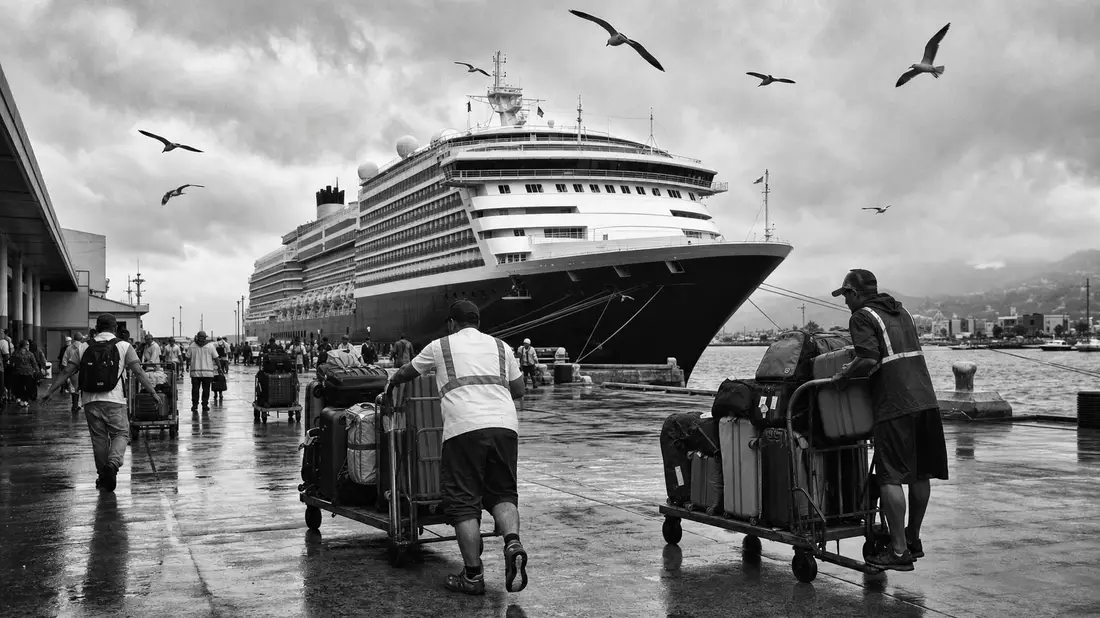
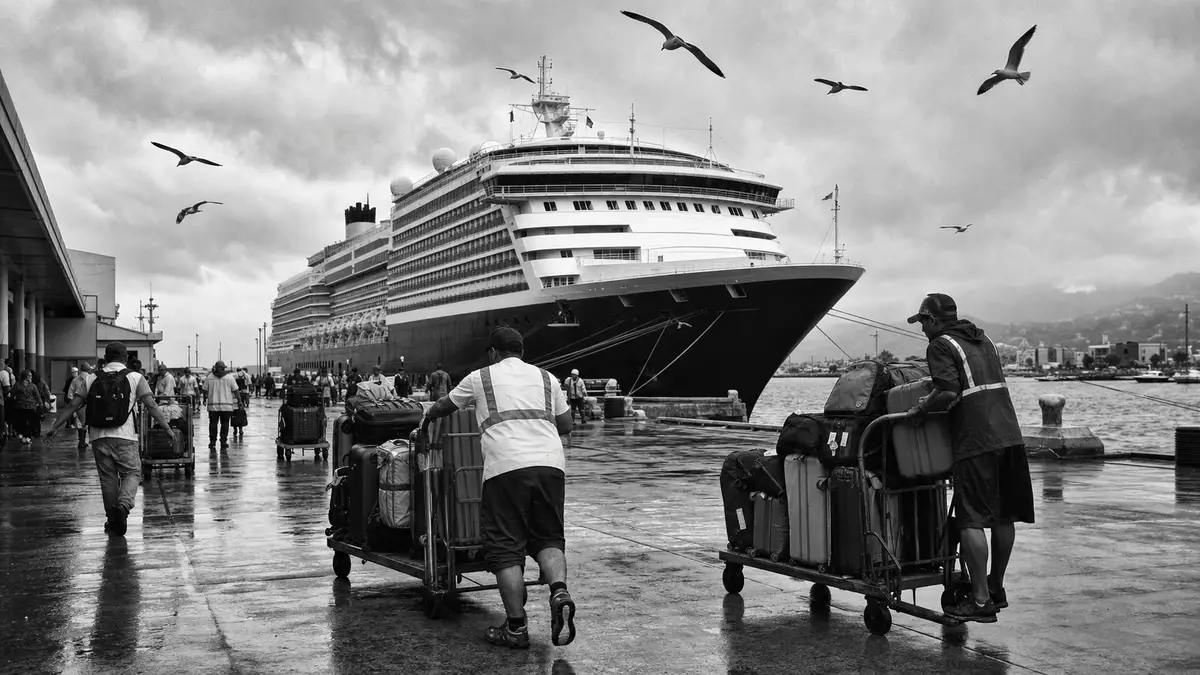
Norwegian Prima is the first thing you see as you walk along the pier in Civitavecchia on a clear summer morning: a broad white hull, the blue hull art shimmering slightly in the heat haze, and the smell of fresh marine paint mixing with coffee from the terminal café.
From new-class design to capacity
Norwegian Prima is the lead vessel of the Prima class and carries up to 3,099 guests in double occupancy, a step down in size from the older Breakaway-class ships but deliberately more premium in positioning. The ship was built by Fincantieri in Marghera, Italy, and delivered to Norwegian Cruise Line Holdings in 2022, marking a renewed partnership that focuses on more spacious public areas and higher-yield cabins.
Harry Sommer, then CEO of the Norwegian Cruise Line brand and now group CEO, repeatedly emphasized on investor calls that Prima’s design aims at improving per-passenger revenue rather than just adding beds. Norwegian Prima measures roughly 143,500 gross tons and a length of about 294 meters, placing it in the upper mid-size category where operating costs and ticket pricing can be balanced more tightly than on the very largest megaships.
Aboard: outdoor decks and specialty venues
Walk onto Norwegian Prima’s Ocean Boulevard and you feel the textured decking under your sandals and the wind that whips around the infinity-style pool on the deck edge, much quieter than the crowded lido layouts of older ships. The design pushes passengers outward, with wraparound promenades, glass-fronted lounges and the Indulge Food Hall delivering multiple casual dining options in one space rather than scattering buffets across several decks.
Inside, the Prima Theater and Club morphs between production shows and late-night club events, letting the company monetize the same square meters across different dayparts. Norwegian Prima also hosts the first three-level go-kart track at sea for the brand, positioned not just as a gimmick but as a chargeable attraction that fits the company’s broader onboard revenue strategy. A wide spread of paid specialty restaurants, from Onda by Scarpetta to Cagney’s Steakhouse, provides additional check averages beyond the standard cruise fare, again reflecting management’s focus on yield.
Norwegian Cruise Line Holdings and the Prima-class economics
How Norwegian Prima fits into Norwegian Cruise Line Holdings’ capacity plans and revenue mix is crucial for long-term holders of the share.
Cabin mix and premium positioning
Norwegian Prima’s stateroom mix leans heavily toward balcony cabins and upgraded categories, with fewer inside cabins than older tonnage. The ship’s The Haven complex, the line’s ship-within-a-ship luxury area, offers private suites, exclusive dining and a dedicated sundeck, effectively capturing a higher-spending subset of the passenger base.
For revenue managers in Miami, this layout matters: balcony cabins and suites command significantly higher average daily rates than interior staterooms, especially on Europe and Caribbean itineraries where scenery and outdoor space are part of the selling proposition. The hardware of Norwegian Prima thus underpins Norwegian Cruise Line Holdings’ strategy of “up-gauging” guests to more profitable categories rather than chasing pure headcount growth.
Itineraries and deployment
Norwegian Prima spends much of the northern season in Europe, with itineraries in the Mediterranean and Northern Europe, including departures from ports such as Civitavecchia, Barcelona and Southampton. During the winter season the ship shifts to Caribbean and sometimes Bermuda or transatlantic routes, tapping into the company’s strongest source markets in North America and the UK.
On the Norwegian Cruise Line booking page, Norwegian Prima is positioned prominently in the “New ships” and “Prima Class” sections, but it is not the only capacity growth lever in the fleet. Management uses dynamic pricing tools to adjust fares by sailing, viewing the Prima class as a flexible asset that can be redeployed to markets with stronger pricing or onboard spend indicators.
Onboard spend drivers
For Norwegian Cruise Line Holdings, Norwegian Prima is as much an onboard revenue platform as a transport asset. Bars and lounges, the casino, extra-fee dining and attractions such as the go-kart track and virtual reality experiences create multiple spending touchpoints throughout a voyage. Beverage packages, Wi-Fi bundles and shore excursion sales layered onto this hardware give the company an opportunity to lift per-passenger spend without materially changing the basic cruise fare.
Harry Sommer and his team have highlighted that new ships like Norwegian Prima show higher penetration of pre-cruise upsell products booked via the online portal and app. The consistency of venues and experiences across Prima-class ships also allows more standardized marketing and package design, which reduces cost of sale and helps revenue management scale offers across different itineraries.
Cost efficiency and environmental features
Norwegian Prima is equipped with energy-efficient systems including optimized hull design, advanced wastewater treatment and exhaust gas cleaning technologies designed to comply with IMO regulations. Norwegian Cruise Line Holdings describes the Prima class as part of its broader “Sail & Sustain” environmental program, which sets targets for carbon intensity reduction relative to a 2015 baseline.
The ship’s slightly smaller size compared with the largest megaships reflects an operating philosophy that balances capacity with port access and fuel consumption. More ports can accommodate a vessel of this tonnage without expensive infrastructure upgrades, potentially widening itinerary options and reducing tender operations, which are operationally complex and less comfortable for guests.
Competitive landscape
Norwegian Prima enters a competitive field where Royal Caribbean, Carnival and MSC also deploy large yet increasingly premium-oriented ships on Europe and Caribbean routes. Royal Caribbean’s Quantum and Oasis classes, for example, focus on massive onboard attractions and multi-neighborhood layouts, while MSC emphasizes Mediterranean-style design and large balcony inventories.
Norwegian Cruise Line positions Prima as a more intimate alternative with improved service ratios and contemporary décor, aiming at travelers who want modern hardware but are not drawn to the very largest crowd-heavy megaships. The introduction of Prima also allows the company to gradually retire or redeploy older, less efficient tonnage, a lever often highlighted in industry reports as key to improving fleetwide margins.
Demand signals and booking patterns
Booking data shared by Norwegian Cruise Line Holdings in quarterly presentations points to robust demand for new ships like Norwegian Prima, often with faster fill rates compared with older vessels sailing comparable itineraries. Industry analysts note that post-pandemic travelers show a strong preference for newer hardware, which they associate with improved air filtration, larger outdoor spaces and modern design.
As a result, Norwegian Prima frequently features in promotional campaigns as the hero ship for specific seasons, such as Mediterranean summers or Caribbean winters. However, pricing strategies avoid heavy across-the-board discounting; rather, promotional mechanics focus on value-adds such as onboard credit, specialty dining packages or reduced airfare add-ons.
Risk factors for the product line
Norwegian Prima is not immune to macro risks that affect cruise demand. Fuel price volatility, geopolitical tensions affecting key regions like the Eastern Mediterranean, and foreign exchange swings can all impact the economics of deploying a large vessel. Port congestion and infrastructure limits in highly sought-after destinations such as Santorini or Dubrovnik can also constrain the ability to land passengers ashore comfortably.
Onboard, the challenge for the brand is to keep Norwegian Prima’s experience fresh as more Prima-class ships enter service. Without careful itinerary planning and periodic refurbishment of venues, the novelty factor can fade, which in turn may reduce pricing power. The company mitigates this with entertainment updates, menu refreshes and periodic capital spending on public spaces.
Financial impact and segment focus
Norwegian Cruise Line Holdings generally reports fleetwide metrics rather than ship-by-ship P&L, but management commentary leaves little doubt that new vessels such as Norwegian Prima are core drivers of capacity and revenue growth. Newbuilds typically command higher ticket prices relative to older ships and support higher onboard spend, which together push net yield higher for the brand.
Analyst notes and earnings call transcripts repeatedly refer to the Prima class as a cornerstone of the company’s premiumization strategy, with a focus on attracting guests willing to pay for upgraded experiences rather than chasing ultra-budget segments. Norwegian Prima’s design and deployment pattern align tightly with this strategy, making it a useful lens for understanding how the company sees its future product mix.
Stock context and investor view
For investors watching Norwegian Cruise Line Holdings, Norwegian Prima matters because it symbolizes the company’s commitment to new hardware that can support higher yields and more flexible deployment. New ships usually imply significant capital commitments, but they also underpin future revenue and cash flow if demand and pricing hold.
On the New York Stock Exchange, Norwegian Cruise Line Holdings stock trades under the ticker NCLH, and the Prima class, with Norwegian Prima as its first vessel, is a visible factor in how analysts assess the group’s capacity growth and pricing power.
Norwegian Prima fact box
- Product: Norwegian Prima
- Manufacturer: Norwegian Cruise Line Holdings Ltd.
- Category: Classic / Longseller cruise ship
- Market launch: Delivered in 2022, entered service August 2022
- MSRP / Price: Cruise fares vary by itinerary; recent Mediterranean sailings from around USD 800 per person for a week in an inside cabin
- Availability: Bookable via Norwegian Cruise Line’s website and travel agencies for Europe and Caribbean itineraries
- Target group: Leisure travelers seeking contemporary, mid-to-premium cruise experiences with strong onboard entertainment and dining choices
- Highlight / USP: First ship in the Prima class with expansive outdoor decks, The Haven luxury enclave and a three-level go-kart track at sea
Disclaimer regarding our articles: No investment advice, no buy or sell recommendation. Information on prices, companies, and markets is provided without guarantee; changes are possible at any time. Stock market transactions can lead to substantial losses. Our articles are created and reviewed in whole or in part automatically with the support of AI.