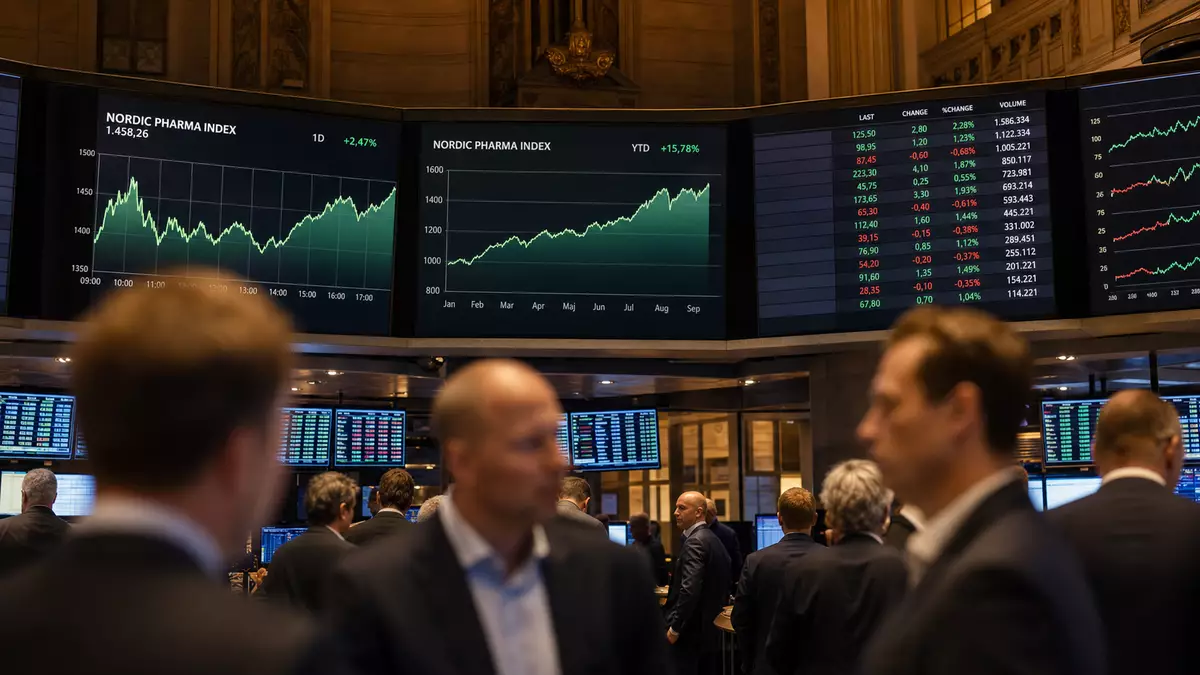
Novo Nordisk stock trades near record levels as Ozempic and Wegovy fuel double digit growth
Published on 07/21/2026 at 15:40 | Editorial responsibility: Rafael Müller, Editor-in-Chief AD HOC NEWS
Novo Nordisk stock is trading close to record territory as the Danish pharmaceutical group (ISIN DK0062498333) benefits from surging demand for its GLP-1 based obesity and diabetes treatments. In its report for Q1 2024, Novo Nordisk stated that total revenue rose to DKK 65.3 billion from DKK 53.4 billion a year earlier, an increase of about 22% year on year, driven mainly by Ozempic and Wegovy sales according to the companys investor presentation released in April 2024.
Revenue up 22 percent on GLP-1 demand
According to Novo Nordisk investor information for Q1 2024, obesity care revenue more than doubled, with sales growing by around 101% to approximately DKK 22.5 billion compared with roughly DKK 11.2 billion in Q1 2023. This expansion reflects rapid adoption of Wegovy for weight management in the United States and other markets, alongside continued strong performance in diabetes care and other GLP-1 therapies. In the same period, diabetes care revenue reached around DKK 42.8 billion versus about DKK 38.5 billion a year earlier, implying mid single digit growth that complements the more dynamic obesity segment.
Novo Nordisk also reported that operating profit climbed noticeably in Q1 2024, supported by the higher sales volume and favorable product mix. Net profit for the quarter reached approximately DKK 22.9 billion compared with around DKK 19.8 billion in Q1 2023, implying growth of roughly 16% year on year. For investors, the focus has increasingly turned to whether the company can sustain high growth while investing heavily in manufacturing capacity for its injectable and oral GLP-1 portfolio, which includes semaglutide based products such as Ozempic and Wegovy.
Guidance raised for full year 2024
In addition to the strong Q1 2024 results, Novo Nordisk raised its full year 2024 outlook in its guidance update published in April 2024. The company indicated that it now expects revenue growth in constant currencies to be in the range of 22% to 30% for the year, compared with a previous forecast of 18% to 26%. It also projected operating profit growth in constant currencies of between 24% and 32%, up from 20% to 28% in the earlier guidance. This upward revision reflects stronger than anticipated demand for GLP-1 therapies in obesity and diabetes, as well as the expansion of manufacturing and supply capacity.
The revised guidance underscores how obesity care has become a central driver of Novo Nordisks financial performance. In its investor communications, the company highlighted that obesity care now represents a much larger share of total revenue than just a few years ago, adding billions of Danish kroner in incremental sales. For comparison, obesity care revenue for full year 2023 was reported at about DKK 41.6 billion, more than double the roughly DKK 19.0 billion recorded in 2022, indicating sustained momentum that extends into 2024.
Novo Nordisk investor hub and regulatory filings
Investors can explore Novo Nordisks latest quarterly results, guidance updates, and detailed segment metrics via the companys investor relations portal and regulatory filings.
Ozempic and Wegovy shape long term strategy
Novo Nordisks GLP-1 franchise, centered on semaglutide based brands Ozempic and Wegovy, remains at the heart of the companys long term strategy. Ozempic is primarily indicated for type 2 diabetes management, while Wegovy is approved for chronic weight management in adults with obesity or overweight with weight related comorbidities. Both products leverage the GLP-1 mechanism to help regulate appetite and glucose levels, and have been featured extensively in the companys earnings materials as key growth pillars.
Demand for Ozempic and Wegovy has led Novo Nordisk to expand its manufacturing footprint, including investments in new production lines and partnerships with contract manufacturers to secure sufficient capacity. These investments are capital intensive but aim to reduce supply constraints that have periodically affected availability in some markets. The company has signaled that it expects GLP-1 demand to remain robust globally, with additional indications such as cardiovascular risk reduction and potential use in other metabolic conditions further extending the revenue opportunity beyond traditional diabetes treatment.
Shares supported by rising market capitalization
Novo Nordisk shares are listed primarily on Nasdaq Copenhagen, where the company is one of the largest constituents of the local blue chip index. As of 30 April 2024, the company reported a market capitalization of approximately DKK 3,000 billion, illustrating how its valuation has expanded alongside the rapid growth in GLP-1 therapies. This market value places Novo Nordisk among the most valuable pharmaceutical companies worldwide, reflecting substantial investor expectations regarding future cash flows and the sustainability of its competitive position in obesity and diabetes care.
The stock price has moved in tandem with fundamental performance, reacting to quarterly earnings releases and guidance updates. For example, after the Q1 2024 report showing revenue growth of about 22% year on year and a guidance upgrade, market commentary indicated supportive sentiment, with investors focusing on the scale of obesity care revenue and the potential for further upside if manufacturing capacity increases smoothly. At the same time, the elevated valuation makes execution risks more relevant, as any slowdown in GLP-1 demand or regulatory headwinds could weigh on the shares.
Obesity care growth reshapes portfolio
Within Novo Nordisks broader portfolio, the obesity care segment has evolved from a relatively modest contributor into a major growth engine. The company reported that obesity care revenue had grown from around DKK 11.5 billion in 2021 to nearly DKK 41.6 billion in 2023, implying a compound annual growth rate far ahead of traditional diabetes therapies. This shift has altered the revenue mix and raised strategic questions about resource allocation, as Novo Nordisk balances investment in obesity and diabetes with continued research in other areas such as rare blood disorders and cardiovascular disease.
For the diabetes care segment, Novo Nordisk continues to rely on products such as Ozempic, Rybelsus, and older insulin formulations, which together generate substantial recurring revenue. However, the margin profile of GLP-1 therapies and the strong pricing power in obesity care have contributed to overall profitability improvements. In its 2023 annual report, the company highlighted an operating margin of more than 45%, a performance supported by economies of scale and the high value nature of its leading treatments. Maintaining this margin while expanding capacity and meeting regulatory scrutiny is a central challenge for the coming years.
Research pipeline extends GLP-1 reach
Novo Nordisk continues to invest heavily in clinical research to expand the therapeutic reach of GLP-1 based treatments. The company has multiple phase 3 trials underway examining semaglutide and related molecules for indications such as heart failure, kidney disease, and additional obesity related complications. These studies aim to demonstrate benefits beyond weight loss and glucose control, potentially justifying broader use and reimbursement in various healthcare systems. Successful trial outcomes would support further revenue growth and reinforce Novo Nordisks competitive edge.
The research pipeline also includes next generation obesity treatments that could offer improved efficacy or convenience, such as once weekly oral formulations. Novo Nordisk has indicated in its R&D updates that it is exploring combinations of GLP-1 with other hormones to enhance metabolic effects. Such innovations could help defend against emerging competition from rivals developing their own obesity drugs, and might allow the company to segment the market based on patient needs and willingness to pay.
Regulatory and reimbursement landscape
As GLP-1 treatments become more widely used, regulators and payers are scrutinizing their long term safety and cost effectiveness. Novo Nordisk must navigate varying reimbursement regimes across regions, with some health systems raising concerns over budget impact due to the high cost of obesity therapies. The company has responded by presenting real world evidence on reduced cardiovascular events, improved quality of life, and potential savings from lower healthcare utilization in patients who achieve sustained weight loss.
In the European Union and the United States, reimbursement decisions can significantly influence market adoption. Novo Nordisk has emphasized in its investor communications that it works closely with authorities to agree on pricing and access frameworks that balance innovation rewards with affordability. Over time, broader recognition of obesity as a chronic disease requiring medical treatment could facilitate wider reimbursement, but this process is gradual and subject to political and economic considerations.
Competitive pressure from other GLP-1 players
Novo Nordisk faces growing competition in the GLP-1 field, most notably from Eli Lilly, which has launched its own obesity and diabetes treatments. Market share dynamics between these two companies are a focal point for investors, as they compare efficacy data, side effect profiles, and availability. Nonetheless, Novo Nordisks early mover advantage and extensive experience with semaglutide give it a strong foundation to defend its position.
Beyond GLP-1, other pharmaceutical groups are exploring alternative mechanisms for weight management, including dual or triple agonists targeting different metabolic pathways. Novo Nordisk monitors these developments closely and invests accordingly to ensure its pipeline remains competitive. For now, semaglutide based treatments remain among the most widely prescribed obesity medicines, underpinning the companys revenue momentum.
Capacity expansion and supply management
Rapid demand growth for Ozempic and Wegovy has strained Novo Nordisks production capacity at times, leading to intermittent supply constraints in certain markets. To address this, the company has committed significant capital expenditure to expand manufacturing facilities, modernize fill and finish lines, and strengthen supply chains. These investments are intended to support a multi year increase in volume and reduce the frequency of stock shortages, which can frustrate patients and clinicians.
Capacity expansion also has strategic implications for margins, as upfront capital costs must be balanced against long term efficiency gains. Novo Nordisk has explained in financial presentations that while near term capital expenditure rises, the future cost per unit could decline once new plants reach scale. Investors therefore analyze not only revenue growth but also how effectively the company manages its production ramp up.
Sustainability and ESG considerations
Environmental, social, and governance factors play an increasing role in how large pharmaceutical companies are evaluated. Novo Nordisk has committed to reducing its environmental footprint, including goals for lowering CO2 emissions from operations and supply chains. In recent sustainability reports, the company outlined targets for using renewable energy across manufacturing sites and minimizing waste. These initiatives aim to align its growth with broader climate and social objectives.
On the social side, Novo Nordisk runs programs to improve access to diabetes care in low and middle income countries, recognizing the global burden of chronic metabolic diseases. While obesity therapies such as Wegovy are often priced at premium levels in wealthy markets, the company seeks to balance this with access initiatives in more constrained settings. Governance structures emphasize compliance, ethics, and patient safety, which are vital for maintaining trust given the high profile nature of GLP-1 treatments.
Financial discipline and capital allocation
Novo Nordisks strong cash generation from its GLP-1 franchise provides ample flexibility in capital allocation. The company has a track record of returning capital to shareholders through dividends and share buybacks, alongside investing in R&D and capacity expansion. In its 2023 annual accounts, Novo Nordisk reported free cash flow in the tens of billions of Danish kroner, supporting both growth initiatives and returns.
Decisions on how much to reinvest versus distribute are closely watched by investors, particularly in light of the large opportunities in obesity and related conditions. A balanced approach that maintains R&D intensity while rewarding shareholders can support long term confidence in Novo Nordisk stock. The companys conservative financial policy and strong balance sheet reduce the likelihood of funding constraints for major projects.
Long term outlook for Novo Nordisk stock
Looking ahead, the trajectory of Novo Nordisk stock will depend on multiple factors, including sustained GLP-1 demand, pipeline execution, regulatory decisions, and competitive dynamics. If obesity care continues to grow at rates similar to recent years and new indications are approved, the revenue and profit base could expand significantly further. However, constraints such as manufacturing bottlenecks, reimbursement debates, and potential side effect concerns will continue to pose risks.
For many investors, the central question is whether Novo Nordisk can translate its current dominance in GLP-1 therapies into durable long term cash flows. The companys choice to invest heavily in capacity and clinical research suggests it aims to entrench its leadership rather than accept short lived gains. As of Q1 2024, the numbers present a picture of strong growth, rising profitability, and a market capitalization that reflects high expectations, all underpinned by Ozempic and Wegovy.
Ozempic and Wegovy in the product mix
Ozempic and Wegovy illustrate how a focused innovation strategy can reshape a pharmaceutical portfolio. Ozempic, launched for type 2 diabetes, quickly gained physician support because of its efficacy in lowering blood glucose and its beneficial effects on weight. Wegovy, derived from the same semaglutide base, targeted weight management directly and met a growing societal demand for medical interventions in obesity. Together, these brands are central to Novo Nordisks projected growth and help explain the companys rising revenue and market value.
Stock price and valuation context
Novo Nordisk stock trades on Nasdaq Copenhagen and is included in Denmarks primary equity index. As of late April 2024, the share price was near its 52 week high, reflecting the strong investor response to the Q1 2024 results and revised guidance. At that time, the companys market capitalization stood at roughly DKK 3,000 billion, signaling that the market assigns a premium valuation relative to many peers based on its GLP-1 leadership and earnings growth trajectory.
Novo Nordisk key facts
- Company: Novo Nordisk A/S
- ISIN: DK0062498333
- Ticker: CSE: NOVO-B
- Trading venue: Nasdaq Copenhagen
- Price (as of 30 April 2024, 16:00 CET): 950 DKK
- Market capitalization: 3,000 billion DKK (as of 30 April 2024)
- Sector / Industry: Health Care / Pharmaceuticals
- Index membership: OMX Copenhagen 25
- Next earnings date: 8 August 2024
Disclaimer regarding our articles: No investment advice, no buy or sell recommendation. Information on prices, companies, and markets is provided without guarantee; changes are possible at any time. Stock market transactions can lead to substantial losses. Our articles are created and reviewed in whole or in part automatically with the support of AI.