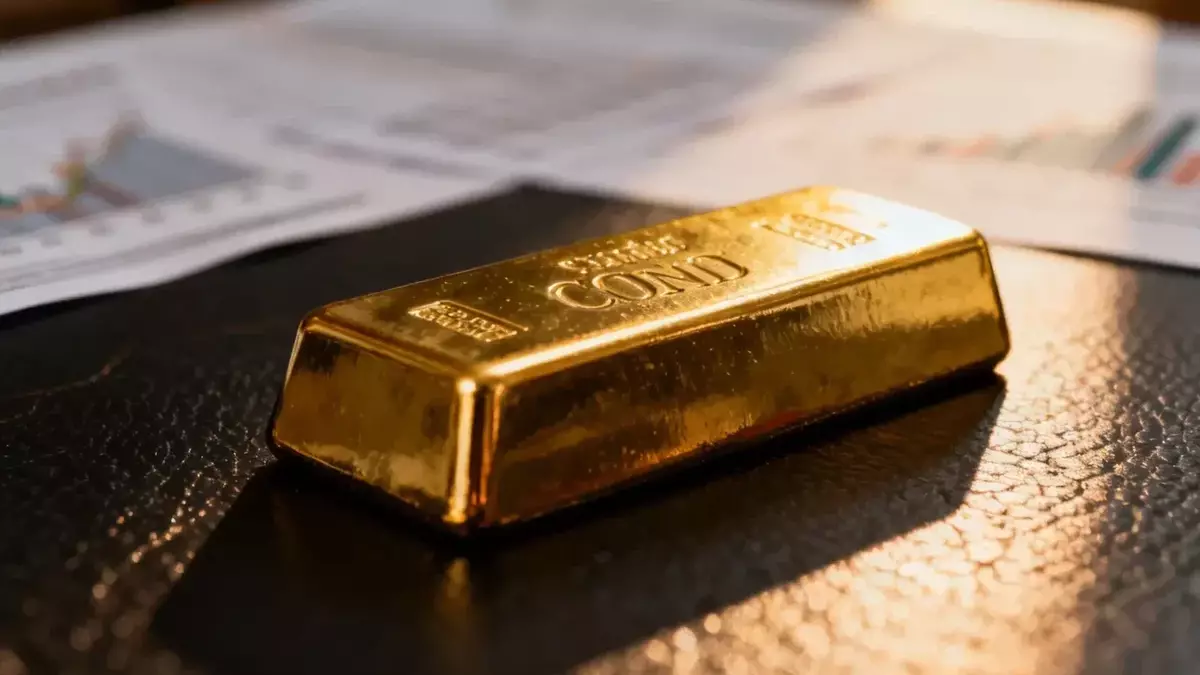
Oil’s Inverse Impact: Rising Energy Costs Eclipse Geopolitical Tensions to Pin Gold Near $4,000
Published on 07/21/2026 at 05:13 | Redaktion boerse-global.de
Gold has long been the classic refuge during international crises, yet the escalating conflict between the United States and Iran is producing a paradoxical outcome. Instead of surging on safe-haven demand, the metal is stuck near its weakest level in nine months, squeezed by a surge in oil prices that is reshaping the market’s view of Federal Reserve policy.
Spot gold traded at $4,022 an ounce on Tuesday, barely 2.9% above its 52-week low from late October. The past 30 days have seen a 4.6% decline, a slide that runs counter to the narrative that geopolitical turmoil should lift bullion. The culprit is not a lack of crisis demand, but a different transmission mechanism: energy-driven inflation.
Oil Shock Fuels Rate Hike Expectations
US bombardments on Iran entered their tenth day, pushing Brent crude above $90 a barrel and lifting oil prices roughly 30% from their July troughs. The jump in energy costs fans broader inflation fears, which in turn strengthens the argument for the Fed to maintain its restrictive stance. Markets now assign a 55% probability of a rate increase in September — up from 51% the previous day — and an 80% chance by December. Cleveland Fed President Beth Hammack has joined a growing number of policymakers publicly endorsing further tightening to contain price pressures.
Higher interest rates increase the opportunity cost of holding non-yielding assets like gold, and this dynamic is currently overwhelming the metal’s traditional safe-haven appeal. The geopolitical risk premium that might normally emerge is being neutralized by the hawkish repricing of rate expectations.
Should investors sell immediately? Or is it worth buying Gold?
Diplomatic Glimmers Amid Military Strain
The military situation remains volatile. Over the weekend, three US soldiers were killed: two in a strike in Jordan and one in a drone attack in northern Iran. Houthi-aligned fighters announced a maritime embargo against Saudi Arabia, threatening Red Sea shipping lanes, while a tanker caught fire in the Strait of Hormuz, sharply reducing oil transit through the critical chokepoint.
Yet diplomatic channels are showing signs of life. Iran confirmed it has received mediation proposals aimed at easing tensions with Washington, and reports suggest a possible ten-day ceasefire is under discussion. US Secretary of State Marco Rubio reaffirmed that his country remains open to talks, but insists that Tehran must reopen the Strait of Hormuz — whose closure is a key driver of elevated energy prices.
Physical Market Diverges from Paper
A noteworthy split has emerged between the futures-driven paper market and the physical trade. Premiums on gold coins and bars have maintained their levels, and market watchers report that many buyers view current pricing as an accumulation zone rather than a reason to exit. The compression in the silver-to-gold ratio reinforces this picture: industrial users and collectors treat silver below $57 and gold under $4,050 as buying territory. The paper market, pressured by rate expectations, is sending a far more bearish signal than the physical side.
Technical Picture Remains Bruised
Chart analysts have flagged a critical support floor at $3,886. A break below that level could trigger a slide toward $3,500, while resistance is clustered between $4,030 and $4,100. The metal currently trades 6.26% beneath its 50-day moving average of $4,289.68, confirming a short-term downtrend despite the psychological cushion near $4,000. OANDA’s Kelvin Wong describes the market as caught between safe-haven inflows and interest-rate headwinds.
Gold at a turning point? This analysis reveals what investors need to know now.
Longer-term, some observers remain constructive. Jan Lechem of Royal Asset Management predicted during a Berlin trading forum that structural drivers — persistent geopolitical friction, still-accommodative monetary policy in many regions, and ongoing central bank purchases — will support a gradual uptrend. Institutional buying by central banks continues to provide a medium-term floor.
What Comes Next
The near-term direction hinges on the interplay between oil and the Fed. A sustained retreat in energy prices would ease inflation concerns and reduce the urgency for rate hikes, potentially giving gold room to rally. If the Strait of Hormuz remains blocked and crude stays elevated, however, the rate-hike narrative could keep suppressing bullion even as the Middle East conflict drags on. The market is waiting for a decisive catalyst to break the current stalemate.
Ad
Gold Stock: New Analysis - 21 July
Fresh Gold information released. What's the impact for investors? Our latest independent report examines recent figures and market trends.
Disclaimer regarding our articles: No investment advice, no buy or sell recommendation. Information on prices, companies, and markets is provided without guarantee; changes are possible at any time. Stock market transactions can lead to substantial losses. Our articles are created and reviewed in whole or in part automatically with the support of AI.