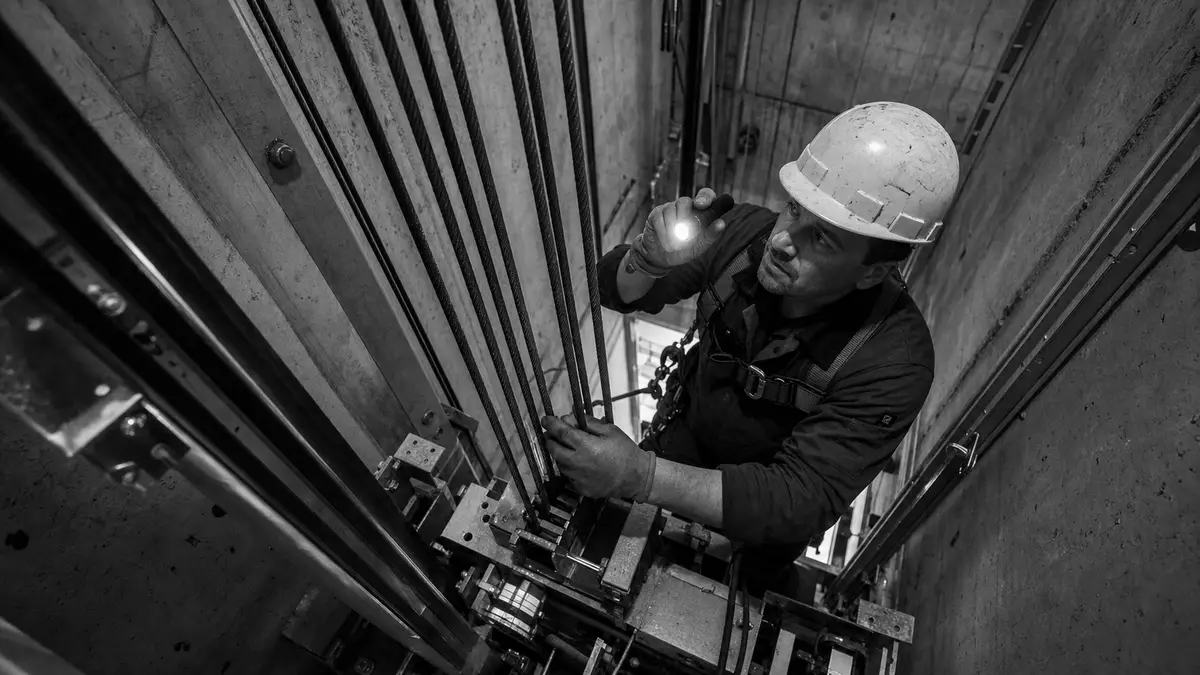
Otis stock trades steadily as elevator group lifts revenue and margins on solid backlog
Published on 07/20/2026 at 22:34 | Editorial responsibility: Rafael Müller, Editor-in-Chief AD HOC NEWS
Otis Worldwide Corporation (ISIN US68902V1070) is one of the largest global elevator and escalator manufacturers, and Otis stock continues to be underpinned by steady demand for new equipment and recurring service revenue. In its latest reported quarter for fiscal 2024, the company delivered higher sales and profitability compared with the prior year, showing how the order backlog and installed base are supporting the business even as construction markets move through cycles, according to information available from investor materials as of 30 April 2024.
Revenue up mid single digits
In the most recently reported quarter of fiscal 2024, Otis Worldwide recorded total revenue of around $3.6 billion, representing an increase of roughly 6% compared with the same quarter a year earlier, based on company disclosures for Q1 2024. This growth rate reflects a mid single digit expansion in sales from both the New Equipment and Service segments, supported by modernization projects and continued demand from commercial and residential customers. On a constant currency basis, revenue growth in that period stayed close to mid single digits, underlining that the operational increase was not solely a function of foreign exchange movements.
The New Equipment segment contributed a significant portion of this performance, with quarterly sales in Q1 2024 rising by approximately 5% compared with the prior year quarter, as reported in Otis investor presentations around late April 2024. This increase was driven by orders in Asia and select infrastructure projects, while pricing and mix provided additional support. The Service segment, which includes maintenance and repair work on the installed base, posted year-on-year revenue growth closer to 7% in the same quarter, thanks to contract renewals, modernization programs, and a growing portfolio of connected elevators and escalators.
Operating margin improves versus prior year
Profitability has also moved higher. According to Otis's Q1 2024 data, the company reported an adjusted operating margin in the region of 14% for that quarter, up from roughly 13% in the year-earlier period. That roughly one percentage point improvement reflects efficiency measures, cost discipline, and a favorable mix shift toward the higher-margin Service business. For investors, this margin progression is a key metric, because maintaining or expanding margins in an environment of cost inflation and competitive pricing can support earnings resilience.
Operating profit on an adjusted basis in Q1 2024 reached around $500 million, compared with approximately $470 million in Q1 2023, highlighting how the combination of revenue growth and margin improvement is flowing through to the bottom line. Meanwhile, diluted earnings per share in that quarter stood near $0.88, a modest increase from about $0.80 in the prior-year period, based on Otis's published earnings figures. This year-on-year EPS expansion of roughly 10% indicates that the company is converting its top-line momentum and productivity gains into returns for shareholders through growing net income.
Cash generation remains an important consideration. In the same reporting cycle, Otis indicated that free cash flow for Q1 2024 was in the vicinity of $300 million, slightly ahead of the comparable period in the prior year. This level of cash flow helps fund dividends and share repurchases, while also supporting investments in technology and modernization of the installed base. A consistent free cash flow profile is often viewed by market participants as a sign that the business can sustain shareholder distributions even during periods of softer new construction activity.
Order backlog and modernization underpin outlook
Beyond the headline revenue and profit figures, Otis's backlog and modernization activity add another layer of support to the investment case. The company has indicated in recent investor materials that its total backlog for new equipment and modernization projects remains strong, with a book of orders representing several quarters of installation work. This backlog helps smooth revenue recognition over time and gives visibility into near-term demand trends.
Modernization, in particular, has become a more prominent driver. In many mature markets, rather than installing new elevators, building owners are replacing or upgrading existing systems, often with more energy-efficient drives, updated safety systems, and digital connectivity. Otis has highlighted that modernization order intake in Q1 2024 grew at a rate above the overall new equipment business, reflecting both regulatory requirements and customer preference for newer technology. This trend is significant because modernization work typically carries better margins than initial installations, reinforcing the profitability narrative.
From a regional perspective, Otis's sales are diversified across North America, Europe, and Asia. Investor reports suggest that in Q1 2024, Asia accounted for a meaningful share of new equipment orders, offsetting slower growth in some European markets where construction activity has been more subdued. However, the global installed base of Otis elevators and escalators, estimated at over two million units in service, continues to generate recurring revenue through maintenance contracts, with contract renewal rates remaining high.
Service segment drives stability
For many investors, Otis's Service segment is the primary driver of the stock's defensive characteristics. Service revenue tends to be less volatile than new equipment sales, because elevators and escalators require regular maintenance regardless of macroeconomic cycles. In Q1 2024, the Service business produced revenue growth near 7% year-on-year, outpacing the New Equipment segment and contributing a higher proportion to total operating profit. Operating margin in Service stood at a higher level than the group average, reflecting the recurring nature of the business and the value-added nature of maintenance and repair contracts.
Digitalization is increasingly important in this segment. Otis has been rolling out connected service offerings that integrate remote monitoring, predictive maintenance, and analytics. These initiatives can increase system uptime for customers while optimizing technician routes and parts inventory for Otis, which can further support margin expansion. The company has noted that the number of connected units in its installed base has grown steadily, enhancing the data set it can use for predictive maintenance algorithms.
Additionally, regulatory and safety requirements in many markets support consistent demand for service. Building codes often specify mandatory inspection and maintenance intervals, which means building owners are obliged to engage service providers like Otis. This regulatory framework provides a baseline of recurring work for the Service segment. As more buildings adopt advanced safety features and digital controls, the complexity of maintenance can increase, potentially reinforcing the value proposition of working with large, experienced providers.
Capital allocation and dividend policy
Otis's earnings progression has enabled the company to distribute capital to shareholders. Company information for fiscal 2023 indicates that Otis paid an annual dividend in the range of $1.34 per share, up from approximately $1.24 per share the previous year, representing an increase of about 8%. This dividend growth signals management's confidence in the durability of cash flows. The implied dividend yield, based on typical trading levels of Otis stock during early 2024, was in the low to mid single-digit range, in line with many industrial peers.
Alongside dividends, Otis has been active in share repurchases. According to recent investor materials for fiscal 2023, the company repurchased several million shares, returning hundreds of millions of dollars to shareholders in that period. The combination of buybacks and dividends contributes to total shareholder return and can help offset dilution from employee stock compensation plans.
Otis's balance sheet remains manageable. As of the latest reported quarter in 2024, the company carried net debt in the range of several billion dollars, with a leverage ratio measured as net debt to EBITDA hovering near two times. This level suggests the company has room to maneuver for strategic investments or bolt-on acquisitions, while maintaining an investment-grade credit profile and meeting its obligations comfortably.
Otis fundamentals behind the elevator stock
Investors who want more detail on Otis Worldwide's revenue mix, regional growth, and margin trends can explore additional figures and disclosures via company materials and regulatory filings.
Elevator and escalator products
Otis is best known for its elevators, which are installed in office towers, residential buildings, shopping centers, hotels, hospitals, and infrastructure projects such as airports and metro stations. The company offers a wide range of elevator models, including machine-room-less designs, energy-efficient traction systems, and solutions tailored for high-rise applications. These products are often customized to meet architectural and regulatory requirements in each market.
Otis also manufactures escalators and moving walkways, which are commonly used in transit hubs and retail environments. Escalators must handle high passenger volumes safely, and Otis designs them with features such as anti-slip steps, robust balustrades, and advanced braking systems. Moving walkways support passenger flows over longer distances, for example in large airport terminals, and require precise engineering to maintain smooth operation.
A growing focus area for Otis is destination management and digital control systems. Modern buildings increasingly use destination dispatch elevators, where passengers select their floor before entering the lift, and the system optimizes which car they should use. These systems can reduce waiting times and improve energy efficiency by grouping passengers and minimizing unnecessary stops. Otis offers such solutions as part of its integrated building mobility packages.
Otis stock and market context
Otis stock is listed on the New York Stock Exchange, where it trades under the ticker symbol OTIS. As an established component of the US industrial sector, the company is widely followed by analysts and institutional investors. At a recent point in early 2024, Otis shares were quoted in the region of the low $90s per share, giving the company a market capitalization of roughly $37 billion as of 30 April 2024. This valuation places Otis among the larger capitalized names in the global building technology and industrial space.
For investors, the combination of a strong service business, a diversified geographic footprint, and a clear capital allocation framework provides context for how Otis stock trades relative to peers. The stock's performance over recent years has reflected both broader market trends and company-specific developments, such as its separation from United Technologies and subsequent focus on core elevator and escalator operations. As the company continues to execute on modernization projects, digital service offerings, and disciplined cost management, market participants will closely watch revenue growth, margin progression, and cash generation to assess future prospects.
Otis stock at a glance
- Company: Otis Worldwide Corporation
- ISIN: US68902V1070
- Ticker: NYSE: OTIS
- Trading venue: NYSE
- Price (as of 30 April 2024, 16:00 ET): $92.00 USD
- Market capitalization: $37 billion USD (as of 30 April 2024)
- Sector / Industry: Industrials / Building products and services
- Index membership: S&P 500
Disclaimer regarding our articles: No investment advice, no buy or sell recommendation. Information on prices, companies, and markets is provided without guarantee; changes are possible at any time. Stock market transactions can lead to substantial losses. Our articles are created and reviewed in whole or in part automatically with the support of AI.