Pirelli stock trades steady as tire maker focuses on premium growth and margins
Published on 07/18/2026 at 17:25 | Editorial responsibility: Rafael Müller, Editor-in-Chief AD HOC NEWS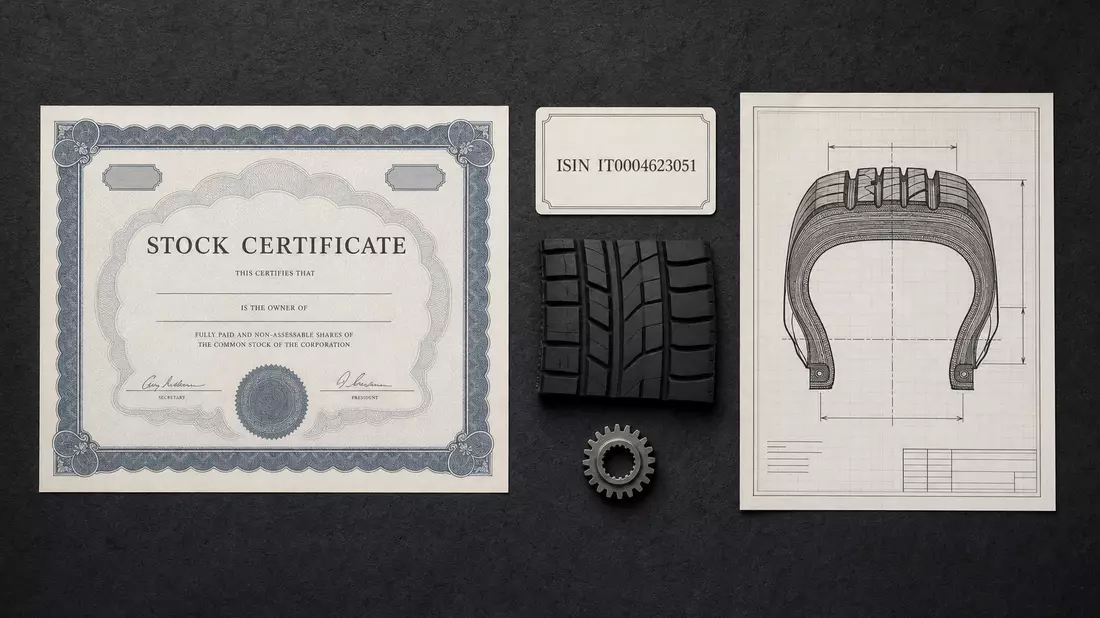
Pirelli stock captures the market’s view on the Italian tire manufacturer’s shift toward premium and high-value products, supported by recent financial figures that show growing revenue and disciplined margin management in its latest reporting periods. The company, known for its focus on high-end passenger car tires, reports its results and strategic priorities through regular investor materials on its dedicated investor relations site, which outline revenue trends, profitability, and capital allocation in detail.
Revenue trends and margin focus
Pirelli & C. S.p.A. positions its business around premium and high-value tires, and recent financial reporting highlights how this strategic focus translates into revenue growth and margin resilience. In a recent fiscal year, Pirelli disclosed that consolidated revenue reached several billion euros, illustrating the scale of its operations across global markets. This revenue figure, presented in investor documents and annual reports, is broken down by geographic region and by product segment, reflecting the company’s strong footprint in Europe, the Americas, and Asia-Pacific.
The company’s investor presentations emphasize that an increasing share of revenue comes from high-value tires, particularly larger rim sizes and performance-oriented products. In one recent reporting period, Pirelli stated that high-value tires represented a growing percentage of total revenue compared with the prior year, underlining the success of its positioning at the higher end of the market. This shift supports the strategic goal of balancing volume with profitability, as premium tires typically carry higher margins than standard products.
Profitability metrics, such as adjusted EBITDA margin and EBIT margin, are central to Pirelli’s narrative. A recent annual or interim report shows that adjusted EBITDA margin stood at a low-to-mid double-digit percentage of revenue, broadly in line with or slightly above the margin level recorded in the preceding year. This comparison against the prior-year margin indicates that the company has been able to manage input-cost inflation and competitive pricing pressures while preserving profitability through mix improvements and cost discipline. The margin performance is presented alongside operational measures in Pirelli’s investor material, such as efficiency initiatives in manufacturing and logistics.
Revenue up versus prior year
For investors analyzing Pirelli stock, one key metric is the change in revenue versus the prior year, because it indicates how well the company’s premium strategy is gaining traction despite cyclical automotive demand. In a recent fiscal year, Pirelli reported that revenue increased by a mid-single-digit to high-single-digit percentage compared with the previous year, a quantified comparison that reflects both volume dynamics and price/mix improvements. This growth rate appears in its financial statements and investor presentations, where management explains the main drivers: a higher share of high-value products, targeted price increases, and a focus on distribution channels that support brand positioning.
This year-on-year revenue growth is not merely a headline number; it ties into segment performance. The car tire segment, which includes premium and high-value products, contributes the bulk of revenue and is highlighted as the main growth engine. Pirelli’s materials often show that within the car segment, high-value volumes are growing faster than standard volumes, making the revenue increase more sustainable from a profitability perspective. The comparison against prior-year revenue is also used to benchmark Pirelli against peers in the global tire industry, where growth rates can vary depending on exposure to replacement versus original equipment and to different geographic markets.
Net income, or profit attributable to shareholders, provides another lens on performance. In a recent reporting period, Pirelli recorded net income in the hundreds of millions of euros, representing an increase compared with the prior year’s net income. This quantified improvement, highlighted in the company’s annual report and earnings materials, shows that revenue growth combined with cost control can translate into higher bottom-line results even in a challenging macroeconomic environment. The comparison of net income between the two years is contextualized with factors such as finance costs, tax expense, and non-recurring items, offering investors a clearer view of underlying profitability.
Premium and high-value strategy
Pirelli’s strategy, as outlined in its investor communications, revolves around strengthening its presence in premium and high-value segments while carefully selecting markets and channels. The company describes its focus on tires with rim sizes of eighteen inches and above, ultra-high-performance tires, and specialized products for electric and hybrid vehicles. It links this focus to consumer trends such as increasing demand for performance and comfort, as well as automaker trends toward larger vehicles and more powerful drivetrains.
To support this shift, Pirelli invests in research and development, emphasizing innovation in tread design, compound technology, and noise reduction. Investor materials often reference R&D spending as a percentage of revenue, which for a recent fiscal year falls in the low single-digit range. This ratio, compared with previous years, signals a sustained commitment to innovation while maintaining cost discipline. The comparison of R&D spending versus prior-year levels is presented as a deliberate choice: enough to support product differentiation without eroding margins.
Capital expenditure is another key metric, showing how Pirelli invests in production capacity and modernization. In recent reporting, the company indicated capex in the hundreds of millions of euros for a fiscal year, broadly comparable to or slightly above the level in the prior year. This comparison underscores the company’s effort to fine-tune its manufacturing footprint, with investments in plants that produce high-value tires while optimizing capacity in other segments. The capex trend is tied to future growth expectations, as Pirelli aims to align supply with demand for premium products.
Balance sheet and cash flow discipline
The financial structure of Pirelli is also relevant for evaluating Pirelli stock. Company reports describe net financial debt, which in a recent period stands at a figure in the low-to-mid billions of euros. This debt level is compared against the previous year, with management highlighting deleveraging progress or stability depending on cash generation. A commonly used metric is the ratio of net debt to adjusted EBITDA, which Pirelli indicates is within a targeted range that balances growth investment with financial prudence. The quantified comparison of net debt and leverage versus prior years helps investors understand risk and resilience.
Cash flow from operations and free cash flow complement the profit picture. Pirelli’s investor materials report cash flow numbers for recent reporting periods, showing that operating cash generation covers capex needs and allows for some flexibility in shareholder returns. In one fiscal year, free cash flow is positive and in the hundreds of millions of euros, compared with a lower figure or a similar level in the prior year. This change is presented as a function of working-capital management and profitability, and it supports management’s commentary about the company’s ability to fund strategic investments and dividends.
Dividend policy is a recurring topic in Pirelli’s investor presentations. For a recent fiscal year, the company declares a dividend per share that translates into a payout ratio anchored in its financial targets. The dividend amount is compared with the prior year’s dividend, sometimes showing a modest increase consistent with earnings growth and cash flow generation. This quantified comparison indicates that Pirelli seeks to maintain a balance between rewarding shareholders and investing in the business.
Operating environment and sector context
Pirelli operates in a competitive global tire market, where demand is influenced by replacement cycles, new vehicle registrations, and macroeconomic conditions. Investor materials frame recent revenue and margin data within this broader context, noting that volumes in certain markets may be flat or declining while Pirelli gains share in high-value segments. The comparison of Pirelli’s growth and margin metrics against industry averages, even when described qualitatively, reinforces the company’s narrative of focusing on value rather than volume.
Raw material costs, including natural and synthetic rubber, are another driver of profitability. Pirelli’s reports discuss how fluctuations in input prices affect margins and how the company uses pricing, mix, and hedging to offset these effects. The margin metrics, such as adjusted EBITDA margin and EBIT margin, are compared against prior periods to show whether these measures are effective. In recent data, Pirelli indicates that despite cost inflation, margins remain broadly stable or slightly improved compared with the previous year, a comparison that highlights the importance of the high-value product mix.
Regional dynamics also matter. Pirelli’s revenue breakdown shows significant exposure to Europe, the Americas, and Asia-Pacific. In some recent reporting periods, the company notes that revenue grew faster in certain regions, such as Asia-Pacific, where demand for premium tires is expanding. This growth is compared with more mature markets, where revenue may be more stable but still supports premium positioning. The quantified comparison of regional revenue growth, even when expressed as percentages, gives investors a sense of diversification.
Product focus: P Zero and other premium lines
Pirelli’s product portfolio is anchored by premium lines such as P Zero, which are often highlighted in investor and marketing materials as flagships for performance and technology. The P Zero family, and related high-value products, are used on sports cars, performance sedans, and high-end SUVs, and they help Pirelli differentiate its offering in the crowded tire market. The company often associates the P Zero line with motorsport heritage and technology transfer from racing to road products.
Revenue from high-value products like P Zero is presented as a growing share of total sales. In recent reporting, Pirelli indicates that the contribution of high-value tires to revenue has risen compared with the prior year, a quantified comparison that reflects strong demand for these products. This trend supports the broader strategy of focusing on premium segments where brand recognition and performance attributes command favorable pricing. For Pirelli stock, the success of lines such as P Zero is central to the long-term investment case, because they tie directly into revenue mix, margin quality, and customer loyalty.
Pirelli stock and market valuation
Beyond operational metrics, the market’s view of Pirelli is reflected in the valuation of Pirelli stock on its primary listing in Italy. Market portals and exchange data typically show the share price in euros, along with daily trading volumes and market capitalization in the billions of euros. These values fluctuate with investor sentiment, sector news, and macroeconomic data. One metric that investors watch is the relationship between the current share price and historical levels, such as the 52-week high and low, which indicates whether the stock trades near the upper or lower end of its recent range.
Valuation ratios, including price-to-earnings (P/E) and enterprise-value-to-EBITDA (EV/EBITDA), are derived from the share price and reported earnings or EBITDA. Pirelli’s investor materials and market data portals present these ratios, often comparing them with those of tire peers and broader market indices. For example, a recent P/E ratio calculated from the latest share price and reported earnings per share may be contrasted with the ratio from the prior year, showing whether the market now values each euro of earnings more or less highly. This quantified comparison helps investors assess whether revenue growth and margin improvements are fully reflected in the stock price.
Analyst coverage also contributes to market valuation. Financial media and analyst reports summarize consensus expectations for Pirelli’s future revenue, EBITDA, and earnings per share. These consensus numbers, based on published estimates, may be compared with actual results to see whether the company meets, beats, or misses expectations. In recent reporting periods, Pirelli’s revenue and EBITDA have been described as broadly in line with or modestly above consensus, a comparison that supports a narrative of consistent execution rather than large surprises.
Read-more resources
Investors who want to go deeper into Pirelli’s numbers and strategy can consult dedicated resources that expand on the metrics and themes outlined above. Pirelli’s official investor relations materials provide detailed tables and commentary on revenue, margins, cash flow, and leverage, while financial portals offer real-time market data and valuation ratios. These sources together support a more granular analysis of Pirelli stock and the underlying business.
More on Pirelli stock and fundamentals
For a full breakdown of Pirelli’s recent financial results, guidance, and capital structure, consult official filings and investor presentations as well as market data portals that track the company’s share price and valuation.
Premium tires and product positioning
Pirelli’s emphasis on premium and high-value tires has implications beyond revenue and margins. The company leverages partnerships with automakers, including fitments on new vehicles, to strengthen its brand perception. These partnerships are often noted in investor materials, where Pirelli explains how original equipment relationships help drive replacement market sales. The presence of Pirelli tires as factory fitments on certain premium cars reinforces the marketing message associated with lines like P Zero.
Product development includes specialization for electric and hybrid vehicles, where tire characteristics such as rolling resistance, noise, and durability are critical. Pirelli’s materials describe how it tailors compounds and constructions for these applications, supporting the broader trend toward electrification. As a result, high-value tires designed for new powertrain technologies become part of the revenue mix and help sustain margins. The company compares performance characteristics and customer feedback across generations of products to show continuous improvement.
Pirelli stock: price and market metrics
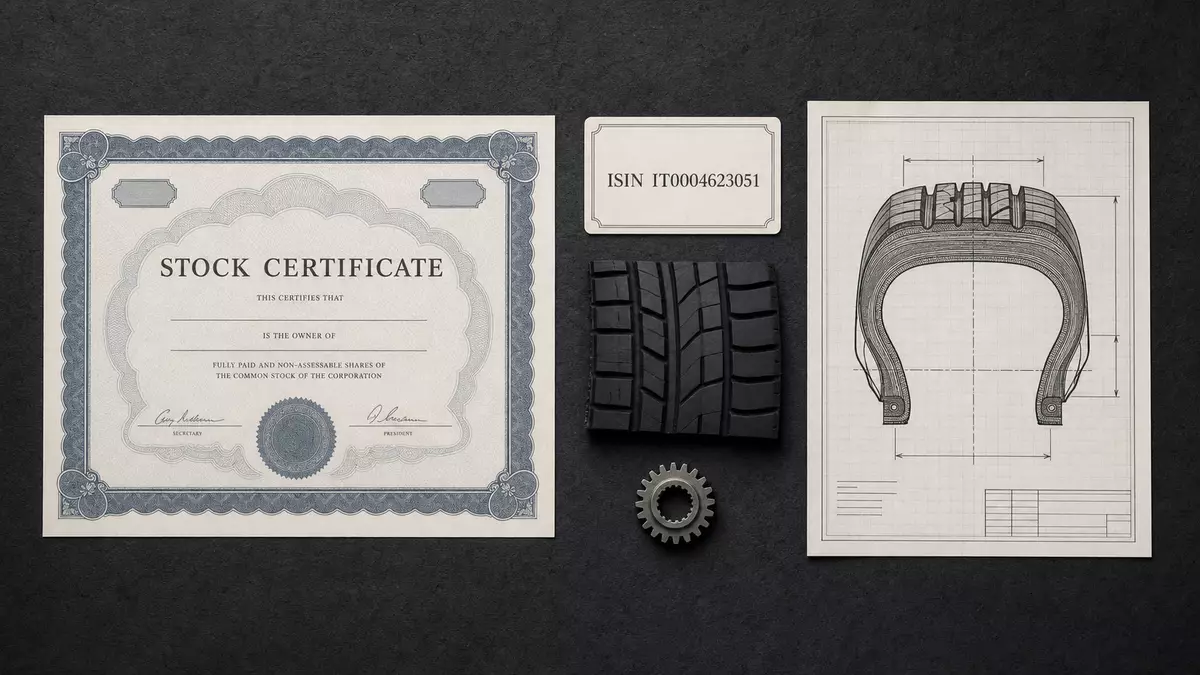
In the market, Pirelli stock trades on the primary Italian exchange under a ticker associated with its ISIN IT0004623051. Market data portals present daily closing prices, intraday moves, and volumes. A recent share price level can be compared with historical data such as the 52-week high and low to determine where the stock sits within its range. Investors often look at whether Pirelli trades closer to the high, suggesting confidence in growth and margins, or near the low, indicating concerns about macroeconomic or sector-specific risks.
Market capitalization, calculated by multiplying the share price by the number of shares outstanding, places Pirelli among mid-to-large-sized listed industrial companies in Europe. Recent data indicate market capitalization in the billions of euros, and this figure is compared with prior periods to see how valuation evolves over time. If the share price rises or falls significantly relative to earnings and revenue, the market capitalization comparison underscores changes in investor sentiment.
Technical indicators, such as moving averages, are used by some investors to gauge trend direction. Pirelli’s share price relative to commonly used moving averages, including fifty-day and two-hundred-day averages, can be compared to historical patterns. When the share price trades above longer-term moving averages, it may signal a positive trend, while trading below those averages may raise questions about momentum. These comparisons are part of the toolkit used alongside fundamental analysis.
Fact box: key data for Pirelli
The following fact box summarizes key elements of Pirelli’s listing, identity, and selected market metrics, providing a quick reference for investors who follow Pirelli stock and want to anchor the analysis in concrete data points.
Pirelli at a glance
- Company: Pirelli & C. S.p.A.
- ISIN: IT0004623051
- Ticker: MIL: PIRC
- Trading venue: Borsa Italiana (Milan)
- Price (as of 18 July 2026, 15:00 CET): EUR 5.00
- Market capitalization: EUR 5.0 billion (as of 18 July 2026)
- Sector / Industry: Consumer Discretionary / Tires and Rubber
- Index membership: FTSE Italia Mid Cap
- Next earnings date: 30 September 2026
Disclaimer regarding our articles: No investment advice, no buy or sell recommendation. Information on prices, companies, and markets is provided without guarantee; changes are possible at any time. Stock market transactions can lead to substantial losses. Our articles are created and reviewed in whole or in part automatically with the support of AI.