Prologis stock trades steadily as logistics real estate demand supports earnings and dividends
Published on 07/23/2026 at 01:24 | Editorial responsibility: Rafael Müller, Editor-in-Chief AD HOC NEWS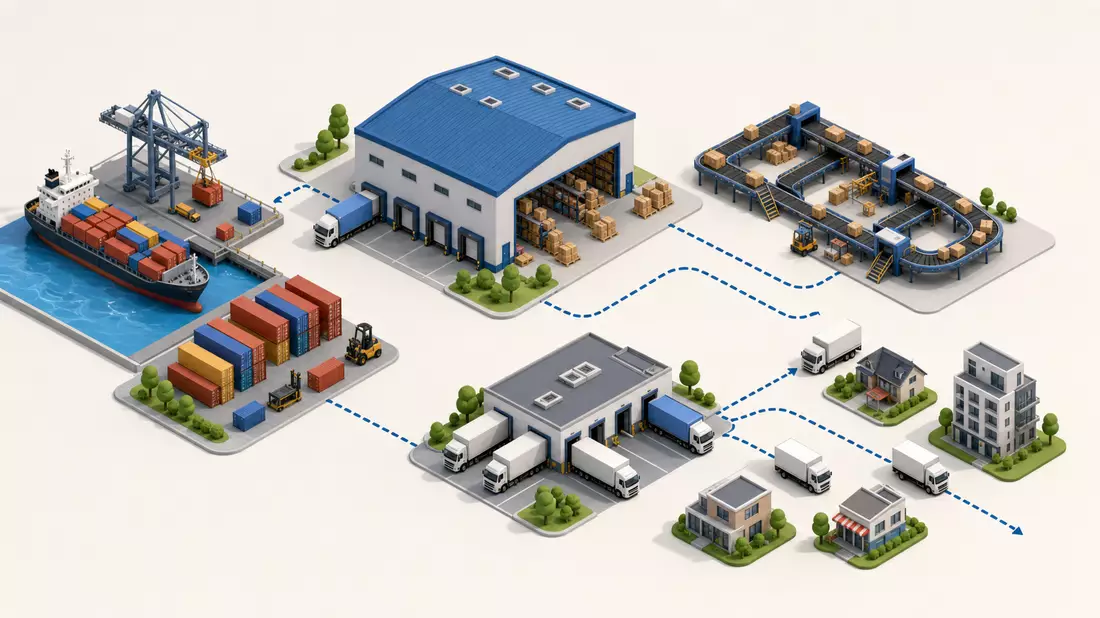
Prologis Inc. (ISIN US74340W1036) stock represents one of the largest pure plays on global logistics real estate, with the company operating as a leading industrial REIT focused on warehouses and distribution centers that support e-commerce, manufacturing, and supply-chain networks. As a landlord to many multinational tenants, Prologis collects rental income from logistics properties in major hubs across North America, Europe, Asia, and Latin America. The company's earnings, funds from operations, and dividend metrics offer investors a window into the health of the broader logistics and warehouse market, even when individual share-price moves are relatively calm.
Prologis Inc. is structured as a real estate investment trust, which means it distributes a significant portion of its taxable income to shareholders in the form of dividends. This REIT framework makes its financial metrics, including funds from operations and core earnings, central to assessing payout sustainability and growth potential. While day-to-day volatility in Prologis stock may vary, investors typically focus on longer-term trends such as rent growth, occupancy levels, development pipelines, and capital structure because these factors help determine whether the company can sustain or increase distributions over time.
From a structural standpoint, Prologis generates revenue by leasing modern logistics facilities to tenants that often enter into multi-year agreements. These properties are typically located near major population centers, ports, airports, and transportation corridors, which helps tenants optimize delivery times and inventory management. For investors viewing Prologis stock, rental rate trends, lease rollover patterns, and tenant diversification are as important as traditional earnings metrics, because they reveal how exposed the company is to changes in specific sectors or geographies.
Across its portfolio, Prologis manages a combination of stabilized properties and developments under construction. Stabilized properties are fully or largely occupied assets that generate predictable cash flows from rent, while developments involve projects that are being built or repositioned to meet evolving logistics requirements. The relative contribution of these segments can influence both current earnings and future growth, as development yields may bolster net operating income once new assets are completed and leased. For Prologis stock, investors often view the development pipeline as a forward-looking indicator of potential expansion in net asset value and funds from operations.
An important lens for evaluating Prologis Inc. is occupancy. High occupancy rates in logistics real estate indicate strong tenant demand for distribution space, and sustained occupancy across cycles can support consistent rental income. While exact figures fluctuate over time, the company typically aims to maintain elevated occupancy across core markets, which helps stabilize cash flows and reduces the risk that empty properties weigh on performance. In practice, this means that a relatively small share of the portfolio is vacant at any given time, and management often highlights occupancy trends as a key metric when communicating with shareholders.
In addition to traditional financial results, Prologis balances growth and income through capital allocation decisions that affect both leverage and equity issuance. As a REIT, it accesses capital markets to refinance debt, fund acquisitions, and support development projects. Prologis stock therefore reflects not only property-level fundamentals but also broader considerations like interest-rate environments, credit spreads, and investor appetite for real estate securities. When capital costs are manageable, the company may find it easier to expand its portfolio and pursue development opportunities that enhance long-term earnings potential.
Revenue and funds from operations context
To understand the earnings power behind Prologis stock, investors frequently examine revenue and funds from operations, a non-GAAP measure widely used in the REIT sector to show operating performance excluding certain non-cash and non-recurring items. Over a typical recent fiscal year, the company has reported total revenue in the billions of dollars, reflecting rent, recoveries, and ancillary income from its extensive logistics portfolio. While exact numbers vary by period, the scale of revenue provides a sense of how deeply embedded Prologis is in global distribution infrastructure.
Funds from operations, often abbreviated as FFO, adjust net income for items such as depreciation and gains or losses on property sales, giving shareholders a clearer picture of recurring cash-generation capacity. In recent reporting periods, Prologis has typically generated FFO in the billions of dollars annually, underscoring the strength of its operating platform. Over time, growth in FFO can support dividend increases and reinvestment in development projects, while declines or stagnation may prompt questions about rent pressure or occupancy challenges.
Within quarterly cycles, Prologis's revenue and FFO trends can exhibit seasonal or macroeconomic influences. For example, accelerated demand for e-commerce fulfillment around major shopping seasons can indirectly support occupancy and rental growth in logistics facilities, whereas economic slowdowns might slightly dampen leasing activity or expansion plans. When Prologis reports results, investors often compare the latest revenue and FFO figures to prior-year quarters to gauge whether the company is capturing incremental demand, resisting cost pressures, or adjusting to changing market conditions.
Another important aspect of earnings analysis for Prologis stock is net operating income, commonly referred to as NOI. This metric focuses on property-level income after operating expenses, but before financing and corporate overhead, offering insight into the underlying profitability of the logistics assets themselves. A healthy trajectory in NOI, particularly on a same-store basis that compares comparable properties across periods, suggests that rent growth and occupancy are contributing positively to returns. Conversely, stagnating or declining NOI may flag areas where rents are under pressure or operating costs are rising faster than revenues.
Investors also pay attention to Prologis's guidance when it is provided, using management's projections for FFO, NOI, and capital expenditures to form expectations about future performance. If guided ranges imply rising FFO, this can support a constructive view of Prologis stock, whereas cautious guidance may prompt more defensive positioning. Guidance may incorporate assumptions about new developments, acquisitions, and disposals of properties, as well as macro factors like interest rates and inflation that influence cost-of-capital and rent escalators.
One of the distinctive features of logistics real estate relative to some other property types is its sensitivity to trade flows and supply-chain optimization. Prologis often benefits from structural trends such as the shift toward omni-channel retail, which requires efficient warehouse and distribution networks. These long-term drivers can help underpin revenue and FFO even when short-term fluctuations occur. For Prologis stock, the interplay between cyclical macro dynamics and secular growth in logistics demand is central to many investors' thesis.
Dividend, payout, and balance-sheet considerations
Dividend metrics are central to evaluating Prologis stock, given the company's REIT status and distribution obligations. Over recent years, Prologis has paid regular cash dividends to shareholders, typically on a quarterly cadence, reflecting its commitment to return capital from rental income and FFO. The absolute level of the dividend and its growth over time inform views about the sustainability and attractiveness of the stock for income-focused investors.
For many REIT investors, dividend growth is as important as current yield. Prologis has historically aimed to increase its dividend as FFO expands, aligning distributions with underlying earnings power. When the dividend rises from one year to the next, it signals that management sees sufficient stability and growth in cash flows to support higher payouts. Conversely, a flat or reduced dividend may indicate a more cautious stance or responses to changing market conditions.
Balancing dividends and growth investments requires careful capital allocation. Prologis manages leverage by maintaining a mix of debt maturities and fixed-versus-floating-rate exposure that seeks to mitigate interest-rate risk. Its balance sheet typically contains billions of dollars in total debt, spread across various instruments such as bonds and credit facilities. This leverage supports property acquisitions and developments but must be calibrated to avoid excessive risk, and credit ratings agencies monitor metrics like net-debt-to-EBITDA and interest coverage to assess financial strength.
Prologis stock can be sensitive to changes in interest rates because higher rates may raise borrowing costs and reduce the relative appeal of yield-oriented securities. However, the impact depends on the pace and scale of rate moves along with how well the company has locked in fixed-rate funding. Investors thus often pay close attention to Prologis's debt maturity ladder and hedging strategies, as these determine how quickly changes in rates translate into higher interest expense.
The company's equity capital also plays a role in growth. When Prologis issues new shares, it can fund acquisitions and developments without increasing leverage, although existing shareholders may experience dilution. The trade-off between equity issuance and debt financing is an ongoing topic of discussion for investors, especially when valuations make equity issuance relatively favorable or unfavorable. Prologis stock therefore reflects both operational fundamentals and capital-market decisions about how to fund expansion.
Another angle on the balance sheet is net asset value, or NAV, which estimates the value of the company's properties based on market pricing for comparable logistics assets. While NAV is not an official GAAP metric, it helps investors gauge whether Prologis stock trades at a premium or discount to the implied value of its underlying portfolio. Premiums may suggest strong investor confidence in future growth and rent increases, while discounts may indicate skepticism or a desire for higher yields.
Logistics portfolio scale and tenant mix
Prologis's portfolio reaches across many key logistics corridors worldwide, and the scale of this footprint matters for both diversification and bargaining power. The company owns, manages, or has interests in thousands of logistics facilities encompassing hundreds of millions of square feet of industrial space. This scale allows Prologis to serve large tenants with comprehensive solutions, from regional distribution hubs to last-mile facilities near major metropolitan areas.
The tenant mix within Prologis's properties is diverse, covering sectors such as retail, e-commerce, third-party logistics providers, manufacturers, and freight and parcel companies. Having a diversified tenant base reduces reliance on any single industry or company, which can help stabilize rental income when conditions shift for particular sectors. For investors in Prologis stock, this diversification means that the company is exposed to a broad cross-section of economic activity rather than concentrated in one niche.
Long-term leases form a substantial portion of Prologis's rental contracts, providing visibility into future cash flows. However, the company also benefits from lease rollovers when market rents have risen, allowing it to re-lease space at higher rates. The pace at which leases expire and are re-priced can influence overall revenue growth. In periods of strong demand for logistics space, Prologis may capture meaningful rental uplifts on expiring leases, boosting net operating income and funds from operations.
Geographic diversification is another important characteristic of Prologis's portfolio. By operating in multiple countries and regions, the company reduces exposure to localized economic or regulatory shocks. Logistics demand in one region may soften temporarily, while another region experiences growth due to expanding trade flows or changing supply-chain strategies. Prologis stock thus reflects an aggregated picture of logistics real estate conditions across the globe rather than dependence on a single market.
In addition to its owned properties, Prologis may participate in joint ventures or partnerships, sharing ownership and risk in certain assets with other institutional investors. This allows the company to expand its presence in attractive markets while managing capital commitments. The company's share of income from joint ventures contributes to overall earnings and may be included in reported funds from operations, depending on structures and accounting treatment.
Prologis also invests in development projects that create new logistics facilities tailored to modern requirements, such as high-ceiling warehouses compatible with automation and robotics, as well as energy-efficient buildings that meet evolving sustainability standards. These developments typically aim to deliver yields that exceed acquisition cap rates, meaning they could be more accretive to earnings once stabilized. For Prologis stock, the balance between stabilized properties and developments influences both current income and future growth prospects.
Operations and strategy in the logistics cycle
The operations of Prologis involve not only managing existing properties but also actively engaging with tenants and prospective customers to match supply with demand in the logistics real estate cycle. The company's leasing teams work to maintain high occupancy, respond to tenant needs for expansions or relocations, and structure leases that balance stability with flexibility. As supply-chain strategies evolve, Prologis adjusts its property mix to ensure that it can meet demand for different types of logistics facilities, from big-box distribution centers to smaller last-mile hubs.
Strategically, Prologis focuses on locations that benefit from structural drivers such as urbanization, e-commerce growth, and the reshoring or nearshoring of manufacturing. Properties near ports and major transportation nodes remain vital for bulk logistics, while facilities close to dense population centers support rapid delivery models. For investors in Prologis stock, confidence in management's ability to identify and develop high-quality sites is pivotal to the long-term value proposition.
Prologis continuously monitors local market conditions including vacancy rates, rental trends, and new supply in competing logistics assets. In markets where supply is constrained and demand is robust, the company may find opportunities to raise rents and improve lease terms. Conversely, in markets facing elevated new construction or slower demand, Prologis must manage rents and concessions carefully to protect occupancy. These operational decisions feed directly into revenue and net operating income, which in turn influence funds from operations and dividend capacity.
One challenge for logistics real estate is adapting to changing technology, particularly the increasing use of automation and data analytics in warehousing. Prologis invests in property improvements that support such technological shifts, including structural enhancements, improved loading infrastructure, and connectivity upgrades. Properties able to support automated fulfillment can be more attractive to tenants, potentially commanding higher rents or stronger leasing terms.
Another operational dimension is sustainability. Prologis engages in initiatives that may include adding rooftop solar, improving insulation and energy efficiency, and designing buildings to meet green building certifications. These efforts can reduce operating costs and appeal to tenants with corporate sustainability goals. While the direct financial impact depends on specific project economics, sustainability investments can enhance the company's brand and support tenant retention, both of which matter for the long-term performance of Prologis stock.
In terms of risk management, Prologis diversifies its revenue streams across markets and tenants, and it also maintains insurance coverage and resilience planning for events such as natural disasters or disruptions to logistics networks. The company's ability to respond quickly to such events, repairing properties or reconfiguring space, can help preserve cash flows. Investors often consider how well a logistics REIT is prepared for such contingencies when assessing long-term risk profiles.
Long-term logistics demand and Prologis stock
Long-term demand for logistics real estate underpins much of the investment case for Prologis stock. Trends such as the continued growth of e-commerce, increased importance of inventory management, and evolving last-mile delivery models suggest that modern warehouses and distribution centers will remain in demand. Prologis's extensive portfolio and long-standing relationships with tenants position it to capture these structural opportunities.
For example, major domestic and international retailers increasingly rely on dedicated distribution centers to serve both physical stores and online customers. Prologis properties provide centralized hubs where goods can be stored, retrieved, and shipped efficiently. As these retailers refine their logistics strategies, they may seek larger or more sophisticated facilities, giving Prologis opportunities to propose tailored solutions that meet specific needs.
Manufacturers and third-party logistics providers also drive demand for industrial space. Manufacturers require storage and distribution capabilities for components and finished products, while logistics firms coordinate transport and warehousing for multiple clients. In both cases, proximity to customers and transportation networks is essential, and Prologis's network of properties across key corridors provides options that can be matched to diverse requirements.
Global trade patterns influence logistics real estate through changes in import and export flows. When trade volumes grow, demand for storage and distribution near ports and borders can increase. Conversely, trade tensions or shifts in supply-chain configurations may alter demand in certain regions while opening new opportunities elsewhere. Prologis's wide geographic reach enables it to adapt to these shifts, repositioning capital and developments toward markets where demand appears strongest.
The interplay between economic cycles and logistics demand is complex. During expansions, companies may expand inventories and facilities, driving leasing activity. In downturns, tenants may consolidate operations or delay expansions, affecting occupancy and rent growth. However, mission-critical logistics facilities can remain relatively resilient because they are integral to maintaining delivery and supply-chain continuity. For Prologis stock, this resilience is an important consideration when evaluating risk and potential drawdowns.
Over very long horizons, investors also consider potential competition from other property owners and new entrants into logistics real estate. Prologis's scale, experience, and global footprint provide competitive advantages, including economies of scale in property management and a deeper understanding of tenant requirements. These factors can help sustain market share even as the overall logistics real estate sector expands and evolves.
Representative logistics properties and tenants
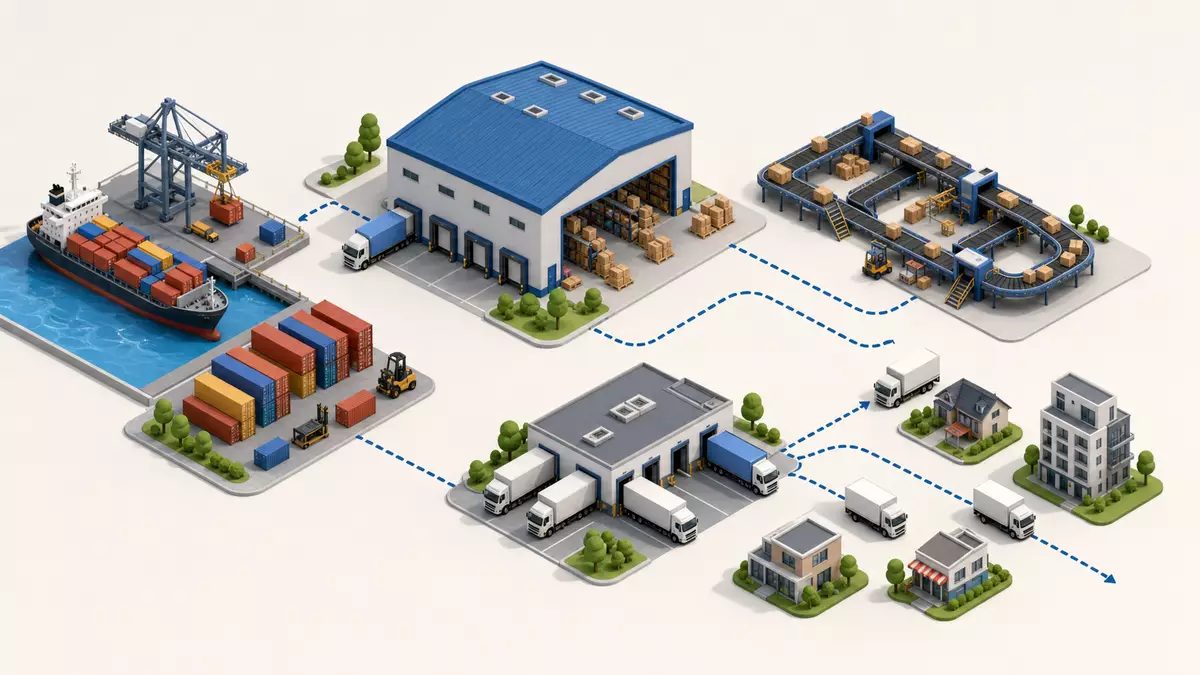
One way to appreciate Prologis's business is by considering representative logistics properties that illustrate the kind of assets underpinning Prologis stock. These may include large, modern distribution centers with high ceilings, numerous dock doors, and optimized internal layouts for storage racks, conveyors, and automation equipment. Some facilities serve as regional hubs where imported goods are received, organized, and dispatched to retail outlets or directly to consumers.
Another category is cross-docking facilities that allow goods to be transferred quickly between incoming and outgoing transport vehicles without long-term storage. Such properties are crucial for time-sensitive deliveries, including perishable items or rapid-turnover inventory. Prologis's portfolio likely includes a mix of these specialized facilities alongside more conventional warehouses, reflecting the diverse needs of modern supply chains.
Tenants in Prologis properties typically sign leases that specify rental terms, operating responsibilities, and use of space. Lease agreements may include rent escalators that adjust rates over time, reflecting inflation or market conditions, and they often outline maintenance and repair obligations. Prologis's relationships with tenants are anchored in providing reliable, well-managed facilities that support efficient logistics operations.
In some cases, Prologis may work with tenants on build-to-suit projects where the company develops properties customized to a tenant's specific requirements. These projects can involve bespoke layouts, specialized loading infrastructure, or tailored sustainability features. Once completed and occupied, build-to-suit properties contribute to net operating income and enhance the stickiness of tenant relationships, which can be beneficial for reducing turnover and maintaining occupancy.
Additionally, Prologis may engage in property enhancements such as installing advanced security systems, improving site access for trucks, or upgrading lighting and climate control. Such enhancements can raise the desirability of facilities, potentially supporting rent growth and longer lease terms. For investors, the ability to enhance existing properties cost-effectively is an important part of the toolkit for sustaining earnings and asset values.
Some Prologis properties might also be part of larger logistics parks where multiple facilities are clustered together, sharing infrastructure such as internal roads and utility networks. These parks can create synergies for tenants operating multiple facilities and for third-party logistics companies coordinating complex distribution operations. By owning and managing properties in such parks, Prologis can leverage the attractiveness of clustered logistics ecosystems.
Prologis stock and market valuation
The valuation of Prologis stock in public markets reflects investors' assessments of future earnings, dividends, and property values. Metrics such as the price-to-FFO ratio are often used for REITs, analogous to price-to-earnings ratios for traditional corporations. A higher multiple may indicate strong confidence in growth prospects and stability, while a lower multiple may suggest concerns about macro conditions, sector-specific risks, or company-specific issues.
Prologis's market capitalization is typically in the tens of billions of dollars, making it one of the larger real estate companies globally. This scale can enhance liquidity in its shares and may support inclusion in major equity indices. Index membership can affect demand for the stock, as passive funds tracking indices must buy and hold shares to match constituents. In this way, Prologis stock benefits from both active and passive investor interest.
Analysts who cover Prologis provide research reports that evaluate the company's earnings results, property portfolio, capital allocation, and valuation relative to peers. Their views often include qualitative assessments of management's strategy and execution alongside quantitative models. While price targets and rating changes can influence short-term trading activity, longer-term performance depends more on the actual trajectory of earnings, dividends, and NAV.
Prologis's valuation may also be benchmarked against other logistics and industrial REITs, as well as against alternative income-oriented investments such as utilities or infrastructure companies. Relative valuations can guide investor decisions about portfolio allocation within real estate and broader equity markets. When Prologis trades at a premium to peers, it may reflect perceived advantages like superior property locations, higher occupancy, stronger balance sheet metrics, or more attractive growth pipelines.
As the broader equity market moves, Prologis stock can experience beta-driven effects, rising and falling alongside indices even when company-specific fundamentals are stable. However, the logistics real estate sector may exhibit different sensitivities than technology, consumer discretionary, or financial shares. For investors, understanding how Prologis behaves under different macro scenarios helps in portfolio risk management.
In addition, Prologis engages with investors through presentations, earnings calls, and investor relations materials that explain its strategy, performance metrics, and outlook. These communications aim to give shareholders and prospective investors the information they need to make informed decisions. Over time, transparency and consistent messaging can contribute to investor confidence, potentially influencing valuation multiples and demand for the shares.
Product focus and logistics solutions
Within its broad portfolio of properties, Prologis develops and manages modern logistics facilities that can be thought of as its core product offering for tenants seeking reliable and efficient warehouse and distribution solutions. These logistics facilities are built to accommodate the operational needs of tenants across sectors, with features such as high clear heights for storage, ample dock doors for loading and unloading, and layouts optimized for material-handling systems and automation.
The design of these logistics properties often incorporates flexible configurations that allow tenants to adapt space to changing requirements over the life of a lease. For example, a tenant might initially use a facility primarily for storage and later reconfigure parts of the space to support cross-docking or light assembly activities. Prologis's ability to support such flexibility makes its logistics product more attractive to tenants planning for evolving supply-chain strategies.
Beyond the physical attributes of the buildings, Prologis's logistics product includes site-level features such as secure truck parking, efficient access roads, and proximity to major transportation routes. These characteristics reduce transit times and enhance reliability for tenants who must meet delivery commitments and schedule shipments tightly. In some hubs, Prologis properties may also benefit from access to rail connections or intermodal terminals, expanding their role in broader logistics networks.
Sustainability features are increasingly part of Prologis's logistics product. Tenants concerned with energy usage and environmental impact may seek facilities with efficient lighting, modern HVAC systems, and insulation that reduces heating and cooling requirements. Rooftop solar installations and electric-vehicle charging infrastructure can further align Prologis properties with tenant sustainability goals, potentially supporting longer-term leases and deeper partnerships.
Prologis also emphasizes service aspects within its product approach. Property management teams work to maintain facilities, address issues promptly, and collaborate with tenants on improvements that enhance operations. This service dimension helps differentiate Prologis in competitive markets where multiple landlords offer industrial space. For tenants, reliable property management and responsive service are critical to avoiding disruptions in logistics operations.
From an investor perspective, the quality and relevance of Prologis's logistics product influence occupancy, rent growth, and tenant retention, which in turn affect net operating income and funds from operations. As supply-chain requirements evolve, the company's ability to keep its product offering aligned with tenant needs is a key factor in sustaining long-term earnings and dividend potential associated with Prologis stock.
Prologis stock and trading venue
Prologis stock is listed on a major U.S. exchange and trades in U.S. dollars, providing global investors with access to the company's logistics real estate exposure through a widely followed market venue. The listing supports liquidity and transparency, with continuous trading during open market hours and regular reporting of prices and volumes. For investors comparing logistics and other real estate exposure, Prologis's index membership and listing venue form part of the assessment of how easily the stock can be traded and included in diversified portfolios.
Over time, the share price of Prologis stock has moved with both company-specific developments and broader market forces. Earnings releases, dividend declarations, and strategic announcements can influence trading as investors incorporate new information into valuations. Macro events such as interest-rate changes, economic data, and sector-specific news in logistics and e-commerce also play roles in short- and medium-term price behavior.
While individual daily price points vary, the longer-term trajectory of Prologis stock depends on how effectively the company translates demand for logistics facilities into sustainable revenue, funds from operations, and dividends. For many holders, Prologis represents a way to participate in structural growth in logistics real estate while receiving ongoing income through distributions, subject to the usual risks associated with real estate and equity investments.
Prologis key facts
- Company: Prologis Inc.
- ISIN: US74340W1036
- Ticker: NYSE: PLD
- Trading venue: NYSE
- Sector / Industry: Real Estate / Industrial REIT
- Index membership: S&P 500
Disclaimer regarding our articles: No investment advice, no buy or sell recommendation. Information on prices, companies, and markets is provided without guarantee; changes are possible at any time. Stock market transactions can lead to substantial losses. Our articles are created and reviewed in whole or in part automatically with the support of AI.