Puratos Fined £120,000 Over Hazardous Dust Exposure in Bakery
Published on 07/21/2026 at 18:08 | Redaktion boerse-global.de
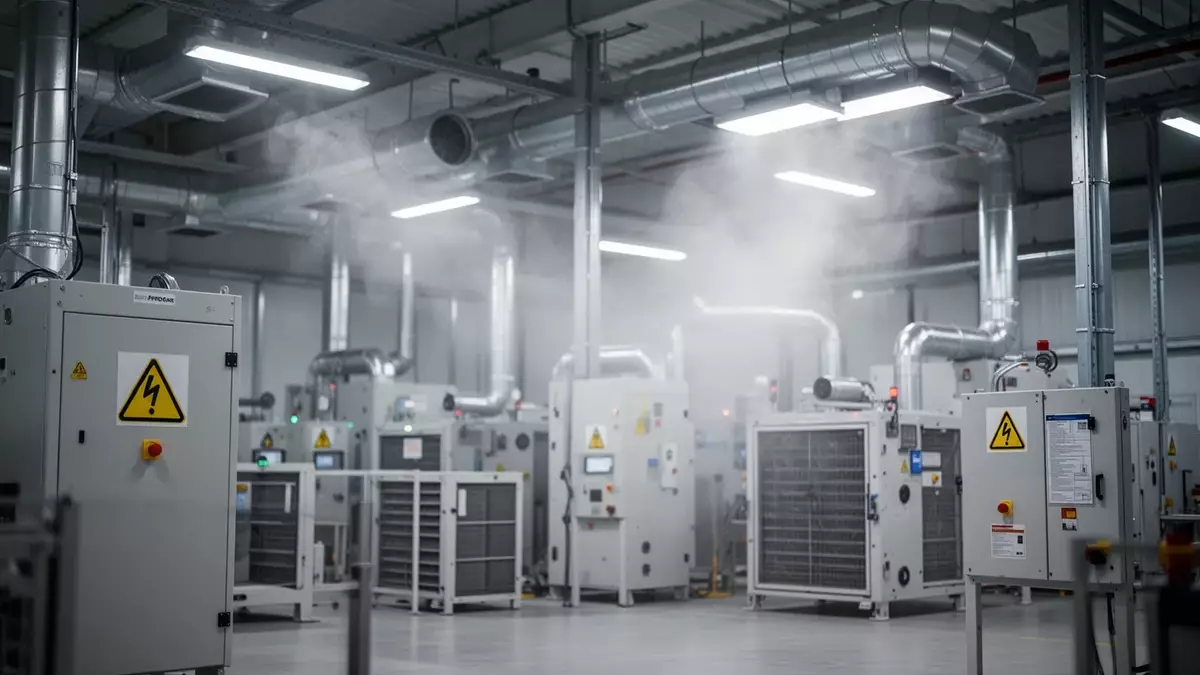
A UK-based bakery operation has been handed a £120,000 fine after safety inspectors uncovered serious breaches linked to dangerous dust exposure in the workplace. The penalty, imposed on Puratos on July 21, 2026, follows an investigation that found the company in violation of the Workplace (Health, Safety and Welfare) Regulations 1992.
The case highlights growing regulatory scrutiny of industrial air quality and respiratory health. Under the 1992 regulations, employers must maintain adequate ventilation, lighting, and cleanliness, alongside specific temperature requirements — a minimum of 16°C, or 13°C for physically demanding work. Breaches are treated as criminal offences, with magistrates' courts able to impose fines of up to £20,000 and Crown Courts facing no upper limit on penalties. The Health and Safety Executive (HSE) issued more than 9,000 enforcement notices during the 2022/23 period alone, underscoring the regulator's active enforcement stance.
With HSE enforcement activity at a high, having the right documentation in place is essential. A free toolkit provides 41 ready-to-use risk assessment templates and checklists covering fire safety, manual handling, first aid, and lone working — everything you need to stay compliant. Download the free Risk Assessment Toolkit
Stone Fabrication Sector Steps Up Silica Dust Fight
Efforts to tackle respirable crystalline silica (RCS) — a leading cause of silicosis, lung cancer, and chronic obstructive pulmonary disease (COPD) — are intensifying across the stone fabrication industry. The Worktop Fabricators Federation (WFF) has launched a new Accreditation Quality Mark and is promoting a safety campaign focused on eliminating dry cutting and preventing dust from being carried from workplaces into workers' homes.
The WFF is also urging retailers to adopt responsible procurement practices by vetting suppliers on their dust control measures. While around 2.3 million workers in the United States are exposed to silica dust annually, research from the National Institute for Occupational Safety and Health (NIOSH) indicates that investment in dust control pays off — every $1 spent can save $5 in healthcare costs and lost productivity.
Global Dust Control Standards and Rising Costs
Across the Atlantic, the US Occupational Safety and Health Administration (OSHA) has updated its penalty structure for 2026. Serious violations now carry maximum fines of $16,550, while willful or repeat breaches can attract penalties of up to $165,514.
OSHA mandates specific protective systems for trenching at depths of five feet and requires documented hazard assessments for personal protective equipment (PPE) under 29 CFR 1910.132. Although a standalone written PPE programme is not universally required, safety experts recommend one to ensure compliance with training and procedural obligations.
The global industrial dust control market is projected to grow from an estimated $17.11 billion in 2025 to $22.21 billion by 2032. Growth is being driven by the adoption of high-efficiency particulate air (HEPA) filters, which trap 99.97% of particles as small as 0.3 microns, and the increasing use of automated dust suppression in mining. More than 70% of mining operations now use automated systems, including water-based suppression and foam additives, cutting airborne dust by up to 90%.
Dust isn't the only hazardous substance that needs careful management at work. A free COSHH toolkit gives you 43 fully customisable templates, checklists and toolbox talks to help you meet your legal duties for assessing and controlling dangerous substances. Get the free COSHH Toolkit
Infrastructure Projects Face Dust Complaints
Industrial dust management is also becoming a flashpoint for major infrastructure projects. Near Lincoln, the construction of the North Hykeham Relief Road — a five-mile dual carriageway — has sparked complaints from residents reporting dust entering their homes during dry weather.
In response, contractor Balfour Beatty has announced plans to install a 20-foot-high barrier fitted with misting curtains to reduce dust migration. The relief road is scheduled for completion in 2029.
Disclaimer regarding our articles: No investment advice, no buy or sell recommendation. Information on prices, companies, and markets is provided without guarantee; changes are possible at any time. Stock market transactions can lead to substantial losses. Our articles are created and reviewed in whole or in part automatically with the support of AI.