RWE Builds Germany’s Biggest Battery at a Decommissioned Nuclear Plant – and Barclays Sees 22% Upside
Published on 05/30/2026 at 16:43 | Redaktion boerse-global.de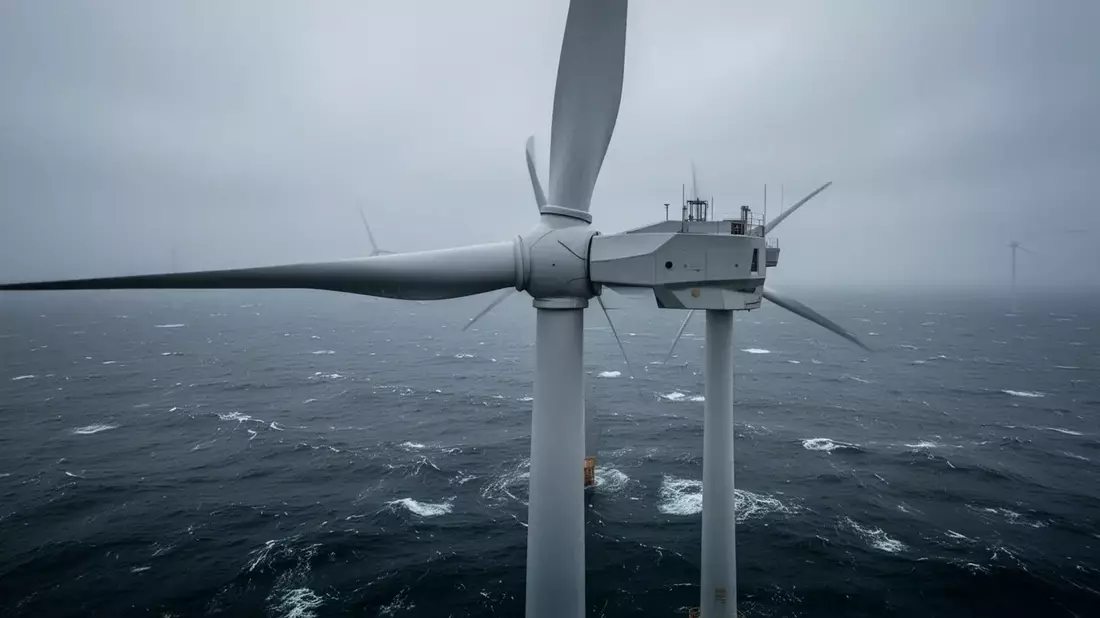
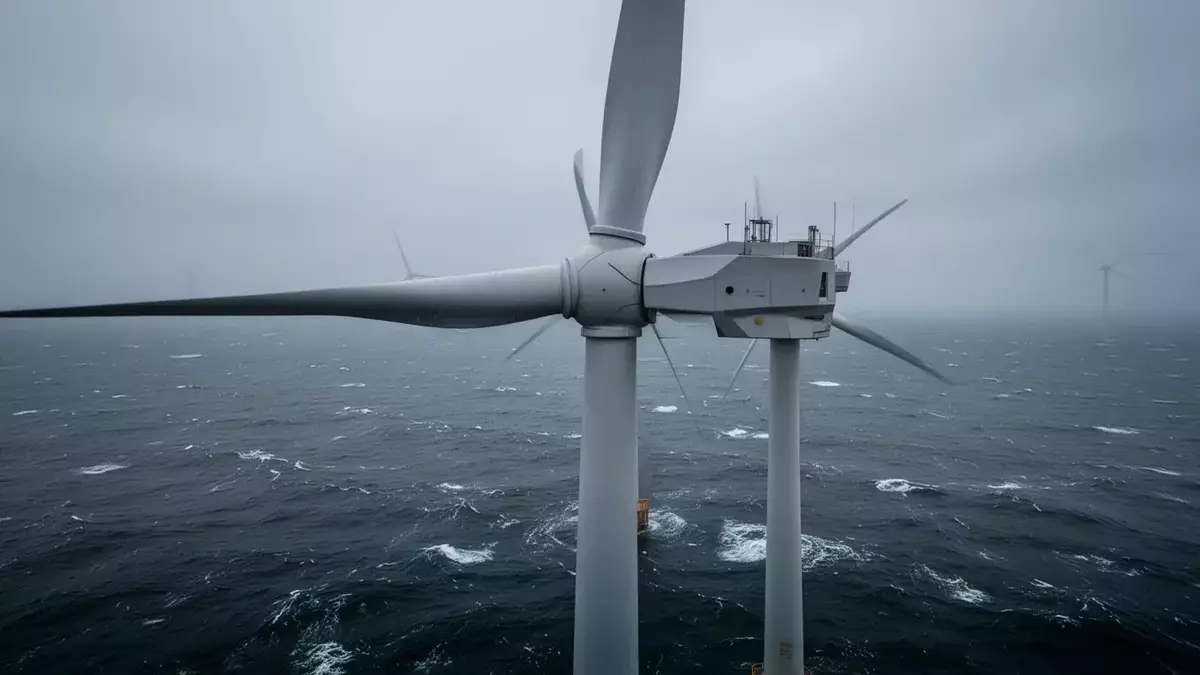
Germany’s wind power fleet is generating no more electricity today than it did five years ago – despite the addition of 14 gigawatts of capacity since 2020. That paradox, laid bare by data from the RWI Leibniz Institute on 29 May 2026, is forcing the country’s biggest utilities to rethink their strategies. Onshore wind produced just 106 terawatt-hours in 2025, essentially flat since the start of the decade, as a runaway solar boom saturates midday grids and forces turbines to shut down. The term analysts use is “cannibalisation”: more capacity but not more output. RWE’s answer is flexibility – and it is building the largest battery storage facility in German history to deliver it.
At the site of the decommissioned Gundremmingen nuclear power plant in Bavaria – where the cooling towers were demolished only last October – construction is now underway on a 400-megawatt, 700-megawatt-hour storage complex. More than 200 containers housing roughly 850,000 lithium-iron-phosphate battery cells will absorb surplus renewable energy during peak solar hours and feed it back into the grid when the wind is slack or the sun is down. Commissioning is scheduled for early 2027. The location is symbolically potent: where once a baseload reactor stood, a fleet of fast-response batteries will now serve a grid that grows more volatile by the year.
The urgency of such projects is not lost on the investment community. Barclays Capital reiterated its “Overweight” rating on RWE on 29 May, setting a price target of €66 – about 22% above Friday’s closing price of €54.20. Analyst Peter Crampton sees the potential expansion of RWE’s stake in grid operator Amprion as a key strategic lever, even if capital constraints at partners such as Apollo limit near-term manoeuvring room. The consensus analyst target sits at just over €63, signalling broad support for the company’s direction. RWE’s shares have still gained 65% over the past twelve months, although they have slipped roughly 10% in the last 30 days and now trade about 6% below their 50-day moving average. The 52-week high of €61.70, reached in late April, is roughly 12% above current levels.
Should investors sell immediately? Or is it worth buying Rwe?
Technical signals, however, have turned cautious. An “expansion pivot short” pattern identified on Thursday points to near-term headwinds, and the psychologically important €60 level remains the next concrete upside target. Still, other major banks are also bullish: JPMorgan and UBS maintain predominantly positive calls on the stock. While rivals such as TotalEnergies appear to be retreating from certain German offshore wind projects, RWE is doubling down on a blend of generation and flexibility. The Gundremmingen battery is only the most visible example; the company’s pursuit of a larger Amprion stake suggests it sees grid infrastructure and storage as equally critical to its future as new wind and solar farms. Whether this bet pays off will become clearer once the 400-megawatt complex begins commercial operations in early 2027 – and when RWE fleshes out its Amprion ambitions in the months ahead.
Ad
Rwe Stock: New Analysis - 30 May
Fresh Rwe information released. What's the impact for investors? Our latest independent report examines recent figures and market trends.
Disclaimer regarding our articles: No investment advice, no buy or sell recommendation. Information on prices, companies, and markets is provided without guarantee; changes are possible at any time. Stock market transactions can lead to substantial losses. Our articles are created and reviewed in whole or in part automatically with the support of AI.