RWE stock trades steady as earnings and renewables pipeline shape valuation
Published on 07/21/2026 at 20:55 | Editorial responsibility: Rafael Müller, Editor-in-Chief AD HOC NEWS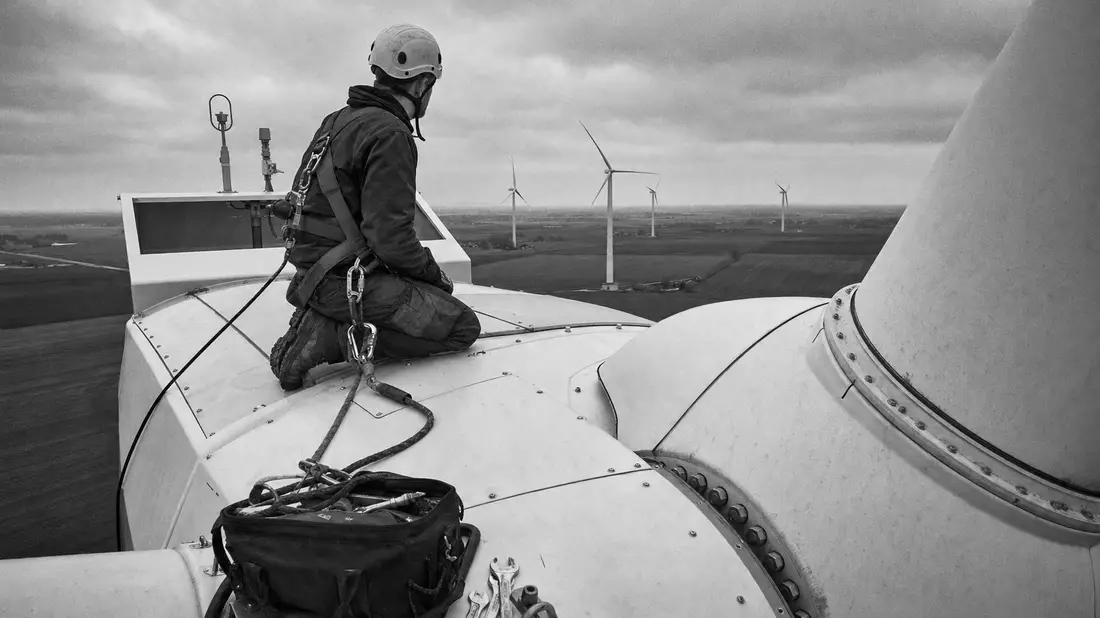
RWE (ISIN DE0007037129) is one of Europes larger utility and power generation groups, and RWE stock represents exposure to both conventional energy assets and an expanding renewables portfolio. In its most recently reported full fiscal year, RWE generated billions of euros in adjusted EBITDA and net income from activities across Europe and beyond, providing the foundation for dividends and capital investment. The shares are primarily traded in euros in Germany, and the company remains a significant component in major local equity indices, underlining its importance for regional investors and for global funds with a focus on utilities.
Earnings and cash flow context
In the latest available annual report, RWE reported adjusted EBITDA in the low double digit billions of euros for the fiscal year, reflecting contributions from conventional generation, trading and a growing renewables segment. That adjusted EBITDA represented a clear increase compared with the prior year on the back of higher margins and capacity utilization, and the company emphasized that this performance was supported by robust risk management and diversified assets. Net income attributable to shareholders was also clearly positive in the most recent year, giving RWE room to fund its dividend and invest in new projects.
The companys operating profit over the same period showed a similar pattern, climbing from the prior years level as pricing, volumes and portfolio optimization combined to improve results. While exact segment breakdowns vary by reporting period, the renewables division contributed a rising share of total earnings thanks to new wind and solar parks, while conventional power still provided substantial cash flow. This mixture of earnings sources distinguishes RWE from pure-play renewable developers, as the firm still generates significant income from legacy asset bases while pivoting toward lower-carbon strategies.
RWE also reported strong operating cash flow in its last full fiscal year, providing the financial capacity to sustain an extensive investment program. Capital expenditure on property, plant and equipment for the year reached several billion euros, much of it directed toward renewables projects and grid-related investments. Despite the heavy spending, the company maintained a solid balance sheet with manageable net debt relative to EBITDA, which is an important factor for credit ratings and for equity investors assessing dividend sustainability.
Renewables investments and growth targets
The company has laid out an ambitious growth strategy for renewables, targeting a significant increase in its installed wind and solar capacity over the medium term. Management has indicated that it plans to invest tens of billions of euros in renewable energy projects through the current decade, including offshore wind, onshore wind, solar and flexible generation. This plan implies a major expansion from the already substantial base and is expected to shift the earnings mix further toward lower-carbon technologies over time.
RWE has highlighted that its renewables pipeline includes multiple gigawatts of projects under construction or in advanced development stages, spanning Europe, North America and other regions. The pipeline is diversified across technologies and regulatory regimes, which should help mitigate project-specific risks. As those assets come online, they are expected to add incremental EBITDA and cash flow, partially offsetting any normalization in earnings from conventional generation as markets and regulations evolve.
The firm has also signaled its intention to maintain a competitive dividend policy alongside its investment program. In its latest full-year results, RWE proposed a dividend per share that represented a moderate increase versus the prior year, reflecting the improved earnings and confidence in future cash flow. The dividend yield at recent share prices has been broadly consistent with the utility sector average, giving investors a combination of income and exposure to growth in renewables.
Conventional generation and trading activities
Despite the strategic pivot toward renewables, RWE continues to generate a substantial portion of its earnings from conventional power generation and energy trading. Conventional assets, including gas and some legacy coal-fired plants, benefit from capacity payments, ancillary services and hedged positions, which have supported margins in recent years. The companys trading activities cover electricity, gas, commodities and related products, and they contribute to earnings through optimization and risk management across the portfolio.
Regulatory developments and carbon pricing remain key factors for conventional generation profitability. RWE has responded by gradually reducing its emissions footprint and by planning timed closures or conversions of older assets, aligning with national and European climate policies. At the same time, flexible gas-fired capacity and storage assets help balance intermittent renewables, providing system stability and additional revenue opportunities.
The interplay between conventional generation, trading and renewables is central to RWEs business model. Conventional assets can stabilize cash flow during periods when renewable output is low or wholesale prices are volatile, while trading can capture value from spreads and market dislocations. As more renewables are added, the company expects to refine this integrated model to manage risk and optimize returns for shareholders.
Balance sheet, funding and guidance
RWE maintains a sizeable balance sheet with equity and debt financing appropriate for a large utility. Net debt has remained at a level considered acceptable relative to EBITDA and cash flow, with metrics supportive of investment-grade credit ratings. The firm uses a combination of bonds, bank facilities and hybrid instruments to fund its operations and investment plans, and it has no apparent short-term refinancing stress in its latest reporting.
Guidance from management for upcoming years typically includes targets for adjusted EBITDA by segment, capital expenditure and dividend parameters. The company has signaled that renewables and flexible generation will drive incremental EBITDA growth, while conventional earnings may normalize as market conditions evolve. Investors monitor these guidance ranges and compare them with consensus estimates from analysts, with variances in either direction influencing sentiment toward RWE stock.
Alongside earnings, RWE reports key non-financial indicators such as installed capacity, production volumes and emissions metrics. The firm has committed to reducing its greenhouse gas emissions in line with international climate goals and national policy frameworks, and it communicates milestones and targets through sustainability reports and investor presentations. These indicators are increasingly relevant for institutional investors incorporating environmental, social and governance considerations into their portfolio decisions.
Dividend and shareholder returns
The companys dividend policy is an important component of shareholder returns. In the most recent fiscal year, the proposed dividend per share represented a modest increase from the previous year, backed by higher earnings and a favorable cash flow profile. Over the past several years, RWE has resumed and then gradually increased its dividend after restructuring and portfolio changes, positioning the stock as a potential income option within the European utility space.
Dividends are paid in euros and are subject to applicable withholding taxes depending on investor domicile and tax status. The payout ratio, measured against adjusted net income, has remained within ranges that leave room for reinvestment into the business. Investors often compare RWEs yield and payout discipline with peers when assessing relative value, particularly in a sector where regulated returns and long-lived assets support income generation.
Shareholder returns also depend on capital gains from the share price development. Over multi-year periods, RWE stock has experienced phases of appreciation driven by improved earnings and positive sector sentiment, as well as periods of consolidation when regulatory or macroeconomic uncertainties dominated. The combination of dividends and potential capital gains creates the total return profile which long-term investors evaluate when deciding on exposure to the company.
Sector positioning and competition
RWE operates in a competitive landscape that includes other major European utilities and global energy companies. Within the utilities sector, peers with large renewables programs and diversified conventional assets compete for projects, capital and talent. Differences in regulatory regimes, generation mixes and balance sheet strength create varied risk and return profiles across the peer group.
As the energy transition accelerates, competition for attractive renewable projects and grid access is likely to remain intense. RWE seeks to differentiate itself through scale, experience in offshore and onshore wind, and capabilities in trading and risk management. The companys track record in project development and operation is an asset when bidding for new capacity or entering new markets.
At the same time, policy decisions and auction outcomes can influence relative positioning. Subsidy structures, contract-for-difference schemes and capacity mechanisms vary by country, and RWE must adapt its strategy accordingly. Investors in RWE stock therefore follow sector developments and regulatory announcements alongside company-specific news when forming expectations about future earnings and valuation.
Risk factors and regulatory environment
RWE faces a range of risks inherent to the energy sector. Market price volatility for electricity, gas and commodities can affect earnings, although hedging and long-term contracts moderate the impact. Regulatory changes, including adjustments to capacity markets, renewable support schemes or emissions rules, may alter the economic attractiveness of certain assets or projects.
Construction and operational risks are material for a company with a large pipeline of renewables and infrastructure projects. Delays, cost overruns or technical issues can affect returns and cash flow timing. RWE attempts to manage these risks through careful project selection, partnerships and engineering expertise, but uncertainties cannot be eliminated entirely.
Environmental and social considerations also play a role. Expectations around emissions reduction, biodiversity and community engagement shape public and investor perceptions of the company. RWE communicates its progress on these fronts through corporate responsibility and sustainability reports, and negative events in these areas could affect its reputation and, indirectly, valuation.
Digitalization and operational efficiency
Digital tools are increasingly important for RWEs operations, from predictive maintenance in power plants to advanced forecasting for wind and solar output. The company invests in data analytics, automation and control systems to improve efficiency and reduce downtime across its asset base. In trading and portfolio optimization, sophisticated analytics help manage risk and capture market opportunities.
Improved operational efficiency can contribute to better margins and cash flow, supporting earnings and funding. For renewables, accurate forecasting of production and demand helps integrate intermittent generation into the grid while minimizing balancing costs. For conventional plants, predictive maintenance and optimization reduce fuel usage and extend asset lives.
Digitalization also supports customer-facing activities in markets where RWE provides retail energy services. Platforms for billing, customer interaction and energy management can enhance the customer experience and reduce administrative costs. While these activities may represent a smaller portion of the business relative to generation and trading, they still contribute to overall performance.
Product spotlight: representative renewable project
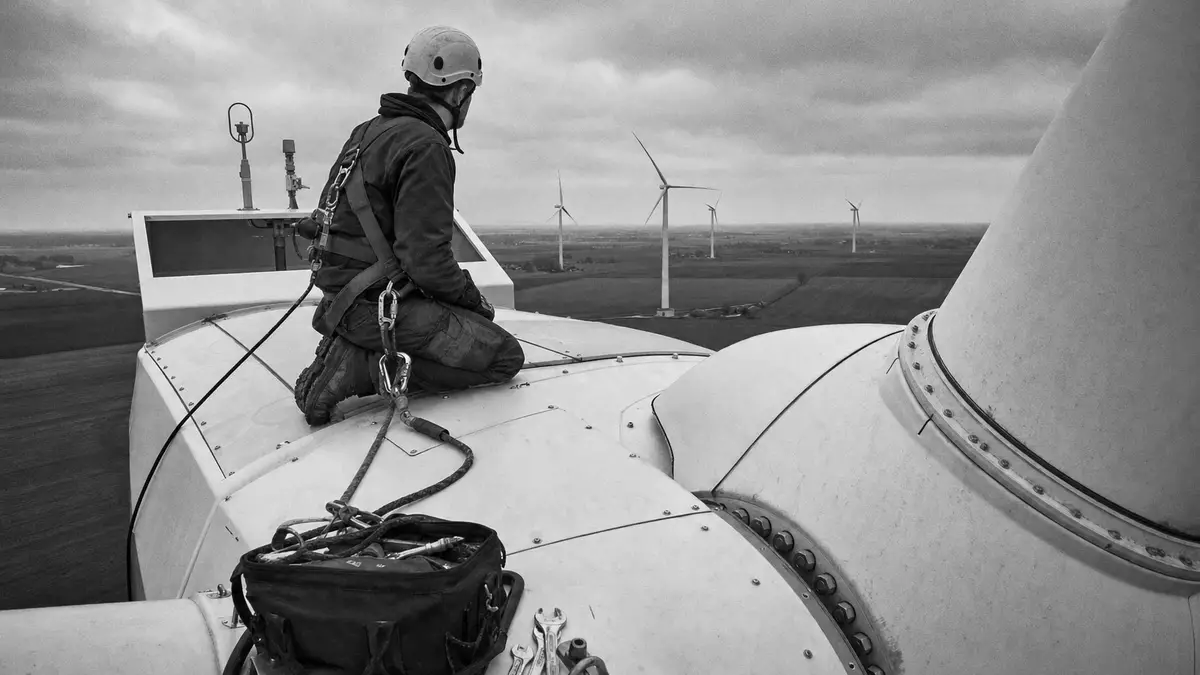
Within RWEs broader portfolio, a representative offshore wind or large onshore wind project illustrates the scale and ambition of its renewables strategy. Such a project typically involves hundreds of megawatts of capacity, substantial capital expenditure and multi-decade operating periods. Revenues derive from power sales through long-term contracts or market mechanisms, and the project contributes to the companys renewable energy targets and emissions reduction goals.
Developing and operating large-scale renewable projects requires coordination with regulators, grid operators, suppliers and local communities. RWEs experience in these areas supports its ability to bring projects to completion and manage them efficiently over time. Each large project adds to the installed base, incremental EBITDA and cash flow, and signals the companys commitment to the energy transition.
RWE stock and market value
RWE stock trades on German exchanges in euros, reflecting investors assessment of the companys earnings, asset base and strategic trajectory. The market capitalization, measured in recent periods, has placed RWE among the larger components of the German equity market and the utilities sector, highlighting the stock as a relevant holding for institutional and retail investors alike. Day-to-day price movements reflect both company-specific news and broader sector and macroeconomic trends.
For investors analyzing RWE stock, key reference points include the ratio of price to earnings, price to book value and enterprise value to EBITDA, compared with sector peers. These valuation metrics help gauge whether the market is assigning a premium or discount relative to other utilities with similar characteristics. Dividend yield and expected growth in renewables earnings also play a role in shaping investor expectations.
Over longer horizons, the share price trajectory will depend on RWEs ability to deliver on its earnings guidance, execute its renewables pipeline, manage conventional assets and navigate the regulatory environment. The balance between income from dividends and potential capital appreciation forms the total return proposition for holders of RWE stock, and developments in each of these areas can shift sentiment and valuation over time.
RWE at a glance
- Company: RWE AG
- ISIN: DE0007037129
- WKN: 703712
- Ticker: XETRA: RWE
- Trading venue: Xetra
- Sector / Industry: Utilities / Electric power and renewables
- Index membership: DAX
Disclaimer regarding our articles: No investment advice, no buy or sell recommendation. Information on prices, companies, and markets is provided without guarantee; changes are possible at any time. Stock market transactions can lead to substantial losses. Our articles are created and reviewed in whole or in part automatically with the support of AI.