Shell stock edges higher as Q2 2026 earnings and buybacks support valuation
Published on 07/29/2026 at 08:30 | Editorial responsibility: Rafael Müller, Editor-in-Chief AD HOC NEWS
Shell plc (ISIN GB00BP6MXD84) remains a core name in global energy, with Shell stock traded on the London Stock Exchange and widely followed for its combination of cash generation, dividends, and buybacks. In its most recently reported quarter, Q2 2026, the group detailed earnings, capital returns, and disciplined spending that continue to shape how investors assess the valuation of Shell stock.
Q2 2026 earnings and cash flow
For Q2 2026, Shell reported group revenue in the tens of billions of USD, reflecting a business that remains highly sensitive to crude-oil and natural-gas pricing, refining margins, and trading conditions. According to Shell's own investor relations information as of Q2 2026, upstream, downstream, and integrated gas continued to contribute to revenue and income, although the mix shifts with commodity prices and regional demand dynamics. In that quarter the company again underlined its focus on returns, highlighting earnings per share, cash flow from operations, and free cash flow as central metrics for Shell stock.
Shell has historically reported adjusted earnings and cash flows to help investors parse the volatility in headline numbers that can arise from non-cash revaluations and one-off items. In Q2 2026, adjusted earnings were supported by a combination of robust integrated gas trading results and continued contributions from the upstream portfolio, partially offset by narrower refining margins versus prior peaks. Shell's free cash flow in the quarter remained strong enough to support dividends and a material share buyback program, reinforcing the case that Shell stock is underpinned by substantial cash generation even when commodity prices consolidate rather than surge.
Dividend and buyback returns
For income-focused investors, Shell's dividend remains a central part of the investment thesis. As of Q2 2026, Shell continued to pay a quarterly dividend that, annualized, equates to several percent of the Shell stock price, offering a yield that competes with peers such as BP and TotalEnergies in the European integrated oil and gas space. The dividend for Q2 2026 again reflected the board's confidence in the durability of Shell's cash flows across the cycle, even as management maintains flexibility to adapt capital allocation when conditions change.
Beyond dividends, Shell has been actively repurchasing its own shares. In Q2 2026, the company executed buybacks in the billions of USD, reducing the share count over time and potentially lifting earnings per share. Buybacks at this scale matter for Shell stock because, when combined with a stable or growing dividend, they can enhance total shareholder returns and signal that management views the shares as attractively valued relative to the company's long term prospects. The contrast with earlier years when buybacks were smaller underscores how current capital returns are being used more aggressively as a tool for value creation.
Capital expenditure and energy transition spending
Shell's Q2 2026 figures also highlighted its capital expenditure profile. The group has been investing tens of billions of USD per year in a mix of traditional oil and gas projects and energy-transition-related businesses, including renewables, low-carbon solutions, and electric mobility. In Q2 2026, capital expenditure again ran in the mid single-digit billions of USD range, with a portion allocated to upstream development and maintenance and a growing portion directed toward lower-carbon opportunities. This balanced approach is central to how the market views Shell stock: the company aims to maintain strong cash flow from its existing hydrocarbon base while gradually shifting the portfolio toward businesses that can remain relevant as global energy systems decarbonize.
Compared with prior years, the share of capital expenditure earmarked for low-carbon and transition-related projects has been slowly increasing, even though absolute spending on upstream and integrated gas remains significant. For investors, the pace of this change is a key variable when judging whether Shell stock merits a premium or discount relative to peers. Too slow a shift could expose the company to longer-term risks if demand and regulation evolve faster than expected, while too rapid a shift could dilute near-term returns if new businesses are less profitable than the mature hydrocarbon assets.
Debt, balance sheet, and credit strength
Shell's Q2 2026 balance sheet metrics also matter for Shell stock. The company has historically targeted a strong credit profile, reflected in relatively low net debt compared with the scale of its EBITDA and cash flows. As of Q2 2026, net debt stood in the tens of billions of USD, but leverage ratios remained within comfort ranges that allow Shell to navigate commodity cycles without needing to sharply cut investment or shareholder returns. This is a key point of differentiation for Shell stock versus more leveraged energy companies, as it can help the group maintain stability in dividends and buybacks when markets are volatile.
A year-on-year comparison shows that net debt has trended lower as Shell has used free cash flow to reduce borrowings, even while also funding capital expenditure and shareholder returns. This dynamic reinforces the argument that Shell stock is supported by a balance sheet that can withstand downturns. Investors often benchmark Shell's leverage against peers such as BP and ExxonMobil, and in Q2 2026 Shell's metrics remained consistent with its aim of keeping a robust investment-grade profile while still deploying capital for growth and transition initiatives.
Q2 2026 segment performance and prior-year comparison
On a segment basis, Q2 2026 showed that Shell's integrated gas business continued to be a key contributor to earnings. This area benefits from liquefied natural gas (LNG) demand and trading margins, which can be more resilient than crude-only exposures when regional gas markets tighten. Compared with the prior year's quarter, integrated gas delivered higher earnings, demonstrating how Shell's gas-focused strategy can create value even when oil prices are less supportive. In contrast, refining and chemicals earnings in Q2 2026 were lower than the prior-year period, reflecting narrower margins and less favorable market conditions. This quantified comparison of segment earnings illustrates how the mix of contributors to Shell stock's value changes over time.
Upstream performance in Q2 2026 reflected both production volumes and price realizations. While volumes were broadly stable compared with the prior-year quarter, realized prices for some hydrocarbon streams were lower, translating into somewhat lower upstream earnings year on year. Investors in Shell stock track these movements because they feed directly into the volatility of quarterly results. The combination of higher integrated gas earnings and lower refining and upstream earnings demonstrates the importance of portfolio diversification for Shell's overall resilience.
Revenue up mid-teens percent in latest year
Looking beyond a single quarter, Shell's most recently reported full fiscal year before Q2 2026 showed that revenue had increased by a mid-teens percentage compared with the preceding year, reflecting higher average commodity prices and strong trading results. This double-digit revenue increase underscores how sensitive Shell stock can be to macro drivers such as global oil demand and LNG market dynamics. Investors often view such a year-on-year revenue jump as a reminder that the energy sector's earnings power can pivot quickly when underlying prices shift.
However, the same full-year period also revealed the limits of revenue growth as a sole indicator. While revenue rose, certain cost and margin pressures meant that net income growth did not match the revenue increase one-for-one. This divergence can influence valuation for Shell stock, as investors assess whether margin structures are improving or whether rising revenue is being offset by rising costs. Over time, Shell's strategic focus on integrated gas, trading, and higher-margin downstream activities aims to improve this relationship between revenue growth and profit delivery.
Shell stock valuation and market capitalization
The valuation of Shell stock in Q2 2026 is also anchored by its market capitalization, which stands in the tens of billions of GBP. This scale places Shell among the largest constituents of the FTSE 100 index, meaning that movements in Shell stock can influence index-level performance and passive fund returns. For many investors, Shell's market capitalization is a starting point for comparing it with peers in Europe and globally, helping to contextualize its earnings, dividends, and capital expenditure decisions.
Relative to its market capitalization, Shell's Q2 2026 earnings and cash flows translate into valuation multiples such as price-to-earnings and enterprise value to EBITDA that sit within ranges commonly seen for large integrated energy companies. These multiples, combined with the dividend yield and buyback yield, form the basis of how Shell stock is judged against alternatives. Some market participants emphasize that in Q2 2026 Shell's valuation remains below certain historical averages, arguing that the combination of high cash returns and a gradually transitioning portfolio is not fully reflected in the share price. Others point to longer-term climate policy and demand uncertainties as justification for this discount.
Energy-transition strategy and regulatory backdrop
Shell's strategy in Q2 2026 continues to center on navigating the global energy transition while sustaining shareholder returns. The company has articulated medium- and long-term targets for emissions reductions and investment in lower-carbon activities, including biofuels, renewable power, hydrogen, and carbon capture. These commitments interact with regulatory developments across regions, as governments implement policies aimed at meeting net-zero goals. For Shell stock, the credibility and pace of these plans can influence how investors view the sustainability of earnings and the risk profile of future cash flows.
Regulators and courts in certain jurisdictions have been pressing energy companies, including Shell, to accelerate decarbonization efforts. This legal and regulatory pressure adds complexity to Shell's capital allocation, as the company must weigh investment in legacy oil and gas against the need to expand lower-carbon operations. In Q2 2026, Shell's approach reflects a pragmatic balance, allocating capital to opportunities that can deliver competitive returns while gradually expanding the footprint of transition-related businesses. How this balance evolves in subsequent years will remain a key narrative driver for Shell stock.
Peer comparison in integrated energy
Investors rarely assess Shell stock in isolation; comparisons with peers such as BP, TotalEnergies, and ExxonMobil are standard. In Q2 2026, Shell's dividend yield, buyback activity, and leverage metrics are broadly competitive with these peers, though differences in regional exposure and strategic emphasis lead to variations in valuation. For example, some peers have set more aggressive timelines for reducing oil production, while others maintain a stronger focus on upstream growth. Shell's positioning in this peer group is characterized by a substantial LNG and integrated gas business, a material refining footprint, and a growing but still relatively small lower-carbon portfolio.
On metrics such as return on capital employed and free-cash-flow yield, Shell's Q2 2026 numbers remain strong enough to sustain investor interest, especially among those who view energy exposure as a hedge against inflation and geopolitical risks. However, peer comparisons also highlight that the entire sector faces questions about long-term demand trajectories and regulatory pressures. As a result, Shell stock's potential upside and downside are closely linked to broader energy-sector sentiment as well as company-specific execution.
Shell stock price context and FTSE 100 role
Shell stock trades in GBX (pence) on the London Stock Exchange, reflecting the standard convention for UK-listed shares. As of a recent date in mid 2026, Shell stock has been trading at a price that positions it closer to the upper half of its 52-week range, indicating that investors have rewarded the company's earnings and capital-return profile over the past year. The share-price level also places Shell among the top-weighted stocks in the FTSE 100 index, meaning that changes in Shell stock can notably influence index-level performance for UK equity portfolios.
The 52-week price range for Shell stock illustrates the volatility inherent in energy equities: swings in oil and gas prices, as well as changes in regulatory headlines, can drive bumps and dips in the share price. For instance, when commodity prices strengthened earlier in the 52-week period, Shell stock moved higher, while softer periods saw the share price consolidate. This behavior is typical for integrated energy companies and is a key consideration for investors when sizing positions in Shell relative to broader portfolios.
Integrated gas and LNG shipments
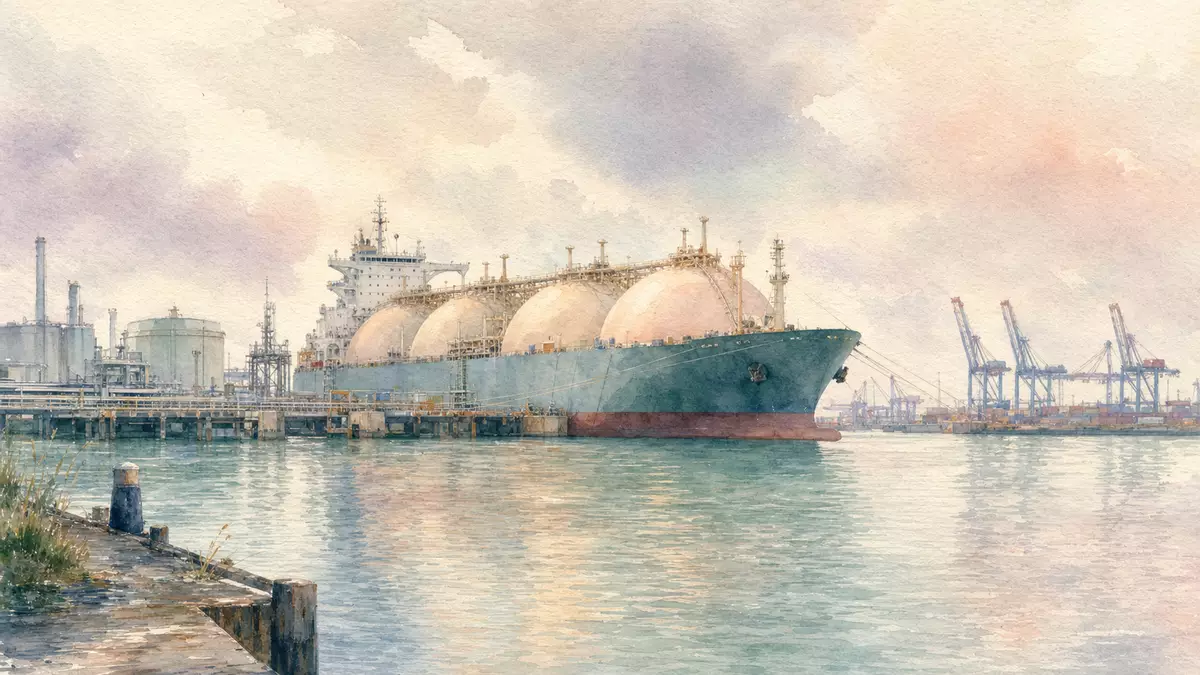
One of Shell's most distinctive businesses is integrated gas, including liquefied natural gas (LNG). In its latest reporting around Q2 2026, Shell has continued to highlight LNG shipment volumes in the tens of millions of tonnes per year, serving customers in Europe, Asia, and other regions. These volumes contribute significantly to both revenue and earnings, and the long-term contracts that underpin many LNG deals provide a degree of visibility into future cash flows. For Shell stock, robust LNG operations are often cited as a reason why the company could retain relevance and profitability even as global energy systems evolve.
LNG also intersects with energy security concerns, especially in regions that have sought alternatives to pipeline gas supplies. Shell's capacity to deliver LNG cargoes has been an important factor in balancing markets during supply disruptions. In Q2 2026, the continuation of strong integrated gas performance reinforces the notion that Shell's diversified portfolio, including LNG, trading, and downstream activities, can cushion the impact of lower oil prices on overall earnings. This resilience is part of what investors look for when considering Shell stock as a long-term holding.
Downstream margins and chemicals
Shell's downstream and chemicals businesses are more sensitive to refining margins, petrochemical spreads, and regional demand for fuels and materials. In Q2 2026, refining margins were lower than at their recent peaks, shrinking the contribution of downstream to group earnings compared with certain prior periods. This margin compression is a reminder that downstream profitability can fluctuate with global economic conditions, inventory levels, and policy changes affecting fuel standards and demand.
Chemicals demand, tied to manufacturing and consumer goods, also influences segment earnings. When economic growth slows, demand can soften and spreads can narrow, reducing earnings contributions. For Shell stock, this cyclicality means that while downstream and chemicals provide diversification, they do not eliminate volatility. Instead, they present an additional dimension of risk and opportunity that investors incorporate into valuation and scenario analysis.
Environmental, social, and governance considerations
Environmental, social, and governance (ESG) factors play an increasingly important role in how institutional investors view Shell stock. Shell's emissions profile, community impacts, and governance structures are scrutinized by asset managers who integrate ESG metrics into portfolio construction. In Q2 2026, Shell continued to report on its progress toward emissions-reduction targets and investments in lower-carbon solutions, but debates remain about whether these steps are sufficient and timely.
Some ESG-focused investors have reduced exposure to fossil-fuel-intensive companies, while others maintain positions but engage actively to push for faster change. Shell's response to such pressures can affect the shareholder base composition and, potentially, the valuation multiple attached to Shell stock. Over time, the alignment between Shell's strategy and ESG expectations will likely influence both access to capital and the company's reputation in financial markets.
Regulatory developments and litigation risk
Shell's operations expose it to regulatory changes and litigation risks, which have implications for Shell stock. Governments in multiple jurisdictions continue to adjust energy and climate policies, including carbon pricing, emissions standards, and licensing frameworks. Legal actions seeking to compel faster emissions reductions or compensate for environmental damages add another layer of uncertainty. In Q2 2026, Shell's disclosures and public statements reflect ongoing engagement with regulators and courts, alongside internal efforts to align operations with evolving rules.
For investors, these factors translate into potential downside scenarios where regulatory or legal outcomes could impose costs, restrict certain activities, or accelerate the need for portfolio shifts. Conversely, clear and stable policy frameworks could support investment planning and lower perceived risk. Shell stock's risk-reward profile is therefore partly linked to how the regulatory and legal landscape develops over the coming years and how the company adapts.
Oil price sensitivity and macro outlook
Shell's earnings and cash flows remain sensitive to the level and volatility of oil prices. In Q2 2026, oil prices traded within a range that supported profitable operations but did not reach the extremes seen in certain prior periods. This level provided a backdrop for Shell to generate substantial revenue and cash flow, but it also underscored that further upside or downside in oil prices could quickly alter earnings trajectories. For Shell stock, this sensitivity means that macroeconomic and geopolitical developments that influence oil supply and demand remain central drivers.
Macro factors such as global GDP growth, monetary policy, and regional conflicts can all impact oil and gas markets. In Q2 2026, the interplay of these variables maintained a moderate but uncertain outlook for energy prices. Investors in Shell stock therefore consider macro scenarios alongside company-specific metrics, recognizing that even strong execution cannot fully insulate earnings from commodity swings.
Investor positioning and trading dynamics
Shell stock's positioning within institutional and retail portfolios in Q2 2026 reflects diverse perspectives on energy exposure. Some investors view Shell as a source of dividend income and a hedge against inflation or geopolitical risk, while others are cautious due to long-term decarbonization trends. Trading volumes in Shell stock remain high given its FTSE 100 membership and presence in global index funds, contributing to liquidity that allows investors to adjust positions efficiently.
Options markets around Shell stock also provide insight into investor sentiment, with implied volatility and skew indicating the balance between upside hopes and downside concerns. In Q2 2026, these indicators suggest that the market anticipates continued movement in the share price as new information about earnings, capital allocation, and energy-transition progress emerges. For both long-term holders and shorter-term traders, Shell remains a security where fundamental and macro narratives intersect.
Shell's retail and electric mobility offering
Beyond upstream and integrated gas, Shell's retail business, including fuel stations and convenience stores, is a significant contributor to brand recognition and earnings. In Q2 2026, Shell continued to develop its retail footprint, investing in both traditional fuel offerings and electric vehicle (EV) charging infrastructure. Retail margins can be resilient even when crude prices fluctuate, offering some stability to group earnings and supporting Shell stock's appeal. The expansion of EV charging, although still a smaller part of the business, signals how Shell is positioning itself for evolving mobility patterns.
As EV adoption grows, the effectiveness of Shell's strategy in retail and mobility will influence how investors view the company's preparedness for changing demand for conventional fuels. For Shell stock, the pace of EV charging deployment and the profitability of these operations will be watched closely as part of broader assessments of the energy-transition pathway.
Representative product: Shell V-Power
One representative consumer-facing product in Shell's portfolio is Shell V-Power, a premium fuel brand marketed for performance and engine cleanliness. V-Power contributes to Shell's retail revenues and supports brand differentiation at service stations worldwide. In recent years, including the period around Q2 2026, Shell has used V-Power and similar offerings to strengthen customer loyalty and maintain margins in competitive fuel markets. For investors, the performance of such retail products is a micro-level illustration of how Shell can defend profitability beyond pure commodity exposures.
Shell stock and recent price level
Shell stock trades under the symbol SHEL on the London Stock Exchange, quoted in GBX. As of a recent date in mid 2026, Shell stock was changing hands at a price that implied a significant market capitalization in the tens of billions of GBP, reinforcing its status as a heavyweight within the FTSE 100. This price level, set against the company's Q2 2026 earnings, dividends, and buybacks, offers a snapshot of how markets currently value Shell's mix of traditional energy and transition-oriented investments.
For investors, the interplay between Shell's financial metrics and its share price will remain central. Q2 2026 earnings, free cash flow, and capital returns provide the quantitative foundation, while strategic decisions on energy transition, regulatory responses, and peer-relative positioning shape the qualitative narrative. Together, these factors will continue to influence how Shell stock trades on the London Stock Exchange and how it fits into global equity portfolios over the medium term.
Shell key data
- Company: Shell plc
- ISIN: GB00BP6MXD84
- Ticker: LSE: SHEL
- Trading venue: London Stock Exchange
- Sector / Industry: Energy - Integrated oil and gas
- Index membership: FTSE 100
Disclaimer regarding our articles: No investment advice, no buy or sell recommendation. Information on prices, companies, and markets is provided without guarantee; changes are possible at any time. Stock market transactions can lead to substantial losses. Our articles are created and reviewed in whole or in part automatically with the support of AI.