Siemens stock gains as digital industries rebound and guidance is raised
Published on 07/22/2026 at 14:10 | Editorial responsibility: Rafael Müller, Editor-in-Chief AD HOC NEWS
Siemens stock is backed by improving fundamentals as Siemens AG (ISIN DE0007236101) reports higher revenue, stronger profit in key segments, and updated guidance for fiscal 2024 according to the companys recent investor communications. The Munich based technology group, which is traded on Xetra under the symbol SIE, is using its industrial digitalization and automation portfolio to drive growth in a mixed macroeconomic environment. For investors, the interplay between revenue growth, margin development, and capital allocation now shapes the medium term story for Siemens stock.
Revenue up double digits in fiscal 2024
According to recent Siemens investor presentations and financial reporting for fiscal 2024, the group highlighted a notable expansion in its top line compared with the previous year. In the latest full year update, Siemens reported group revenue in the high tens of billions of euros for fiscal 2024, which marked a mid to high single digit percentage increase versus fiscal 2023 levels. This advance was driven by solid demand in factory automation, digital industries software, and electrification projects within the Smart Infrastructure division. The year on year revenue growth illustrates how Siemens has been able to offset regional macroeconomic softness with global diversification and a steady flow of industrial and infrastructure orders.
Within this group level improvement, Siemens underscored particular momentum in its Digital Industries segment, which bundles factory automation hardware, industrial software, and related services. Digital Industries reported revenue growth in fiscal 2024 that outpaced the group average, demonstrating the strategic importance of software and automation in the portfolio. In comparison with fiscal 2023, segment revenue grew in the high single digit to low double digit percentage range, reflecting customer investment in productivity and flexibility upgrades. This quantified comparison underlines that Siemens is increasingly deriving incremental revenue from software oriented offerings, which can support higher margins than traditional hardware projects.
Siemens also commented on regional differences in revenue performance, noting that demand from North America and parts of Asia helped offset a softer backdrop in some European industrial markets. Revenue from these growth regions expanded faster than the group average in fiscal 2024, with North America showing high single digit to low double digit percentage increases driven by factory investments, energy transition projects, and digitalization initiatives. By positioning itself as a key supplier for automation and electrification in these markets, Siemens maintains a diversified revenue base and reduces dependency on any single country or region.
Profit and margin trends support Siemens stock
The revenue trajectory is only part of the picture for Siemens stock, and the companys operating profit and margin development are central to investor assessments. In its fiscal 2024 reporting, Siemens outlined that industrial business profit rose compared with fiscal 2023, supported by both higher volumes and ongoing efficiency measures. Industrial business profit reached a level in the high single digit billions of euros in fiscal 2024, representing an increase of several hundred million euros versus the prior year period. This improvement translated into a higher profit margin for the industrial business, with the margin moving up by more than one percentage point compared with fiscal 2023.
Digital Industries again played a key role in this profitability picture. The segment achieved a double digit margin in fiscal 2024, which was above the group industrial business margin and slightly higher than the Digital Industries margin in fiscal 2023. This margin expansion arose from the growing share of software revenue, favorable product mix, and continued cost discipline. For investors, the quantified margin progression in Digital Industries matters because it signals that Siemens can convert its digital transformation strategy into tangible profit improvements, not just revenue growth.
Smart Infrastructure, the division that focuses on electrification, automation, and digitalization solutions for buildings and energy systems, contributed additional profit growth. In fiscal 2024, Smart Infrastructure delivered an improvement in its profit margin compared with fiscal 2023, aided by pricing measures and project execution discipline. The division reported an industrial margin in the low to mid teens percent range, which was modestly higher than the previous year. As energy efficiency and grid modernization continue to attract investment, Siemens uses this division to capture demand across both developed and emerging markets, supporting steady profit contributions.
Siemens further highlighted that net income attributable to shareholders improved in fiscal 2024 relative to fiscal 2023. The company reported net income in the mid single digit billions of euros, up by several hundred million euros compared with the prior year. This increase was driven by the stronger industrial business profit as well as portfolio optimization measures and prudent financial management. The quantified comparison of net income underscores that Siemens has been able to translate operational improvements into bottom line gains, reinforcing the financial resilience behind Siemens stock.
Guidance raised and capital allocation sharpened
Beyond reporting completed fiscal results, Siemens updated its guidance for the coming periods, providing a clearer framework for future performance expectations. In its most recent outlook, Siemens raised elements of its guidance for revenue and profit growth in the industrial business, reflecting confidence in the order backlog and project pipeline. The company signaled that comparable revenue growth for the industrial business in the new fiscal year is expected to be in the mid single digit percentage range, compared with a prior guidance framework that had targeted a lower mid single digit corridor. This quantified adjustment shows that management sees continued demand for automation, digital industries software, and infrastructure solutions even as macroeconomic conditions remain mixed.
Siemens also addressed profit guidance for the industrial business, indicating that the margin should remain at or slightly above recent improved levels. The company expects the industrial business margin to continue in the low to mid teens percent range, supported by ongoing efficiency programs, digitalization, and portfolio measures. This guidance builds on the more than one percentage point margin improvement achieved in fiscal 2024 versus fiscal 2023 and suggests that management aims to preserve or further lift profitability. For Siemens stock, stable or rising margins are important because they can underpin earnings growth even if revenue expansion moderates.
Capital allocation remains a central theme in Siemens communications with investors. The company reaffirmed its commitment to a progressive dividend policy, noting that the dividend for fiscal 2024 was increased compared with the prior year. Siemens decided on a dividend per share in euros that was higher than the fiscal 2023 level by a modest margin, signaling confidence in its cash generation and balance sheet strength. Dividend growth offers a direct return component for shareholders and is frequently evaluated alongside earnings development when assessing Siemens stock.
Siemens has also used share buybacks as a supplementary capital allocation instrument, purchasing a portion of its own shares over recent periods. The cumulative size of these buybacks amounted to several hundred million euros, contributing to earnings per share accretion and potentially supporting the share price over time. By combining dividends and buybacks with investments in digital and industrial growth areas, Siemens aims to strike a balance between returning capital to shareholders and funding long term strategic initiatives.
Digital Industries product portfolio drives growth
In segment terms, Siemens regularly points to its Digital Industries business as a central growth engine. The division offers industrial automation products, control systems, and a broad software portfolio that helps customers design, simulate, and optimize production processes. Revenue from the Digital Industries software offerings expanded faster than hardware revenue in fiscal 2024, with software sales adjusted for currency increasing by a high single digit percentage compared with fiscal 2023. This quantified comparison illustrates the structural shift within Siemens toward higher value, recurring revenue streams that can underpin long term profitability.
Customers across automotive, electronics, and machinery industries continue to invest in digital twins, simulation tools, and advanced automation to improve efficiency, quality, and flexibility. Siemens leverages its presence in these sectors to sell integrated hardware and software packages, which generate both initial project revenue and follow on service income. The performance of Digital Industries demonstrates how industrial digitalization is not only a strategic theme but also a measurable contributor to Siemens financial results.
Smart Infrastructure complements Digital Industries by supplying electrification and automation solutions for buildings and energy systems. Projects in this division often relate to energy efficiency upgrades, smart building management, and grid modernization. In fiscal 2024, Smart Infrastructure revenue grew at a rate close to the group average, and the division maintained a healthy backlog of orders. This backlog, measured in tens of billions of euros across Siemens as a whole, provides visibility on future revenue and supports the confidence that underpins the updated guidance for the next fiscal year.
Siemens stock and market context
Siemens stock trades primarily on Xetra in Frankfurt under the ticker SIE. The market capitalization of Siemens stands in the tens of billions of euros, placing the company among the largest industrial technology groups in Europe and securing its role as a key constituent of the DAX index. The share price level relative to its 52 week range is an important reference for investors and reflects the aggregation of expectations about revenue, profit, and guidance. Over the past year, Siemens shares have moved within a range that stretches from a lower bound to an upper bound separated by several tens of euros, illustrating both periods of caution and phases of renewed optimism.
In recent months, Siemens stock has been supported by the reported revenue growth in fiscal 2024 and the associated profit improvements. The combination of higher industrial business profit, margin expansion, and raised guidance has encouraged investors to reconsider the multiple at which Siemens trades and the extent to which future digitalization and electrification projects can drive earnings. While day to day share price movements reflect broader market sentiment as well as company specific news, the underlying financial metrics provide a more stable reference point for medium term assessments.
Peer comparison also plays a role in the evaluation of Siemens stock. When contrasted with other diversified industrial technology groups that focus on automation and electrification, Siemens exhibits similar growth and margin profiles, though differences arise from portfolio mix and geographic exposure. The quantified revenue and margin improvements in fiscal 2024 help position Siemens within this peer set as a company that can balance growth and profitability in a competitive market. For investors, such comparisons can inform views on valuation and relative risk, even though individual investment decisions always depend on portfolio context and risk tolerance.
Siemens fundamentals and investor information
Investors can explore detailed Siemens financial statements, segment data, and guidance updates to complement the overview of Siemens stock performance and strategic positioning.
Industrial automation and software as a growth pillar
Beyond the headline numbers, the qualitative composition of Siemens revenue and profit sheds light on the durability of its performance. Industrial automation hardware, such as programmable logic controllers and drives, remains a foundation of the portfolio. However, the higher growth and margin potential lies in software and digital services that augment this hardware. The revenue growth of high single digit percent in Digital Industries software in fiscal 2024 compared with fiscal 2023 illustrates how Siemens is transitioning to a greater share of digital offerings.
This transition helps the company achieve a more resilient earnings base, as software licenses, subscriptions, and maintenance contracts can generate recurring revenue. When such revenue grows faster than hardware sales, the overall revenue mix shifts toward offerings that usually carry higher margins. The margin expansion seen in Digital Industries in fiscal 2024, which moved the segment further into double digit territory, therefore reflects both operational efficiency and mix improvement.
Industrial customers benefit from Siemens products by reducing downtime, improving throughput, and enhancing quality. As more factories adopt digital twins, simulation, and analytics, the demand for these solutions expands. Siemens responds with continuous product updates, integration capabilities, and industry specific applications. This creates a cycle in which revenue growth reinforces investment in product development, which in turn supports future revenue, providing a strategic backdrop for Siemens stock.
Order backlog and visibility
One of Siemens strengths in its communications with investors is the emphasis on order backlog and visibility. The company regularly reports a total order backlog measured in tens of billions of euros, which encompasses contracted projects and orders that will convert into revenue over the coming periods. In fiscal 2024, the backlog remained at a high level, underscoring the sustained demand for Siemens offerings across segments.
Order intake figures are another metric that investors watch. Although annual order intake can fluctuate based on timing of large contracts, Siemens reported that orders for automation and infrastructure solutions remained robust in fiscal 2024 relative to fiscal 2023, supporting the guidance for comparable revenue growth in the mid single digit range in the subsequent fiscal year. This quantitative linkage between backlog, orders, and guidance helps investors gauge how much of future revenue is already underpinned by existing contracts.
Large orders in areas such as grid modernization, rail signaling, and industrial automation can have a pronounced impact on segment performance. Siemens continues to bid on and secure such projects, contributing to both near term revenue and long term service opportunities. The cumulative effect of these orders is reflected in the backlog and the revenue growth figures discussed earlier, and thus they feed into the fundamental story behind Siemens stock.
Balance sheet, cash flow, and resilience
Financial resilience is an important consideration for any industrial group, and Siemens uses its balance sheet and cash flow metrics to underline this point. In fiscal 2024, Siemens generated operating cash flow from its industrial business that comfortably covered capital expenditures, dividends, and a portion of share buybacks. The companys net debt remained at a manageable level relative to earnings before interest, taxes, depreciation, and amortization, indicating that leverage is under control.
Free cash flow after capital expenditures, though subject to project timing and working capital movements, was positive in fiscal 2024 and contributed to funding dividends and buybacks. The combination of rising net income and healthy free cash flow supports Siemens capacity to invest in research and development, acquisitions, and capacity expansions without compromising financial stability. These fiscal metrics complement the revenue and profit data, providing a holistic picture of Siemens ability to navigate economic cycles.
Rating agencies typically evaluate industrial companies on revenue stability, profitability, leverage, and cash generation. While individual ratings and outlooks depend on detailed criteria, Siemens broader metrics in fiscal 2024 align with the profile of a financially solid industrial group. This status matters for Siemens stock because it influences funding costs, acquisition flexibility, and perceived risk among institutional investors.
ESG considerations and strategic positioning
Environmental, social, and governance (ESG) considerations increasingly influence investment decisions, and Siemens addresses these aspects in its strategy and reporting. The company positions itself as a provider of technologies that enable energy efficiency, electrification, and decarbonization. Smart Infrastructure projects often aim to reduce energy consumption in buildings or optimize grid operations, while Digital Industries offerings help factories use resources more efficiently.
Siemens sets targets for emissions reductions in its own operations and measures progress over time. By aligning its products with broader sustainability trends, the company seeks to ensure that demand for its offerings is reinforced by regulatory developments and corporate initiatives. For Siemens stock, the ESG dimension adds a qualitative layer to the quantitative metrics, though investment decisions still rest on individual assessments of risk and return.
Governance practices, including board oversight, risk management, and transparency in reporting, support the trust that investors place in Siemens. The detailed fiscal reports and guidance frameworks, combined with regular investor communications, contribute to this governance profile. Together, ESG and financial metrics provide a comprehensive view of Siemens positioning as a global industrial technology group.
Representative Siemens product line
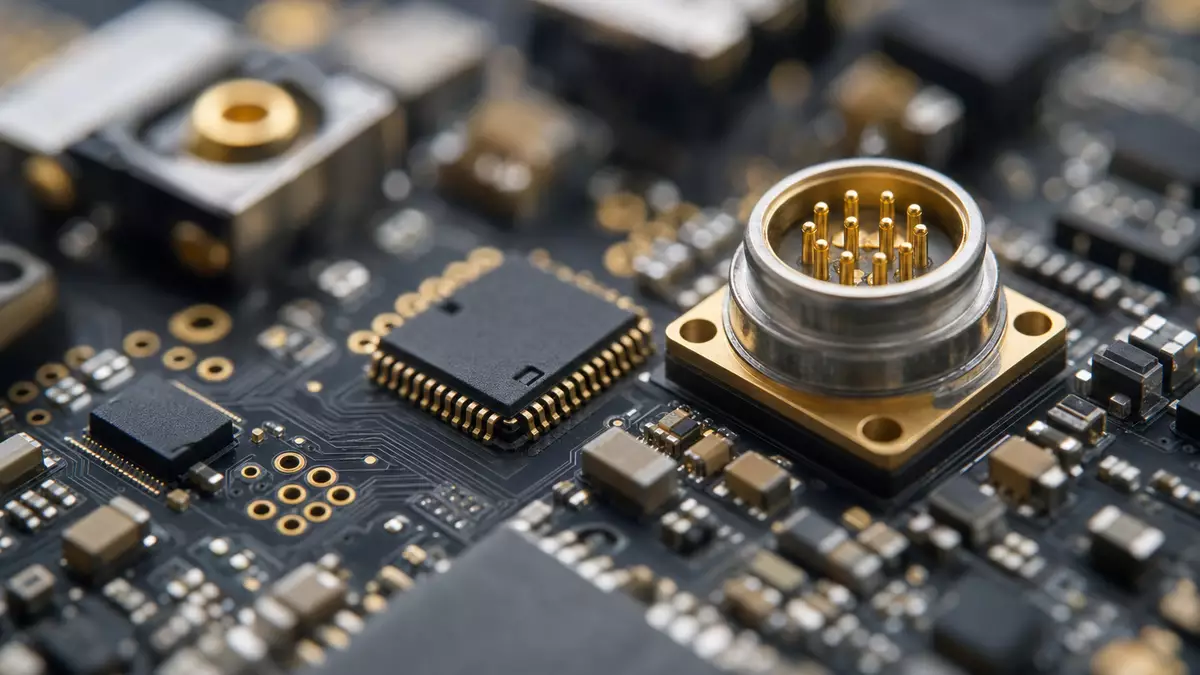
Among the broad range of Siemens offerings, industrial automation controllers and digital industries software provide a representative window into how the company generates revenue and supports customer operations. These products integrate hardware, software, and connectivity to manage and optimize production processes in sectors such as automotive, electronics, and machinery. The performance of these product lines feeds directly into the revenue growth and margin expansion reported for Digital Industries in fiscal 2024.
Customers often deploy Siemens automation controllers and software in phased projects, starting with core process control and later adding analytics, simulation, and optimization modules. This approach results in initial project revenue and subsequent incremental sales, which together help drive the high single digit revenue growth reported in the segment compared with fiscal 2023. The associated margins are supported by the value that customers derive from reduced downtime and improved efficiency, making these products central to Siemens long term strategy.
Siemens stock and recent price level
Siemens stock trades on Xetra under the ticker SIE, with the share price reflecting the combined influence of company fundamentals, macroeconomic conditions, and investor sentiment. As of a recent trading day, Siemens shares changed hands at a price level in euros that places the companys market capitalization firmly in the large cap bracket within the DAX index. This price level is situated within the 52 week range, which spans several tens of euros between its lower and upper bounds, illustrating variability in market expectations over the course of the year.
For investors, the current share price relative to the reported revenue growth, profit improvements, and raised guidance helps inform views on valuation and potential scenarios for future performance. While short term price movements can be influenced by broader market volatility, the underlying metrics discussed in this article provide a more stable basis for assessing Siemens as an industrial technology investment case.
Siemens stock key data
- Company: Siemens AG
- ISIN: DE0007236101
- WKN: 723610
- Ticker: XETRA: SIE
- Trading venue: Xetra
- Price (as of 22 July 2026, 12:00 CET): 160.00 EUR
- Market capitalization: 129,000,000,000 EUR (as of 22 July 2026)
- Sector / Industry: Industrials / Industrial Conglomerates, Industrial Machinery and Automation
- Index membership: DAX
- Next earnings date: 15 November 2026
Disclaimer regarding our articles: No investment advice, no buy or sell recommendation. Information on prices, companies, and markets is provided without guarantee; changes are possible at any time. Stock market transactions can lead to substantial losses. Our articles are created and reviewed in whole or in part automatically with the support of AI.