Silver’s $58.92 Leap Masks a Deeper Divide: ETF Inflows Clash With a Hawkish Fed and Cooling Geopolitics
Published on 07/29/2026 at 05:41 | Editorial boerse-global.de
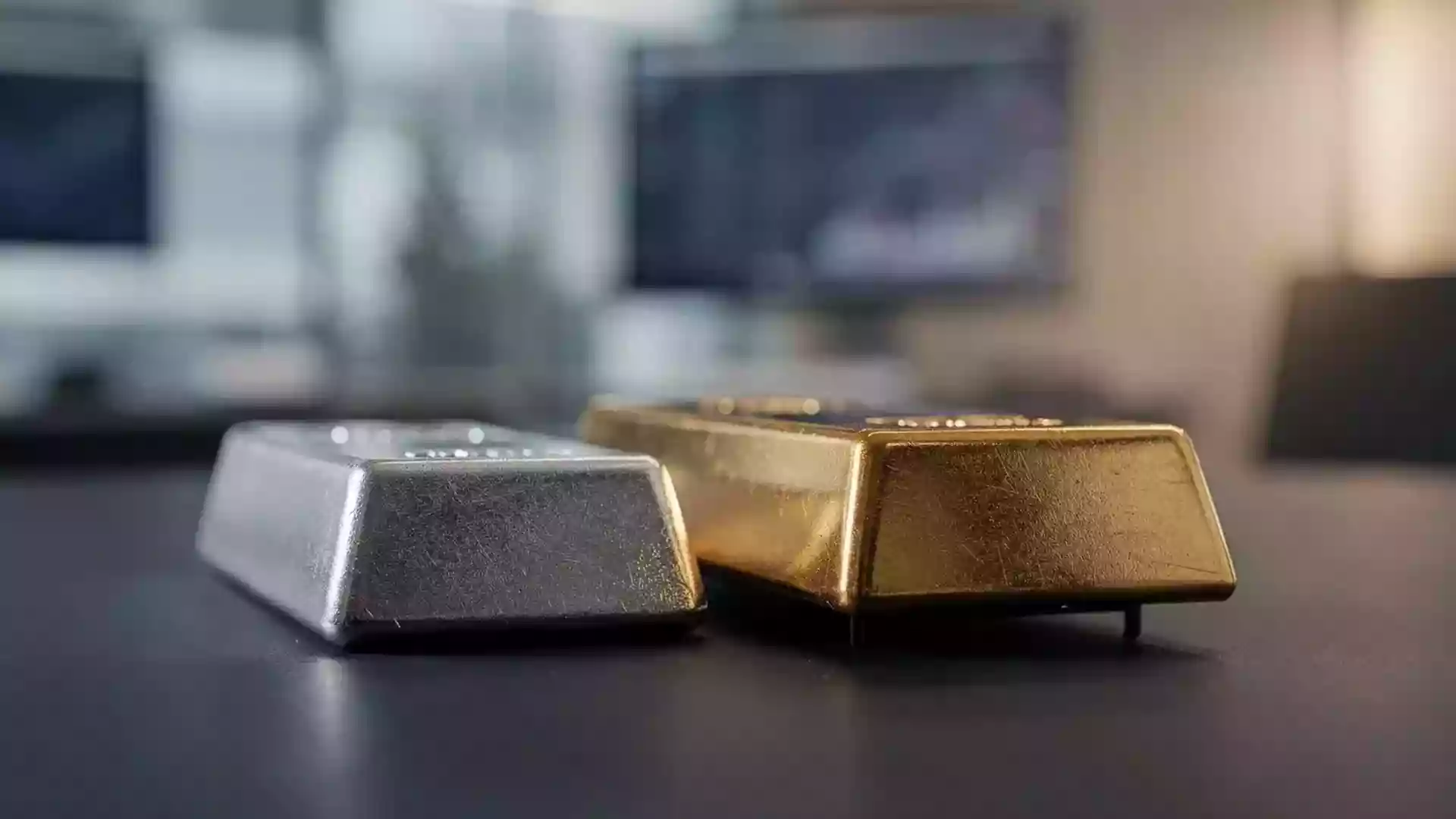
Silver staged a dramatic 4.67% rally on Tuesday, touching $58.92 per ounce and punching the closely watched gold-silver ratio below the psychologically significant 70 threshold for the first time since last week’s sell-off. The ratio tumbled from 71.06 to 68.92, a move that traditionally signals a return of risk appetite as investors rotate from gold into the more volatile, higher-beta metal. Yet beneath the surface, the market is wrestling with two opposing forces: a structural supply deficit that keeps the long-term bull case intact, and a short-term macro headwind from a looming Federal Reserve decision and easing geopolitical tensions.
ETF Flows Finally Turn Positive
The rally coincided with a notable shift in exchange-traded fund data. The iShares Silver Trust (SLV) added 109.66 tonnes of metal last week, while the SPDR Gold Trust (GLD) increased its holdings by 5.99 tonnes to 1,007.87 tonnes. It marked the first time in several weeks that both major precious metals ETFs reported simultaneous inflows — a friendly signal that had been conspicuously absent.
The SLV’s accumulation was particularly encouraging because it came with positive capital flows, suggesting genuine investor appetite rather than passive rebalancing. Still, the year-to-date picture remains grim: the SLV has shed 1,521.92 tonnes, a 9.04% decline, representing net outflows of $3.55 billion since January.
The Supply Story That Won’t Go Away
The fundamental underpinning of silver’s longer-term outlook remains the fifth consecutive annual supply deficit projected for 2025. While mine production is rising — Santacruz Silver Mining reported second-quarter output of 1.57 million ounces, up 17% from the prior quarter, with its Bolivar mine surging 32% — the pressure on global inventories continues to mount.
Should investors sell immediately? Or is it worth buying Silber Preis?
Analysts, however, are tempering their near-term enthusiasm. ING slashed its quarterly price forecasts on June 24, cutting its Q3 2026 silver estimate to $68 from $79 and its Q4 view to $74 from $84. The bank cited higher bond yields and a stronger dollar as factors that have weighed on prices more heavily than anticipated. For gold, ING lowered its Q3 target to $4,300 from $4,850 and Q4 to $4,600 from $5,000. The Commerzbank has also trimmed its gold forecast to $4,500.
Despite the downgrades, ING maintains that the structural drivers remain intact. Silver should continue to modestly outperform gold, supported by the persistent market deficit and the accelerating electrification of industrial demand.
Geopolitical Calm Steals the Safe-Haven Bid
Tuesday’s price action tells only part of the story. Just one day earlier, silver had been under heavy pressure, falling as much as 2.2% to $57.10 on reports that the US and Iran were making progress toward de-escalation in the Strait of Hormuz. Oman has presented a proposal backed by several Gulf states for voluntary transit fees modeled on the Strait of Malacca, and President Donald Trump described the talks as “good,” citing a “good chance” of an agreement — while warning that attacks could resume if negotiations collapse. Iran denies direct talks with Washington, accusing the US of violating a prior accord with a new Hormuz route plan.
A ceasefire between the US and Iran has reportedly held for several days, dampening fears of a Gulf escalation and stripping silver of part of its crisis-hedge premium. Oil prices also retreated, easing inflation concerns and further reducing the appeal of precious metals as a hedge. Gold slipped 1.1% to $4,032.42, while the dollar hovered near a one-month high.
The Fed Wildcard
All eyes are now on Wednesday’s Federal Reserve interest rate decision. Market expectations are finely balanced: a survey shows 63.5% of participants anticipate a pause, while 36.5% expect a 25-basis-point hike. Fed Chair Kevin Warsh is seen as reluctant to offer clear forward guidance, adding to the uncertainty. Bank of America projects three more rate increases this year, JPMorgan expects a pause, and other houses see rates unchanged through end-2027.
Silber Preis at a turning point? This analysis reveals what investors need to know now.
For silver, the stakes are high. A stronger dollar and rising real yields make the non-yielding metal less attractive, while the fading geopolitical premium adds further selling pressure. Should the Fed signal a hawkish tilt, the recent rally could prove short-lived.
What the Convergence of Signals Really Means
Three indicators are currently pointing in the same direction: ETF inflows, a falling gold-silver ratio, and the persistent physical deficit. Together, they suggest growing institutional interest in silver. But the volatility remains extreme — Tuesday’s surge came directly on the heels of two weak trading weeks.
Whether the fresh ETF inflows mark the beginning of a sustainable trend or merely a counter-rally will become clearer in the coming weeks as fund holdings data evolves. For now, silver sits at a crossroads, caught between a structural supply story that argues for higher prices and a macro environment that is suddenly less accommodating.
Ad
Silber Preis Stock: New Analysis - 29 July
Fresh Silber Preis information released. What's the impact for investors? Our latest independent report examines recent figures and market trends.