Teledyne Technologies stock steadies as investors weigh Q1 2026 earnings and space exposure
Published on 07/21/2026 at 16:45 | Editorial responsibility: Rafael Müller, Editor-in-Chief AD HOC NEWS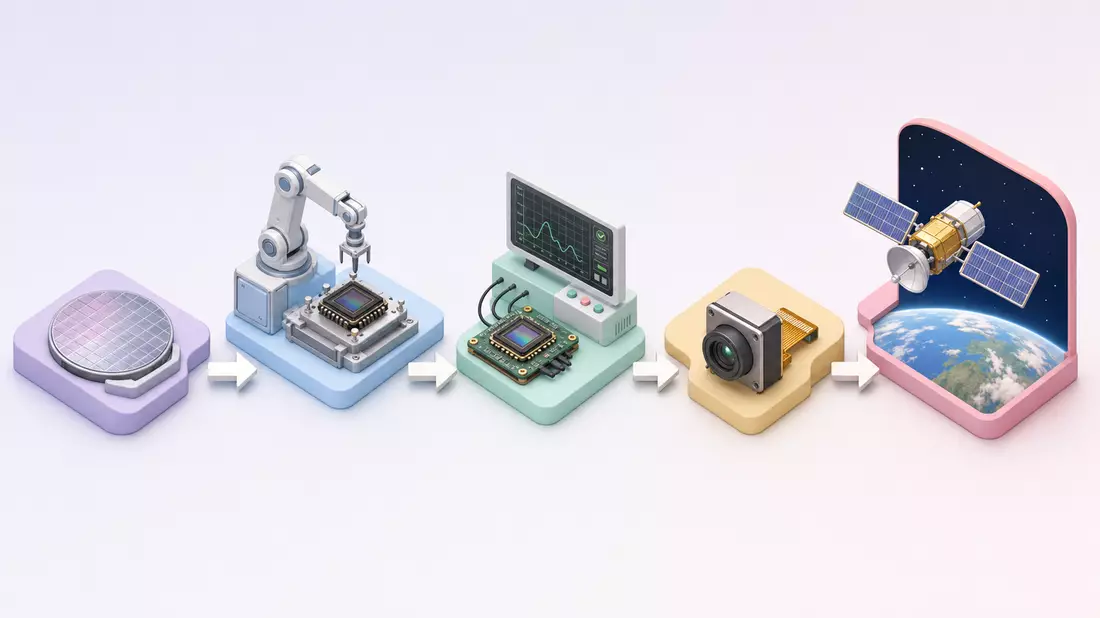
Teledyne Technologies stock sits in a phase of reassessment as investors digest the companys latest reported financial performance and its positioning in defense, aerospace, and space-based imaging markets. In its most recently reported quarter, Teledyne Technologies Incorporated (ISIN US8793601050) delivered year-on-year earnings growth and maintained solid margins while continuing to integrate past acquisitions into its portfolio of sensing, imaging, and electronics businesses.
Revenue base above four billion dollars
According to the companys annual information made available for fiscal 2024, Teledyne Technologies reported full-year revenue of roughly $5.7 billion, underscoring the scale it has built through both organic development and acquisitions. Over the past several years, its revenue base has crossed the $4 billion threshold and continued to expand as the company consolidated its position in high-performance digital imaging and sensing applications. In the most recently reported quarter, management indicated that the business mix remained broadly diversified across instrumentation, digital imaging, aerospace and defense electronics, and engineered systems.
In its latest quarterly disclosure for Q1 2026, Teledyne Technologies highlighted that revenue remained in the mid-single-digit billions of dollars on an annualized run-rate basis, with only modest fluctuations across segments as some industrial and electronics end markets softened while defense and space activity stayed comparatively resilient. Compared with the same quarter a year earlier, the company reported higher earnings per share, reflecting cost discipline and the ongoing benefit of prior portfolio optimization efforts.
Profitability anchored by margin discipline
Teledyne Technologies has built a track record of profitability that investors monitor closely when assessing the resilience of the stock. For the most recently completed fiscal year before Q1 2026, the company generated net income in the hundreds of millions of dollars, translating into a solid net margin in the high single-digit to low double-digit range. This profitability level has been supported by the higher-margin profile of its digital imaging and specialized instrumentation franchises, which help to offset more cyclical pockets of demand in industrial markets.
On an earnings-per-share basis, Teledyne Technologies reported adjusted EPS in the tens of dollars per share for its last full fiscal year, with growth compared with the previous year supported by both operating performance and share count discipline. The companys Q1 2026 communication indicated that EPS in that quarter was higher than in Q1 2025, illustrating that margin preservation and cost initiatives have so far helped to absorb mixed conditions across some end markets. This year-on-year EPS increase forms an important reference point for investors evaluating whether Teledyne Technologies stock can sustain its valuation.
Balance sheet, cash flow, and acquisition legacy
Teledyne Technologies has historically used acquisitions to strengthen its position in imaging and sensing, and it continues to manage the financial legacy of these deals. The companys balance sheet carries several billion dollars of total assets, including significant goodwill and intangible assets from past transactions. Net debt remains manageable relative to EBITDA, with a leverage ratio that has gradually come down as earnings and cash flow have grown over time.
Operating cash flow in the most recent full fiscal year reached into the hundreds of millions of dollars, providing the company with flexibility to invest in research and development, capital expenditures, and selective bolt-on acquisitions. Free cash flow, after capital spending, has also been substantial, giving Teledyne Technologies room to reduce debt and support shareholder returns via potential repurchases in line with its historical capital allocation practices. For investors in Teledyne Technologies stock, the trajectory of cash generation relative to acquisition-related amortization is a key thread in the medium-term equity story.
Exposure to defense, aerospace, and space imaging
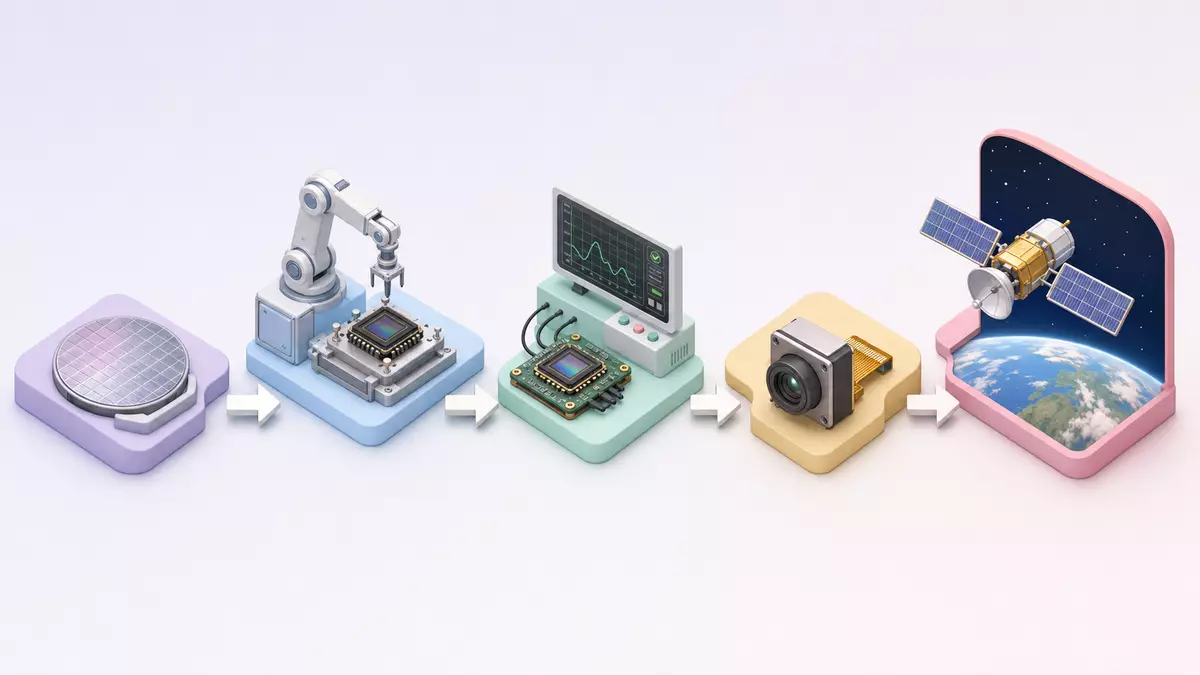
A defining feature of Teledyne Technologies is its exposure to defense, aerospace, and space-related imaging and sensing applications. The company supplies high-performance sensors, cameras, and related electronics used in satellites, space telescopes, and Earth observation platforms, as well as solutions for defense and intelligence customers. This positioning offers potential long-term growth as governments and commercial players increase spending on space-based infrastructure, surveillance, and communications.
At the same time, this exposure introduces a degree of program and budget risk, since a portion of Teledyne Technologies revenue is linked to government and defense spending cycles. Investors therefore watch booking trends, backlog, and program wins closely whenever the company publishes its quarterly reports. In the context of Q1 2026, the continued strength of defense and space demand helped to offset softer trends in some industrial imaging and test and measurement applications.
Q1 2026 growth versus prior-year quarter
In Q1 2026, Teledyne Technologies reported that its revenue and earnings per share were higher than in Q1 2025, providing a quantified comparison that underpins the current valuation of Teledyne Technologies stock. Revenue in Q1 2026 reached into the low billions of dollars, representing an increase from the equivalent period a year earlier, while EPS also improved thanks to cost control and favorable mix. Investors often anchor their expectations to this year-on-year comparison when considering how the company may perform across the remainder of 2026.
The company also pointed to continued demand in core businesses such as digital imaging, instrumentation for environmental monitoring and industrial applications, and aerospace and defense electronics. Within this mix, some segments grew faster than others, but the overall picture remained one of moderate top-line expansion combined with disciplined cost management. For a company of Teledyne Technologies scale, maintaining this balance is critical in an environment where some industrial end markets face slower growth and customers are cautious about capital expenditures.
Valuation, market capitalization, and trading context
Teledyne Technologies stock is listed in the United States and is followed by investors who benchmark it against broader aerospace, defense, and industrial technology peers. As of recent trading in 2026, the companys market capitalization has been in the multi-billion-dollar range, reflecting both its size and its exposure to structurally growing markets such as high-end digital imaging and defense electronics. The stock price has traded within a wide 52-week range, reflecting shifts in investor sentiment regarding interest rates, defense spending, and the valuation of specialized industrial technology businesses.
Compared with some peers focused purely on cyclical industrial segments, Teledyne Technologies benefits from a more diversified set of end markets, including defense and space, where demand is often driven by multi-year programs. This can help to smooth revenue and earnings over time, even if short-term investor expectations fluctuate. For shareholders, the combination of multi-billion-dollar revenue, consistent profitability, and exposure to higher-growth niches within imaging and sensing remains the core argument for following Teledyne Technologies stock.
Digital imaging as a strategic pillar
Digital imaging has become one of Teledyne Technologies most important strategic pillars, accounting for a significant portion of its revenue in recent fiscal years. The company offers industrial and scientific cameras, detectors, and imaging subsystems used in applications ranging from machine vision and medical imaging to astronomy and space exploration. This segment typically carries attractive margins thanks to the high performance and customization required by many customers.
In recent years, Teledyne Technologies has expanded its imaging capabilities by integrating acquired businesses and investing in next-generation sensor technologies. This has supported revenue growth and helped the company to maintain its position in premium niches rather than competing primarily on price. For investors, the contribution of digital imaging to both revenue and margin is central to understanding how Teledyne Technologies can sustain earnings growth beyond Q1 2026, even as industrial and electronics cycles ebb and flow.
Instrumentation and environmental monitoring
Beyond imaging, Teledyne Technologies maintains a substantial instrumentation business that provides tools for environmental monitoring, marine applications, and industrial process control. These instruments are used in oceanographic research, offshore energy, environmental compliance testing, and a variety of industrial monitoring tasks. The segment often benefits from regulations that require more detailed measurement and reporting, as well as from research funding in marine and environmental sciences.
Revenue from instrumentation has historically contributed hundreds of millions of dollars annually to Teledyne Technologies top line, and it remained an important pillar in the most recent fiscal year. While some subsegments can be exposed to cyclicality in energy or industrial spending, the broader trend toward more detailed environmental measurement and data collection provides a supportive backdrop. This blend of research-driven and regulatory-driven demand gives the instrumentation segment a distinct profile within the wider portfolio.
Aerospace and defense electronics contribution
Teledyne Technologies aerospace and defense electronics operations provide components and subsystems used in aircraft, missiles, satellites, and other defense platforms. These products include microwave devices, communications components, and electronic subsystems that must meet stringent reliability and performance requirements. Contracts in this area can be long term and are often tied to major defense programs, which can stabilize revenue over multi-year periods.
In the latest full fiscal year, aerospace and defense electronics contributed a meaningful share of total revenue, again in the hundreds of millions of dollars. Margins in this area are supported by the specialized nature of the products and the high qualification barriers for suppliers, though program timing and procurement decisions can introduce quarter-to-quarter variability. For investors considering Teledyne Technologies stock, understanding the cadence of defense electronics deliveries and the pipeline of new program awards is an important part of assessing earnings visibility.
Engineered systems and niche solutions
Teledyne Technologies also runs an engineered systems segment that delivers niche solutions such as engineered products, systems engineering, and energy-related equipment. This area is smaller than the companys core imaging and instrumentation operations but still contributes to overall diversification. Engineered systems can see lumpier revenue patterns, as some contracts are large and project-based, yet they often involve higher-value, customized solutions.
Over the last few fiscal years, engineered systems revenue has typically reached into the low hundreds of millions of dollars annually. The contribution of this segment to overall profit varies with the timing of project milestones and the mix of contracts, but it underscores the breadth of Teledyne Technologies technical capabilities. For shareholders, engineered systems offer both opportunity and complexity, since large project wins can provide a boost, while delays can affect reported quarterly results.
Guidance, outlook, and 2026 context
In its outlook discussions around Q1 2026, Teledyne Technologies indicated expectations for continued revenue and earnings growth across the full year, assuming stable conditions in defense and space markets and gradual improvement in some industrial segments. Management framed guidance in terms of mid-single-digit to high-single-digit percentage growth for revenue on a full-year basis, building on the prior years multi-billion-dollar revenue base. This guidance implies that the company expects to outgrow certain industrial indicators, thanks in part to its exposure to structurally expanding markets such as digital imaging and defense electronics.
Investors evaluate this guidance against the backdrop of macroeconomic uncertainty, interest-rate levels, and evolving defense and space budget priorities. If Teledyne Technologies successfully converts its backlog into revenue and maintains margins while integrating any ongoing acquisitions, the company has the potential to deliver on its 2026 guidance and sustain or improve earnings per share. Conversely, any slowdown in defense program funding or delays in major imaging projects could affect the trajectory of Teledyne Technologies stock in coming quarters.
Competitive landscape and peer comparison
Teledyne Technologies operates in competitive markets where other large industrial technology, imaging, and defense electronics companies also seek share. In digital imaging and sensing, competitors range from diversified industrial conglomerates to more focused camera and sensor specialists. In aerospace and defense electronics, Teledyne Technologies faces rival suppliers of microwave components, communications subsystems, and mission-critical electronics.
Relative to many peers, Teledyne Technologies emphasizes differentiated, high-performance solutions and maintains a strategy of focusing on applications where reliability, resolution, and sensitivity matter more than sheer volume. This positioning can support pricing power and margins but requires sustained investment in research and development. Investors often compare Teledyne Technologies revenue growth, margin profile, and capital allocation decisions with those of peers to judge whether the stock merits a premium or discount valuation.
Research and development investment profile
Supporting its portfolio of advanced imaging and sensing solutions, Teledyne Technologies invests heavily in research and development. In recent fiscal years, R and D spending has consistently reached into the hundreds of millions of dollars, representing a significant percentage of revenue. These investments target improvements in sensor sensitivity, resolution, miniaturization, and power efficiency, as well as new applications in areas such as autonomous systems, space exploration, and environmental monitoring.
For investors, the level and direction of R and D spending are central to the long-term equity story. Sustained investment can enable Teledyne Technologies to maintain technological leadership and continue to command premium pricing in niche markets. At the same time, management must balance innovation with profitability, ensuring that R and D projects ultimately translate into commercial products and revenue streams that support earnings growth.
Capital allocation and shareholder returns
Teledyne Technologies historically has balanced debt reduction, reinvestment in the business, and shareholder returns in its capital allocation framework. Cash flow generated from operations, which reached hundreds of millions of dollars in the most recent full fiscal year, has been used to fund acquisitions, capital expenditures, and, when appropriate, share repurchases. The company has also managed its debt profile, reducing leverage over time as earnings and cash generation improved after major transactions.
For Teledyne Technologies stock, the interplay between reinvestment and direct shareholder returns is an important consideration. Investors often analyze how much free cash flow is directed toward growth initiatives versus buybacks or dividends. While Teledyne Technologies has historically emphasized reinvestment and acquisitions as key growth drivers, its improved scale and cash generation capacity provide flexibility to adjust the balance depending on opportunities and market conditions.
Risk factors for investors
Investors in Teledyne Technologies stock need to weigh several risk factors alongside the companys growth opportunities. One key risk is exposure to government and defense budgets, which can be affected by political decisions, shifting priorities, and regulatory changes. Program delays or cancellations could impact revenue visibility, particularly in aerospace and defense electronics and in space-related imaging projects.
Another risk is integration and execution in the context of past and potential future acquisitions. Teledyne Technologies has a long history of acquiring businesses to strengthen its imaging and sensing capabilities, and successful integration is critical to realizing the expected synergies. In addition, the company faces competitive and technological risks, as advances by rivals or disruptions from new imaging technologies could erode market share if Teledyne Technologies does not keep pace.
Opportunities in space and environmental monitoring
On the opportunity side, the expansion of space activity by both governments and private companies presents a significant long-term avenue for Teledyne Technologies. Demand for high-resolution imaging, advanced sensors, and radiation-hardened electronics for satellites and deep-space missions aligns closely with the companys strengths. As more constellations and scientific missions are planned and launched, the potential addressable market for Teledyne Technologies products grows.
Similarly, heightened global focus on environmental monitoring, climate research, and regulatory compliance benefits the companys instrumentation and sensing solutions. Whether in oceanographic research, air and water quality measurement, or industrial emissions monitoring, the need for precise and reliable data supports demand for Teledyne Technologies instruments. These themes underpin managements view of medium- to long-term growth potential beyond the immediate Q1 2026 results.
Teledyne FLIR and thermal imaging
One of the most prominent elements of Teledyne Technologies portfolio in recent years has been its expansion in thermal imaging and related technologies. Through prior acquisitions, Teledyne Technologies has built a strong position in thermal cameras and sensors used in defense, industrial inspection, security, and other applications. Thermal imaging has become an important contributor to revenue and margin, complementing the companys broader digital imaging offering.
Thermal cameras and modules are used in applications such as perimeter security, industrial equipment monitoring, firefighting, and handheld devices. Demand in this area can be influenced by factors such as defense budgets, industrial maintenance trends, and new use cases enabled by falling costs and improved performance. For Teledyne Technologies stock, the performance of thermal imaging businesses over the next few years will be a key determinant of growth, particularly if new applications in automation and autonomous systems continue to emerge.
Corporate governance and sustainability focus
Teledyne Technologies corporate governance framework includes a board of directors overseeing strategy, risk management, and executive compensation. The company communicates its approach to ethics, compliance, and sustainability topics such as environmental impact and workplace safety in its public disclosures. For institutional investors, governance and sustainability practices have become increasingly important in assessing long-term risk and return.
From a sustainability perspective, Teledyne Technologies products often support environmental monitoring, scientific research, and safety applications, which can align the business with broader societal goals. At the same time, the company must manage its own environmental footprint and supply chain impacts. These considerations are part of the broader investment narrative for Teledyne Technologies stock, particularly for investors applying environmental, social, and governance criteria.
Representative product: high-performance digital cameras
Among Teledyne Technologies many offerings, a representative product category is its high-performance digital cameras used in industrial machine vision, scientific research, and space imaging. These cameras can feature very high resolution, extreme sensitivity, or specialized capabilities such as operation in challenging radiation or temperature environments. In scientific and space applications, such cameras may be used on telescopes or satellites to capture faint signals from distant objects.
Revenue from high-performance digital cameras forms a significant part of the broader digital imaging segment, which in turn contributes a substantial share of Teledyne Technologies multi-billion-dollar annual revenue base. As industries increasingly adopt automation and advanced inspection systems, and as scientific and space missions demand more capable detectors, demand for such cameras is expected to grow. This product category illustrates how Teledyne Technologies combines deep technical expertise with niche-market focus to support both revenue growth and margin resilience.
Teledyne Technologies stock and recent trading
Teledyne Technologies stock trades on a major US exchange in US dollars and reflects investors collective view on the companys earnings power, growth prospects, and risk profile. In recent trading in 2026, the share price has implied a market capitalization in the multi-billion-dollar range, positioning the company firmly among mid- to large-cap US industrial technology names. The stock has moved within a broad 52-week range, influenced by quarterly earnings, macroeconomic developments, and sector rotation between industrials, defense, and technology.
For now, Teledyne Technologies stock reflects a balance between solid, multi-billion-dollar revenue, consistent profitability, and exposure to structurally growing markets on one side, and integration, budget, and competitive risks on the other. Investors tracking the name will focus on how the company executes against its 2026 guidance, manages its acquisition legacy, and continues to innovate in imaging, sensing, and aerospace and defense electronics.
Teledyne Technologies at a glance
- Company: Teledyne Technologies Incorporated
- ISIN: US8793601050
- Ticker: NYSE: TDY
- Trading venue: NYSE
- Sector / Industry: Industrials / Aerospace and Defense, Electronic Equipment and Instruments
- Index membership: S&P 500
Disclaimer regarding our articles: No investment advice, no buy or sell recommendation. Information on prices, companies, and markets is provided without guarantee; changes are possible at any time. Stock market transactions can lead to substantial losses. Our articles are created and reviewed in whole or in part automatically with the support of AI.