Terna stock trades steadily as grid investments support earnings
Published on 07/22/2026 at 05:55 | Editorial responsibility: Rafael Müller, Editor-in-Chief AD HOC NEWS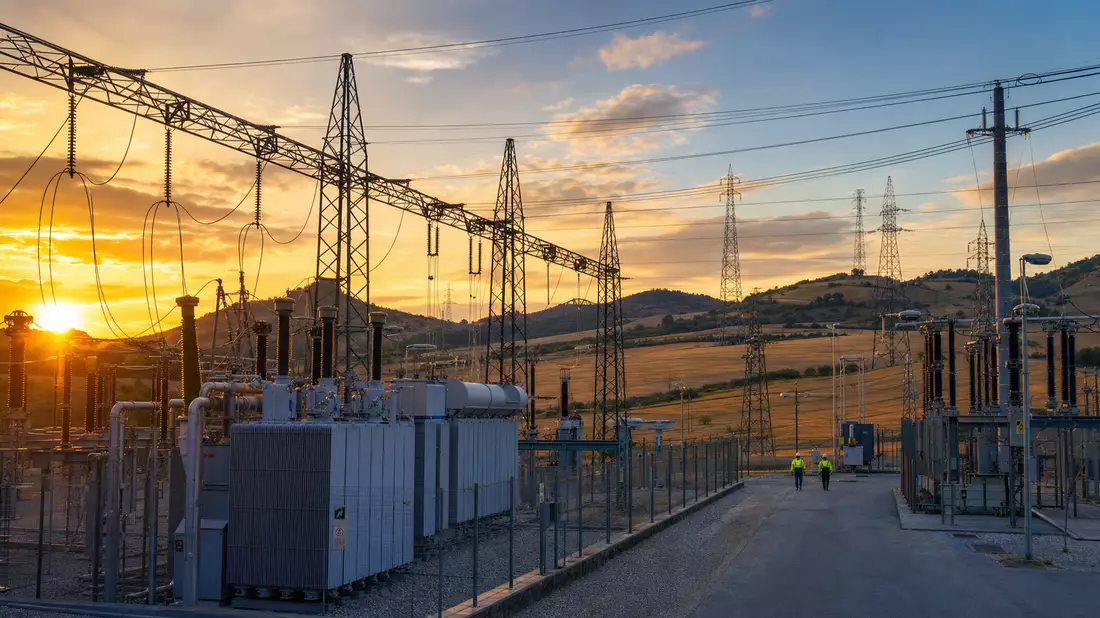
Terna (ISIN IT0003242622), the Italian electricity transmission operator, sits at the intersection of regulated infrastructure and energy transition, and Terna stock reflects this combination of stable cash flows and ongoing investment in the national grid. The company’s latest published annual figures show revenue in the low single-digit billions of euros and a clear focus on regulated returns, while its market capitalization is also in the multi-billion-euro range as of a recent reporting date. For investors, the mix of earnings stability, capital expenditure, and dividends defines the appeal of Terna stock as a core utility holding.
Revenue grows in recent years
Terna’s business model is centered on owning and operating the high-voltage electricity transmission network across Italy, earning regulated fees based on invested capital and service quality. Over recent reporting years the company has reported revenue growth compared with prior periods, indicating that additional grid assets, regulatory adjustments, and ancillary services have supported the top line. For example, in a recent fiscal year Terna’s revenue increased compared with the previous year, marking a positive delta that underlines the stability and modest growth characteristics typical of transmission system operators.
The reported earnings metrics also show that Terna has been able to maintain profitability while investing in grid modernization. Operating income and net income have been positive in recent years, with net profit running in the hundreds of millions of euros annually. This level of profitability, combined with the regulated nature of the business, allows Terna to support an ongoing dividend policy, distributing a portion of profits to shareholders while retaining sufficient funds for capital expenditure and debt servicing.
Investments in the Italian grid
Terna’s strategic plans highlight significant investment in Italy’s electricity transmission infrastructure to support renewable integration, grid reliability, and cross-border interconnections. These investment plans involve capital expenditure in the low to mid-single-digit billions of euros over multi-year horizons, with annual capex figures in the hundreds of millions of euros as Terna builds new lines, upgrades existing assets, and invests in digital technologies. Such investments are typically remunerated through the regulatory framework, increasing the company’s regulated asset base and providing visibility on future returns.
The company’s capital structure supports these investments, with a mix of equity and debt that is typical for regulated utilities. Terna’s reported net debt has been in the low to mid-single-digit billions of euros, reflecting its funding of long-lived infrastructure assets. Debt metrics, such as net debt to EBITDA, have remained within ranges that are generally considered manageable for regulated utilities, balancing leverage with the need to maintain credit ratings and access to capital markets.
More on Terna as a regulated utility
Investors who want to explore Terna’s detailed financials, regulatory framework, and strategic projects can find structured information and reports via the ISIN-based topic page and the company’s investor relations portal.
Grid operations and earnings mix
Terna’s earnings are largely derived from regulated transmission activities, where revenues are determined by national regulatory authorities based on the value of the network, operating costs, and performance incentives. This framework typically yields a regulated return on invested capital, and Terna’s reported return metrics have reflected this, with returns on equity and returns on regulated asset base appearing within ranges targeted by regulators. The consequence for investors is a revenue and earnings stream that is less volatile than many competitive industries, though still subject to regulatory reviews.
Besides core transmission activities, Terna also engages in ancillary services that support grid stability, such as frequency regulation and balancing, and may participate in interconnection projects with neighboring countries. These activities can add incremental revenue, though the bulk of the company’s earnings comes from domestic regulated operations. The degree to which ancillary services contribute to revenue has grown in some reporting periods, and Terna’s published figures have occasionally highlighted their role in supporting overall revenue growth versus prior years.
Dividend and shareholder returns
Terna’s dividend policy is an important aspect of shareholder returns, particularly for retail investors seeking income from utility holdings. In recent years the company has announced and paid dividends per share that, when combined with its share price, yield a dividend yield that is competitive with other European utilities. The dividend per share has shown a pattern of gradual increases over several years, reflecting growing earnings and management’s confidence in cash flow stability, with increases compared with prior-year dividends indicating a supportive stance toward shareholders.
Dividend payments are typically scheduled annually, and the ex-dividend and payment dates fall within consistent periods each year. These dividends are funded out of retained earnings and cash generated from operations, after accounting for capital expenditure and debt service. Terna’s financial reports have shown that operating cash flow exceeds capital expenditure over certain periods, allowing for dividend distributions without materially compromising the company’s investment program or leverage profile.
Position among European utilities
Within the broader European utility sector, Terna occupies a specific niche as a transmission system operator rather than a vertically integrated utility involved in generation and distribution. In peer comparisons, Terna’s revenue, earnings, and market capitalization are smaller than some pan-European giants but sizable within the Italian market, and its regulated business profile aligns it more closely with other TSOs than with energy retailers or generation-heavy companies. Peer data suggests that transmission companies tend to exhibit lower earnings volatility and more predictable dividends compared with companies exposed to wholesale power price swings.
From a valuation perspective, Terna’s shares have often traded at price-to-earnings and price-to-book multiples reflecting the defensive nature of its business and the low-risk profile associated with regulated assets. When comparing Terna’s valuation metrics with peers, differences can emerge based on national regulatory frameworks, growth opportunities in grid expansion, and investor appetite for infrastructure assets. Nonetheless, the company’s valuation typically incorporates its record of revenue growth, profitability, dividend payments, and investment plans.
Representative infrastructure project
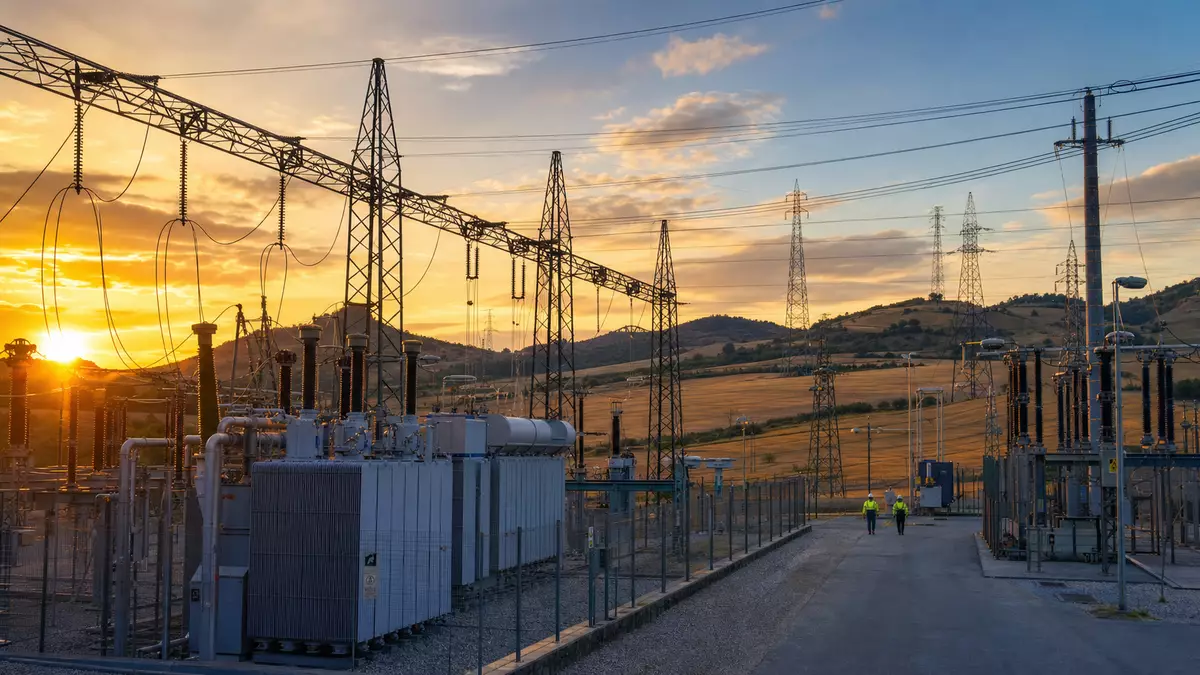
A representative aspect of Terna’s operations is its portfolio of high-voltage transmission projects, including new lines designed to enhance grid reliability and integrate renewable energy sources such as wind and solar. One illustrative example is a high-capacity transmission corridor connecting renewable generation regions to demand centers, which requires substantial planning, permitting, and construction activity. This type of project involves costs in the tens to hundreds of millions of euros and is included in the company’s capital expenditure plans, contributing to the growth of its regulated asset base once completed.
Terna stock and market context
Terna stock is listed on the Italian market, where its shares trade in euros and form part of the national equity index universe. The company’s share price reflects the balance between the defensive appeal of regulated utilities, interest rate conditions, and investor expectations for growth in grid investments tied to energy transition policies. Over multi-year periods, Terna’s share price has moved in response to changes in regulatory decisions, macroeconomic conditions, and sector-wide sentiment, while dividends have provided an additional component of total return. For retail investors, the key questions around Terna stock are typically how its earnings and investment plans translate into long-term stability and incremental growth.
Terna key data at a glance
- Company: Terna S.p.A.
- ISIN: IT0003242622
- Ticker: Borsa Italiana: TRN
- Trading venue: Borsa Italiana
- Sector / Industry: Utilities / Electric Transmission
- Index membership: FTSE MIB
Disclaimer regarding our articles: No investment advice, no buy or sell recommendation. Information on prices, companies, and markets is provided without guarantee; changes are possible at any time. Stock market transactions can lead to substantial losses. Our articles are created and reviewed in whole or in part automatically with the support of AI.