The AMD Ryzen 7 7800X3D - desktop classic with 3D V-Cache focus
Published on 07/19/2026 at 12:13 | Editorial responsibility: Rafael Müller, Editor-in-Chief AD HOC NEWS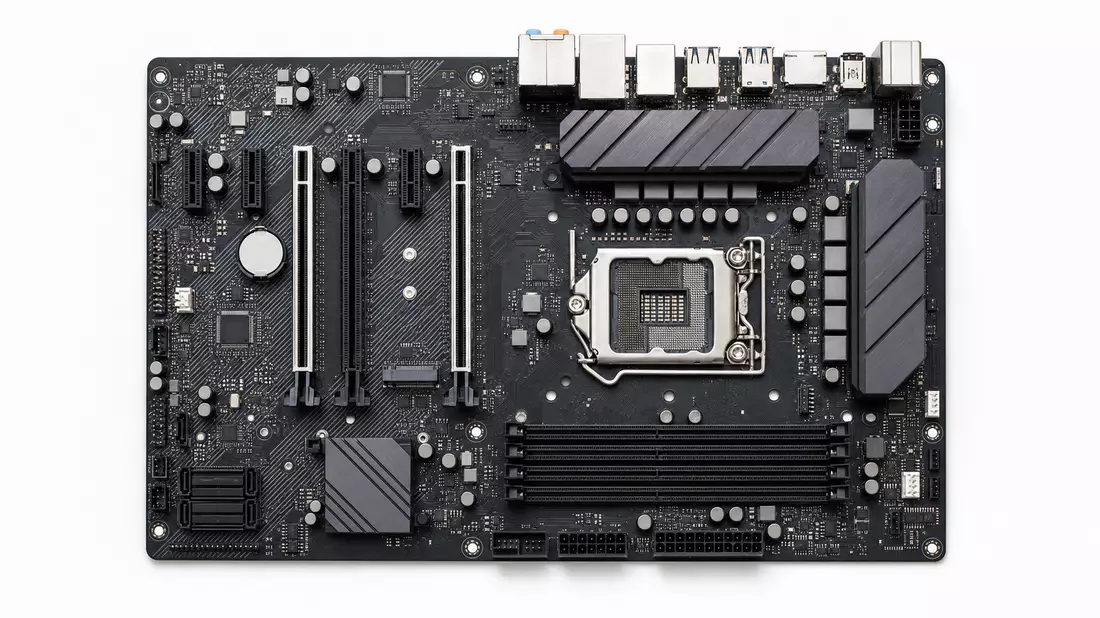
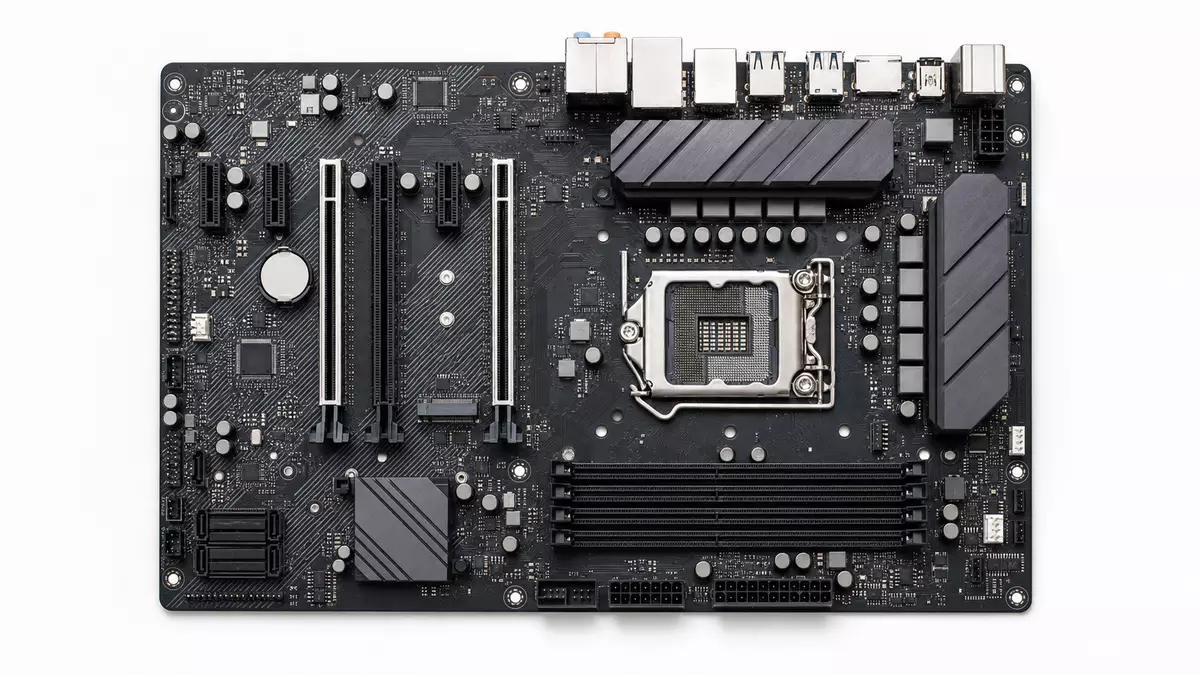
AMD Ryzen 7 7800X3D sits under a matte-black cooler shroud, fans humming softly while the orange Ryzen logo glows on the motherboard heatsink. This desktop CPU has become a familiar sight in mid- to high-end gaming rigs, quietly pushing high frame rates in demanding titles.
Positioned as a long-running desktop classic
Ryzen 7 7800X3D is part of AMD’s Ryzen 7000 desktop family and targets gamers who want strong performance without going for the very top-end SKU. It uses the AM5 socket and is built on TSMC’s 5 nm process, the same platform AMD has used across its current desktop range. That keeps it compatible with a wide range of X670 and B650 motherboards, which vendors continue to sell and update with new BIOS versions.
Unlike the flagship Ryzen 9 parts, Ryzen 7 7800X3D focuses on a single 8-core compute die paired with 3D stacked L3 cache, which AMD brands as 3D V-Cache. That cache configuration is key to its reputation in gaming benchmarks, where many titles benefit more from large cache than from raw core count. In practice, this means the chip remains attractive in builds where the GPU does the heavy lifting, but cache-sensitive games still respond to the extra on-chip memory.
AMD Ryzen 7 7800X3D in the wider AMD story
How this desktop CPU line sits between cutting-edge Ryzen launches and the broader PC and gaming revenue picture for Advanced Micro Devices Inc.
Technical core: 8 cores with 3D V-Cache
According to AMD’s product page, Ryzen 7 7800X3D offers 8 cores and 16 threads, with a base frequency of around 4.2 GHz and a maximum boost up to roughly 5.0 GHz. The standout spec is its total of 96 MB of L3 cache enabled by 3D stacking technology, on top of the standard Zen 4 architecture cache. This cache is layered vertically onto the core complex die, which engineers designed to keep latency low enough for real-world gaming gains.
AMD quotes a default TDP of 120 W for the Ryzen 7 7800X3D, giving motherboard makers a clear envelope for VRM design and cooling guidance. Board partners like ASUS, MSI and Gigabyte respond with dedicated BIOS profiles and optimizations for X670 and B650 boards, often highlighting specific Ryzen 7000 X3D compatibility on product pages. Enthusiast communities have in turn shared detailed tuning profiles, from undervolting for quieter builds to curve optimizer settings aimed at squeezing a bit more frequency headroom.
Gaming behavior and user experience
Notebookcheck and other specialist reviewers have repeatedly put the Ryzen 7 7800X3D through gaming tests, typically pairing it with GPUs such as the Radeon RX 7900 series or Nvidia’s upper-midrange cards. In those scenarios, the CPU’s high L3 cache often pushes it to the top of 1080p and 1440p charts, particularly in titles like Counter-Strike 2, F1 simulations or older esports games that still rely heavily on CPU performance. Frame pacing tends to improve in cache-sensitive scenes, which players notice as smoother camera pans and fewer micro-stutters in crowded areas.
Outside gaming, reviewers describe the chip as more than adequate for everyday desktop work and mid-level content creation. Eight Zen 4 cores handle tasks such as photo editing, light 4K video work and compiling code without drama. When users open browser tabs, audio apps and a video editor simultaneously, the CPU rarely spikes to worrying temperatures as long as a halfway decent air or AIO liquid cooler is installed. You can feel the warm air rising from the top of a mesh-front case after a long session, but fan noise remains moderate in well-tuned systems.
Pricing, regional availability and longevity
Retail prices for the Ryzen 7 7800X3D vary by region and retailer, but US listings at major e-commerce sites cluster in the mid- to upper-USD 300 range, often between about 340 and 399 dollars depending on promotions. In Europe, shops quote prices in the high 300 to low 400 euro band, reflecting VAT and currency effects. The processor is sold as a boxed unit, typically without an included cooler, which pushes buyers towards dedicated aftermarket solutions.
AMD’s official materials emphasize that all Ryzen 7000 desktop processors, including the 7800X3D, support the company’s long-term AM5 socket roadmap. That commitment matters for system builders thinking beyond a single CPU generation. Users can buy a motherboard today, install the 7800X3D, and still have options to move to a future Ryzen 8000 series CPU later, assuming BIOS support. This extends the perceived lifecycle of current AM5 platforms and reduces fear of rapid obsolescence.
Lisa Su’s view on client and gaming segments
AMD CEO Lisa Su has repeatedly highlighted gaming and client computing as important pillars alongside data center and embedded segments in earnings calls and investor presentations. She typically ties desktop product lines such as Ryzen 7000, which includes the 7800X3D, to broader gaming strategies that span discrete Radeon GPUs and semi-custom SoCs for consoles. The message to investors is that desktop CPUs remain part of a diversified portfolio, even as data center and AI accelerators attract more headlines.
On the engineering side, AMD’s CPU leadership, including executives such as CTO Mark Papermaster, has discussed chiplet and packaging advances that make products like the 3D V-Cache family possible. That packaging expertise underpins both consumer-focused SKUs like the 7800X3D and high-end server offerings in the EPYC line. For retail buyers, this background rarely enters day-to-day purchasing decisions, but it explains why AMD keeps iterating on cache-heavy gaming models alongside more traditional core-heavy designs.
Context for investors and AMD stock
Ryzen 7 7800X3D sits as a long-selling desktop CPU in AMD’s portfolio, supporting the company’s client and gaming revenue while newer launches and server chips drive growth elsewhere. It will not decide the direction of Advanced Micro Devices Inc. stock on its own, but it helps anchor AMD’s presence in enthusiast PC builds on Xetra and the Nasdaq.
Key data: AMD Ryzen 7 7800X3D
- Product: AMD Ryzen 7 7800X3D
- Manufacturer: Advanced Micro Devices Inc.
- Category: Classic/Longseller desktop CPU
- Market launch: March 2023
- MSRP / Price: Approx. 449 USD at launch, current street prices often lower
- Availability: Widely available via global PC component retailers and system integrators
- Target group: Enthusiast gamers and desktop users seeking high-cache performance on AM5
- Highlight / USP: 8-core Zen 4 design with 96 MB 3D V-Cache optimized for gaming performance
Disclaimer regarding our articles: No investment advice, no buy or sell recommendation. Information on prices, companies, and markets is provided without guarantee; changes are possible at any time. Stock market transactions can lead to substantial losses. Our articles are created and reviewed in whole or in part automatically with the support of AI.