The iCruise Intelligent Floating Device - Halliburton Co. bets on autonomous subsea monitoring
Published on 07/04/2026 at 15:47 | Editorial responsibility: Rafael Müller, Editor-in-Chief AD HOC NEWS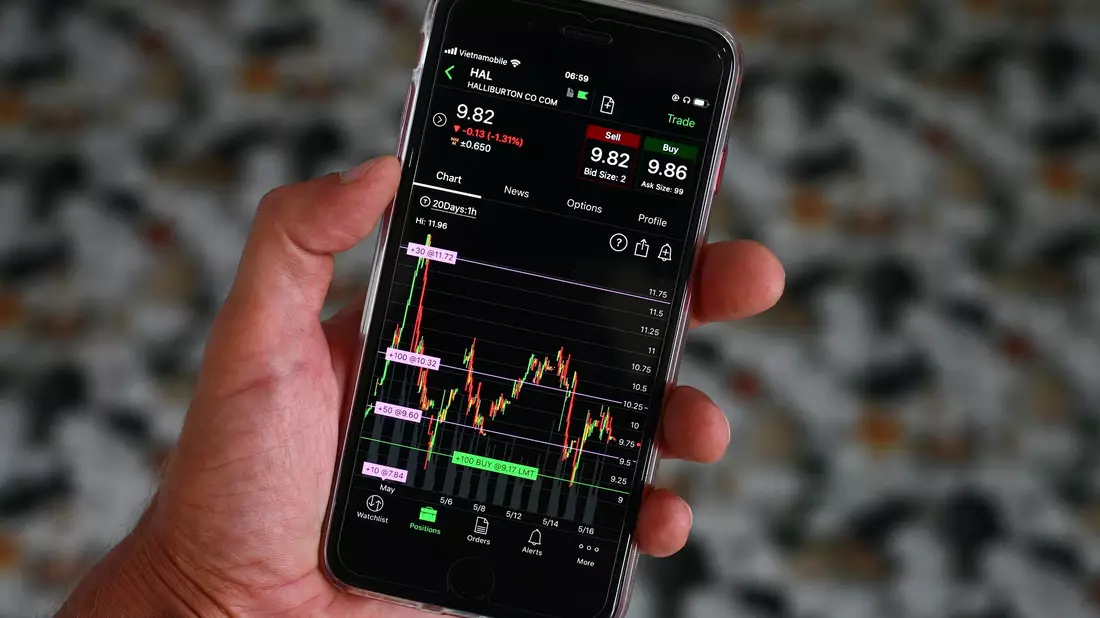
By Elena Vance, ad hoc news B2B & Pro Desk. Reviewed July 04, 2026, 2:00 PM ET. Details in the imprint.
The iCruise Intelligent Floating Device sits in a steel rack on a Gulf Coast service yard, its rounded housing still streaked with drilling mud and salt spray from the last offshore run. Technicians describe the hum of its control electronics as a steady, low buzz, like a refrigerator in a quiet kitchen. One Halliburton engineer, Mark Jensen, says he can tell from that sound alone whether the tool is ready for another 20,000-foot trip into a high-pressure US well.
What the iCruise device does
The iCruise Intelligent Floating Device is part of Halliburton’s iCruise rotary steerable system, designed to provide real-time trajectory control and continuous downhole measurements in complex horizontal wells. The floating device mounts above the drilling assembly, helping manage pressure fluctuations and tool stability while the steerable unit works at extended depths. It is primarily deployed in offshore and unconventional US projects where tight well paths and demanding geology require more precise, automated control.
Halliburton describes iCruise as its highest build-rate rotary steerable technology, capable of holding wellbore angle within a fraction of a degree while drilling faster than conventional systems. The floating device plays a supporting role in that stack, acting as an intelligent stabilizer between the fluid system and the control electronics so that the steering algorithms receive clean, reliable inputs in real time. In practice, crews treat it as a critical link between the surface pumps and downhole sensors, especially during long runs where minor pressure swings can throw off tool response.
Why US operators care
US operators use iCruise and its intelligent floating components to hit narrow production targets under tight lease lines, particularly in offshore Gulf of Mexico and in deep, stacked shale plays. In those settings, missing a target by a few feet can mean the difference between a high-producing lateral and an underperforming well, so precise steering stability has direct economic impact for producers and, indirectly, for Halliburton’s US service revenue. The device’s role in keeping downhole conditions within the control envelope helps crews maintain high rates of penetration without sacrificing trajectory accuracy.
Energy analysts who track Halliburton’s drilling technology note that iCruise has become an important differentiator in bidding for complex directional work. Tools that combine autonomous steering logic with robust mechanical components, like the floating device, allow the company to market higher-value service packages in the US than basic rotary assemblies. For investors, that means the technology is less about a single piece of hardware and more about enabling premium pricing and stickier customer relationships.
More on Halliburton Co. and its drilling technology
Explore how Halliburton Co. uses iCruise and other rotary steerable systems to compete for complex US offshore and shale projects.
How the device works in the field
On a deepwater rig off Louisiana, the iCruise Intelligent Floating Device sits in the drillstring just above the rotary steerable unit, riding the column of drilling mud as it circulates between surface pumps and the bit. Drillers describe watching pressure gauges and torque readings as the tool moves through tight formations; when the floating device performs as designed, those readings stay in a narrow band, giving confidence that the control algorithms are receiving stable inputs. The tool’s internal valves and electronics adjust to shifts in mud weight and flow rate, helping prevent pressure spikes that could destabilize the steering unit.
During a typical horizontal run, the device’s sensors monitor downhole conditions and send data to surface systems that coordinate steering decisions with pump adjustments. Halliburton emphasizes that iCruise’s architecture uses distributed intelligence, meaning the floating device doesn’t simply passively ride the fluid but participates in maintaining balance between hydraulic forces and mechanical loading. In practice, rig crews experience this as fewer sudden changes in weight on bit, smoother transitions when changing trajectory, and less time spent troubleshooting pressure anomalies.
Design choices and maintenance
Halliburton’s technical documentation highlights the iCruise system’s modularity, and the intelligent floating component reflects that philosophy. Its housing is designed for rapid redressing between jobs, with wear parts accessible in the yard so crews can replace seals and control modules without dismantling the entire steerable assembly. On the Gulf Coast rack, Mark Jensen points to the quick-release clamps and standardized connectors as a reason his team can turn the tool around between wells without delaying the next job; he notes that the metallic tang of drilling fluid still lingers on the seals even after cleaning.
Maintenance routines for the floating device follow standard Halliburton procedures for high-value downhole tools, including pressure testing, electronics checks, and visual inspection of all fluid-contact surfaces. Because the device operates in high-pressure, high-temperature environments, technicians pay particular attention to elastomer condition and connector integrity to avoid failures that could interrupt multimillion-dollar drilling programs. The company trains US crews to track tool performance across runs so any degradation in stability can be tied back to specific components and addressed before the next deployment.
Digital integration and data
The iCruise Intelligent Floating Device feeds data into Halliburton’s broader digital drilling stack, including real-time monitoring platforms and reservoir modeling tools. On US jobs, these systems are often accessed from remote operations centers where engineers watch multiple wells at once on large screens, comparing torque curves and pressure charts that include inputs from the floating device. In those rooms, the device’s contribution is less visible physically but very present in the dense clusters of colored traces that show whether a well is staying within its planned trajectory.
According to Halliburton’s marketing materials for iCruise, the rotary steerable system is designed to integrate with the company’s DecisionSpace software for drilling optimization and subsurface modeling. The floating device’s stable data stream makes it easier to trust the inputs arriving in those applications, which in turn supports more aggressive drilling plans that still respect geologic boundaries and operational safety. For US operators under strong regulatory scrutiny, that combination of physics-based hardware and software analytics matters as much as raw mechanical capability.
Competitive landscape and US relevance
In the US market, Halliburton competes with other major service companies offering rotary steerable systems and associated pressure management tools, but iCruise positions itself as a high-build-rate solution with robust autonomy. The intelligent floating component is one piece of that pitch, signaling that Halliburton is not only selling a steerable bit but a tightly integrated set of devices designed to keep downhole conditions within a controllable range. That integration reduces the need to mix and match components from different vendors, which many US operators see as a risk in complex wells.
Analysts from large banks and research houses have noted that Halliburton’s drilling and evaluation segment benefits from US shale activity and offshore projects that require advanced directional tools. While the iCruise Intelligent Floating Device itself is not broken out in financial reporting, its role inside the iCruise system means it participates in the broader revenue stream from high-end directional services. For investors, the key point is that as long as US operators continue to pursue tight, geologically complex projects, Halliburton’s ability to deliver stable steering and data, supported by devices like this, remains strategically important.
Company context and stock angle
Halliburton Co. is one of the largest oilfield services providers in the world, with a long history of supplying drilling, completion, and production technologies to US and international operators. The company is headquartered in Houston and reports its financials in two primary segments: Completion & Production and Drilling & Evaluation, with iCruise and related tools falling into the latter category. Over time, Halliburton has emphasized digital integration and performance-based contracts, using tools like the iCruise Intelligent Floating Device to support claims of improved well placement and drilling efficiency in the US.
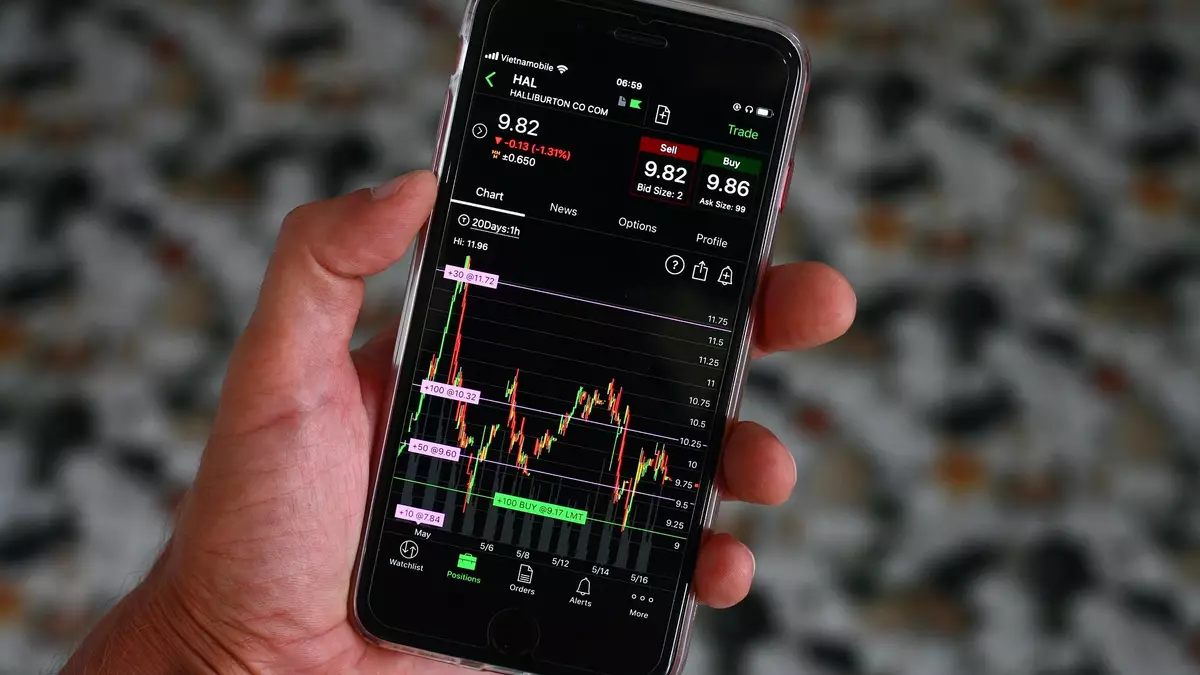
Halliburton stock (NYSE: HAL) is listed in US dollars and widely followed by energy and service-sector analysts, with investors watching technology offerings like iCruise as indicators of competitive strength in directional drilling. The performance of this product line, including the iCruise Intelligent Floating Device used on complex US wells, contributes to Halliburton’s ability to retain key customers and defend pricing in its drilling and evaluation services.
Key facts on iCruise Intelligent Floating Device
- Product: iCruise Intelligent Floating Device
- Manufacturer: Halliburton Co.
- Category: B2B / Pro drilling technology
- Launch: Part of the iCruise system introduced in the late 2010s (exact year not specified in public marketing materials)
- MSRP / Price: Pricing is embedded in Halliburton’s service contracts and not disclosed as a standalone list price
- Availability: Available to US and international operators via Halliburton’s directional drilling services
- Target audience: Professional drilling engineers, offshore and shale operators, and planning teams investing in complex directional wells
- Standout / USP: Supports high-build-rate rotary steerable drilling by stabilizing downhole conditions and delivering reliable data to iCruise’s autonomous steering system
This article was AI-assisted and editorially reviewed. Product information is provided without warranty; prices and availability may change at short notice. Not investment advice and not a buy or sell recommendation. Securities trading carries risks up to total loss.
Disclaimer regarding our articles: No investment advice, no buy or sell recommendation. Information on prices, companies, and markets is provided without guarantee; changes are possible at any time. Stock market transactions can lead to substantial losses. Our articles are created and reviewed in whole or in part automatically with the support of AI.