Thyssenkrupp's Steel Tariff Tailwind Arrives Just as Investors Decide on Its Breakup Blueprint
Published on 07/03/2026 at 14:34 | Redaktion boerse-global.de
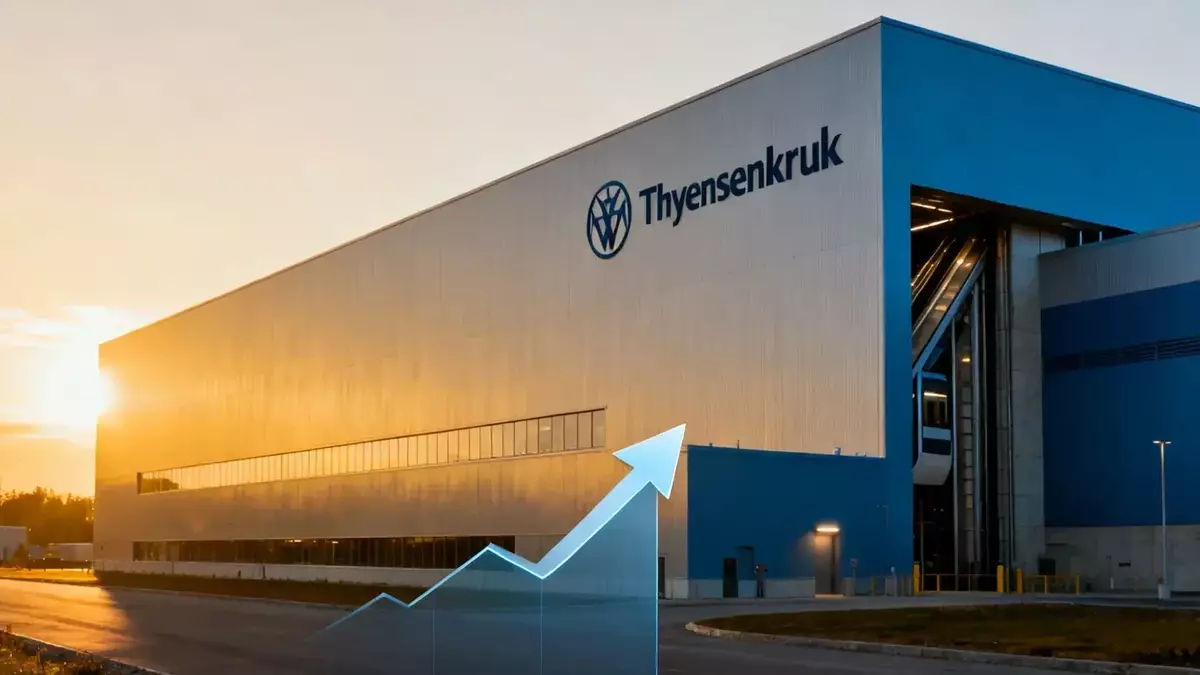
The stars are aligning for Thyssenkrupp – at least on paper. New European Union import duties on steel are giving the conglomerate's core business a regulatory shield, and next month shareholders will vote on the first concrete step in a radical restructuring that could unlock value across its disparate divisions. Whether the combination of protection and transformation can sustain the stock's recent rally is the question now dominating the trading floor.
After seven straight sessions of gains, the shares were changing hands at €11.44 on Tuesday, up 1.19% on the day and nearly 11% since the run began. That leaves the stock roughly 61% above the 52-week low of €7.10 touched back in March. On a year-to-date basis, the advance stands at 18.23%, and over twelve months it reaches 25.38%. Yet volatility remains elevated: the 30-day annualized figure sits at 48.56%, a clear signal that the market is still nervous.
The immediate catalyst for the recent buying spree is a tougher EU tariff regime that took effect this week. Under the new rules, the duty-free import quota for steel will shrink to 18.3 million tonnes a year from July 1, 2026. Any shipments above that threshold will face a 50% tariff – double the previous rate. Thyssenkrupp had lobbied hard for such a move, hoping to curb the tide of cheap Asian imports that has weighed on European prices. The European Commission has also agreed to open a separate safeguard investigation into electrical steel, where Thyssenkrupp is one of only two remaining producers on the continent. That provides an extra layer of protection for a high-margin niche.
But a tariff shield only works if demand cooperates. Industry forecasts point to only tepid growth in European steel consumption in 2026, and capacity utilization across the region remains subdued. Whether Thyssenkrupp can turn the new pricing power into higher earnings will depend on its ability to raise selling prices even when its own mills are underutilized. The next test will come with the quarterly report due in August, where investors will look for signs that the regulatory tailwind is translating into hard numbers.
Should investors sell immediately? Or is it worth buying Thyssenkrupp?
That same month will also deliver the most important corporate event on the calendar. On August 7, an extraordinary general meeting will vote on the spin-off of the materials trading division, which will be renamed tk accelis. Thyssenkrupp plans to retain a 51% stake in the new entity, with the rest distributed to shareholders. It is the first trial run for a broad strategy that envisions the parent company morphing into a financial holding that holds majority stakes in independent, market-ready businesses.
The logic behind the holding structure is straightforward: give each division its own management, faster decision-making, and direct access to capital markets. The steel business, for its part, is pursuing a green transformation with the goal of carbon-neutral production by 2045. A 30% cut in CO? emissions from 2018 levels is targeted for 2030, and the key lever is a direct-reduction plant in Duisburg that will run on hydrogen instead of coking coal. The first unit is scheduled to start in 2027. Meanwhile, the company is already selling low-carbon steel under the "bluemint® Steel" brand, which appears to have found a receptive market.
Beyond the steel and materials divisions, the restructuring pipeline includes a planned minority stake sale in the marine systems unit and a capital-market readiness push for the automotive technology arm. A group-wide performance program called APEX is intended to boost profitability and lay the groundwork for consistent dividends – a promise that still carries the weight of years of erratic payouts.
Thyssenkrupp at a turning point? This analysis reveals what investors need to know now.
Yet the path is far from smooth. The weak fundamental demand picture remains the biggest cloud. Short-term momentum indicators look constructive – the relative strength index is at 57.3, leaving room for further upside without being overbought – and the stock trades comfortably above both its 50-day moving average of €10.74 and its 200-day line of €9.99. But the structural headwinds are real. Thyssenkrupp is closing an automotive production site in Indiana by the end of March 2027, a reminder that the supplier division's overhaul is not complete. And the hydrogen-fed direct-reduction plant in Duisburg depends on a reliable supply of green hydrogen, a bottleneck that could slow the entire green-steel strategy.
The August earnings report will offer the first glimpse of whether the tariff changes are already feeding through to margins. If they are, and if the spin-off vote passes cleanly, the stock's technical picture – far above its yearly low and all key averages – could support a continued move toward the 52-week high of €13.24 set last October. Should demand soften further or the restructuring stumble, the recent gains may prove fragile. For now, Thyssenkrupp's fate rests on two moving parts: a protective trade policy and a shareholder vote that will decide whether the breakup blueprint becomes reality.
Ad
Thyssenkrupp Stock: New Analysis - 3 July
Fresh Thyssenkrupp information released. What's the impact for investors? Our latest independent report examines recent figures and market trends.
Disclaimer regarding our articles: No investment advice, no buy or sell recommendation. Information on prices, companies, and markets is provided without guarantee; changes are possible at any time. Stock market transactions can lead to substantial losses. Our articles are created and reviewed in whole or in part automatically with the support of AI.