Thyssenkrupp's Three-Pronged Catalyst: Navy Deal, Steel Reboot, and a Pivotal August Vote
Published on 07/03/2026 at 14:34 | Redaktion boerse-global.de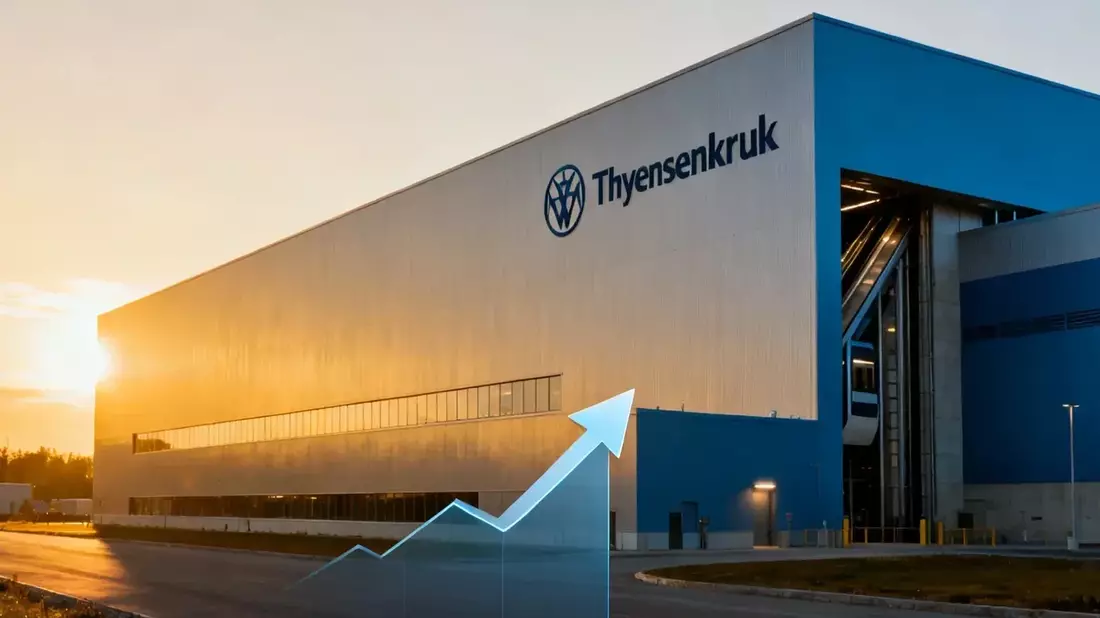
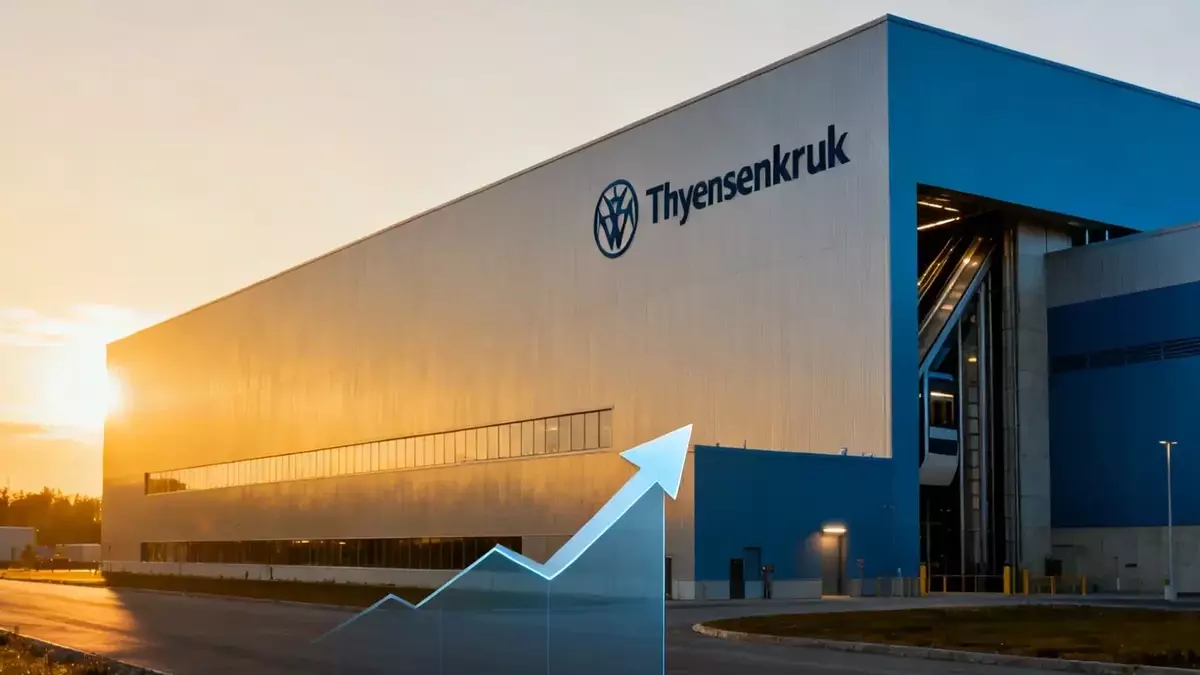
Thyssenkrupp is giving investors more than one reason to cheer. A €6.63 billion frigate order, the restart of a key steel mill in Duisburg, and a rapidly approaching spin-off vote have combined to push the stock firmly into the green. Shares rose 4.42% on Friday to €11.80, bringing the weekly gain to 14.45% and the year-to-date advance to 22%.
The German conglomerate's defence arm, Thyssenkrupp Marine Systems, is set to build at least four Meko A-200 frigates for the German navy, with an option for four more vessels valued at around €5.3 billion. The contract represents a major vote of confidence in a division that had often been earmarked for disposal. Rival Rheinmetall, by contrast, suffered a blow when the separate F126 frigate project was cancelled, further cementing TKMS's position in the naval sector.
Alongside the defence win, Thyssenkrupp's steel unit has resumed operations at its Duisburg hot rolling mill No. 4. The facility had been offline since a furnace fire in autumn 2025. A successful trial run on Thursday paved the way for the restart this week, and management is now focused on meeting delivery commitments and restoring margins after the prolonged outage.
The timing could hardly be better. The European Union slashed its duty-free steel import quota by 47% to 18.3 million tonnes per year on 3 July, and any volumes exceeding that will now incur a doubled tariff of 50%. Analysts expect the measures to drive production back to Europe, benefiting home-grown steelmakers like Thyssenkrupp. A broader market rotation away from tech stocks into traditional industrial names has also helped. The DAX hit a fresh all-time high above 25,800 points on Friday.
Should investors sell immediately? Or is it worth buying Thyssenkrupp?
Yet the most consequential event for the company's future is an extraordinary general meeting scheduled for 7 August. Shareholders will vote on the spin-off of the materials trading division, which will be renamed tk accelis. Thyssenkrupp plans to retain a 51% stake, marking the first concrete test of a new holding-company strategy. Under this model, each business unit will operate independently, with its own management team and direct access to capital markets. The blueprint also calls for minority stakes to be sold in other divisions, including Marine Systems and Automotive Technology.
The steel business is pursuing its own transformation. Thyssenkrupp Steel aims to cut CO? emissions by 30% by 2030 compared with 2018 levels, and to reach climate neutrality by 2045. The centrepiece is a direct-reduction plant in Duisburg that will use hydrogen instead of coal; the first unit is scheduled to come online in 2027. Already, the company markets low-carbon steel under the "bluemint® Steel" brand, tapping into demand from environmentally conscious buyers.
A group-wide performance programme called APEX is running in parallel, targeting higher profitability and a more predictable dividend – a promise that still needs to be proven after years of erratic payouts. On top of all this, Thyssenkrupp has forged an alliance with GlobalLogic to advance "Physical AI" for industrial applications, though it is too early to judge whether this will become a meaningful growth driver.
Thyssenkrupp at a turning point? This analysis reveals what investors need to know now.
Technically, the stock has plenty of room to run. At €11.80, it sits 18.14% above the 200-day moving average of €9.99 and well above the 50-day average of €10.74. The relative strength index stands at a healthy 62.5, suggesting more upside before overheating. A return to the 52-week high of €13.24, set in October 2025, would require a further rally of roughly 11%.
Over the trailing twelve months, Thyssenkrupp shares have gained 25.38%, a reflection of the market's growing appetite for a restructuring story that is finally delivering concrete milestones. The August 7 vote will be the next major test: a clear approval would lock in the first piece of the holding structure, while a rejection would throw the entire plan into question. Meanwhile, the progress of the Duisburg mill ramp-up and the finalisation of the frigate contract will determine whether the current momentum can be sustained.
Ad
Thyssenkrupp Stock: New Analysis - 3 July
Fresh Thyssenkrupp information released. What's the impact for investors? Our latest independent report examines recent figures and market trends.
Disclaimer regarding our articles: No investment advice, no buy or sell recommendation. Information on prices, companies, and markets is provided without guarantee; changes are possible at any time. Stock market transactions can lead to substantial losses. Our articles are created and reviewed in whole or in part automatically with the support of AI.