UK Experts Warn of Silicosis Crisis as Engineered Stone Imports Surge
Published on 07/06/2026 at 16:28 | Redaktion boerse-global.de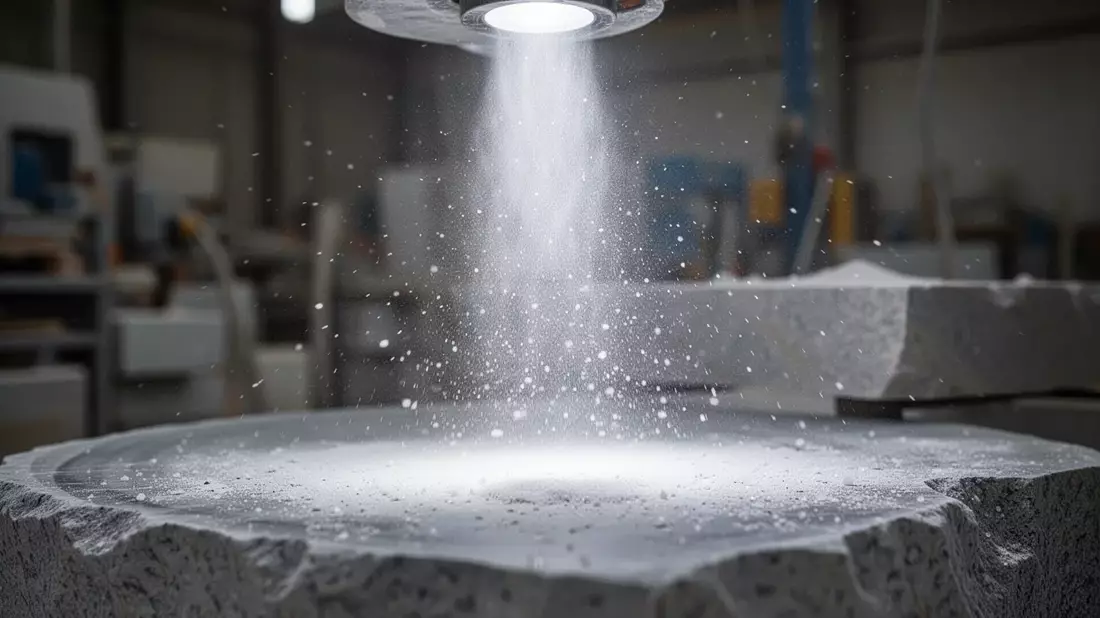
Health professionals are urging the UK government to introduce a national screening programme for silicosis, warning that more than 1,000 tradespeople in the kitchen countertop industry may already be affected by the incurable lung disease. While fewer than 100 cases have been officially diagnosed, experts fear a surge mirroring outbreaks in Australia and Spain is imminent.
The Growing Threat from Engineered Stone
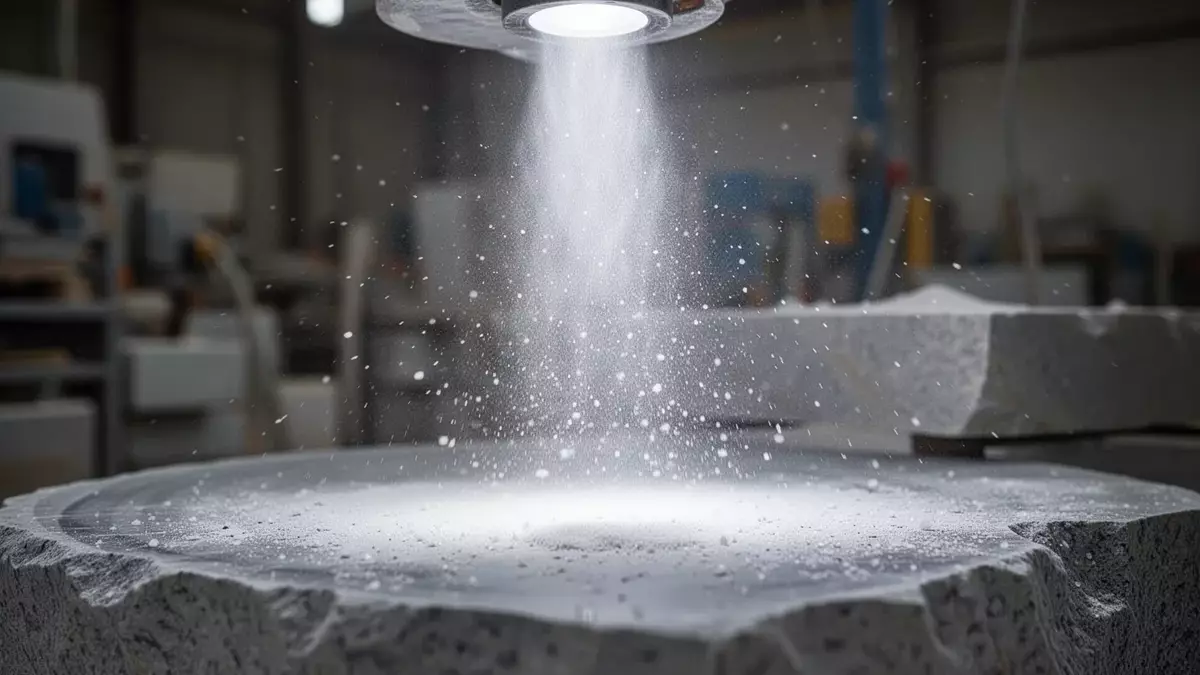
The disease is caused by inhaling fine silica dust produced when cutting and finishing engineered stone, commonly used for quartz kitchen worktops. The risk has intensified alongside a sharp rise in consumer demand — imports of engineered stone to the UK increased by 70 percent in 2020, placing a far larger segment of the workforce in contact with hazardous materials.
Silica dust is a hazardous substance under COSHH regulations, yet many employers underestimate the risk from engineered stone. A free COSHH Risk Assessment Toolkit provides 43 customisable templates and checklists to help you identify dangerous materials, assess exposure and stay compliant with UK law. Download the free COSHH Risk Assessment Toolkit
The warning follows a landmark study suggesting tens of thousands of masons across the United States could develop the condition. Data from California, updated in early July 2026, reports 596 confirmed cases and 31 deaths, with a median age of diagnosis of just 46. The state has recorded a sharp rise in cases since 2022.
Lessons from Australia and Spain
UK experts point to international precedents that demand urgent action. In Australia, approximately 25 percent of the relevant workforce has been diagnosed with silicosis, leading the state of Victoria to ban engineered stone in 2024. Spain has tracked thousands of cases since 2007.
Scientific Breakthrough Offers New Hope
A study published by the Hudson Institute of Medical Research in early July 2026 has transformed understanding of how silicosis develops. For decades, researchers assumed immune cells were the primary cause of silica-induced lung damage. The new findings reveal that airway epithelial cells are the actual instigators of the disease.
Researchers discovered that a specific protein called NLRP3 within these airway cells acts as an alarm, triggering inflammation and subsequent fibrosis when silica is inhaled. In laboratory models, removing this protein from epithelial cells significantly reduced lung damage. The discovery marks a shift toward potential precision inhaled therapies, offering hope for treatment where none previously existed.
While new treatments are being developed, employers can act now to strengthen their workplace safety systems. The free Health & Safety Toolkit offers ready-to-use risk assessments, checklists and toolbox talks that cover key UK regulations, helping you protect your workforce from hazards like silica dust. Get the free Health & Safety Toolkit
Government Focus on Workplace Health
The call for a silicosis screening programme arrives as the UK government intensifies its focus on workplace health and economic inactivity. Earlier in July 2026, officials announced the creation of the Workplace Health Intelligence Unit, designed to collect standardised data on sickness absence and return-to-work outcomes.
Current figures suggest health-related economic inactivity costs the UK approximately £212 billion per year, with 2.8 million people currently out of work due to long-term sickness. A taskforce of more than 250 major employers — including British Airways, Tesco, and Royal Mail — has joined a national initiative to reduce long-term sickness absence and improve workplace safety standards.
Disclaimer regarding our articles: No investment advice, no buy or sell recommendation. Information on prices, companies, and markets is provided without guarantee; changes are possible at any time. Stock market transactions can lead to substantial losses. Our articles are created and reviewed in whole or in part automatically with the support of AI.