UK Wildfires: Governments Activate Crisis Plans as Blazes Surge Across Country
Published on 07/24/2026 at 09:37 | Redaktion boerse-global.de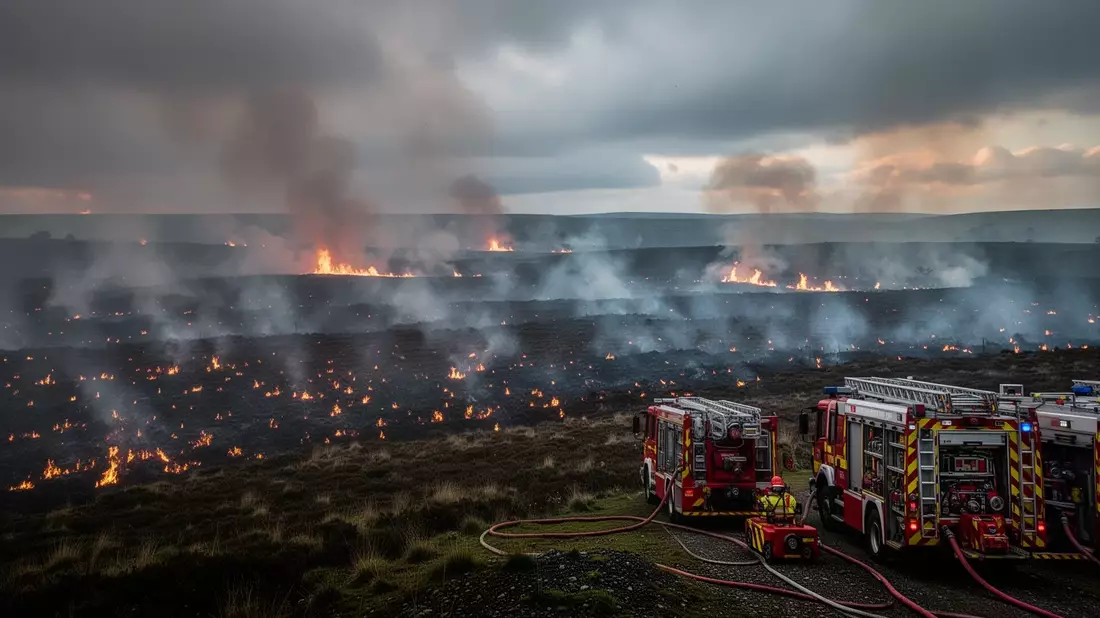
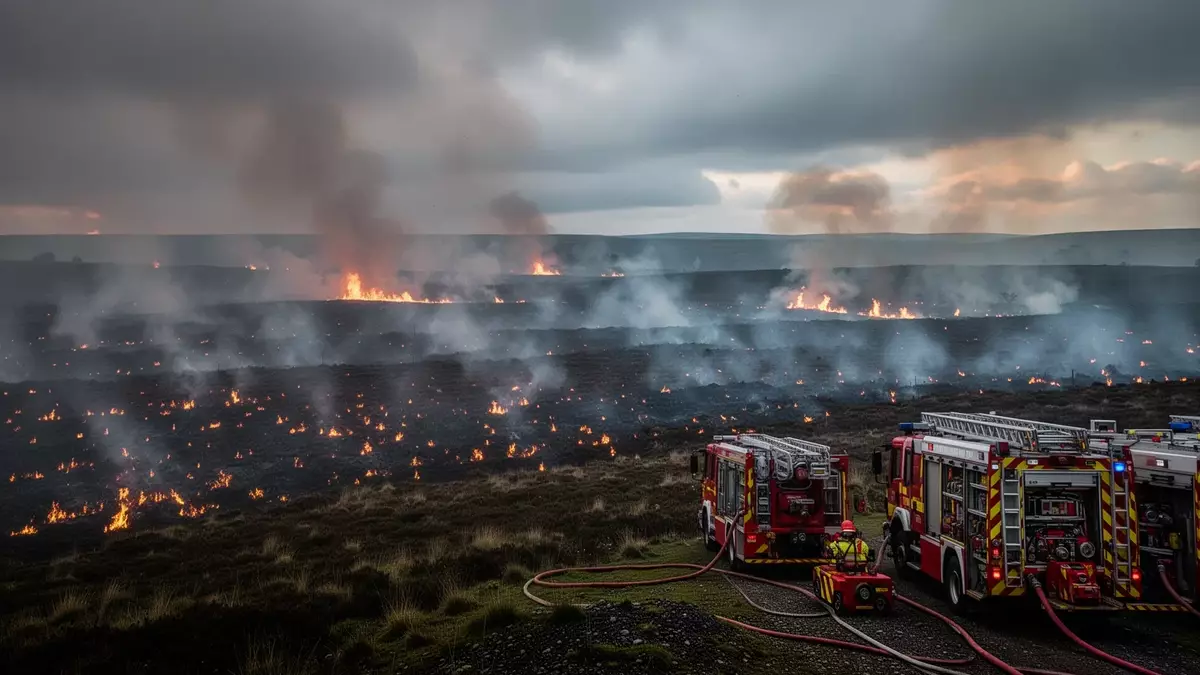
Governments in Wales and Scotland have activated emergency protocols as a wave of major wildfires, fuelled by high temperatures and dry conditions, stretches firefighting resources to breaking point. Hundreds of incidents across the UK have prompted urgent reviews of national aerial firefighting capabilities and the introduction of stricter public safety measures, raising serious questions about the country's preparedness for a threat that experts say is being amplified by climate change.
Aerial Firefighting Gaps Under Scrutiny
The Welsh Government activated its crisis management protocols on July 23, 2026, following significant wildfire outbreaks that have overwhelmed local resources. A primary concern for officials is the current lack of dedicated aerial firefighting assets within the UK. While the Welsh Government is now reviewing its options for aerial support, it noted that the British armed forces currently maintain no UK-based aerial firefighting capability.
In Scotland, First Minister John Swinney visited the site of the Glenmore fire on July 22, where a blaze that began on July 15 has destroyed approximately 10 square kilometres of land. Scottish officials face mounting pressure to establish a national aerial firefighting system — similar to the Scottish Air Ambulance — after reports that a helicopter took 30 hours to arrive at the Glenmore site due to a lack of immediate availability.
Natural Resources Wales currently holds contracts with three helicopter operators, though these resources were reportedly deployed in England and Scotland during recent outbreaks. A helicopter was scheduled for deployment at the Rhinogydd fire in Gwynedd on July 24 to assist ground crews.
Major Incidents and Environmental Toll
Emergency services are managing several large-scale blazes that have caused significant environmental damage and infrastructure closures.
In Derbyshire and Greater Manchester, firefighters have reported progress on the Tintwistle Moor fire, which originally began on June 24 and was declared a major incident on July 13. The blaze has burned 606 hectares. While crews are moving into a containment phase at the nearby Dovestone and Swineshaw fires, the A628 remains closed between Hollingworth and Flouch, with reopening not expected before July 27.
In Wales, the Rhinogydd fire near Harlech — where a tactical response group was established on July 15 — has burned 951 hectares according to satellite imagery. Meanwhile, a 220-hectare fire at Blaenavon has produced smoke visible up to 30 miles away in Cardiff.
In Southern England, the Royal Berkshire Fire Service reported that wildfire incidents this summer are on course to exceed records set in 2022. Recent incidents include a major fire in Upper Basildon sparked by a harvester and a 15-pump fire in Oxfordshire.
Data suggests that 342 wildfires were recorded in England and Wales during the first three weeks of July. The British Red Cross and various fire services have warned that climate change is significantly increasing the frequency and severity of these events.
Tougher Rules and Fines for Offenders
In response to the elevated risk, local authorities are increasingly using Public Spaces Protection Orders (PSPOs) to prevent further outbreaks. Bolton Council has issued warnings that individuals using barbecues, campfires, or sky lanterns on moorlands could face fines of £1,000. Similar prohibitions are in place in the High Peak areas of Derbyshire to protect vulnerable landscapes.
In Ireland, the government is proposing new legislation to introduce fines for the use of disposable barbecues in national parks, following significant fires in Killarney National Park.
The Country Land and Business Association (CLA) has urged the public to avoid all naked flames in the countryside, noting that little rain is forecast for the coming weeks. Forestry experts have emphasised that while wildfires continue to devastate farmland and habitats, certified responsible forestry practices have shown some resilience in mitigating fire spread in other regions.
Disclaimer regarding our articles: No investment advice, no buy or sell recommendation. Information on prices, companies, and markets is provided without guarantee; changes are possible at any time. Stock market transactions can lead to substantial losses. Our articles are created and reviewed in whole or in part automatically with the support of AI.