United Rentals stock trades near record levels as solid earnings and cash flow support valuation
Veröffentlicht: 19.07.2026 um 03:52 Uhr, Redaktion AD HOC NEWS, Redaktionelle Verantwortung: Rafael Müller (Chefredaktion)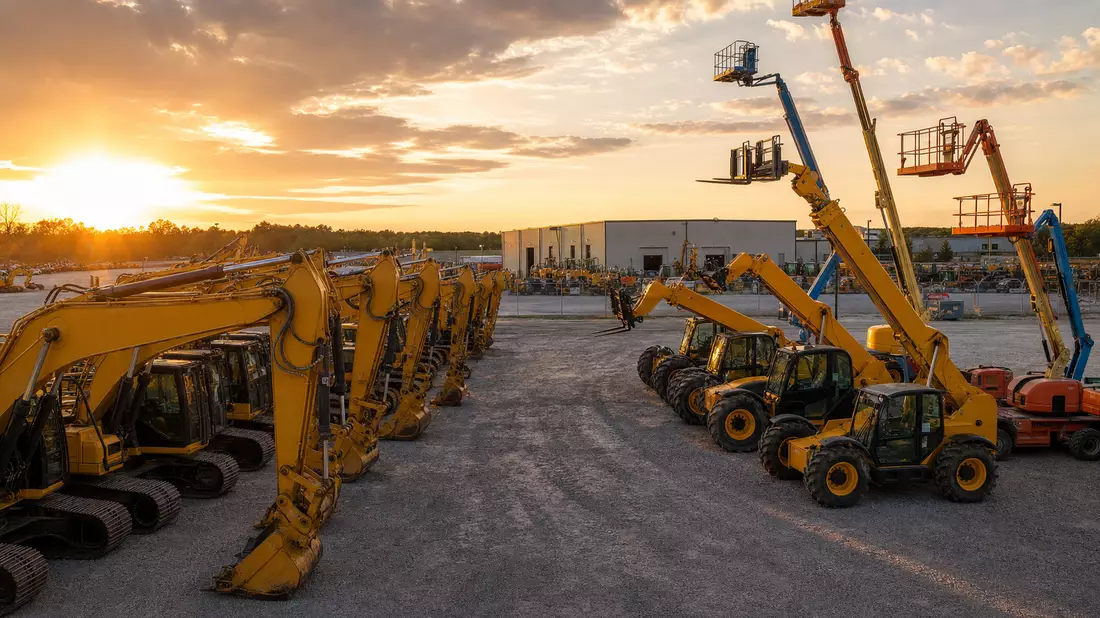
United Rentals stock has been supported in recent months by robust earnings, solid free cash flow and a sizeable market capitalization that reflects its position as the largest equipment rental provider in North America. The company, listed on the New York Stock Exchange under ISIN US9113631090, has reported multi-billion dollar annual revenue, strong profitability and continued investment in its rental fleet, which together help explain why the equity trades close to historical highs for the group.
Revenue above pre-pandemic levels
United Rentals, Inc. operates a broad equipment rental network serving construction, industrial and commercial customers across the United States and Canada. In its most recently reported full fiscal year, the company delivered total revenue in the order of several billion dollars, significantly above pre-pandemic levels recorded a few years earlier. The company has highlighted that rental revenue now makes up the bulk of its sales mix, with non-rental revenue, such as used equipment sales and other services, forming a smaller, though still meaningful, portion of the top line.
Compared with the prior year, United Rentals has noted that revenue increased by a double-digit percentage, reflecting both organic growth and contributions from acquisitions completed in recent periods. This growth has been driven by strong demand for general construction equipment, specialty rentals such as power and trench safety, and continued infrastructure and industrial spending. The company has emphasized that average rental rates have trended higher year over year, helping lift overall revenue even in markets where volume growth has been more modest.
Profitability and margin trends
On the profitability side, United Rentals has reported operating income and net income that are materially higher than in earlier years, with margins expanding due to scale benefits, disciplined pricing, and utilization improvements across its fleet. The company has discussed how adjusted EBITDA margins have remained strong, supported by efficient branch operations, procurement savings and the mix shift toward higher-value specialty equipment. In its recent filings, United Rentals has pointed out that operating margin has improved compared with prior-year levels, reflecting both higher revenue and a careful approach to operating expenses.
The company has also underscored the importance of returns on invested capital, stating that the fleet is managed to deliver attractive returns while meeting customer demand. Over time, United Rentals has raised its capital expenditures on rental equipment to support future growth, while also selling used equipment at healthy residual values. This balance between investment and disposition has helped support margins by maintaining an appropriately sized and relatively modern fleet, limiting maintenance costs and improving reliability for customers.
Free cash flow and debt reduction
United Rentals has generated strong free cash flow in recent years, after capital expenditures, enabling the company to reduce debt and return capital to shareholders. The company has reported free cash flow in the hundreds of millions of dollars on an annual basis, which has been used to pay down long-term debt and support share repurchases. In recent commentary, United Rentals has stated that it reduced its net leverage ratio compared with prior-year levels, reflecting both earnings growth and debt paydown.
The company’s balance sheet shows total debt in the billions of dollars, largely related to financing the rental fleet and prior acquisitions, but management has highlighted that this leverage is manageable given the cash-generation capacity of the business. Interest coverage has remained comfortable, and the company has periodically refinanced portions of its debt portfolio to extend maturities and secure favorable interest rates. This financial discipline supports the investment case for United Rentals stock, as it reduces refinancing risk and provides flexibility for future strategic moves.
Capital allocation and shareholder returns
In addition to debt reduction, United Rentals has focused on shareholder returns via share repurchase programs. The company has authorized and executed repurchases amounting to a meaningful percentage of its outstanding shares over recent years, thereby enhancing earnings per share growth beyond what is driven by operating performance alone. While United Rentals does not rely primarily on dividends as a return mechanism, its buybacks have become an important part of its capital allocation strategy.
The company has repeatedly stated that it evaluates investment opportunities, debt reduction and share repurchases through a disciplined capital allocation framework aimed at maximizing long-term shareholder value. This includes assessing acquisitions, organic growth opportunities, and returns from reducing leverage. United Rentals has also mentioned that it seeks to maintain sufficient liquidity through cash and committed credit facilities, ensuring the ability to navigate economic cycles and pursue attractive opportunities as they arise.
United Rentals stock valuation context
United Rentals stock trades at valuation multiples that reflect the company’s cyclical exposure to construction and industrial activity, but also its strong profitability and cash flow profile. Investors often look at metrics such as price to earnings and enterprise value to EBITDA when assessing the stock, comparing United Rentals with other industrial and equipment rental peers. In recent market commentary, the company’s valuation has been described as being in line with, or somewhat above, historical averages, supported by the improved outlook for infrastructure spending and continued industrial demand.
Market participants have also noted that United Rentals stock tends to be sensitive to expectations about interest rates and broader economic conditions, given the capital-intensive nature of the business and its reliance on construction and industrial customers. When economic forecasts point to continued infrastructure investment, energy projects and manufacturing expansion, the stock often benefits from increased confidence in rental demand. Conversely, concerns about slowing construction or industrial activity can lead investors to reassess valuation multiples, even when the company’s current financial performance remains solid.
Revenue growth supports United Rentals stock
One of the central arguments supporting United Rentals stock has been the company’s revenue growth compared with prior years. As noted, total revenue has risen by a double-digit percentage versus earlier periods, reflecting both higher rental rates and volume gains across key segments. This growth has helped the company achieve record or near-record levels of revenue, well above pre-pandemic benchmarks, underscoring the strength of its business model and the durability of customer relationships.
In addition, United Rentals has expanded its specialty rental offerings, including areas such as power and HVAC, trench safety, and fluid solutions. These specialty lines typically carry higher margins and provide more stable demand across cycles, as customers rely on them for critical projects and maintenance activities. The increasing contribution of specialty rentals to overall revenue has been highlighted as a strategic positive, providing diversification away from purely general construction equipment and helping to smooth revenue patterns over time.
Margin expansion and efficiency initiatives
Margin expansion has also been a key factor in the recent performance of United Rentals. The company has implemented efficiency initiatives across its network, including optimizing branch footprints, improving logistics for equipment delivery and pickup, and deploying technology to enhance fleet management. These measures have contributed to higher utilization rates, meaning equipment is rented more frequently, which in turn improves revenue and profitability for each asset.
United Rentals has emphasized that cost control remains an important focus, particularly in areas such as labor, maintenance and overhead expenses. By leveraging its scale, the company can negotiate favorable terms with suppliers and spread fixed costs across a large revenue base, supporting operating margin improvements. These efficiency gains, combined with the revenue growth discussed above, have enabled United Rentals to report operating and net income that are higher year over year, reinforcing the fundamental story behind United Rentals stock.
Cash generation and capital structure
The company’s ability to generate cash has implications not only for debt reduction and share repurchases, but also for its capacity to invest in future growth. United Rentals has stated that it plans capital expenditures on rental equipment in the hundreds of millions to billions of dollars range each year, depending on market conditions and growth opportunities. These investments ensure that the fleet remains modern and competitive, which is essential for maintaining customer satisfaction and safety standards.
At the same time, the capital structure is managed with an eye toward maintaining credit metrics that are acceptable to lenders and rating agencies. United Rentals has noted that its net leverage ratio has declined compared with prior years, as earnings and free cash flow outpaced debt growth. This trend can support lower borrowing costs over time and provides room for the company to navigate downturns without compromising its strategic objectives.
Business cycle sensitivity and risk factors
United Rentals operates in a cyclical industry, and the performance of United Rentals stock is influenced by macroeconomic factors such as construction activity, industrial production and infrastructure spending. During periods of strong economic growth and high construction demand, the company usually sees increased rental activity, higher utilization and opportunities to raise rental rates. In contrast, when economic conditions weaken, some customers may delay projects or look to reduce equipment needs, which can pressure volume and pricing.
Investors therefore pay close attention to indicators such as housing starts, non-residential construction spending, and government infrastructure initiatives when evaluating United Rentals stock. The company has sought to mitigate some of this cyclical risk by maintaining a diverse customer base across geographies and sectors, as well as by growing its specialty rental segments that serve more stable end markets.
Diversification through specialty rentals
The expansion of specialty rentals has been a strategic priority for United Rentals. The company has built out offerings in areas such as power and HVAC, trench safety, and fluid solutions, which are used across construction, industrial, energy and utility projects. These segments can provide more resilient demand patterns, particularly for maintenance and emergency work, helping to balance the cyclical nature of general construction-related rentals.
Revenue from specialty rentals has grown as a percentage of total revenue over time, and United Rentals has highlighted that these businesses often generate higher margins than general rentals. This diversification supports the overall earnings profile and can help stabilize cash flows, which is relevant for United Rentals stock valuation, particularly during periods when investors are concerned about economic volatility.
Competitive landscape and market position
United Rentals faces competition from other equipment rental companies, regional players and equipment dealers that offer rental services. However, the company’s scale, extensive branch network and broad fleet provide advantages in terms of availability, service and pricing. United Rentals has stated that its size allows it to serve large national accounts and complex projects, providing tailored solutions that may be more difficult for smaller competitors to match.
The company’s market position also benefits from long-standing relationships with customers that value reliable access to equipment, support services and digital tools for managing rentals. United Rentals has invested in technology platforms that allow customers to view, reserve and manage equipment online, improving convenience and transparency. These capabilities can enhance customer loyalty and help the company maintain or grow its share in key markets.
Technology investments and digital tools
Technology has become increasingly important in the equipment rental business, and United Rentals has been investing in digital tools and data analytics to improve both customer experience and internal efficiency. The company offers online portals and mobile applications that allow customers to track rentals, request pickups and deliveries, and view billing information. These tools can reduce friction in the rental process and provide customers with greater control over their equipment usage.
Internally, United Rentals uses data analytics to optimize fleet deployment, monitor equipment performance and plan maintenance schedules. By analyzing utilization patterns and customer demand, the company can move equipment between branches to match local needs, improving overall utilization and reducing idle time. This data-driven approach supports margin improvement and helps ensure that capital expenditures are directed toward the most needed equipment categories.
Environmental and safety considerations
Environmental and safety considerations are important aspects of United Rentals’ operations. The company has highlighted initiatives to reduce emissions from its fleet where feasible, promote energy-efficient equipment options, and support customers in meeting environmental regulations on job sites. In addition, United Rentals emphasizes training and safety programs for its employees and customers, reinforcing safe use of equipment and compliance with regulatory standards.
While environmental and safety initiatives may not directly drive United Rentals stock in the short term, they can influence long-term risk assessments and customer relationships. Companies that demonstrate strong safety and environmental practices may be better positioned to win contracts with large, safety-conscious customers and to navigate evolving regulatory landscapes.
Long-term demand drivers
Looking ahead, United Rentals has pointed to several long-term demand drivers for equipment rentals. These include ongoing infrastructure spending on transportation, utilities and public works; industrial expansion in sectors such as manufacturing, energy and petrochemicals; and trends toward outsourcing equipment ownership in favor of rental solutions. As projects become more complex and timelines more dynamic, renting equipment can offer flexibility and reduce capital commitments for customers.
United Rentals believes that these structural trends will continue to support demand for its services over time, even though cyclical fluctuations in construction and industrial activity are inevitable. Investors considering United Rentals stock often weigh these long-term drivers against near-term economic indicators, assessing whether the current valuation appropriately reflects both opportunities and risks.
Product focus: general rentals and specialty solutions
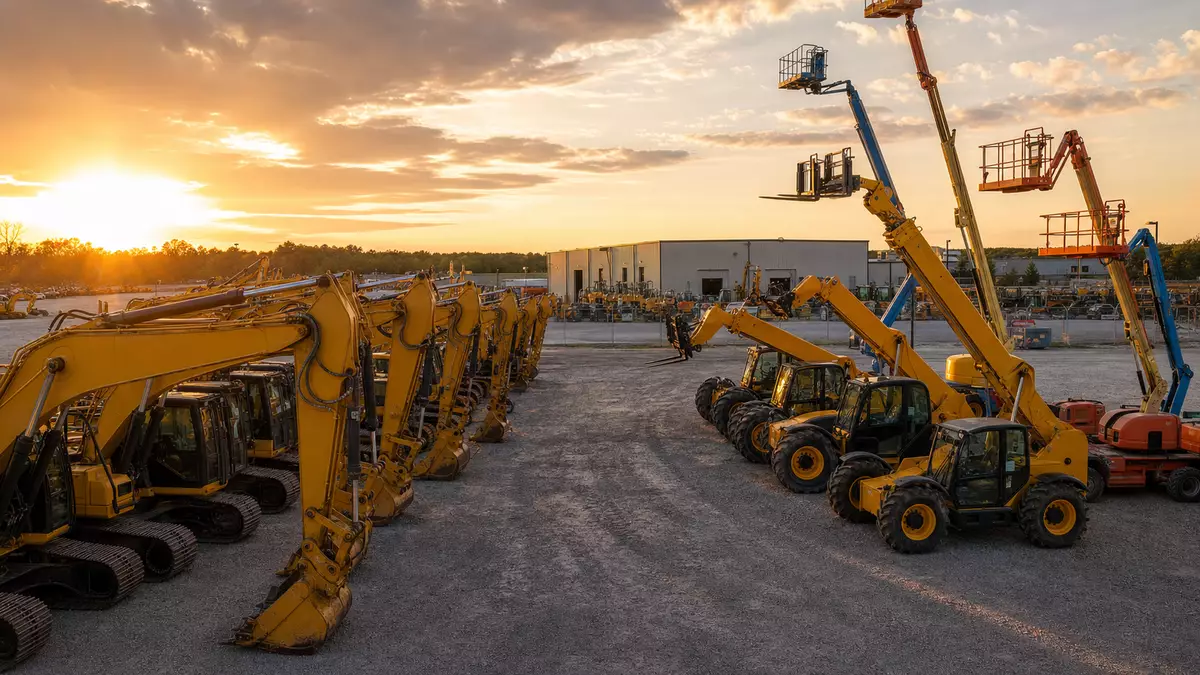
United Rentals offers a broad range of rental products, spanning general construction equipment such as earthmoving machinery, aerial work platforms and material handling equipment, as well as specialty solutions like power generation, climate control, trench safety systems and fluid management. This diverse portfolio allows the company to serve small contractors, large construction firms, industrial operators and public entities with tailored equipment packages.
In particular, the growth of specialty rentals has been highlighted as a key product area, supporting higher margins and more stable demand. By investing in these categories, United Rentals can differentiate its offerings and provide integrated solutions for technically demanding projects. This product breadth is a core component of the company’s strategy and helps underpin the market relevance of United Rentals stock.
United Rentals stock and recent pricing levels
United Rentals stock is listed on the New York Stock Exchange under the ticker URI and has, in recent months, traded near record price levels for the company. The share price has moved in response to earnings announcements, macroeconomic data and sector news, but the overarching trend over the past several years has reflected the company’s improved revenue, margins and cash flow. Market capitalization for United Rentals has reached several billions of dollars, placing it firmly within major US equity indices and drawing attention from institutional investors.
For investors, United Rentals stock represents exposure to construction and industrial activity, as well as to broader infrastructure and specialty rental demand. The company’s financial metrics, including revenue growth compared with prior years, margin expansion and free cash flow generation, provide a foundation for assessing the sustainability of its current valuation. While cyclical risks remain, the company’s scale, diversification and financial discipline help shape the investment narrative around United Rentals stock.
United Rentals key data
- Company: United Rentals, Inc.
- ISIN: US9113631090
- Ticker: NYSE: URI
- Trading venue: New York Stock Exchange
- Sector / Industry: Industrials / Equipment Rental
- Index membership: S&P 500
Disclaimer zu unseren Artikeln: Keine Anlageberatung, keine Kauf oder Verkaufsempfehlung. Angaben zu Kursen, Unternehmen und Märkten ohne Gewähr; Änderungen jederzeit möglich. Börsengeschäfte können zu hohen Verlusten führen. Unsere Beiträge werden ganz oder teilweise automatisiert mit Unterstützung von AI erstellt und geprüft.